

 Preservatives(food)
 Flavor Enhancers
 Acidulants
 Sweeteners
 Antioxidants
 Colorants(food)
 Nutraceutical Ingredients (food)
 Nutrient Supplements
 Emulsifiers
 Collectors
 Dust Suppressants
 Explosives and Blasting Agents
 Flocculants and Coagulants
 Frothers
 Leaching Agents
 pH Modifiers
 Precious Metal Extraction Agents
 Antioxidants(plastic)
 Colorants (Pigments, Dyes)
 Fillers and Reinforcements
 Flame Retardants
 Monomers
 Plasticizers
 Polymerization Initiators
 Stabilizers (UV, Heat)
 Antifoaming Agents
 Chelating Agents
 Coagulants and Flocculants
 Corrosion Inhibitors
 Disinfectants and Biocides
 Oxidizing Agents
 pH Adjusters
 Scale Inhibitors( water)
 Antioxidants(cosmetic)
 Emollients
 Fragrances and Essential Oils
 Humectants
 Preservatives
 Surfactants(cosmetic)
 Thickeners
 UV Filters
 Fertilizers
 Soil Conditioners
 Plant Growth Regulators
 Animal Feed Additives
 Biostimulants
 Pesticides (Herbicides, Insecticides, Fungicides)
 Active Pharmaceutical Ingredients (APIs)
 Excipients
 Solvents(pharmaceutical)
 Antibiotics
 Antiseptics and Disinfectants
 Vaccine Adjuvants
 Nutraceutical Ingredients (pharmaceutical)
 Analgesics & Antipyretics
 Analytical Reagents
 Solvents(lab)
 Chromatography Chemicals
 Spectroscopy Reagents
 microbiology-and-cell-culture-reagents
 Molecular Biology Reagents
 Biochemical Reagents
 Inorganic and Organic Standards
 Laboratory Safety Chemicals
 Specialty Laboratory Chemicals(Special Laboratory Equipment)
 Demulsifiers
 Hydraulic Fracturing Fluids
 Scale Inhibitors(oil)
 Surfactants(oil)
 Drilling Fluids
 Dyes and Pigments
 Bleaching Agents
 Softening Agents
 Finishing Agents
 Antistatic Agents
 Admixtures
 Waterproofing Agents
 Sealants and Adhesives
 Curing Compounds
 Concrete Repair Chemicals
 Anti-Corrosion Coatings
 Surfactants(cleaning)
 Builders
 Enzymes
 Solvents (Cleaning)
 Fragrances
 Electronic Chemicals
 Catalysts
 Lubricants
 Photographic Chemicals
 Refrigerants
 Automotive chemicals
 Pyrotechnic Chemicals
 Biodegradable Surfactants
 Bio-based Solvents
 Renewable Polymers
 Carbon Capture Chemicals
 Wastewater Treatment Chemicals
 Pigments
 Solvents(paint)
 Specialty Coatings
 Binders/Resins
 Additives
 Driers
 Anti-Corrosion Agents
 Functional Coatings
 Application-Specific Coatings
 Leavening Agents
 Dough Conditioners
 Flour Treatments
 Fat Replacers
 Decoratives
 Preservatives(baking)
 Plasticizers & Softeners
 Reinforcing Agents
 Adhesion Promoters
 Vulcanizing Agents
 Antidegradants
 Blowing Agents
 Fillers & Extenders
 Accelerators & Retarders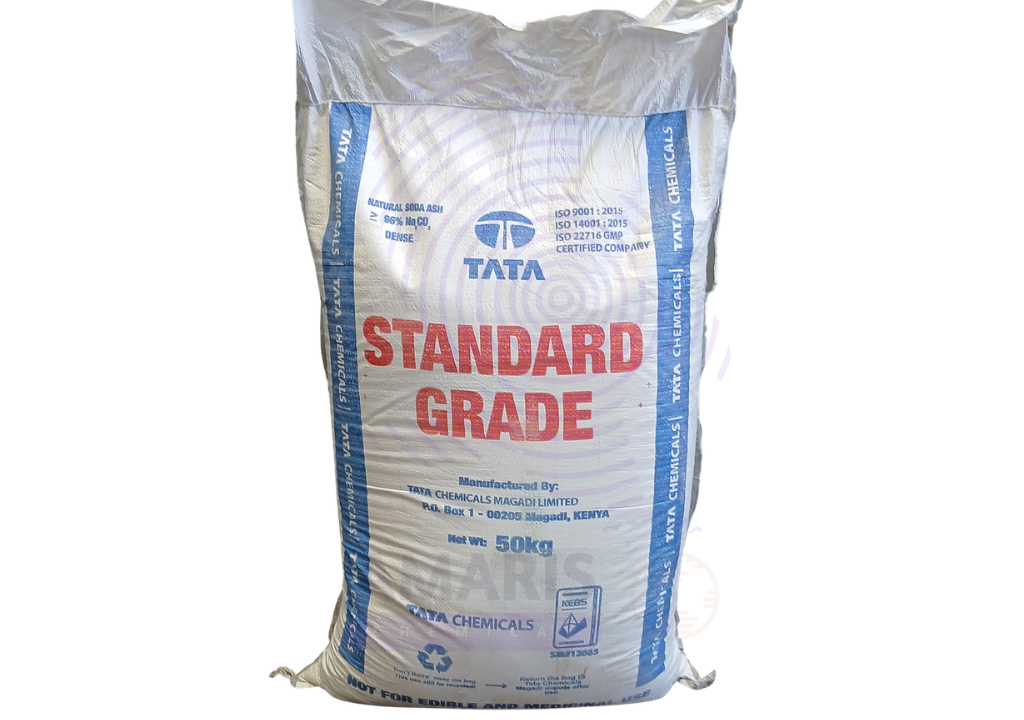
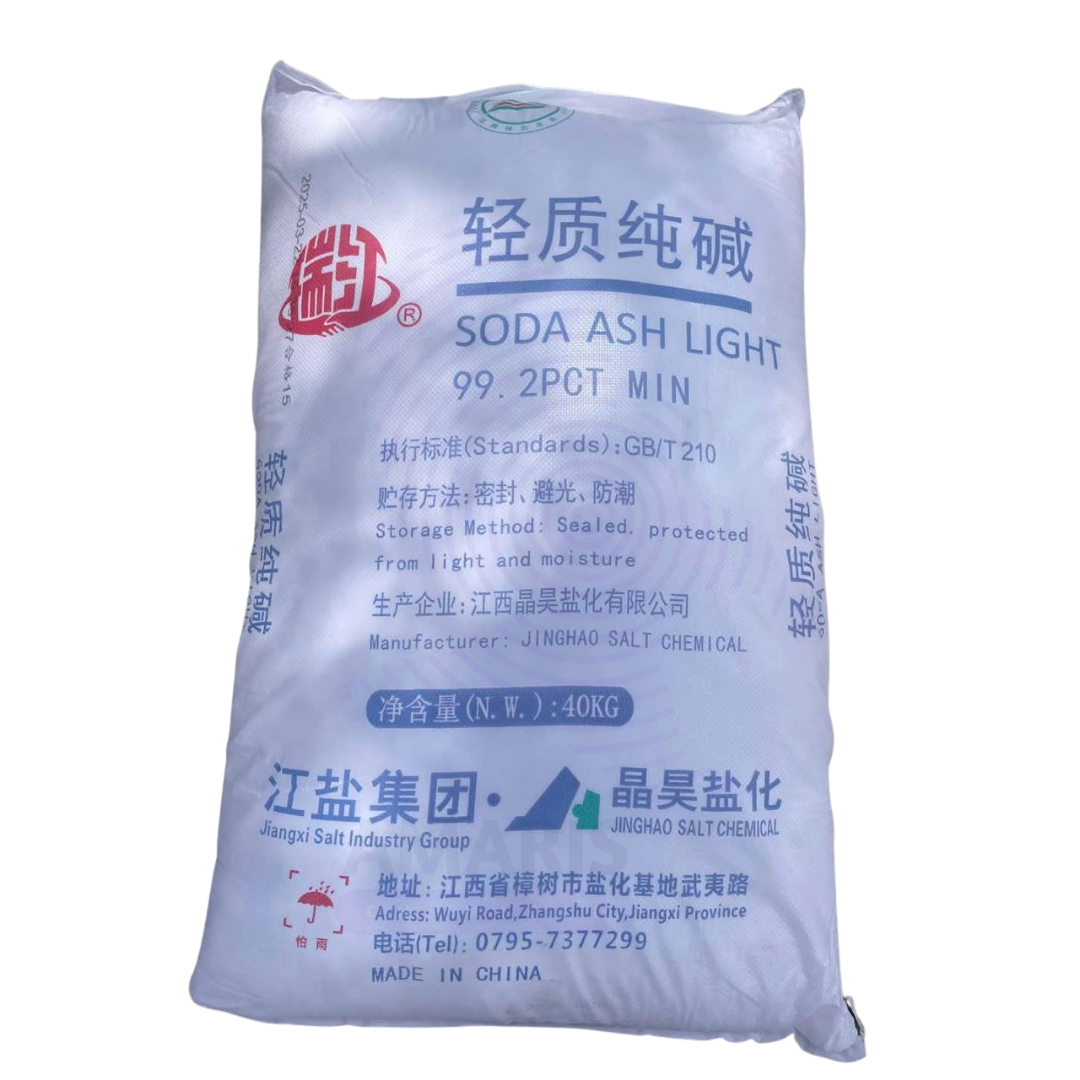
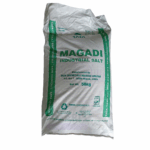

Sodium Carbonate (Magadi Soda)
Whatsapp Order
Sodium Carbonate (Magadi Soda) is an inorganic white powder with the chemical formula Na₂CO₃. It is a key industrial alkali used in glass manufacturing, water treatment, and chemical production. This light-density form is highly soluble and reacts with acids to form salts, making it essential for pH regulation and as a cleaning agent in various industrial processes.
Description
Sodium Carbonate (Magadi Soda)
Primary Uses
- Glass Manufacturing
- Lowers melting point of silica in glass production (70% of global use).
- Improves chemical durability of glass products.
- Chemical Production
- Precursor for sodium compounds (bicarbonate, silicates, phosphates).
- pH regulator in chemical synthesis processes.
- Water Treatment
- Softens hard water by precipitating calcium/magnesium ions.
- Neutralizes acidic wastewater streams.
- Detergents & Cleaners
- Key ingredient in powdered detergents and laundry boosters.
- Degreases surfaces in industrial cleaning formulations.
- Pulp & Paper
- Pulping agent in kraft process for paper production.
- pH adjuster in bleaching operations.
Secondary Uses
- Food Industry
- pH control agent in food processing (E500).
- Water softener in beverage production.
- Textile Processing
- Scouring agent for wool and cotton fibers.
- Fixes dyes to fabrics.
- Metallurgy
- Flux in smelting operations.
- Extracts tungsten from ores.
- Swimming Pools
- Raises pH and alkalinity of pool water.
- Photography
- pH buffer in developing solutions.
KEY PRODUCT FEATURES
1. Basic Identification Attributes
- Chemical Name (IUPAC): Sodium carbonate
- Common/Trade Name: Soda Ash Light, Washing Soda
- CAS Number: 497-19-8
- HS Code: 2836.20.00
- Synonyms: Disodium carbonate, Carbonic acid disodium salt
2. Physical & Chemical Properties
- Physical State: White crystalline powder
- Color & Odor: White; odorless
- Solubility: 22 g/100 mL water (20°C)
- Density: 2.54 g/cm³
- pH: 11.5 (1% solution)
3. Safety & Hazard Attributes
- GHS Classification: Skin/Eye Irritant (Category 2)
- Toxicity: LD₅₀ 4,000 mg/kg (oral, rat)
- Exposure Limits: TWA 2 mg/m³ (respirable dust)
4. Storage & Handling Attributes
- Storage Conditions: Dry, well-ventilated area
- Container Type: Poly-lined bags or fiber drums
- Shelf Life: Indefinite if kept dry
- Handling Precautions: Use dust mask and goggles
5. Regulatory & Compliance Attributes
- FDA 21 CFR 184.1742 (food-grade)
- REACH registered
- Meets FCC and USP standards
6. Environmental & Health Impact
- Biodegradability: Not applicable (inorganic)
- Ecotoxicity: LC₅₀ >100 mg/L (fish)
- Bioaccumulation: None
SAFETY HANDLING PRECAUTIONS
Safety Handling Precautions
- PPE Required: Gloves, goggles, dust respirator
- Handling Guidelines: Avoid dust generation
- Storage Measures: Separate from acids
First Aid Measures
- Inhalation: Move to fresh air
- Skin Contact: Wash with plenty of water
- Eye Contact: Rinse for 15 minutes
- Ingestion: Rinse mouth, drink water
Firefighting Measures
- Fire Hazards: Non-combustible
- Extinguishing Media: Water spray
- Hazardous Combustion Products: None
Related products
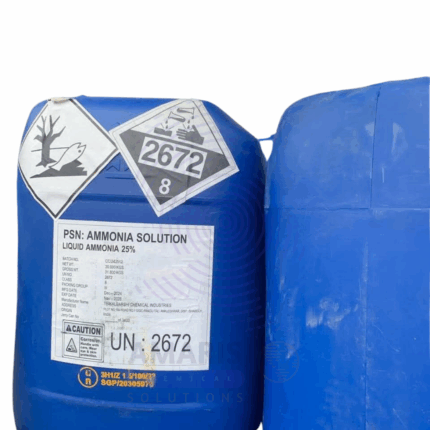
Ammonia solution
Ammonia solutions, often referred to as aqueous ammonia or ammonium hydroxide, are clear, colorless liquids consisting of ammonia gas dissolved in water. The concentration of ammonia in these solutions typically ranges from 5% to 35% by weight. Ammonia solutions possess a pungent odor characteristic of ammonia gas and are alkaline with a pH typically between 11 and 12.5. This solution is widely used across various industries due to its excellent cleaning properties, reactivity, and role as a nitrogen source.

Calcium Chloride
Calcium Chloride is an inorganic salt composed of calcium and chlorine with the chemical formula CaCl₂. It typically appears as a white crystalline solid or granular powder, highly soluble in water and exhibiting strong hygroscopic properties. Calcium Chloride is widely used for its moisture-absorbing ability, de-icing, dust control, and as a firming agent in food processing. It finds extensive applications across industrial, pharmaceutical, agricultural, and food sectors due to its efficacy in modifying physical and chemical properties of products and environments.
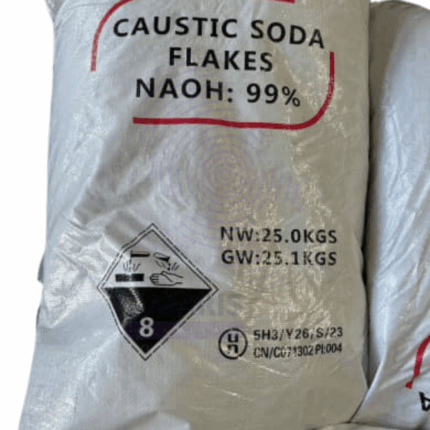
Caustic Soda Flakes (Sodium Hydroxide)
Caustic Soda Flakes, also known as Sodium Hydroxide Flakes (NaOH), are a highly alkaline, white, solid substance that is crystalline and flaky in form. Produced by evaporating aqueous sodium hydroxide solutions, these flakes are highly soluble in water and exhibit strong corrosive properties. Caustic Soda Flakes are widely used in a variety of industrial, chemical, and manufacturing processes due to their strong alkalinity, ability to saponify fats, and effectiveness in pH adjustment. Their high purity and ease of handling in flake form make them suitable for use in chemical synthesis, pulp and paper production, water treatment, and detergent manufacturing.
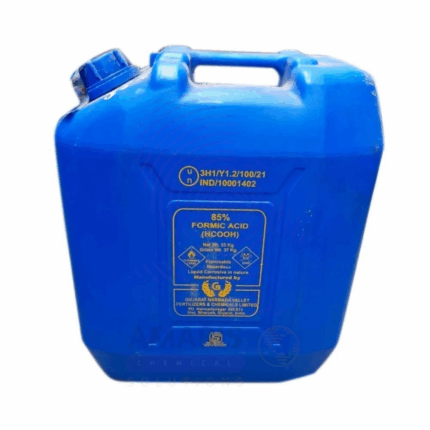
Formic Acid
Formic Acid (methanoic acid) is the simplest carboxylic acid, typically supplied as an 85% aqueous solution. It is a colorless liquid with a pungent, penetrating odor and strong acidic properties. Formic Acid naturally occurs in insect stings and plant secretions and is widely used in chemical synthesis, agriculture, textile, leather, and rubber industries. The 85% solution balances potency and safe handling for industrial applications. It serves as a preservative, antibacterial agent, and intermediate chemical in numerous manufacturing processes.
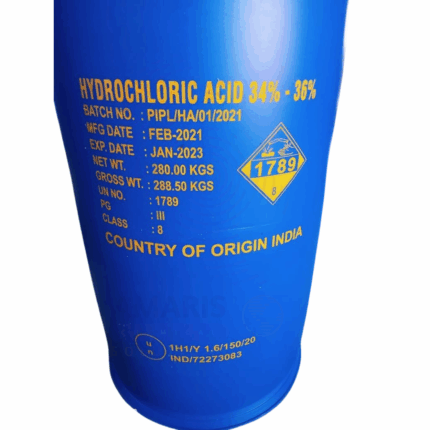
Hydrochloric Acid
Hydrochloric Acid HCL is a highly corrosive, strong mineral acid consisting of hydrogen chloride gas dissolved in water to a concentration of approximately 33% by weight. It appears as a clear, colorless to slightly yellow liquid with a sharp, pungent odor. HCl 33% is widely used in industrial, chemical, and laboratory applications due to its strong acidic properties, high reactivity, and versatility. It plays a crucial role in pH control, metal processing, chemical synthesis, and cleaning processes across numerous sectors.
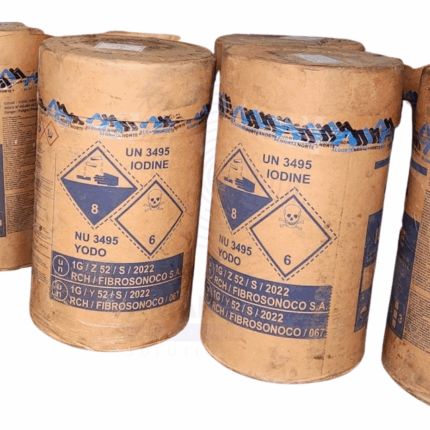
Iodine Crystals
Iodine Crystals are high-purity elemental iodine in solid crystalline form. These dark violet-black crystals have a characteristic pungent odor and sublime easily at room temperature, releasing violet iodine vapors. Iodine is a halogen element widely used for its antiseptic, oxidizing, and chemical reagent properties in pharmaceutical, industrial, and laboratory applications.
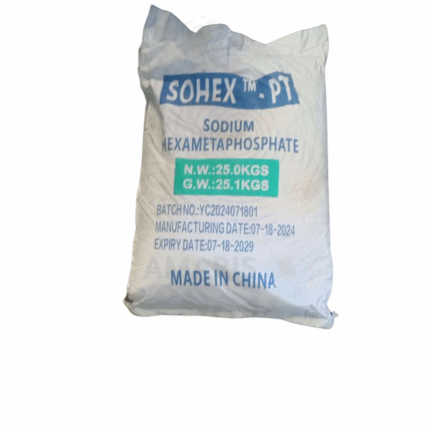
Sodium Hexametaphosphate Food Grade
Sodium Hexametaphosphate Food Grade is a white, granular or powdery inorganic compound composed of sodium and metaphosphoric acid polymers. It is highly soluble in water and acts as an effective sequestrant, dispersing agent, and water softener. SHMP is widely used across various industries including food processing, water treatment, detergents, ceramics, and metallurgy. It helps control hardness, prevent scale formation, and stabilize formulations, making it valuable in both industrial and consumer applications.
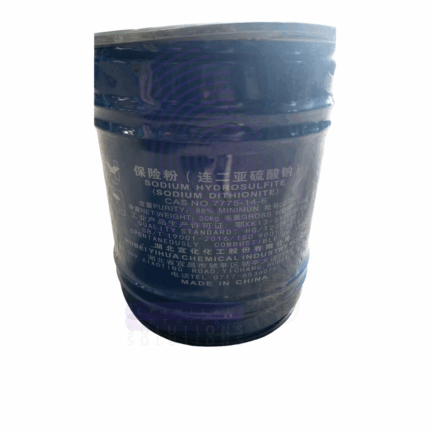
Sodium Hydrosulphite
Sodium Hydrosulphite, also known as sodium dithionite, is a white to yellowish powder with a strong reducing property. It is highly soluble in water and decomposes readily, releasing sulfur dioxide and sulfites. Widely used as a powerful reducing agent and bleaching agent, it finds applications in textile processing, paper and pulp industries, water treatment, and chemical manufacturing. Its ability to break down colored compounds makes it ideal for decolorization and cleaning processes.












