

 Preservatives(food)
 Flavor Enhancers
 Acidulants
 Sweeteners
 Antioxidants
 Colorants(food)
 Nutraceutical Ingredients (food)
 Nutrient Supplements
 Emulsifiers
 Collectors
 Dust Suppressants
 Explosives and Blasting Agents
 Flocculants and Coagulants
 Frothers
 Leaching Agents
 pH Modifiers
 Precious Metal Extraction Agents
 Antioxidants(plastic)
 Colorants (Pigments, Dyes)
 Fillers and Reinforcements
 Flame Retardants
 Monomers
 Plasticizers
 Polymerization Initiators
 Stabilizers (UV, Heat)
 Antifoaming Agents
 Chelating Agents
 Coagulants and Flocculants
 Corrosion Inhibitors
 Disinfectants and Biocides
 Oxidizing Agents
 pH Adjusters
 Scale Inhibitors( water)
 Antioxidants(cosmetic)
 Emollients
 Fragrances and Essential Oils
 Humectants
 Preservatives
 Surfactants(cosmetic)
 Thickeners
 UV Filters
 Fertilizers
 Soil Conditioners
 Plant Growth Regulators
 Animal Feed Additives
 Biostimulants
 Pesticides (Herbicides, Insecticides, Fungicides)
 Active Pharmaceutical Ingredients (APIs)
 Excipients
 Solvents(pharmaceutical)
 Antibiotics
 Antiseptics and Disinfectants
 Vaccine Adjuvants
 Nutraceutical Ingredients (pharmaceutical)
 Analgesics & Antipyretics
 Analytical Reagents
 Solvents(lab)
 Chromatography Chemicals
 Spectroscopy Reagents
 microbiology-and-cell-culture-reagents
 Molecular Biology Reagents
 Biochemical Reagents
 Inorganic and Organic Standards
 Laboratory Safety Chemicals
 Specialty Laboratory Chemicals(Special Laboratory Equipment)
 Demulsifiers
 Hydraulic Fracturing Fluids
 Scale Inhibitors(oil)
 Surfactants(oil)
 Drilling Fluids
 Dyes and Pigments
 Bleaching Agents
 Softening Agents
 Finishing Agents
 Antistatic Agents
 Admixtures
 Waterproofing Agents
 Sealants and Adhesives
 Curing Compounds
 Concrete Repair Chemicals
 Anti-Corrosion Coatings
 Surfactants(cleaning)
 Builders
 Enzymes
 Solvents (Cleaning)
 Fragrances
 Electronic Chemicals
 Catalysts
 Lubricants
 Photographic Chemicals
 Refrigerants
 Automotive chemicals
 Pyrotechnic Chemicals
 Biodegradable Surfactants
 Bio-based Solvents
 Renewable Polymers
 Carbon Capture Chemicals
 Wastewater Treatment Chemicals
 Pigments
 Solvents(paint)
 Specialty Coatings
 Binders/Resins
 Additives
 Driers
 Anti-Corrosion Agents
 Functional Coatings
 Application-Specific Coatings
 Fresh Herbs
 Ground Spices
 Whole Spices
 Spice Blends
 Dried Herbs
 Leavening Agents
 Dough Conditioners
 Flour Treatments
 Fat Replacers
 Decoratives
 Preservatives(baking)
 Plasticizers & Softeners
 Reinforcing Agents
 Adhesion Promoters
 Vulcanizing Agents
 Antidegradants
 Blowing Agents
 Fillers & Extenders
 Accelerators & Retarders
-4%
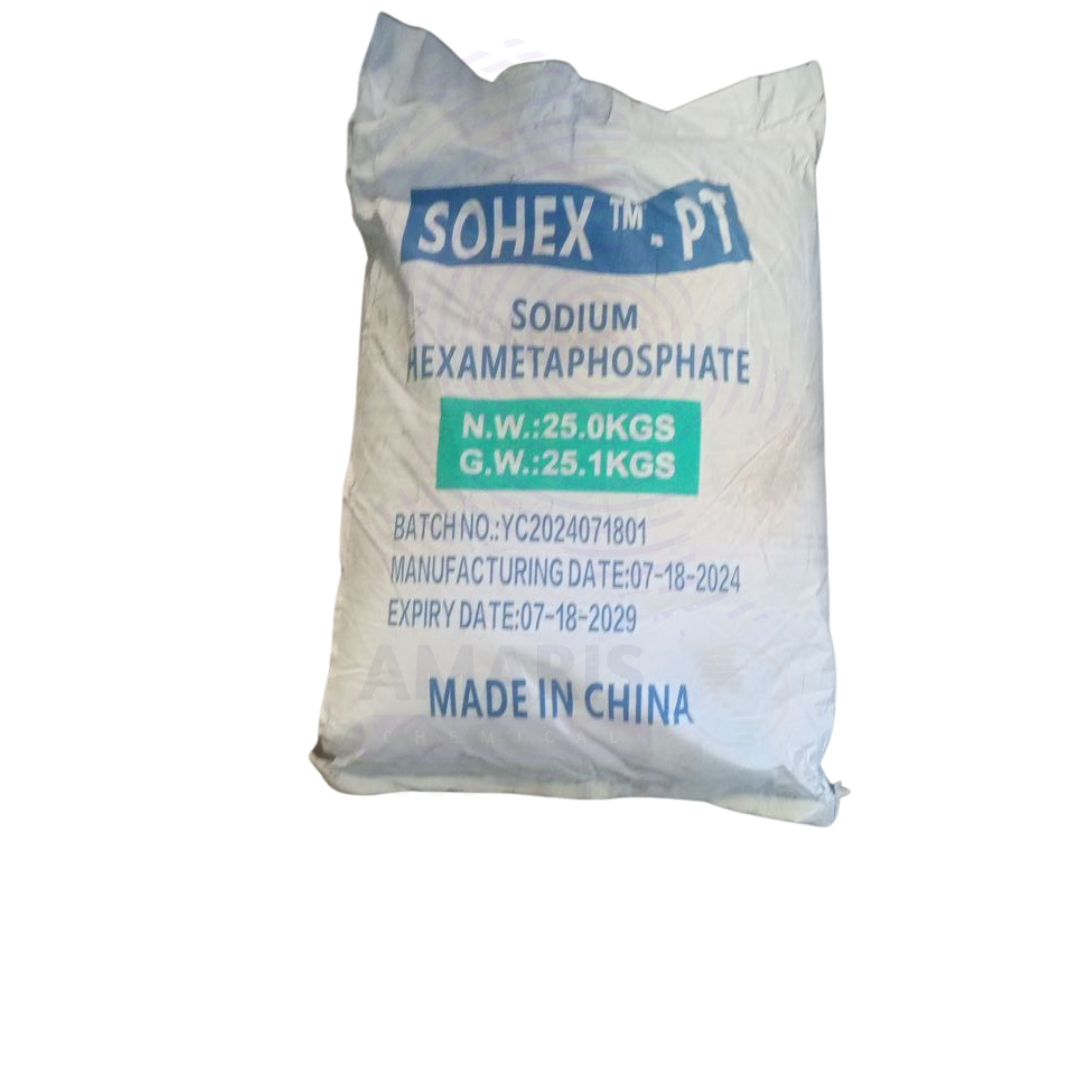


Sodium Hexametaphosphate Food Grade
Original price was: $ 2.55.$ 2.44Current price is: $ 2.44.
Whatsapp Order
Sodium Hexametaphosphate Food Grade is a white, granular or powdery inorganic compound composed of sodium and metaphosphoric acid polymers. It is highly soluble in water and acts as an effective sequestrant, dispersing agent, and water softener. SHMP is widely used across various industries including food processing, water treatment, detergents, ceramics, and metallurgy. It helps control hardness, prevent scale formation, and stabilize formulations, making it valuable in both industrial and consumer applications.
Description
Sodium Hexametaphosphate Food Grade
Primary Uses
- Water Treatment
- Acts as a sequestrant and dispersant to prevent scale and corrosion in boiler water and cooling systems.
- Used in municipal and industrial water treatment to control hardness and remove heavy metals.
- Food Industry
- Used as a food additive (E452i), functioning as an emulsifier, sequestrant, and texturizer in processed foods such as cheese, meat products, seafood, and beverages.
- Improves texture, moisture retention, and shelf life in various food products.
- Detergents and Cleaning Products
- Incorporated in detergents and cleaning agents as a water softener and dispersant to enhance cleaning efficiency by preventing mineral deposits.
- Used in both household and industrial cleaning formulations.
- Ceramics and Paints
- Used as a deflocculant and dispersing agent in ceramic slip formulations to improve flow and reduce viscosity.
- Acts as a dispersant in paints and coatings for better pigment distribution.
- Metallurgy and Metal Treatment
- Employed in metal surface treatment processes, such as cleaning and passivation, to prevent scale formation and improve metal finish.
- Used in electroplating baths to stabilize metal ions.
Secondary Uses
- Pharmaceuticals
- Used as a dispersing agent in pharmaceutical formulations and oral care products.
- Oil and Gas Industry
- Applied in drilling fluids as a dispersant and scale inhibitor.
- Textile Industry
- Utilized as a dispersing and anti-scaling agent in dyeing and finishing processes.
- Laboratory Uses
- Used in chemical analysis and as a reagent for complexometric titrations.
KEY PRODUCT FEATURES
1. Basic Identification Attributes
- Chemical Name (IUPAC): Sodium polyphosphate (primarily hexametaphosphate)
- Common/Trade Name: Sodium Hexametaphosphate (SHMP)
- CAS Number: 10124-56-8
- HS Code: 2835.39
- Synonyms: Calgon, Glassy sodium phosphate, Metaphosphate
2. Physical & Chemical Properties
- Physical State: Solid (granular or powder)
- Color & Odor: White; odorless
- Solubility: Highly soluble in water
- pH: Approximately 9-11 (1% aqueous solution)
- Density: Approx. 2.53 g/cm³
3. Safety & Hazard Attributes
- GHS Classification: Generally low hazard; may cause irritation on contact with eyes or skin
- Toxicity: Low toxicity; safe when handled properly
- Exposure Limits: Use standard industrial hygiene practices
4. Storage & Handling Attributes
- Storage Conditions: Store in a cool, dry, well-ventilated place away from moisture and incompatible materials
- Container Type: Supplied in sealed bags or drums (typically 25kg or bulk)
- Shelf Life: Stable if stored correctly
- Handling Precautions: Avoid dust formation and inhalation; use protective equipment as needed
- Storage Measures: Keep containers tightly closed and stored in a dry environment
5. Regulatory & Compliance Attributes
- Complies with food additive regulations (e.g., FDA, EU E452i) for use in food products
- Meets industrial chemical standards (REACH, OSHA)
- Manufactured under GMP and ISO quality systems
6. Environmental & Health Impact
- Biodegradability: Readily biodegradable; minimal environmental persistence
- Ecotoxicity: Low toxicity to aquatic life at typical use concentrations
- Bioaccumulation: Not expected to bioaccumulate
SAFETY HANDLING PECAUTIONS
Safety Handling Precautions
- PPE Required: Gloves, goggles, and dust mask recommended when handling powder
- Handling Guidelines: Avoid inhalation of dust; ensure good ventilation
- Storage Measures: Store away from acids and moisture to prevent hydrolysis
First Aid Measures
- Inhalation: Move to fresh air; seek medical attention if irritation occurs
- Skin Contact: Wash with soap and water; seek medical help if irritation develops
- Eye Contact: Flush immediately with water for at least 15 minutes; obtain medical attention
- Ingestion: Rinse mouth; do not induce vomiting; seek medical advice if necessary
Firefighting Measures
- Fire Hazards: Non-flammable
- Extinguishing Media: Use water spray, foam, dry chemical, or CO₂ for surrounding fires
- Special Precautions: Wear protective gear to avoid dust inhalation
- Hazardous Combustion Products: None known
Related products

Calcium Lactate Pentahydrate
Calcium Lactate Pentahydrate is a white, crystalline, odorless powder that is the calcium salt of lactic acid with five molecules of water of crystallization. It is moderately soluble in water and has a slightly alkaline pH in solution. Widely used as a calcium supplement in the pharmaceutical and food industries, it is known for its good bioavailability and safety profile. Calcium Lactate Pentahydrate is utilized to prevent and treat calcium deficiencies and plays a role in bone health, muscle function, and enzyme activity. It also finds applications as a food additive and firming agent.

Carbomer
Carbomer is a high molecular weight, crosslinked polyacrylic acid polymer used primarily as a rheology modifier, thickening agent, and suspension stabilizer. Supplied as a fluffy white powder, it exhibits high viscosity and excellent clarity when neutralized and dispersed in water or alcohol-water systems. Carbomer 940 is widely valued for its ability to form clear gels, control flow properties, and stabilize emulsions. It is commonly used in cosmetics, personal care, pharmaceuticals, and household formulations due to its consistency, compatibility, and efficient thickening performance at low concentrations.
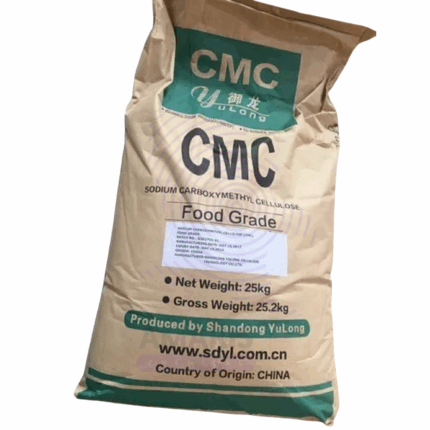
Carboxymethyl Cellulose Food Grade
Carboxymethyl Cellulose Food Grade is a water-soluble cellulose derivative produced by the etherification of cellulose with monochloroacetic acid. It appears as a fine, white to off-white powder with excellent thickening, stabilizing, and water retention properties. Designed specifically for food applications, this grade complies with food safety regulations and is widely used as a texture modifier, stabilizer, and emulsifier in a variety of processed foods. It enhances product consistency, extends shelf life, and improves moisture retention without altering taste or odor. Being non-toxic, biodegradable, and non-caloric, it is considered safe for human consumption and is approved as a food additive in many countries.
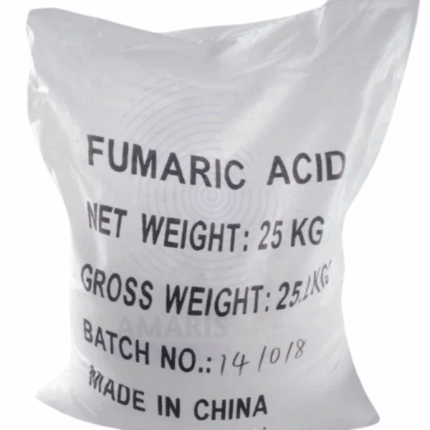
Fumaric Acid
Fumaric Acid is a naturally occurring dicarboxylic acid characterized by its white crystalline powder form and a slightly acidic taste. It is an unsaturated organic acid with the chemical formula C4H4O4 and is an intermediate in the Krebs cycle in biological systems. Fumaric Acid is commonly found in various plants and fungi and is commercially produced by isomerization of maleic acid or by fermentation. It is widely used in the food, pharmaceutical, chemical, and polymer industries due to its acidulant, antioxidant, and crosslinking properties.
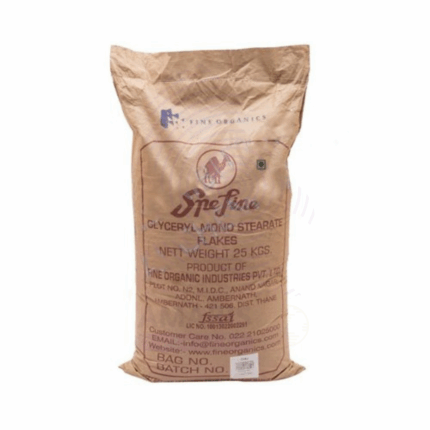
Glycerol Monostearate Flakes
Glycerol Monostearate Flakes is a white to off-white waxy flake form emulsifier composed of 40% monoglycerides of fatty acids, primarily stearic and palmitic acids, combined with other glycerides and esters. Derived mainly from vegetable oils, this food-grade emulsifier is widely utilized in food, cosmetic, pharmaceutical, and industrial sectors for its multifunctional properties. GMS 40% flakes serve as effective emulsifiers, stabilizers, anti-caking agents, and texture enhancers, with excellent compatibility and versatility in formulations requiring semi-solid or solid fats.

Guar Gum
Guar Gum is a natural polysaccharide extracted from the endosperm of the guar bean (Cyamopsis tetragonoloba). It appears as an off-white to cream-colored powder with a neutral odor and bland taste. Guar Gum is a galactomannan composed mainly of mannose and galactose units, known for its excellent water-binding, thickening, and stabilizing properties. It forms highly viscous solutions even at low concentrations, making it a versatile hydrocolloid used widely across food, pharmaceutical, cosmetic, oilfield, and industrial applications.
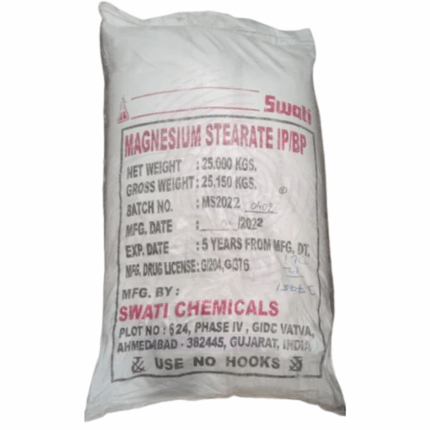
Magnesium Stearate BP
Magnesium Stearate BP is a fine, white, hydrophobic powder composed of the magnesium salt of stearic acid. It is widely used in the pharmaceutical industry as a lubricant and anti-adherent in tablet and capsule manufacturing. Due to its excellent flow-enhancing properties, Magnesium Stearate BP improves powder flowability and prevents ingredients from sticking to equipment during processing. It is also used in cosmetics, food, and various industrial applications for its emulsifying and stabilizing properties.

Maninitol BP
Maninitol BP is a white, crystalline, sugar alcohol derived from mannose, widely used in pharmaceutical, food, and cosmetic industries. It functions as a sweetener, humectant, and excipient. Mannitol BP is non-hygroscopic and has low sweetness compared to sucrose, making it ideal for sugar-free formulations. It is commonly employed in tablet manufacturing as a filler and binder, and in medical settings as an osmotic diuretic to reduce intracranial pressure. The British Pharmacopoeia (BP) grade ensures compliance with pharmacopeial standards for purity and quality.












