

 Preservatives(food)
 Flavor Enhancers
 Acidulants
 Sweeteners
 Antioxidants
 Colorants(food)
 Nutraceutical Ingredients (food)
 Nutrient Supplements
 Emulsifiers
 Collectors
 Dust Suppressants
 Explosives and Blasting Agents
 Flocculants and Coagulants
 Frothers
 Leaching Agents
 pH Modifiers
 Precious Metal Extraction Agents
 Antioxidants(plastic)
 Colorants (Pigments, Dyes)
 Fillers and Reinforcements
 Flame Retardants
 Monomers
 Plasticizers
 Polymerization Initiators
 Stabilizers (UV, Heat)
 Antifoaming Agents
 Chelating Agents
 Coagulants and Flocculants
 Corrosion Inhibitors
 Disinfectants and Biocides
 Oxidizing Agents
 pH Adjusters
 Scale Inhibitors( water)
 Antioxidants(cosmetic)
 Emollients
 Fragrances and Essential Oils
 Humectants
 Preservatives
 Surfactants(cosmetic)
 Thickeners
 UV Filters
 Fertilizers
 Soil Conditioners
 Plant Growth Regulators
 Animal Feed Additives
 Biostimulants
 Pesticides (Herbicides, Insecticides, Fungicides)
 Active Pharmaceutical Ingredients (APIs)
 Excipients
 Solvents(pharmaceutical)
 Antibiotics
 Antiseptics and Disinfectants
 Vaccine Adjuvants
 Nutraceutical Ingredients (pharmaceutical)
 Analgesics & Antipyretics
 Analytical Reagents
 Solvents(lab)
 Chromatography Chemicals
 Spectroscopy Reagents
 microbiology-and-cell-culture-reagents
 Molecular Biology Reagents
 Biochemical Reagents
 Inorganic and Organic Standards
 Laboratory Safety Chemicals
 Specialty Laboratory Chemicals(Special Laboratory Equipment)
 Demulsifiers
 Hydraulic Fracturing Fluids
 Scale Inhibitors(oil)
 Surfactants(oil)
 Drilling Fluids
 Dyes and Pigments
 Bleaching Agents
 Softening Agents
 Finishing Agents
 Antistatic Agents
 Admixtures
 Waterproofing Agents
 Sealants and Adhesives
 Curing Compounds
 Concrete Repair Chemicals
 Anti-Corrosion Coatings
 Surfactants(cleaning)
 Builders
 Enzymes
 Solvents (Cleaning)
 Fragrances
 Electronic Chemicals
 Catalysts
 Lubricants
 Photographic Chemicals
 Refrigerants
 Automotive chemicals
 Pyrotechnic Chemicals
 Biodegradable Surfactants
 Bio-based Solvents
 Renewable Polymers
 Carbon Capture Chemicals
 Wastewater Treatment Chemicals
 Pigments
 Solvents(paint)
 Specialty Coatings
 Binders/Resins
 Additives
 Driers
 Anti-Corrosion Agents
 Functional Coatings
 Application-Specific Coatings
 Leavening Agents
 Dough Conditioners
 Flour Treatments
 Fat Replacers
 Decoratives
 Preservatives(baking)
 Plasticizers & Softeners
 Reinforcing Agents
 Adhesion Promoters
 Vulcanizing Agents
 Antidegradants
 Blowing Agents
 Fillers & Extenders
 Accelerators & Retarders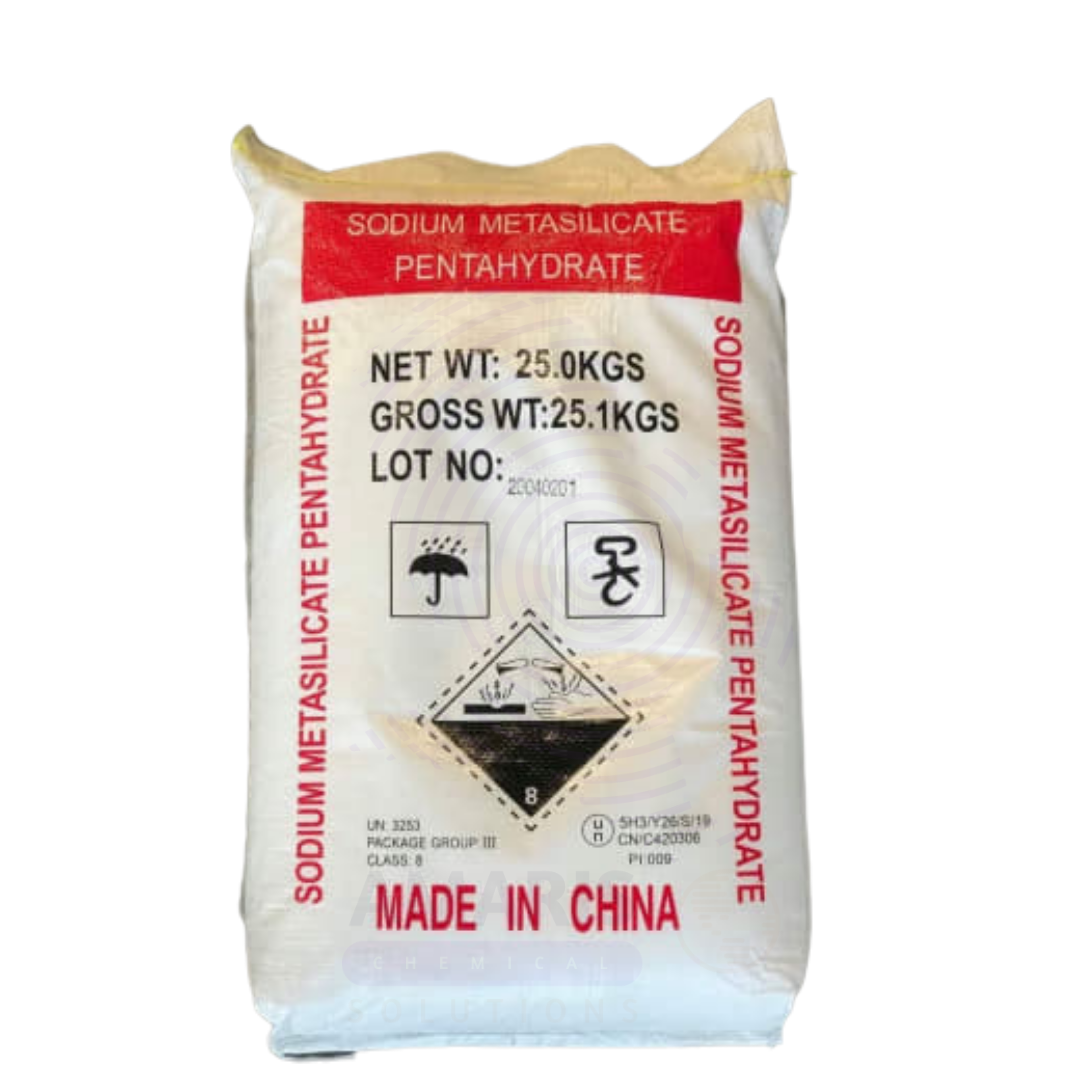

Sodium Metasilicate Pentahydrate
Original price was: $ 2.11.$ 2.01Current price is: $ 2.01.
Sodium Metasilicate Pentahydrate is a white crystalline solid containing five molecules of water of crystallization. It is widely used for its alkaline and detergent properties, making it effective in cleaning, water treatment, and as a corrosion inhibitor. The pentahydrate form is commonly preferred in detergent and industrial applications where controlled moisture content is beneficial. It dissolves readily in water, forming strongly alkaline solutions useful in various industries.
Sodium Metasilicate Pentahydrate
Primary Uses
- Detergents & Cleaning Agents
- Functions as a builder and alkalinity source in laundry detergents, dishwashing powders, and industrial cleaners.
- Used in heavy-duty degreasing formulations for industrial and automotive cleaning.
- Water Treatment
- Acts to soften water and adjust pH in municipal and industrial water treatment processes.
- Metal Treatment & Corrosion Control
- Employed as a corrosion inhibitor and metal surface cleaner in plating and finishing operations.
- Ceramics and Cement Industry
- Serves as a binder and fluxing agent in ceramics, cement, and refractory products.
- Pulp & Paper Industry
- Used in pulping and paper bleaching to remove lignin and impurities, improving paper quality.
Secondary Uses
- Textile Industry
- Utilized in textile scouring and bleaching processes.
- Paints and Coatings
- Added to improve adhesion and durability of paints and coatings.
- Adhesives & Sealants
- Used as an additive to improve bonding strength and stability.
1. Basic Identification Attributes
- Chemical Name (IUPAC): Sodium metasilicate pentahydrate
- Common/Trade Name: Sodium Metasilicate Pentahydrate
- CAS Number: 10213-79-3
- HS Code: 2839.39
- Synonyms: Sodium silicate pentahydrate, Water glass pentahydrate
2. Physical & Chemical Properties
- Physical State: Solid (crystalline powder)
- Color & Odor: White, odorless
- Solubility: Highly soluble in water, forming alkaline solutions
- pH (1% solution): ~12-13
- Density: Approx. 1.6 g/cm³
3. Safety & Hazard Attributes
- GHS Classification: Corrosive (causes severe skin burns and eye damage)
- Toxicity: Harmful if swallowed; causes severe irritation and burns
- Exposure Limits: Observe occupational exposure limits for alkaline dust and solutions
4. Storage & Handling Attributes
- Storage Conditions: Store in a cool, dry, well-ventilated area, protected from moisture and incompatible substances such as acids
- Container Type: Typically supplied in sealed moisture-resistant bags or drums
- Shelf Life: Stable for up to 2 years if stored properly
- Handling Precautions: Use protective gloves, goggles, and dust masks; avoid dust generation
5. Regulatory & Compliance Attributes
- Complies with major international industrial chemical regulations (e.g., REACH, TSCA, OSHA)
- Registered under global chemical inventories such as EINECS and DSL
- Adheres to workplace safety and handling standards for corrosive substances
- Meets environmental and health safety standards for water treatment and detergent applications
- Approved for use in regulated industrial processes including cleaning, water treatment, and ceramics manufacturing
- May be subject to labeling and documentation under GHS and CLP for transportation and handling
6. Environmental & Health Impact
- Biodegradability: Inorganic; not biodegradable but does not bioaccumulate
- Ecotoxicity: Can be harmful to aquatic life if released in large amounts
- Safety: Requires careful handling to prevent environmental contamination and human exposure
Safety Handling Precautions
- PPE Required: Protective gloves, safety goggles, face shield, and dust respirator
- Handling Guidelines: Avoid inhalation of dust; use in well-ventilated areas
- Storage Measures: Keep containers tightly sealed and stored in a dry environment away from acids
First Aid Measures
- Inhalation: Move to fresh air and seek medical attention if irritation develops
- Skin Contact: Rinse immediately with plenty of water; seek medical attention if burns occur
- Eye Contact: Flush eyes with water for at least 15 minutes; get urgent medical care
- Ingestion: Do not induce vomiting; rinse mouth and seek immediate medical help
Firefighting Measures
- Fire Hazards: Non-flammable but may release toxic fumes on decomposition
- Extinguishing Media: Use water spray, foam, dry chemical, or CO₂ for surrounding fires
- Special Precautions: Wear full protective equipment and breathing apparatus
- Hazardous Combustion Products: May emit silica fumes and sodium oxides
Related products
Borax Decahydrate
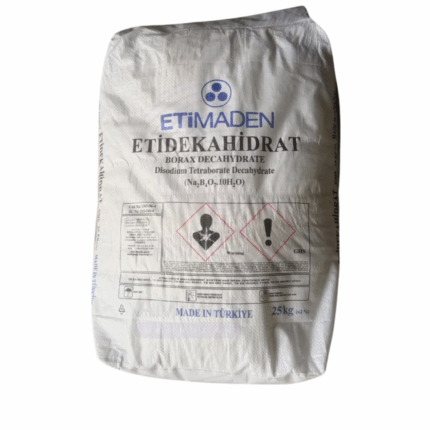
Borax Decahydrate, also known as sodium tetraborate decahydrate, is a naturally occurring mineral and an important inorganic compound. It appears as colorless or white crystalline granules or powder with a salty, alkaline taste. This compound is widely used in detergents, cosmetics, glass manufacturing, agriculture, and various industrial applications due to its excellent buffering, emulsifying, and antiseptic properties. The “decahydrate” indicates that each molecule of borax contains ten water molecules bound in its crystal structure, contributing to its crystalline appearance and physical properties.
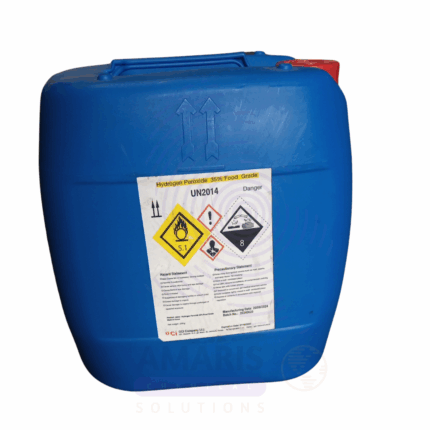

Hydrogen Peroxide Food Grade
Hydrogen Peroxide Food Grade is a highly concentrated aqueous solution of hydrogen peroxide (H₂O₂), formulated specifically for use in food processing and related applications. It appears as a clear, colorless liquid with a slightly sharp, acrid odor. Renowned for its powerful oxidizing and bleaching properties, hydrogen peroxide is a strong antimicrobial agent and environmentally friendly disinfectant that decomposes into water and oxygen, leaving no harmful residues. The food-grade designation ensures compliance with strict purity standards, making it suitable for direct and indirect food contact uses, including sterilization, sanitation, and preservation.
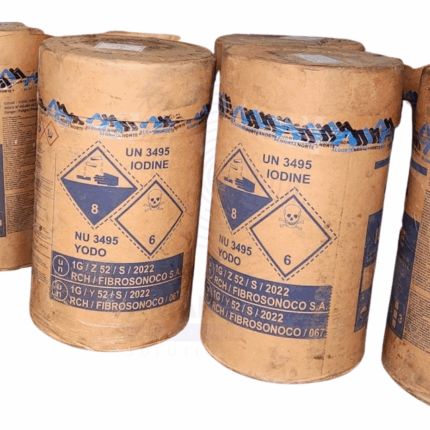
Iodine Crystals
Iodine Crystals are high-purity elemental iodine in solid crystalline form. These dark violet-black crystals have a characteristic pungent odor and sublime easily at room temperature, releasing violet iodine vapors. Iodine is a halogen element widely used for its antiseptic, oxidizing, and chemical reagent properties in pharmaceutical, industrial, and laboratory applications.
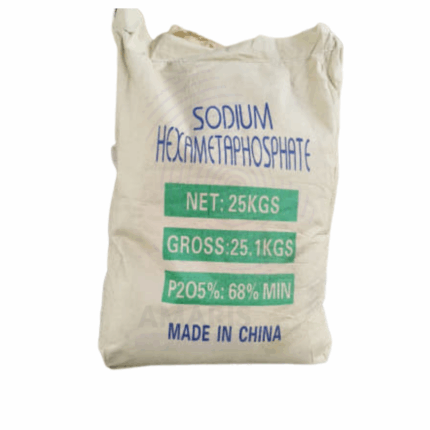
Sodium Hexametaphosphate
Sodium Hexametaphosphate (SHMP) is a high-efficiency sequestrant and dispersing agent widely used across industrial applications. It appears as a white, odorless powder or granule, highly soluble in water, and is valued for its ability to chelate metal ions, soften water, and disperse solids. Its role in preventing scale formation and stabilizing chemical formulations makes it a key ingredient in water treatment, cleaning agents, and textile processing. It is the primary active ingredient in many commercial and industrial water treatment formulations, most notably as the original key component in the Calgon® brand of water softeners and scale inhibitors. While modern "Calgon" products may contain blended formulations, the term has become a common genericized reference for polyphosphate-based scale prevention, rooted in this chemical's function.
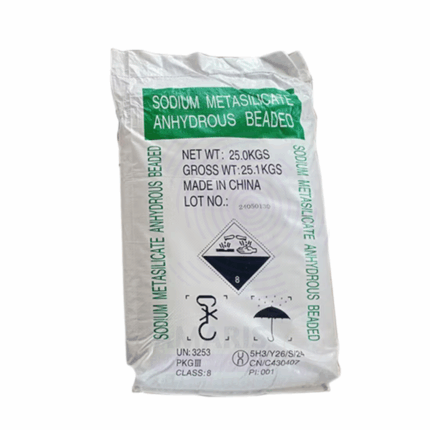
Sodium Metasilicate Anhydrous
Sodium Metasilicate Anhydrous is a white crystalline solid known for its alkaline properties and high solubility in water. It is widely used in industrial cleaning, detergent formulations, water treatment, and as a corrosion inhibitor. The anhydrous form is preferred where moisture sensitivity is a concern. It acts as a strong alkaline builder, improving the effectiveness of detergents and degreasers. This product is also used in adhesives, cement, and ceramics due to its binding and strengthening properties.
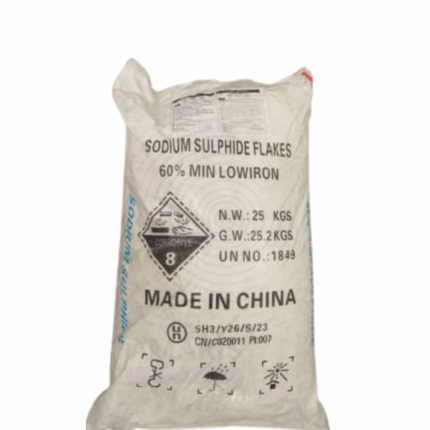
Sodium Sulphide
Sodium Sulphide (Na₂S) is a yellow to red-yellow crystalline solid or powder with a characteristic odor of hydrogen sulfide. It is highly soluble in water, forming strongly alkaline solutions. This 25kg packaged product is widely used in the chemical, leather, pulp and paper, and textile industries as a reducing agent, sulfur donor, and in flotation processes. Due to its strong reducing properties and reactivity, it must be handled with care under proper safety measures.
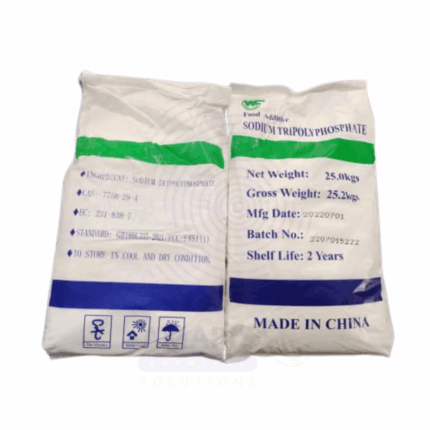
Sodium Tripolyphosphate
Sodium Tripolyphosphate (STPP), chemical formula Na₅P₃O₁₀, is a white, granular or powdery inorganic compound widely used as a sequestrant, dispersant, and detergent builder. This 25kg packaged product is highly soluble in water, forming alkaline solutions that effectively soften water by chelating calcium and magnesium ions. Its excellent emulsifying and dispersing properties make it an essential ingredient in detergents, water treatment, food processing, and industrial cleaning applications.
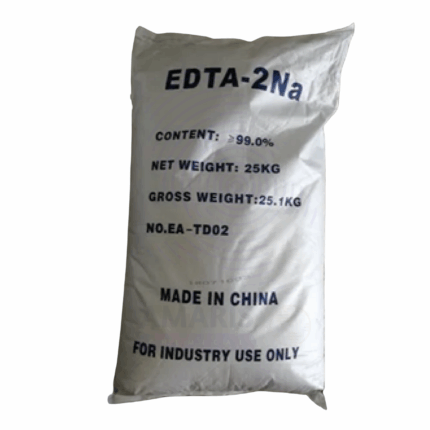
Trilium (EDTA)
Trilium EDTA is a high-purity, versatile chelating agent known chemically as ethylenediaminetetraacetic acid (EDTA) or its trisodium salt form. It is widely used across industries to bind and sequester metal ions, improving product stability and performance. Trilium EDTA effectively prevents metal ion contamination, controls hardness in water, enhances cleaning efficiency, and stabilizes formulations in pharmaceuticals, cosmetics, agriculture, and industrial applications. Its strong chelating properties make it an essential ingredient for complexation and metal ion control.












