

 Preservatives(food)
 Flavor Enhancers
 Acidulants
 Sweeteners
 Antioxidants
 Colorants(food)
 Nutraceutical Ingredients (food)
 Nutrient Supplements
 Emulsifiers
 Collectors
 Dust Suppressants
 Explosives and Blasting Agents
 Flocculants and Coagulants
 Frothers
 Leaching Agents
 pH Modifiers
 Precious Metal Extraction Agents
 Antioxidants(plastic)
 Colorants (Pigments, Dyes)
 Fillers and Reinforcements
 Flame Retardants
 Monomers
 Plasticizers
 Polymerization Initiators
 Stabilizers (UV, Heat)
 Antifoaming Agents
 Chelating Agents
 Coagulants and Flocculants
 Corrosion Inhibitors
 Disinfectants and Biocides
 Oxidizing Agents
 pH Adjusters
 Scale Inhibitors( water)
 Antioxidants(cosmetic)
 Emollients
 Fragrances and Essential Oils
 Humectants
 Preservatives
 Surfactants(cosmetic)
 Thickeners
 UV Filters
 Fertilizers
 Soil Conditioners
 Plant Growth Regulators
 Animal Feed Additives
 Biostimulants
 Pesticides (Herbicides, Insecticides, Fungicides)
 Active Pharmaceutical Ingredients (APIs)
 Excipients
 Solvents(pharmaceutical)
 Antibiotics
 Antiseptics and Disinfectants
 Vaccine Adjuvants
 Nutraceutical Ingredients (pharmaceutical)
 Analgesics & Antipyretics
 Analytical Reagents
 Solvents(lab)
 Chromatography Chemicals
 Spectroscopy Reagents
 microbiology-and-cell-culture-reagents
 Molecular Biology Reagents
 Biochemical Reagents
 Inorganic and Organic Standards
 Laboratory Safety Chemicals
 Specialty Laboratory Chemicals(Special Laboratory Equipment)
 Demulsifiers
 Hydraulic Fracturing Fluids
 Scale Inhibitors(oil)
 Surfactants(oil)
 Drilling Fluids
 Dyes and Pigments
 Bleaching Agents
 Softening Agents
 Finishing Agents
 Antistatic Agents
 Admixtures
 Waterproofing Agents
 Sealants and Adhesives
 Curing Compounds
 Concrete Repair Chemicals
 Anti-Corrosion Coatings
 Surfactants(cleaning)
 Builders
 Enzymes
 Solvents (Cleaning)
 Fragrances
 Electronic Chemicals
 Catalysts
 Lubricants
 Photographic Chemicals
 Refrigerants
 Automotive chemicals
 Pyrotechnic Chemicals
 Biodegradable Surfactants
 Bio-based Solvents
 Renewable Polymers
 Carbon Capture Chemicals
 Wastewater Treatment Chemicals
 Pigments
 Solvents(paint)
 Specialty Coatings
 Binders/Resins
 Additives
 Driers
 Anti-Corrosion Agents
 Functional Coatings
 Application-Specific Coatings
 Leavening Agents
 Dough Conditioners
 Flour Treatments
 Fat Replacers
 Decoratives
 Preservatives(baking)
 Plasticizers & Softeners
 Reinforcing Agents
 Adhesion Promoters
 Vulcanizing Agents
 Antidegradants
 Blowing Agents
 Fillers & Extenders
 Accelerators & Retarders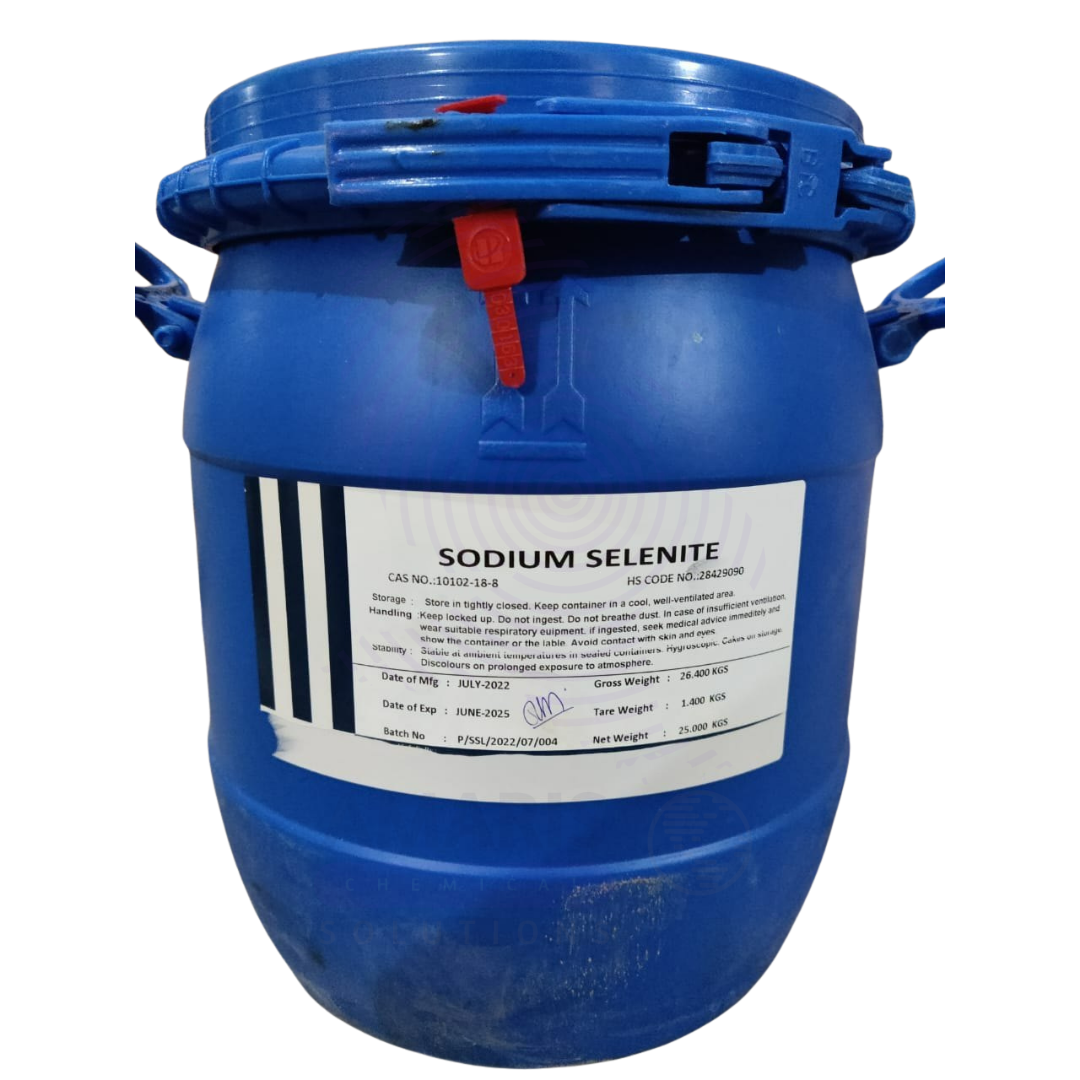



Sodium Selenite
Sodium Selenite is an inorganic selenium compound with the formula Na₂SeO₃. In its commercial 45% concentration, it is typically supplied as a colorless to slightly yellow aqueous solution or as a crystalline solid with 45% selenium content. It is primarily used as a micronutrient additive in animal nutrition, a reagent in the pharmaceutical and glass industries, and in various research applications. Highly bioavailable, it serves as a key selenium source where controlled selenium supplementation is critical. This 25kg product offers precise dosing, stability, and ease of handling in industrial and agricultural settings.
Sodium Selenite
Primary Uses
- Animal Nutrition
- Feed Additive for Livestock: Provides essential selenium in poultry, swine, and cattle feed formulations.
- Pet Food Fortification: Supplies trace selenium in dog and cat food.
- Aquaculture Feed: Maintains optimal selenium levels in fish and shrimp diets.
- Premix Manufacturing: Used in vitamin-mineral premixes for commercial feed production.
- Pharmaceutical & Nutraceutical Industry
- Dietary Supplements: Source of selenium in tablets, capsules, and liquid formulations.
- Parenteral Nutrition: Occasionally used in injectable selenium preparations under medical supervision.
- Topical Formulations (Antifungal/Skin health): Included in certain dermatological preparations for its antimicrobial properties.
- Glass & Ceramics Industry
- Glass Manufacturing: Acts as a decolorizing agent to neutralize green tints caused by iron.
- Red-Colored Glass Production: Imparts pink or red coloration in specialty glass and enamels.
- Chemical & Industrial Applications
- Metal Alloy Additive: Used in specialty steels and brasses for improved machinability.
- Electronics & Semiconductors: Occasionally used in selenium-containing compounds for photovoltaic or rectifier applications.
- Pigments & Dyes: Trace amounts used in certain inorganic pigment formulations.
Secondary Uses
- Water Treatment & Environmental Applications
- Nutrient Additive in Bioremediation: Supports microbial activity in selenium-deficient remediation environments.
- Trace Element Balancing in Hydroponics: Occasionally used to supplement selenium in nutrient solutions.
- Laboratory & Research
- Cell Culture & Biotech Research: Essential trace element in media for mammalian and microbial cultures.
- Analytical Chemistry Reagent: Employed in certain redox titrations or as a selenium standard.
- Toxicology & Nutrition Studies: Used in controlled studies on selenium metabolism and deficiency.
- Agriculture (Plant Nutrition)
- Soil Fertilizer (Micro-dose Application): In selenium-deficient regions, applied in trace amounts to increase plant selenium uptake.
- Foliar Application (Very limited): Applied in diluted form to crops to enrich selenium content for human/animal consumption.
- Veterinary & Animal Health
- Injectable Selenium-Vitamin E Therapy: Used under veterinary supervision for selenium-responsive disorders (e.g., white muscle disease).
- Mineral Licks & Blocks: Incorporated into solid supplements for grazing animals.
1. Basic Identification Attributes
- Chemical Name (IUPAC): Disodium selenite
- Common/Trade Name: Sodium Selenite
- CAS Number: 10102-18-8
- HS Code: 2842.90.00
- Synonyms: Disodium selenite, Sodium salt of selenious acid
2. Physical & Chemical Properties
- Physical State: Typically an aqueous solution or crystalline powder
- Color & Odor: Colorless to pale yellow; odorless
- Concentration: 45% active Sodium Selenite by weight (in solution)
- Solubility: Freely soluble in water
- Density (solution): ~1.45–1.50 g/cm³
- pH (solution): 8.0–9.5
- Molecular Weight: 172.94 g/mol (anhydrous Na₂SeO₃)
3. Safety & Hazard Attributes
- GHS Classification: Acute Toxicity Oral (Category 2), Aquatic Acute (Category 1), Aquatic Chronic (Category 1)
- Toxicity: LD₅₀ (oral, rat) ≈ 3.9 mg/kg
- Exposure Limits: OSHA PEL: 0.2 mg Se/m³ (as selenium)
- Carcinogenicity: Not classifiable (IARC Group 3); regulated due to narrow margin between essentiality and toxicity
4. Storage & Handling Attributes
- Storage Conditions: Store in a cool, dry, well-ventilated area; keep container tightly closed
- Container Type: 25kg HDPE drums, IBCs, or lined steel drums for bulk liquid
- Shelf Life: 12–24 months under recommended conditions
- Handling Precautions: Avoid skin and eye contact; minimize aerosol or mist formation
5. Regulatory & Compliance Attributes
- REACH Registered
- Complies with:
- EU Feed Additive Register (EC No. 1831/2003)
- US FDA regulations (21 CFR 573.920 – Selenium in animal feeds)
- USP Grade Available (for pharma/nutraceutical use)
- UN Number: Not classified as a dangerous good for transport in solution
- TSCA Listed
6. Environmental & Health Impact
- Biodegradability: Inorganic compound; not biodegradable
- Ecotoxicity: Highly toxic to aquatic life
- Bioaccumulation: Potential in aquatic organisms; requires controlled disposal
- Soil Impact: Persistent in soil if not managed; risk of phytotoxicity at high concentrations
Safety Handling Precautions
- PPE Required: Chemical-resistant gloves, safety goggles, lab coat, and dust or mist mask (as applicable)
- Handling Guidelines: Use only in well-ventilated areas; avoid spills into environment
- Storage Measures: Keep away from strong acids, oxidizers, and incompatible metals
First Aid Measures
- Inhalation: Move to fresh air immediately; seek medical attention if symptoms occur
- Skin Contact: Rinse with water and remove contaminated clothing
- Eye Contact: Flush eyes with water for at least 15 minutes; seek medical advice
- Ingestion: Rinse mouth; do NOT induce vomiting; seek urgent medical attention
Firefighting Measures
- Fire Hazards: Not flammable; may decompose at high temperatures producing toxic selenium fumes
- Extinguishing Media: Water spray, CO₂, dry chemical
- Hazardous Combustion Products: Selenium oxides, toxic fumes
Related products
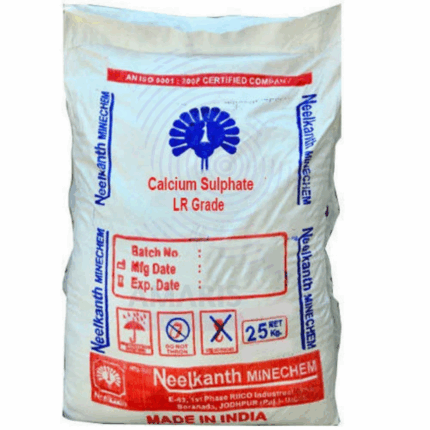
Calcium Sulphate
Calcium Sulphate is an inorganic compound composed of calcium, sulfur, and oxygen, commonly found in two forms: dihydrate (gypsum, CaSO4·2H2O) and anhydrous (CaSO4). It appears as a white or off-white crystalline powder or granules with low solubility in water. Calcium Sulphate is widely used in construction, agriculture, pharmaceuticals, food industry, and various industrial applications. It acts as a filler, hardening agent, and drying agent due to its physical and chemical properties. The dihydrate form (gypsum) is notable for use in plaster and cement, while the anhydrous form is often used as a drying agent and in refractory materials.
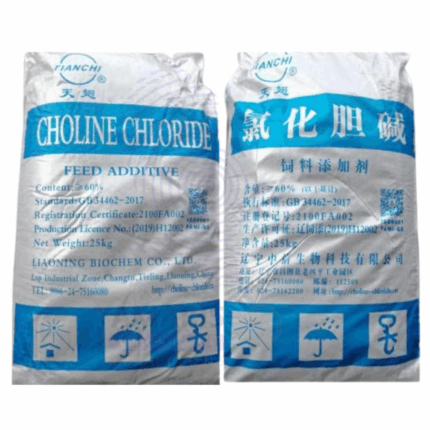
Choline Chloride Powder
Choline Chloride Powder is a white to off-white crystalline powder containing 60% choline chloride, a quaternary ammonium salt essential as a nutrient in animal and poultry feed. It serves as a vital source of choline, an important component in fat metabolism, liver function, and cell membrane integrity. Produced through chemical synthesis, this powder form is highly soluble in water, making it easy to incorporate into feed premixes and supplements. Choline chloride is widely used in the agriculture industry to prevent choline deficiency, enhance growth performance, and improve overall health in livestock. Beyond animal nutrition, it finds applications in chemical manufacturing and pharmaceuticals.
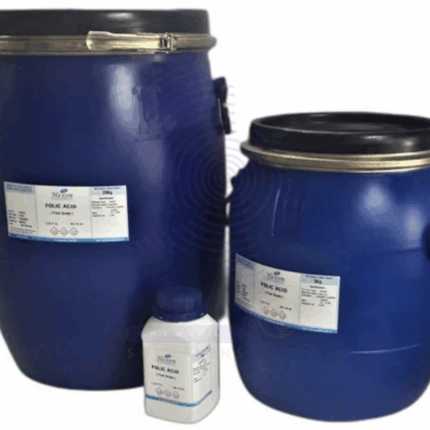
Folic Acid
Folic Acid, also known as Vitamin B9 or pteroylmonoglutamic acid, is a water-soluble vitamin essential for numerous physiological processes including DNA synthesis, repair, and methylation, as well as amino acid metabolism. It appears as a yellow to orange-yellow crystalline powder, odorless or with a faint characteristic odor. Folic Acid is vital for cell division and growth, making it critical during pregnancy and periods of rapid growth. It is widely used in the pharmaceutical, nutraceutical, food fortification, and cosmetic industries due to its role in preventing folate deficiency anemia, neural tube defects in newborns, and supporting overall cellular health.
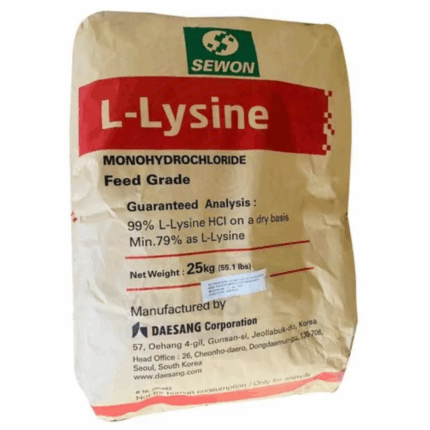
L-Lysine HCL Feed Grade
L-Lysine HCL Feed Grade is a highly pure form of the essential amino acid lysine combined with hydrochloric acid to improve its stability and solubility. It appears as a white crystalline powder and is widely used as a dietary supplement in animal feed to enhance growth, improve feed efficiency, and balance amino acid profiles. L-Lysine HCL is critical in poultry, swine, and aquaculture nutrition, helping to meet animals’ lysine requirements for protein synthesis and overall health.
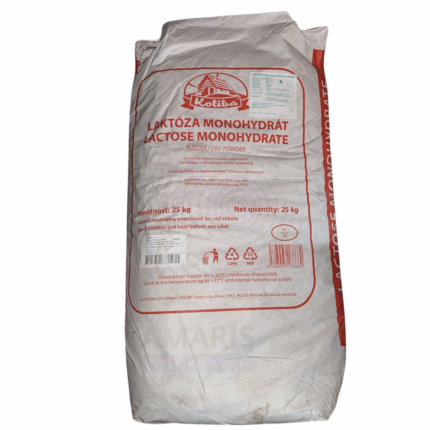
Lactose Monohydrate 200 Mesh
Lactose Monohydrate 200 Mesh is a fine, white, crystalline powder derived from milk sugar with a particle size of 200 mesh, indicating very fine granules. It is widely used in pharmaceutical, food, and confectionery industries as a filler, binder, and stabilizer. Lactose Monohydrate is valued for its excellent compressibility, low hygroscopicity, and compatibility with many active pharmaceutical ingredients (APIs). The monohydrate form contains one molecule of water, enhancing its stability and flow properties.

Magnesium Sulphate (Epsom Salt)
Magnesium Sulphate Epsom Salt, commonly known as Epsom Salt, is an inorganic salt composed of magnesium, sulfur, and oxygen with the formula MgSO₄. It typically appears as colorless or white crystalline granules and is highly soluble in water. In its heptahydrate form (MgSO₄·7H₂O), it is widely used in agriculture, pharmaceuticals, food, and industrial applications. Epsom Salt is valued for its muscle relaxant, laxative, and magnesium supplementation properties, as well as for its role in improving soil fertility and plant growth.
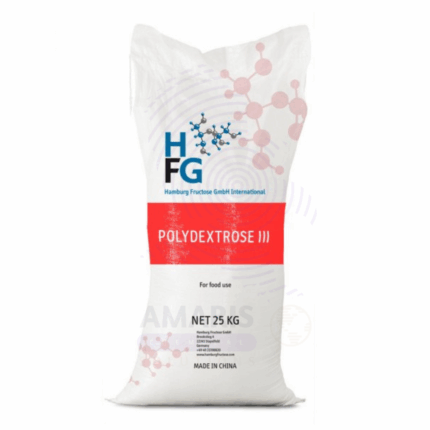
Polydextrose
Polydextrose is a synthetic, highly branched polymer of glucose used primarily as a soluble dietary fiber, bulking agent, and low-calorie sweetener. It is produced through the polycondensation of dextrose with sorbitol and citric acid. Polydextrose offers numerous health and functional benefits, such as improving texture, replacing sugar or fat, and supporting digestive health. It is extensively used in food, beverages, pharmaceuticals, and nutraceuticals for its fiber enrichment properties and technological versatility.
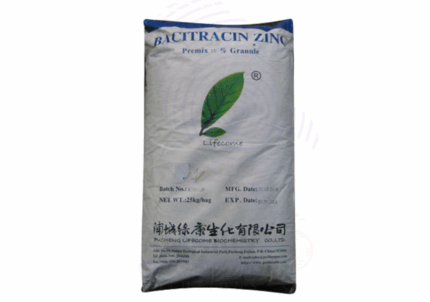
Zinc Bacitracin Premix Feed Grade
Zinc Bacitracin Premix Feed Grade is a veterinary-grade antibiotic premix formulated with 15% active zinc bacitracin, an antimicrobial peptide produced by Bacillus subtilis. It is commonly incorporated into animal feed to promote growth, prevent and control bacterial infections, and improve feed efficiency in livestock and poultry. This product is heat stable, easy to blend, and designed for uniform distribution in feed.












