

 Preservatives(food)
 Flavors
 Acidulants
 Sweeteners
 Antioxidants
 Colorants(food)
 Nutraceutical Ingredients (food)
 Nutrient Supplements
 Emulsifiers
 Collectors
 Dust Suppressants
 Explosives and Blasting Agents
 Flocculants and Coagulants
 Frothers
 Leaching Agents
 pH Modifiers
 Precious Metal Extraction Agents
 Antioxidants(plastic)
 Colorants (Pigments, Dyes)
 Fillers and Reinforcements
 Flame Retardants
 Monomers
 Plasticizers
 Polymerization Initiators
 Stabilizers (UV, Heat)
 Antifoaming Agents
 Chelating Agents
 Coagulants and Flocculants
 Corrosion Inhibitors
 Disinfectants and Biocides
 Oxidizing Agents
 pH Adjusters
 Scale Inhibitors( water)
 Antioxidants(cosmetic)
 Emollients
 Oils
Oils Carrier Oills
 Essential Oils
 Humectants
 Preservatives
 Surfactants(cosmetic)
 Thickeners
 UV Filters
 Fragrance (Cosmetics)
 Fertilizers
 Soil Conditioners
 Plant Growth Regulators
 Animal Feed Additives
 Biostimulants
 Pesticides (Herbicides, Insecticides, Fungicides)
 Active Pharmaceutical Ingredients (APIs)
 Excipients
 Solvents(pharmaceutical)
 Antibiotics
 Antiseptics and Disinfectants
 Vaccine Adjuvants
 Nutraceutical Ingredients (pharmaceutical)
 Analgesics & Antipyretics
 Analytical Reagents
 Solvents(lab)
 Chromatography Chemicals
 Spectroscopy Reagents
 microbiology-and-cell-culture-reagents
 Molecular Biology Reagents
 Biochemical Reagents
 Inorganic and Organic Standards
 Laboratory Safety Chemicals
 Specialty Laboratory Chemicals(Special Laboratory Equipment)
 Demulsifiers
 Hydraulic Fracturing Fluids
 Scale Inhibitors(oil)
 Surfactants(oil)
 Drilling Fluids
 Dyes and Pigments
 Bleaching Agents
 Softening Agents
 Finishing Agents
 Antistatic Agents
 Admixtures
 Waterproofing Agents
 Sealants and Adhesives
 Curing Compounds
 Concrete Repair Chemicals
 Anti-Corrosion Coatings
 Surfactants(cleaning)
 Builders
 Enzymes
 Solvents (Cleaning)
 Electronic Chemicals
 Catalysts
 Lubricants
 Photographic Chemicals
 Refrigerants
 Automotive chemicals
 Pyrotechnic Chemicals
 Biodegradable Surfactants
 Bio-based Solvents
 Renewable Polymers
 Carbon Capture Chemicals
 Wastewater Treatment Chemicals
 Pigments
 Solvents(paint)
 Specialty Coatings
 Binders/Resins
 Additives
 Driers
 Anti-Corrosion Agents
 Functional Coatings
 Application-Specific Coatings
 Leavening Agents
 Dough Conditioners
 Flour Treatments
 Fat Replacers
 Decoratives
 Preservatives(baking)
 Plasticizers & Softeners
 Reinforcing Agents
 Adhesion Promoters
 Vulcanizing Agents
 Antidegradants
 Blowing Agents
 Fillers & Extenders
 Accelerators & Retarders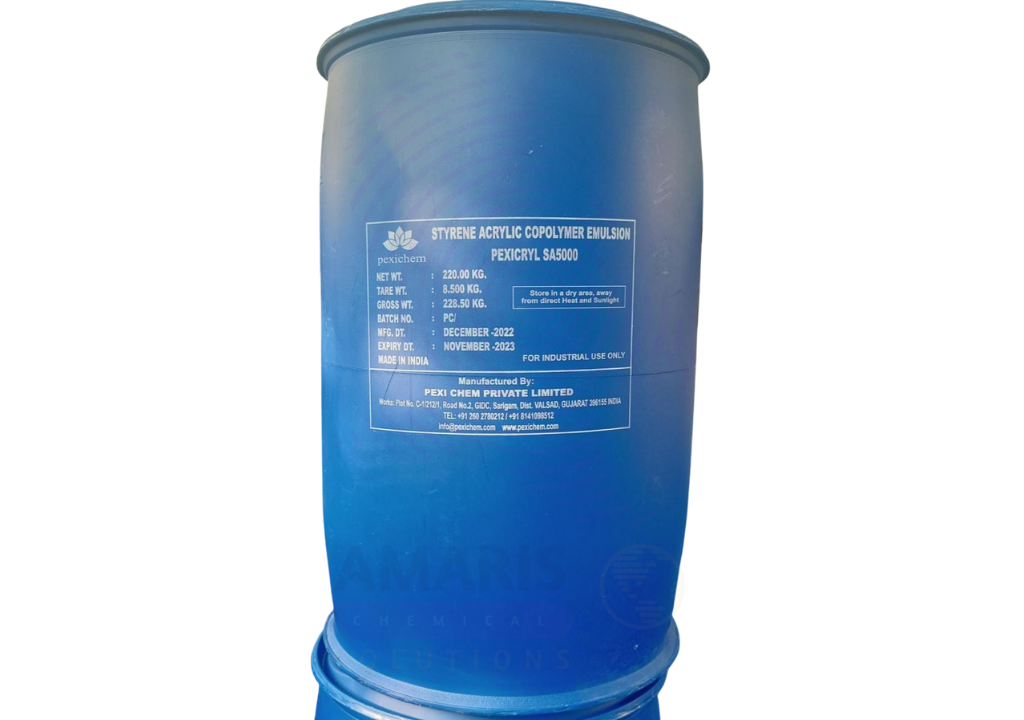

Styrene Acrylic Emulsion Polymer
Styrene Acrylic Emulsion Polymer is a water-based copolymer emulsion combining styrene and acrylic monomers, designed as a versatile binder with excellent film formation, adhesion, and durability. Widely used across paints, coatings, adhesives, textiles, and construction materials, this polymer offers superior weather resistance, water repellency, and flexibility. Its emulsified form enables easy incorporation into aqueous formulations, delivering enhanced performance and environmental benefits by reducing VOC emissions.
Styrene Acrylic Emulsion Polymer
Primary Uses
- Paints & Coatings Industry
- Architectural Coatings: Provides strong adhesion, gloss, and flexibility in interior and exterior paints.
- Industrial Protective Coatings: Delivers resistance to corrosion, abrasion, and weathering in metal and concrete coatings.
- Wood Coatings: Improves durability and appearance in wood finishes and sealants.
- Textile Coatings: Enhances fabric durability, water resistance, and surface texture.
- Adhesives Industry
- Pressure-sensitive Adhesives: Used in tapes, labels, and films for flexible, strong bonding.
- Construction Adhesives: Offers excellent adhesion and water resistance for bonding tiles, flooring, and panels.
- Packaging Adhesives: Enables strong, fast-setting bonds for flexible and rigid packaging materials.
- Construction Materials
- Cement & Mortar Modifiers: Improves flexibility, adhesion, and water resistance in tile adhesives, grouts, and cementitious coatings.
- Sealants & Caulks: Enhances elasticity, weatherability, and durability in acrylic and silicone sealants.
- Wall Putty & Fillers: Provides smooth texture and improved binding properties.
Secondary Uses
- Textiles
- Fabric Finishing: Used for softness, stiffness, or water repellency treatments on fabrics.
- Nonwoven Fabrics: Acts as a binder to increase strength and durability.
- Paper Industry
- Surface Coatings: Enhances gloss, printability, and strength of coated papers.
- Wet Strength Additive: Improves resistance to moisture in specialty papers.
- Leather Industry
- Coatings & Finishes: Provides protective, flexible films on leather goods to improve durability and appearance.
- Plastic & Rubber Industries
- Plastic Modifier: Enhances impact resistance and flexibility in PVC and other polymers.
- Adhesion Promoter: Facilitates bonding in composites and multilayer materials.
- Printing Inks
- Binder in Water-based Inks: Improves adhesion, gloss, and durability on various substrates.
- Automotive Industry
- Coatings & Sealants: Used in automotive refinishes and sealants for durability and weather resistance.
1. Basic Identification Attributes
- Chemical Name (IUPAC): Copolymer of styrene and acrylic monomers
- Common/Trade Name: Styrene Acrylic Emulsion Polymer
- CAS Number: Not applicable (copolymer)
- HS Code: 3906.90.00
- Synonyms: Styrene-acrylic copolymer emulsion, Styrene acrylic resin emulsion
2. Physical & Chemical Properties
- Physical State: Milky white liquid emulsion
- Color & Odor: White; mild odor
- Solubility: Dispersible in water; insoluble in organic solvents
- pH: Typically 7.0–9.0 (neutral to mildly alkaline)
- Solid Content: 40–55% (varies by grade)
- Viscosity: Low to medium viscosity depending on formulation
- Density: Approx. 1.0–1.1 g/cm³
3. Safety & Hazard Attributes
- GHS Classification: Not classified as hazardous
- Toxicity: Low toxicity under normal handling conditions
- Exposure Limits: Follow standard occupational safety practices
4. Storage & Handling Attributes
- Storage Conditions: Store in sealed containers, protected from freezing and direct sunlight, ideally between 5–35 °C
- Container Type: Plastic drums, totes, or bulk containers
- Shelf Life: 6–12 months depending on storage conditions
- Handling Precautions: Avoid freezing, contamination, and prolonged skin contact
5. Regulatory & Compliance Attributes
- Manufactured under Good Manufacturing Practices (GMP)
- Complies with REACH, TSCA, and OSHA HCS regulations
- Suitable for use in low-VOC and environmentally friendly formulations
- Meets standards for VOC content in paints and coatings
6. Environmental & Health Impact
- Biodegradability: Partially biodegradable under aerobic conditions
- Ecotoxicity: Low toxicity to aquatic organisms
- Bioaccumulation: Not significant
- Environmental Notes: Proper wastewater treatment recommended to prevent polymer residues in effluent
Safety Handling Precautions
- PPE Required: Gloves and eye protection recommended
- Handling Guidelines: Use adequate ventilation; avoid skin and eye contact
- Storage Measures: Keep containers tightly closed, protected from freezing and contamination
First Aid Measures
- Inhalation: Move to fresh air if irritation occurs
- Skin Contact: Wash with soap and water
- Eye Contact: Flush with water for 15 minutes; seek medical attention if irritation persists
- Ingestion: Rinse mouth; seek medical advice if necessary
Firefighting Measures
- Fire Hazards: Non-flammable in emulsion form; dried polymer is combustible
- Extinguishing Media: Water spray, foam, dry chemical, or CO₂
- Hazardous Combustion Products: Carbon monoxide, carbon dioxide, and other organic combustion products
Related products
Bayprene
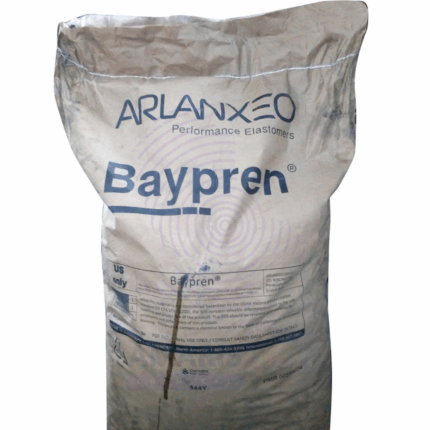
Bayprene is a high-quality, synthetic rubber polymer belonging to the class of nitrile butadiene rubbers (NBR). It is widely used for its excellent resistance to oils, fuels, chemicals, and abrasion, making it ideal for sealing, gasketing, hoses, and industrial applications where durability and chemical resistance are required. Bayprene exhibits good mechanical properties, high tensile strength, and resistance to swelling and degradation, especially in petroleum-based environments. It is commonly supplied as solid rubber sheets, molded parts, or raw polymer for compounding.
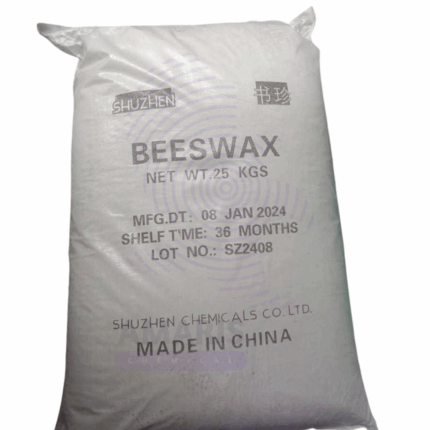
Beeswax
Beeswax is a natural wax produced by honeybees of the genus Apis. It is secreted by worker bees from specialized glands and used to build honeycomb cells. Beeswax is a complex mixture of esters, fatty acids, and hydrocarbons, characterized by a pale yellow to brown color, a pleasant honey-like aroma, and a firm yet pliable texture. It has excellent emulsifying, binding, and protective properties, making it widely used in cosmetics, pharmaceuticals, food, and industrial applications. Beeswax is prized for its natural origin, biodegradability, and skin-friendly characteristics.
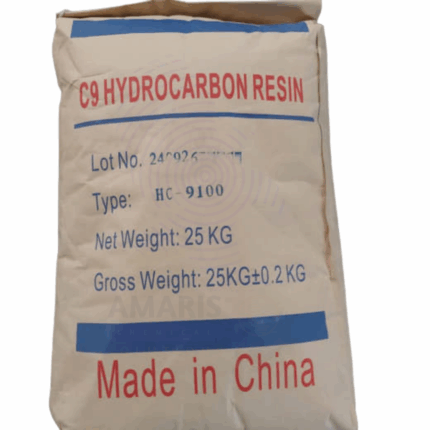
Hydrocarbon Resins
Hydrocarbon Resins C5 And C9 Petroleum Resins are synthetic petroleum-derived resins produced through the polymerization of C5 (pentene) and C9 (nonene) fraction monomers. These resins appear as pale yellow to amber solid materials, usually in pellet or flake form, characterized by tackifying and adhesive properties. C5 resins are derived from aliphatic hydrocarbons, while C9 resins originate from aromatic hydrocarbons. Often blended, these resins provide a balance of hardness, tackiness, and compatibility with various polymers. Widely used as tackifiers, binders, and modifiers, C5 & C9 hydrocarbon resins enhance performance in adhesives, coatings, rubber compounding, and more.

Linseed Oil
Linseed Oil, also known as flaxseed oil, is derived from the seeds of the flax plant (Linum usitatissimum). It is a pale yellow to amber oil with a mild, nutty aroma. Rich in omega-3 fatty acids and antioxidants, Linseed Oil is widely used in cosmetics, personal care, industrial applications, and traditional medicine. It is valued for its moisturizing, anti-inflammatory, and skin conditioning properties, as well as its drying qualities in paints and varnishes.
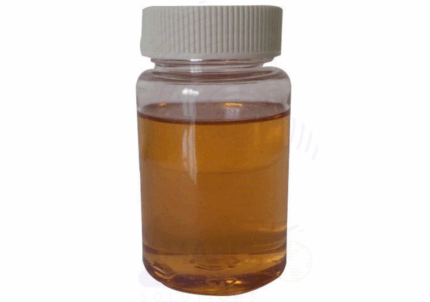
Linseed Oil Alkali Refined
Linseed Oil Alkali Refined is a vegetable oil extracted from flax seeds and then refined using alkali treatment to remove impurities, free fatty acids, and gums. This refining process enhances the oil’s stability, color, and odor, making it suitable for industrial, artistic, and manufacturing uses. It is a drying oil known for its excellent film-forming properties, quick drying time, and good adhesion to surfaces. Alkali refined linseed oil is widely used in paints, varnishes, inks, and as a raw material in chemical industries.
Medium Binder
Medium Binder is a versatile adhesive and binding agent formulated to enhance cohesion, strength, and durability in various industrial and construction applications. It improves the bonding properties between different materials, providing a reliable and consistent bond that resists environmental degradation. Medium Binder is suitable for use in composites, coatings, and concrete formulations, optimizing performance and structural integrity.
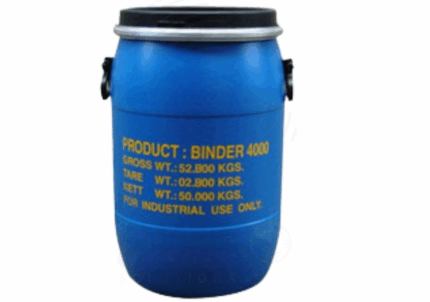
Penetrator Binder
Penetrator Binder is a high-performance binding agent designed to improve the adhesion and penetration of coatings, adhesives, and sealants into porous substrates. It enhances substrate wettability and strengthens the bond between the applied material and the surface, resulting in improved durability and performance. Penetrator Binder is commonly used in construction, wood treatment, and industrial coatings to ensure better material integration and resistance to environmental factors.
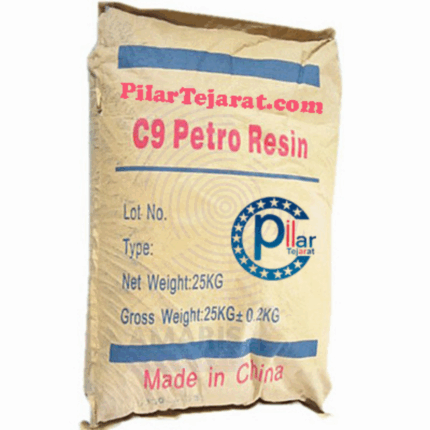
Petroleum Resin C9 Hydrocarbon
Petroleum Resin C9 Hydrocarbon is a thermoplastic hydrocarbon resin derived from the C9 fraction of petroleum cracking. It is a tackifying resin with excellent compatibility with various polymers, especially in adhesives, paints, rubber, and coatings industries. Known for its good color stability, fast curing, and strong adhesion properties, C9 Petroleum Resin enhances product performance in many industrial applications.












