

 Preservatives(food)
 Flavor Enhancers
 Acidulants
 Sweeteners
 Antioxidants
 Colorants(food)
 Nutraceutical Ingredients (food)
 Nutrient Supplements
 Emulsifiers
 Collectors
 Dust Suppressants
 Explosives and Blasting Agents
 Flocculants and Coagulants
 Frothers
 Leaching Agents
 pH Modifiers
 Precious Metal Extraction Agents
 Antioxidants(plastic)
 Colorants (Pigments, Dyes)
 Fillers and Reinforcements
 Flame Retardants
 Monomers
 Plasticizers
 Polymerization Initiators
 Stabilizers (UV, Heat)
 Antifoaming Agents
 Chelating Agents
 Coagulants and Flocculants
 Corrosion Inhibitors
 Disinfectants and Biocides
 Oxidizing Agents
 pH Adjusters
 Scale Inhibitors( water)
 Antioxidants(cosmetic)
 Emollients
 Fragrances and Essential Oils
 Humectants
 Preservatives
 Surfactants(cosmetic)
 Thickeners
 UV Filters
 Fertilizers
 Soil Conditioners
 Plant Growth Regulators
 Animal Feed Additives
 Biostimulants
 Pesticides (Herbicides, Insecticides, Fungicides)
 Active Pharmaceutical Ingredients (APIs)
 Excipients
 Solvents(pharmaceutical)
 Antibiotics
 Antiseptics and Disinfectants
 Vaccine Adjuvants
 Nutraceutical Ingredients (pharmaceutical)
 Analgesics & Antipyretics
 Analytical Reagents
 Solvents(lab)
 Chromatography Chemicals
 Spectroscopy Reagents
 microbiology-and-cell-culture-reagents
 Molecular Biology Reagents
 Biochemical Reagents
 Inorganic and Organic Standards
 Laboratory Safety Chemicals
 Specialty Laboratory Chemicals(Special Laboratory Equipment)
 Demulsifiers
 Hydraulic Fracturing Fluids
 Scale Inhibitors(oil)
 Surfactants(oil)
 Drilling Fluids
 Dyes and Pigments
 Bleaching Agents
 Softening Agents
 Finishing Agents
 Antistatic Agents
 Admixtures
 Waterproofing Agents
 Sealants and Adhesives
 Curing Compounds
 Concrete Repair Chemicals
 Anti-Corrosion Coatings
 Surfactants(cleaning)
 Builders
 Enzymes
 Solvents (Cleaning)
 Fragrances
 Electronic Chemicals
 Catalysts
 Lubricants
 Photographic Chemicals
 Refrigerants
 Automotive chemicals
 Pyrotechnic Chemicals
 Biodegradable Surfactants
 Bio-based Solvents
 Renewable Polymers
 Carbon Capture Chemicals
 Wastewater Treatment Chemicals
 Pigments
 Solvents(paint)
 Specialty Coatings
 Binders/Resins
 Additives
 Driers
 Anti-Corrosion Agents
 Functional Coatings
 Application-Specific Coatings
 Leavening Agents
 Dough Conditioners
 Flour Treatments
 Fat Replacers
 Decoratives
 Preservatives(baking)
 Plasticizers & Softeners
 Reinforcing Agents
 Adhesion Promoters
 Vulcanizing Agents
 Antidegradants
 Blowing Agents
 Fillers & Extenders
 Accelerators & Retarders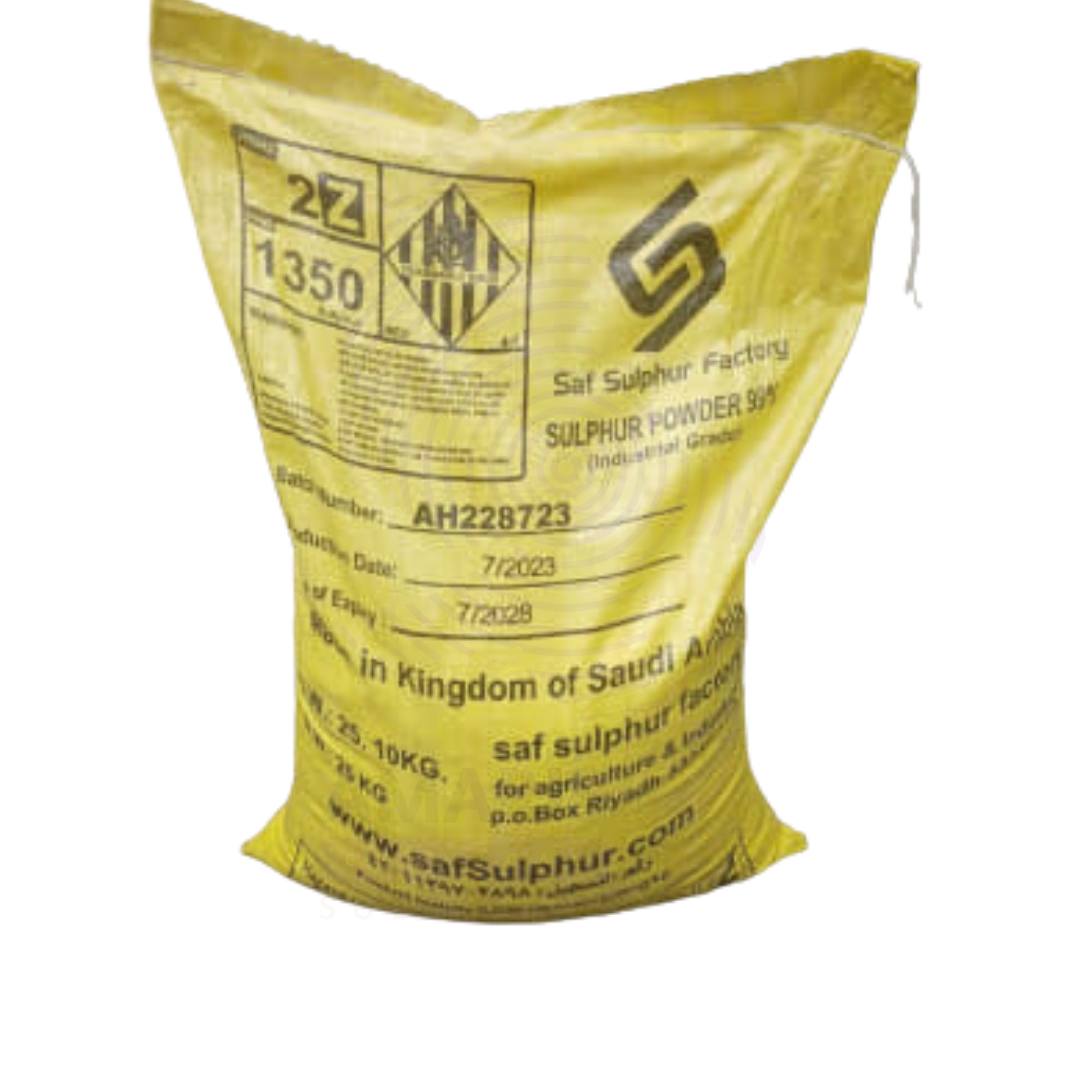


Sulphur Powder
Sulphur Powder is finely ground elemental sulfur known for its high purity and uniform particle size. It is widely used across industries such as agriculture, chemical manufacturing, pharmaceuticals, and rubber vulcanization. The powdered form offers increased surface area, enhancing reactivity and ease of mixing in formulations. Sulphur Powder is essential in various processes requiring sulfur as a raw material or active component.
Sulphur Powder
Primary Uses
- Agriculture
- Fungicide & Pesticide: Used to control fungal diseases and pests in crops.
- Soil Amendment: Corrects sulfur deficiency in soil, improving crop yield and quality.
- Chemical Industry
- Sulfuric Acid Production: Raw material for manufacturing sulfuric acid.
- Intermediate: Used in production of sulfur-containing chemicals and compounds.
- Rubber Industry
- Vulcanization Agent: Accelerates the vulcanization process, enhancing elasticity and durability of rubber products.
Secondary Uses
- Pharmaceutical Industry
- Active Ingredient: Used in dermatological products for treating skin conditions like acne and eczema.
- Explosives & Matches
- Component: Used in manufacturing matches, fireworks, and explosives.
- Water Treatment
- Chemical Reagent: Utilized in some water purification and sulfide removal processes.
- Metallurgy
- Deoxidizer & Desulfurizer: Applied in metal refining to remove oxygen and sulfur impurities.
1. Basic Identification Attributes
- Chemical Name (IUPAC): Sulfur (Elemental)
- Common/Trade Name: Sulphur Powder
- CAS Number: 7704-34-9
- HS Code: 2503.00.00
- Synonyms: Elemental sulfur powder, brimstone powder
2. Physical & Chemical Properties
- Physical State: Fine powder
- Color & Odor: Yellow; characteristic sulfur odor
- Melting Point: 115.2 °C
- Solubility: Insoluble in water; soluble in carbon disulfide
- Density: Approx. 2.07 g/cm³
3. Safety & Hazard Attributes
- GHS Classification: Combustible solid; may form explosive dust clouds
- Toxicity: Low toxicity; may cause skin and respiratory irritation
- Exposure Limits: Use dust control measures and personal protective equipment
4. Storage & Handling Attributes
- Storage Conditions: Store in cool, dry, well-ventilated area away from ignition sources and oxidizing agents
- Container Type: Bags, drums, or bulk containers
- Shelf Life: Indefinite if stored properly
- Handling Precautions: Avoid dust generation; prevent contact with heat and flames
5. Regulatory & Compliance Attributes
- Complies with relevant chemical safety regulations (REACH, OSHA, GHS)
- Produced and handled under Good Manufacturing Practices (GMP)
- Meets transport and environmental safety standards
6. Environmental & Health Impact
- Biodegradability: Inert; not biodegradable
- Ecotoxicity: Low ecotoxicity but should not be released untreated into waterways
- Bioaccumulation: Not applicable
Safety Handling Precautions
- PPE Required: Gloves, dust mask, and eye protection recommended
- Handling Guidelines: Use in well-ventilated areas; minimize dust exposure
- Storage Measures: Keep containers tightly sealed and away from incompatible substances
First Aid Measures
- Inhalation: Move to fresh air; seek medical help if symptoms persist
- Skin Contact: Wash thoroughly with soap and water
- Eye Contact: Flush with water for 15 minutes; seek medical attention if irritation continues
- Ingestion: Rinse mouth; consult a doctor if necessary
Firefighting Measures
- Fire Hazards: Combustible; dust may form explosive mixtures
- Extinguishing Media: Water spray, foam, dry chemical, or CO₂ extinguishers
- Hazardous Combustion Products: Sulfur oxides and toxic gases
Related products
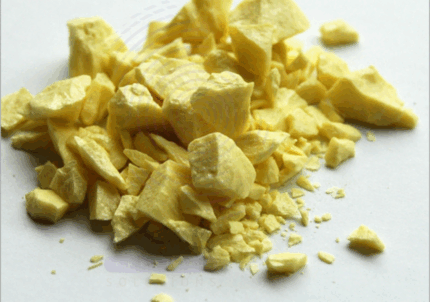
Sulphur Lumps
Sulphur Lumps are solid, crystalline elemental sulfur in chunk or lump form, typically derived from natural sources or by-product recovery processes. Known for their high purity, these lumps are widely used in industrial applications requiring elemental sulfur. Their solid form facilitates easy handling, storage, and transport. Sulphur Lumps are key raw materials in the production of sulfuric acid, fertilizers, vulcanization agents, and various chemical intermediates.
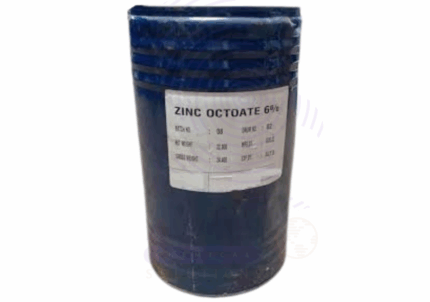
Zinc Octoate
Zinc Octoate is a metal carboxylate solution containing approximately 10% zinc content, derived from zinc and 2-ethylhexanoic acid (octoic acid). It functions as an effective curing agent, catalyst, and crosslinker in various polymer systems such as paints, coatings, adhesives, and rubber compounds. This compound improves film hardness, drying times, and overall durability of finished products, making it widely used in industrial and manufacturing processes.
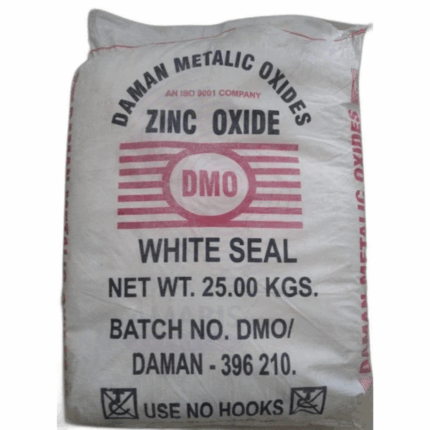

Zinc Oxide
Zinc Oxide is an inorganic white powder composed primarily of ZnO. It is widely used as a functional additive in rubber, ceramics, glass, paints, and chemical industries. Known for its excellent chemical stability, UV-absorbing capability, and reactivity with acids and alkalis, this grade is tailored for industrial applications where high purity is not mandatory but consistent quality and performance are essential.












