

 Preservatives(food)
 Flavor Enhancers
 Acidulants
 Sweeteners
 Antioxidants
 Colorants(food)
 Nutraceutical Ingredients (food)
 Nutrient Supplements
 Emulsifiers
 Collectors
 Dust Suppressants
 Explosives and Blasting Agents
 Flocculants and Coagulants
 Frothers
 Leaching Agents
 pH Modifiers
 Precious Metal Extraction Agents
 Antioxidants(plastic)
 Colorants (Pigments, Dyes)
 Fillers and Reinforcements
 Flame Retardants
 Monomers
 Plasticizers
 Polymerization Initiators
 Stabilizers (UV, Heat)
 Antifoaming Agents
 Chelating Agents
 Coagulants and Flocculants
 Corrosion Inhibitors
 Disinfectants and Biocides
 Oxidizing Agents
 pH Adjusters
 Scale Inhibitors( water)
 Antioxidants(cosmetic)
 Emollients
 Fragrances and Essential Oils
 Humectants
 Preservatives
 Surfactants(cosmetic)
 Thickeners
 UV Filters
 Fertilizers
 Soil Conditioners
 Plant Growth Regulators
 Animal Feed Additives
 Biostimulants
 Pesticides (Herbicides, Insecticides, Fungicides)
 Active Pharmaceutical Ingredients (APIs)
 Excipients
 Solvents(pharmaceutical)
 Antibiotics
 Antiseptics and Disinfectants
 Vaccine Adjuvants
 Nutraceutical Ingredients (pharmaceutical)
 Analgesics & Antipyretics
 Analytical Reagents
 Solvents(lab)
 Chromatography Chemicals
 Spectroscopy Reagents
 microbiology-and-cell-culture-reagents
 Molecular Biology Reagents
 Biochemical Reagents
 Inorganic and Organic Standards
 Laboratory Safety Chemicals
 Specialty Laboratory Chemicals(Special Laboratory Equipment)
 Demulsifiers
 Hydraulic Fracturing Fluids
 Scale Inhibitors(oil)
 Surfactants(oil)
 Drilling Fluids
 Dyes and Pigments
 Bleaching Agents
 Softening Agents
 Finishing Agents
 Antistatic Agents
 Admixtures
 Waterproofing Agents
 Sealants and Adhesives
 Curing Compounds
 Concrete Repair Chemicals
 Anti-Corrosion Coatings
 Surfactants(cleaning)
 Builders
 Enzymes
 Solvents (Cleaning)
 Fragrances
 Electronic Chemicals
 Catalysts
 Lubricants
 Photographic Chemicals
 Refrigerants
 Automotive chemicals
 Pyrotechnic Chemicals
 Biodegradable Surfactants
 Bio-based Solvents
 Renewable Polymers
 Carbon Capture Chemicals
 Wastewater Treatment Chemicals
 Pigments
 Solvents(paint)
 Specialty Coatings
 Binders/Resins
 Additives
 Driers
 Anti-Corrosion Agents
 Functional Coatings
 Application-Specific Coatings
 Leavening Agents
 Dough Conditioners
 Flour Treatments
 Fat Replacers
 Decoratives
 Preservatives(baking)
 Plasticizers & Softeners
 Reinforcing Agents
 Adhesion Promoters
 Vulcanizing Agents
 Antidegradants
 Blowing Agents
 Fillers & Extenders
 Accelerators & Retarders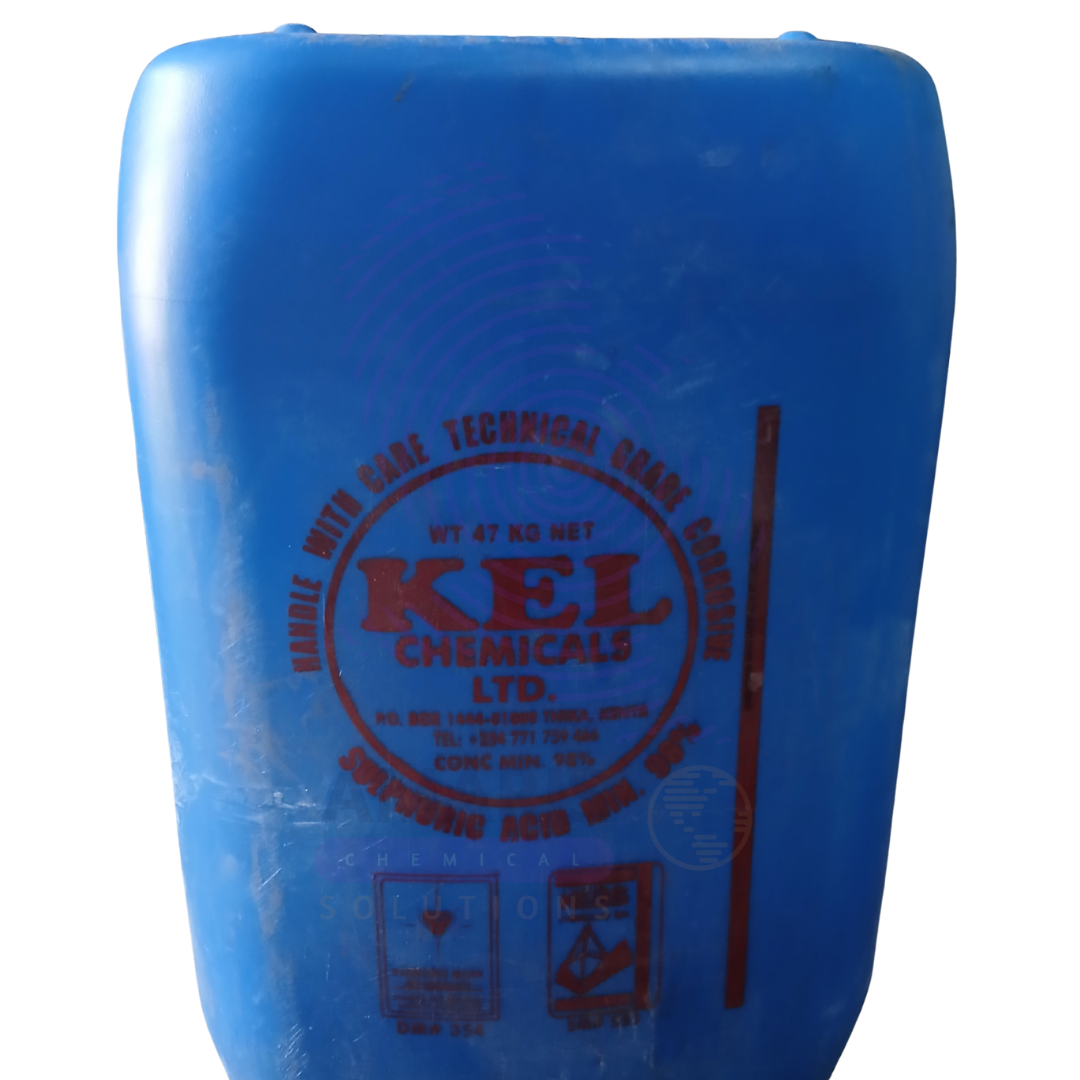

Sulphuric Acid
Sulphuric Acid is a dense, highly corrosive, and strong mineral acid widely used as a fundamental chemical reagent and industrial raw material. It serves as a key component in fertilizer production, chemical synthesis, petroleum refining, and many other industrial processes. The 98% concentration is the concentrated, nearly pure form commonly utilized for manufacturing and processing applications demanding high acid strength and purity.
Sulphuric Acid
Primary Uses
- Fertilizer Industry
- Phosphoric Acid Production: Used to produce phosphoric acid from phosphate rock for phosphate fertilizers.
- Manufacture of Sulfate Fertilizers: Produces ammonium sulfate and other sulfate-based fertilizers.
- Chemical Industry
- Intermediate & Catalyst: Utilized in synthesis of chemicals including hydrochloric acid, nitric acid, dyes, pigments, and detergents.
- pH Adjustment: Used for acidifying or neutralizing alkaline solutions.
- Petroleum Industry
- Catalyst in Refining: Employed in alkylation and refining processes to improve gasoline quality.
Secondary Uses
- Metal Processing
- Pickling Agent: Removes rust and scale from steel and other metals before further processing.
- Electroplating & Battery Acid: Used as electrolyte in lead-acid batteries and electroplating baths.
- Textile Industry
- Processing Aid: Used in dyeing and finishing processes.
- Laboratories
- Reagent & Cleaning Agent: Used in analytical chemistry and for cleaning glassware.
- Wastewater Treatment
- pH Control: Adjusts pH and neutralizes alkaline waste streams.
1. Basic Identification Attributes
- Chemical Name (IUPAC): Sulfuric acid
- Common/Trade Name: Sulphuric Acid 98%
- CAS Number: 7664-93-9
- HS Code: 2807.00.00
- Synonyms: Oil of vitriol, battery acid
2. Physical & Chemical Properties
- Physical State: Clear, colorless to slightly yellow, viscous liquid
- Color & Odor: Colorless or pale yellow; odorless
- Density: Approx. 1.84 g/cm³
- Boiling Point: 337 °C (decomposes)
- Melting Point: 10 °C
- Solubility: Miscible with water (exothermic reaction)
- pH: Highly acidic (pH < 1)
3. Safety & Hazard Attributes
- GHS Classification: Corrosive to skin and eyes; causes severe burns
- Toxicity: Highly corrosive and reactive; inhalation of fumes hazardous
- Exposure Limits: OSHA PEL: 1 mg/m³ (ceiling)
4. Storage & Handling Attributes
- Storage Conditions: Store in corrosion-resistant containers in cool, dry, well-ventilated areas away from incompatible substances like organics, bases, and oxidizers
- Container Type: Acid-resistant drums, tanks, or containers
- Shelf Life: Stable indefinitely under proper storage
- Handling Precautions: Use acid-resistant PPE; add acid to water, never vice versa
5. Regulatory & Compliance Attributes
- Complies with international chemical safety regulations (REACH, OSHA, GHS)
- Manufactured under Good Manufacturing Practices (GMP)
- Meets transport regulations for corrosive liquids
6. Environmental & Health Impact
- Biodegradability: Not biodegradable; highly reactive
- Ecotoxicity: Harmful to aquatic life; avoid environmental release
- Bioaccumulation: Not applicable
Safety Handling Precautions
- PPE Required: Acid-resistant gloves, goggles, face shield, and protective clothing
- Handling Guidelines: Use in well-ventilated areas; avoid contact with skin, eyes, and inhalation of fumes
- Storage Measures: Keep containers sealed and stored away from incompatible materials
First Aid Measures
- Inhalation: Move to fresh air; seek immediate medical attention if breathing difficulty occurs
- Skin Contact: Rinse immediately with plenty of water for at least 15 minutes; remove contaminated clothing; get urgent medical help
- Eye Contact: Flush eyes with water continuously for 15-30 minutes; seek emergency medical treatment
- Ingestion: Do not induce vomiting; rinse mouth and seek immediate medical attention
Firefighting Measures
- Fire Hazards: Non-flammable but reacts violently with water and organic materials
- Extinguishing Media: Use water spray or fog, dry chemical, foam, or CO₂
- Hazardous Combustion Products: Sulfur oxides and toxic gases
Related products
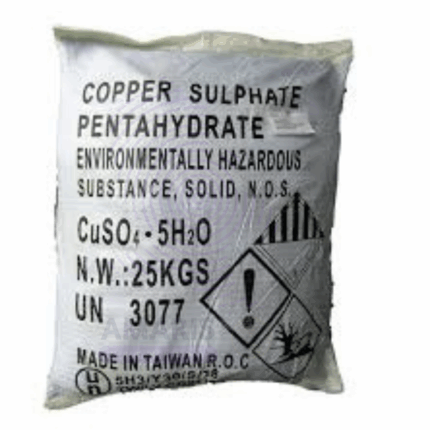
Copper Sulphate Pentahydrate
Copper Sulphate Pentahydrate (CuSO₄·5H₂O) is a bright blue crystalline solid widely used as a chemical reagent, agricultural fungicide, and analytical reagent. It consists of copper, sulfur, oxygen, and water molecules, forming a distinctive pentahydrate structure. This inorganic salt is highly soluble in water, exhibiting antifungal, algaecidal, and bactericidal properties. Copper Sulphate Pentahydrate is extensively employed in agriculture, industry, and laboratory applications due to its effectiveness, affordability, and well-understood chemistry.
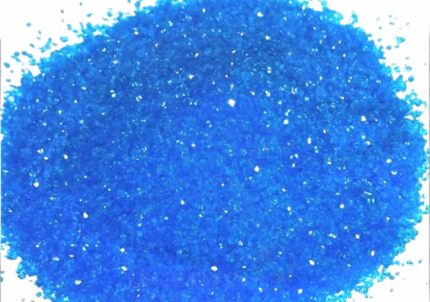
Cupric Sulphate Pentahydrate
Cupric Sulphate Pentahydrate (Copper(II) sulfate pentahydrate) is a bright blue crystalline solid with the chemical formula CuSO₄·5H₂O. It is the hydrated form of copper sulfate and is highly soluble in water. This compound is widely used in agriculture, chemical manufacturing, and laboratory applications due to its fungicidal, algicidal, and micronutrient properties. The pentahydrate form is the most common and commercially available, known for its vivid blue color and versatile reactivity.
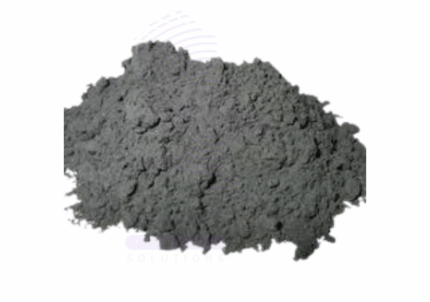
Ferrous Sulphide
Ferrous Sulphide (FeS) is an inorganic iron-sulfur compound appearing as a dark gray to black crystalline powder or solid. It has low solubility in water but reacts with acids to release hydrogen sulfide gas. It is used in numerous industrial and chemical processes due to its sulfide content and reactive properties. Ferrous Sulphide serves as a key intermediate in metallurgy, chemical synthesis, wastewater treatment, pigment production, and more.
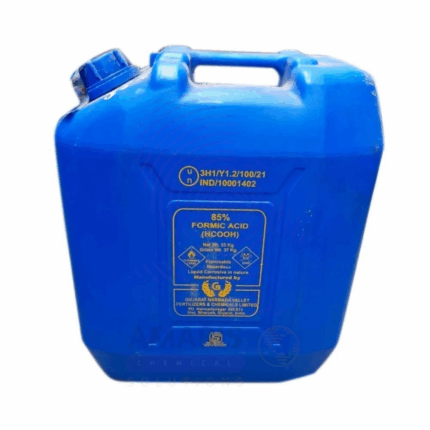
Formic Acid
Formic Acid (methanoic acid) is the simplest carboxylic acid, typically supplied as an 85% aqueous solution. It is a colorless liquid with a pungent, penetrating odor and strong acidic properties. Formic Acid naturally occurs in insect stings and plant secretions and is widely used in chemical synthesis, agriculture, textile, leather, and rubber industries. The 85% solution balances potency and safe handling for industrial applications. It serves as a preservative, antibacterial agent, and intermediate chemical in numerous manufacturing processes.
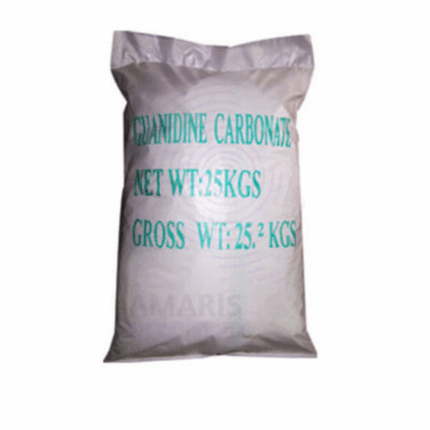
Guanidine Carbonate
Guanidine Carbonate is a white crystalline powder, highly soluble in water, with strong basicity and high nitrogen content. It’s a versatile chemical intermediate widely used in pharmaceuticals, agriculture, polymer chemistry, textiles, and laboratory research. Its buffering properties and reactivity make it valuable in synthesis, pH regulation, and as a nitrogen source.
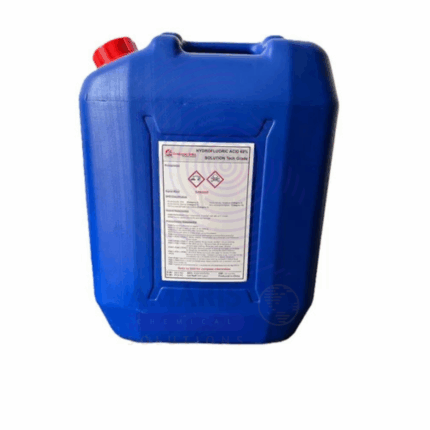
Hydrofluoric Acid
Hydrofluoric Acid is a highly corrosive aqueous solution of hydrogen fluoride gas dissolved in water. It is a colorless to pale yellow fuming liquid with a strong pungent odor. Unlike other mineral acids, HF is a weak acid chemically but uniquely reactive due to its ability to dissolve silica and glass, and penetrate tissues deeply. This makes it invaluable in numerous industrial, laboratory, and specialized applications but also highly hazardous.
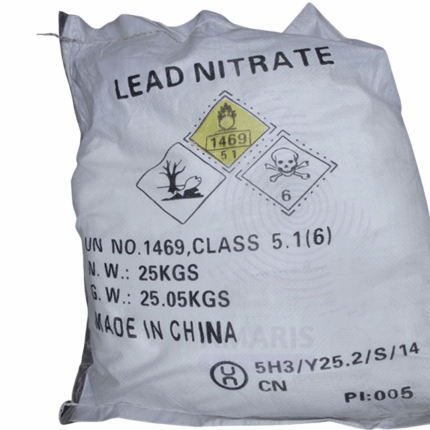
Lead Nitrate
Lead Nitrate is a white crystalline inorganic compound composed of lead and nitrate ions. It is highly soluble in water and commonly used in laboratories and industrial applications as an oxidizing agent, in the preparation of other lead compounds, and as a reagent in chemical synthesis. Lead Nitrate is known for its strong oxidizing properties and must be handled with care due to its toxicity and environmental hazards.
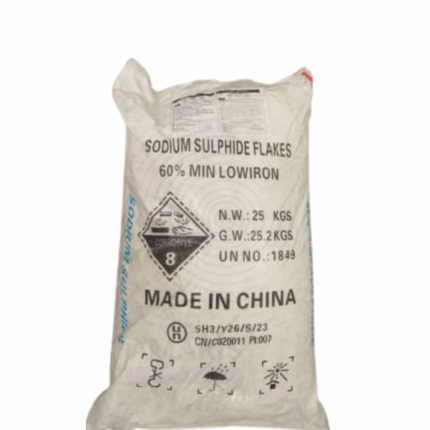
Sodium Sulphide
Sodium Sulphide (Na₂S) is a yellow to red-yellow crystalline solid or powder with a characteristic odor of hydrogen sulfide. It is highly soluble in water, forming strongly alkaline solutions. This 25kg packaged product is widely used in the chemical, leather, pulp and paper, and textile industries as a reducing agent, sulfur donor, and in flotation processes. Due to its strong reducing properties and reactivity, it must be handled with care under proper safety measures.












