

 Preservatives(food)
 Flavors
 Acidulants
 Sweeteners
 Antioxidants
 Colorants(food)
 Nutraceutical Ingredients (food)
 Nutrient Supplements
 Emulsifiers
 Collectors
 Dust Suppressants
 Explosives and Blasting Agents
 Flocculants and Coagulants
 Frothers
 Leaching Agents
 pH Modifiers
 Precious Metal Extraction Agents
 Antioxidants(plastic)
 Colorants (Pigments, Dyes)
 Fillers and Reinforcements
 Flame Retardants
 Monomers
 Plasticizers
 Polymerization Initiators
 Stabilizers (UV, Heat)
 Antifoaming Agents
 Chelating Agents
 Coagulants and Flocculants
 Corrosion Inhibitors
 Disinfectants and Biocides
 Oxidizing Agents
 pH Adjusters
 Scale Inhibitors( water)
 Antioxidants(cosmetic)
 Emollients
 Oils
Oils Carrier Oills
 Essential Oils
 Humectants
 Preservatives
 Surfactants(cosmetic)
 Thickeners
 UV Filters
 Fragrance (Cosmetics)
 Fertilizers
 Soil Conditioners
 Plant Growth Regulators
 Animal Feed Additives
 Biostimulants
 Pesticides (Herbicides, Insecticides, Fungicides)
 Active Pharmaceutical Ingredients (APIs)
 Excipients
 Solvents(pharmaceutical)
 Antibiotics
 Antiseptics and Disinfectants
 Vaccine Adjuvants
 Nutraceutical Ingredients (pharmaceutical)
 Analgesics & Antipyretics
 Analytical Reagents
 Solvents(lab)
 Chromatography Chemicals
 Spectroscopy Reagents
 microbiology-and-cell-culture-reagents
 Molecular Biology Reagents
 Biochemical Reagents
 Inorganic and Organic Standards
 Laboratory Safety Chemicals
 Specialty Laboratory Chemicals(Special Laboratory Equipment)
 Demulsifiers
 Hydraulic Fracturing Fluids
 Scale Inhibitors(oil)
 Surfactants(oil)
 Drilling Fluids
 Dyes and Pigments
 Bleaching Agents
 Softening Agents
 Finishing Agents
 Antistatic Agents
 Admixtures
 Waterproofing Agents
 Sealants and Adhesives
 Curing Compounds
 Concrete Repair Chemicals
 Anti-Corrosion Coatings
 Surfactants(cleaning)
 Builders
 Enzymes
 Solvents (Cleaning)
 Electronic Chemicals
 Catalysts
 Lubricants
 Photographic Chemicals
 Refrigerants
 Automotive chemicals
 Pyrotechnic Chemicals
 Biodegradable Surfactants
 Bio-based Solvents
 Renewable Polymers
 Carbon Capture Chemicals
 Wastewater Treatment Chemicals
 Pigments
 Solvents(paint)
 Specialty Coatings
 Binders/Resins
 Additives
 Driers
 Anti-Corrosion Agents
 Functional Coatings
 Application-Specific Coatings
 Leavening Agents
 Dough Conditioners
 Flour Treatments
 Fat Replacers
 Decoratives
 Preservatives(baking)
 Plasticizers & Softeners
 Reinforcing Agents
 Adhesion Promoters
 Vulcanizing Agents
 Antidegradants
 Blowing Agents
 Fillers & Extenders
 Accelerators & Retarders



Copper Sulphate Pentahydrate
Copper Sulphate Pentahydrate (CuSO₄·5H₂O) is a bright blue crystalline solid widely used as a chemical reagent, agricultural fungicide, and analytical reagent. It consists of copper, sulfur, oxygen, and water molecules, forming a distinctive pentahydrate structure. This inorganic salt is highly soluble in water, exhibiting antifungal, algaecidal, and bactericidal properties. Copper Sulphate Pentahydrate is extensively employed in agriculture, industry, and laboratory applications due to its effectiveness, affordability, and well-understood chemistry.
Copper Sulphate Pentahydrate
Primary Uses
- Agriculture
- Used as a fungicide and bactericide to control fungal diseases like downy mildew, leaf spots, and blights on crops such as grapes, potatoes, tomatoes, and fruit trees.
- Employed as a herbicide and algaecide in water bodies, irrigation canals, and reservoirs to manage algae and unwanted aquatic plants.
- Acts as a micronutrient fertilizer supplying essential copper for plant growth and enzymatic functions.
- Industrial Applications
- Utilized in electroplating processes as a source of copper ions for copper deposition on metals.
- Used in mining and metal processing for flotation of ores and as a chemical intermediate.
- Applied in textile and leather industries for dyeing and as a mordant.
- Employed in corrosion control and water treatment formulations.
Secondary Uses
- Laboratory and Analytical Chemistry
- Used as a reagent in analytical chemistry for qualitative and quantitative copper assays.
- Applied in Benedict’s and Fehling’s solutions for testing reducing sugars.
- Serves as a component in wetting agents and catalysts.
- Veterinary Medicine
- Occasionally used in trace amounts in animal feed to provide copper nutrition.
- Used as an antiseptic in footbaths for livestock to prevent infections.
- Educational and Miscellaneous
- Commonly used in school chemistry demonstrations and crystal-growing experiments due to its vibrant color and crystalline structure.
- Utilized in some artisanal crafts and pigments.
1. Basic Identification Attributes
- Chemical Name (IUPAC): Copper(II) sulfate pentahydrate
- Common/Trade Name: Copper Sulphate Pentahydrate
- CAS Number: 7758-99-8
- HS Code: 2833.11.00
- Molecular Formula: CuSO₄·5H₂O
- Synonyms:
- Blue vitriol
- Bluestone
- Copper sulfate pentahydrate
2. Physical & Chemical Properties
- Physical State: Crystalline solid
- Color & Odor: Bright blue crystals; odorless
- Melting Point: Decomposes at 110°C (loss of water)
- Boiling Point: Not applicable (decomposes before boiling)
- Density: 2.284 g/cm³
- Solubility: Soluble in water (~317 g/L at 20°C); insoluble in alcohol and ether
- pH (1% solution): 4.5 - 5.5
- Stability: Stable under normal conditions; sensitive to moisture and heat
3. Safety & Hazard Attributes
- Hazard Class (GHS): Harmful if swallowed; hazardous to aquatic life
- NFPA Ratings:
- Health: 2
- Flammability: 0
- Reactivity: 0
- Exposure Limits: No specific OSHA PEL; use dust control measures
- Toxicity: Toxic if ingested or inhaled in large amounts; corrosive to eyes and skin
- Reactivity: Stable but reacts with strong reducing agents and bases
4. Storage & Handling Attributes
- Storage Conditions: Store in a cool, dry, well-ventilated area away from incompatible substances like strong bases and reducing agents
- Container Type: Sealed polyethylene or metal drums/containers
- Shelf Life: Up to 3-5 years if stored properly
- Special Handling: Avoid dust formation; use PPE; prevent contact with skin and eyes
5. Regulatory & Compliance Attributes
- EPA Registration: Registered as a pesticide for agricultural use
- REACH Status: Registered and regulated in the EU
- Transportation: Not classified as hazardous for transport under normal conditions
- Waste Disposal: Dispose in accordance with local environmental regulations; avoid release into waterways
6. Environmental & Health Impact
- Ecotoxicity: Very toxic to aquatic organisms with long-lasting effects; avoid discharge into the environment
- Persistence: Moderately persistent in soil and water
- Bioaccumulation: Low potential for bioaccumulation
- Carcinogenicity/Mutagenicity: Not classified as carcinogenic or mutagenic
- Biodegradability: Inorganic salt; not biodegradable but can be immobilized in soils
Safety Handling Precautions
Personal Protective Equipment (PPE):
- Chemical-resistant gloves, safety goggles, and protective clothing
- Use dust mask or respirator in dusty conditions
Handling Measures:
- Avoid inhalation of dust and contact with skin or eyes
- Use in well-ventilated areas
- Do not eat, drink, or smoke while handling
Storage Measures:
- Keep container tightly closed and dry
- Store away from incompatible substances such as alkalis and organic materials
Hygiene Practices:
- Wash hands thoroughly after handling
- Remove contaminated clothing promptly
First Aid Measures
- Inhalation: Move to fresh air; if symptoms develop, seek medical attention
- Skin Contact: Wash with plenty of water and soap; remove contaminated clothing; get medical help if irritation persists
- Eye Contact: Rinse eyes immediately with water for at least 15 minutes; seek medical attention
- Ingestion: Do not induce vomiting; rinse mouth and seek emergency medical help immediately
Firefighting Measures
- Fire Hazards: Non-flammable but can decompose at high temperatures producing toxic fumes
- Extinguishing Media: Use water spray, foam, dry chemical, or CO₂
- Special Precautions: Firefighters should wear full protective gear and self-contained breathing apparatus
- Decomposition Products: Copper oxides, sulfur oxides
Related products
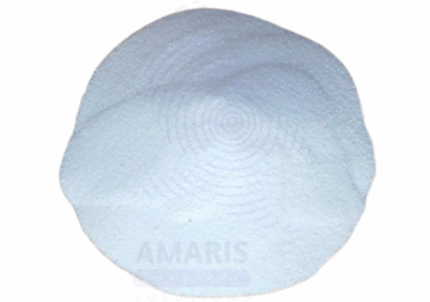
Ammonia Acetate
Ammonia Acetate is a white crystalline solid or granular powder with a mild ammoniacal odor. It is a salt formed from ammonia and acetic acid, widely used in laboratories, industrial processes, and some niche food and pharmaceutical applications. Ammonium Acetate is highly soluble in water and often utilized as a buffer solution in biochemical and analytical chemistry due to its ability to maintain pH. It also serves as a precursor in the synthesis of various chemicals and acts as a neutralizing agent in several industrial applications.
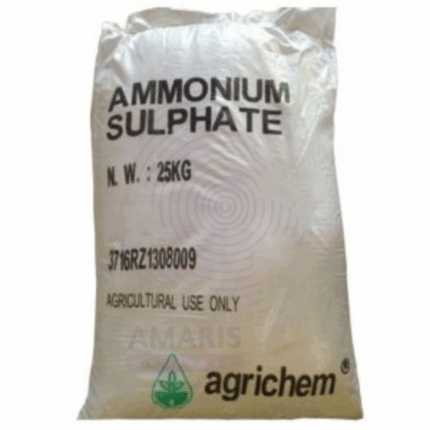
Ammonium Sulphate
Ammonium Sulphate is an inorganic salt with the formula (NH₄)₂SO₄. It appears as a white crystalline solid, highly soluble in water, and is widely used as a fertilizer due to its high nitrogen and sulfur content. Besides agriculture, ammonium sulphate finds extensive use in industrial processes, food additives, pharmaceutical applications, and water treatment. It acts as a soil amendment to improve nitrogen levels and acidity, a flocculating agent in water purification, and a stabilizer or precipitant in biochemical and pharmaceutical formulations.
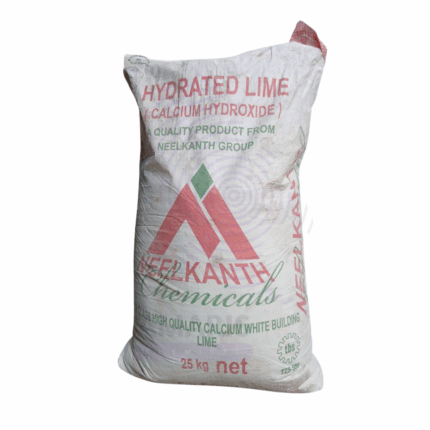
Calcium Hydroxide Hydrated Lime
Calcium Hydroxide Hydrated Lime, commonly known as Hydrated Lime or Slaked Lime, is an inorganic compound with the chemical formula Ca(OH)₂. It appears as a white, odorless, powder or crystalline solid. It is produced by treating quicklime (calcium oxide) with water in a process called slaking. Calcium Hydroxide is moderately soluble in water, forming a strongly alkaline solution known as limewater. It is widely used in construction, environmental, chemical, agricultural, and water treatment applications due to its caustic, neutralizing, and flocculating properties.
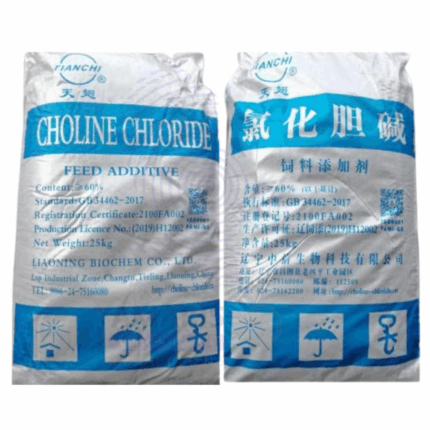
Choline Chloride Powder
Choline Chloride Powder is a white to off-white crystalline powder containing 60% choline chloride, a quaternary ammonium salt essential as a nutrient in animal and poultry feed. It serves as a vital source of choline, an important component in fat metabolism, liver function, and cell membrane integrity. Produced through chemical synthesis, this powder form is highly soluble in water, making it easy to incorporate into feed premixes and supplements. Choline chloride is widely used in the agriculture industry to prevent choline deficiency, enhance growth performance, and improve overall health in livestock. Beyond animal nutrition, it finds applications in chemical manufacturing and pharmaceuticals.
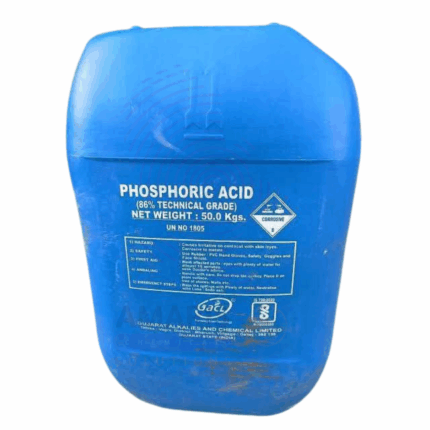
Phosphoric acid Technical Grade
Phosphoric Acid Technical Grade is a concentrated, inorganic acid primarily used in industrial applications. It typically contains minor impurities compared to food or pharmaceutical grades but maintains excellent performance as an acidulant, rust remover, and intermediate chemical. This grade is widely used in manufacturing fertilizers, detergents, metal treatment, and other industrial processes where high purity is not critical but effective acidic properties are required.
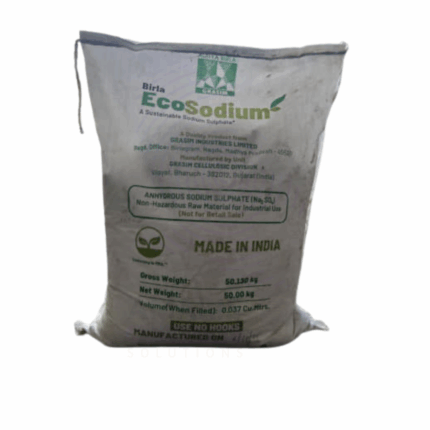
Sodium Sulphate
Sodium Sulphate (Na₂SO₄) is a white crystalline powder or granule, odorless and highly soluble in water. This 25kg packaged product is widely used in detergents, glass manufacturing, chemical industries, and pulp and paper processing. It acts as a filler, bulking agent, and drying agent, with excellent stability and non-reactivity under standard storage conditions. Its cost-effectiveness and availability make it an essential raw material in many industrial processes.
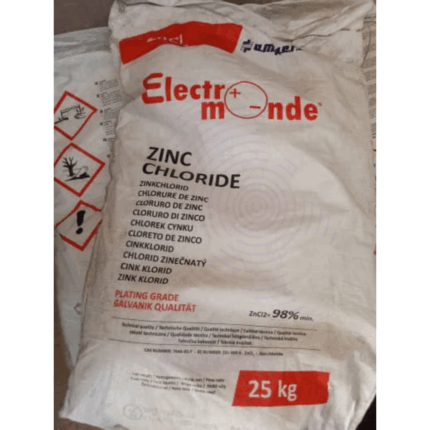
Zinc chloride
Zinc Chloride is a highly versatile, white crystalline inorganic compound known for its strong hygroscopic nature and high solubility in water. It serves multiple industrial roles including fluxing, dehydrating, catalysis, and preservation. With applications across metallurgy, pharmaceuticals, textiles, water treatment, and chemical synthesis, Zinc Chloride is valued for its reactivity and binding properties.
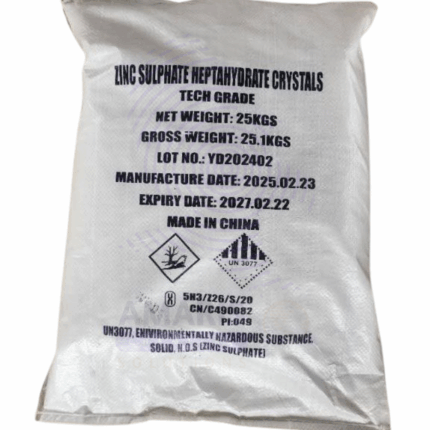
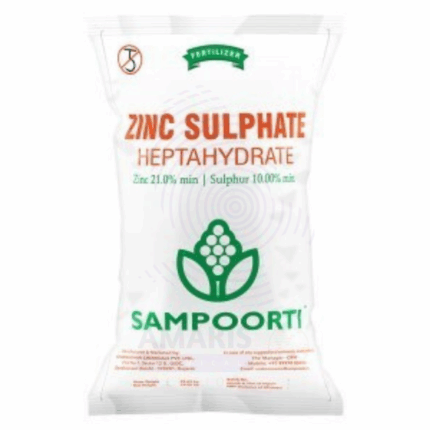
Zinc Sulphate Heptahydrate
Zinc Sulphate Heptahydrate (ZnSO₄·7H₂O) is a white, crystalline, water-soluble compound commonly used as a dietary supplement to treat zinc deficiency. It serves as a key ingredient in fertilizers, animal feeds, and industrial applications like water treatment and dyeing. The heptahydrate form contains seven water molecules, making it highly soluble and effective for various agricultural, medical, and chemical uses.












