

 Preservatives(food)
 Flavor Enhancers
 Acidulants
 Sweeteners
 Antioxidants
 Colorants(food)
 Nutraceutical Ingredients (food)
 Nutrient Supplements
 Emulsifiers
 Collectors
 Dust Suppressants
 Explosives and Blasting Agents
 Flocculants and Coagulants
 Frothers
 Leaching Agents
 pH Modifiers
 Precious Metal Extraction Agents
 Antioxidants(plastic)
 Colorants (Pigments, Dyes)
 Fillers and Reinforcements
 Flame Retardants
 Monomers
 Plasticizers
 Polymerization Initiators
 Stabilizers (UV, Heat)
 Antifoaming Agents
 Chelating Agents
 Coagulants and Flocculants
 Corrosion Inhibitors
 Disinfectants and Biocides
 Oxidizing Agents
 pH Adjusters
 Scale Inhibitors( water)
 Antioxidants(cosmetic)
 Emollients
 Fragrances and Essential Oils
 Humectants
 Preservatives
 Surfactants(cosmetic)
 Thickeners
 UV Filters
 Fertilizers
 Soil Conditioners
 Plant Growth Regulators
 Animal Feed Additives
 Biostimulants
 Pesticides (Herbicides, Insecticides, Fungicides)
 Active Pharmaceutical Ingredients (APIs)
 Excipients
 Solvents(pharmaceutical)
 Antibiotics
 Antiseptics and Disinfectants
 Vaccine Adjuvants
 Nutraceutical Ingredients (pharmaceutical)
 Analgesics & Antipyretics
 Analytical Reagents
 Solvents(lab)
 Chromatography Chemicals
 Spectroscopy Reagents
 microbiology-and-cell-culture-reagents
 Molecular Biology Reagents
 Biochemical Reagents
 Inorganic and Organic Standards
 Laboratory Safety Chemicals
 Specialty Laboratory Chemicals(Special Laboratory Equipment)
 Demulsifiers
 Hydraulic Fracturing Fluids
 Scale Inhibitors(oil)
 Surfactants(oil)
 Drilling Fluids
 Dyes and Pigments
 Bleaching Agents
 Softening Agents
 Finishing Agents
 Antistatic Agents
 Admixtures
 Waterproofing Agents
 Sealants and Adhesives
 Curing Compounds
 Concrete Repair Chemicals
 Anti-Corrosion Coatings
 Surfactants(cleaning)
 Builders
 Enzymes
 Solvents (Cleaning)
 Fragrances
 Electronic Chemicals
 Catalysts
 Lubricants
 Photographic Chemicals
 Refrigerants
 Automotive chemicals
 Pyrotechnic Chemicals
 Biodegradable Surfactants
 Bio-based Solvents
 Renewable Polymers
 Carbon Capture Chemicals
 Wastewater Treatment Chemicals
 Pigments
 Solvents(paint)
 Specialty Coatings
 Binders/Resins
 Additives
 Driers
 Anti-Corrosion Agents
 Functional Coatings
 Application-Specific Coatings
 Leavening Agents
 Dough Conditioners
 Flour Treatments
 Fat Replacers
 Decoratives
 Preservatives(baking)
 Plasticizers & Softeners
 Reinforcing Agents
 Adhesion Promoters
 Vulcanizing Agents
 Antidegradants
 Blowing Agents
 Fillers & Extenders
 Accelerators & Retarders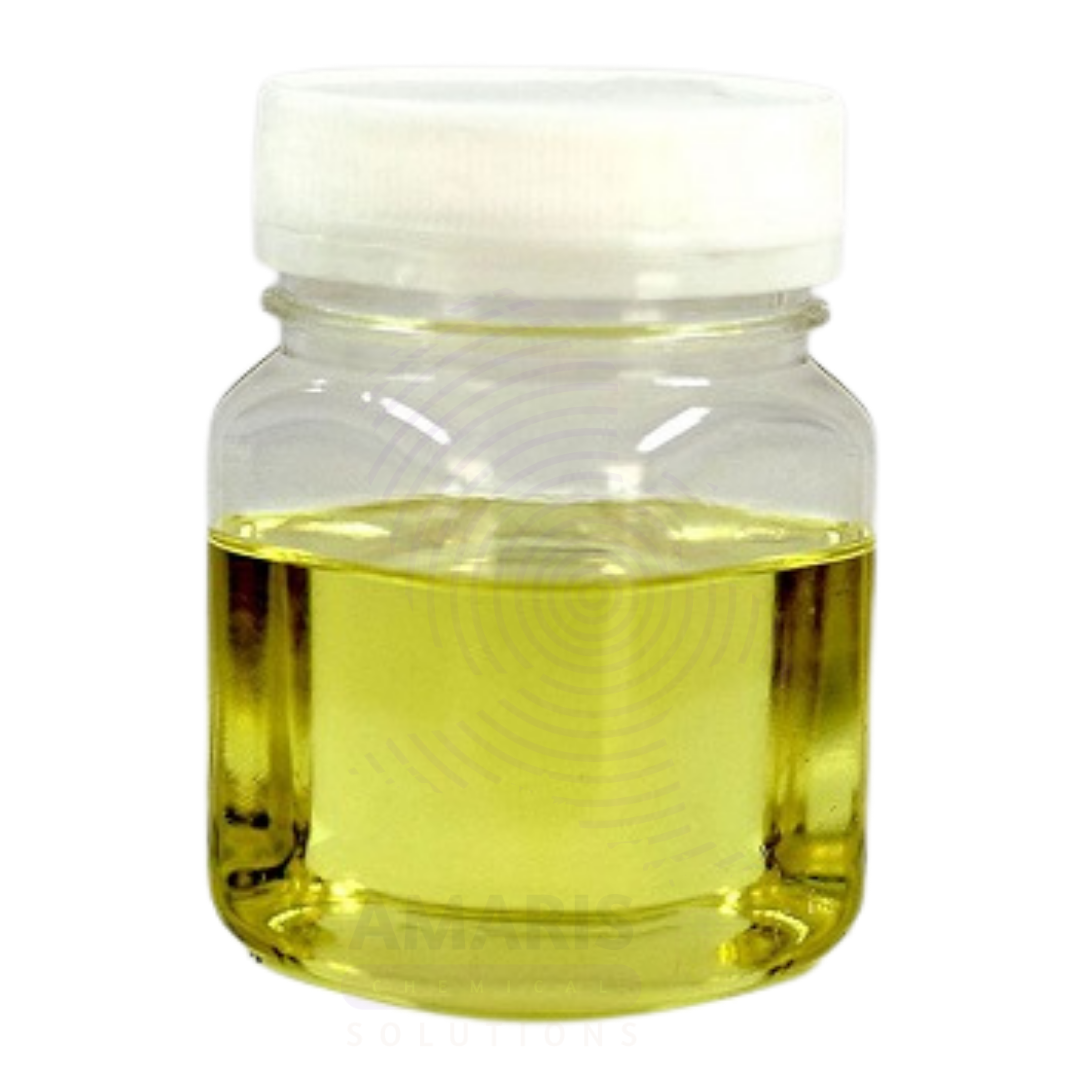

Turpentine Oil
Original price was: $ 15.20.$ 15.12Current price is: $ 15.12.
Turpentine Oil is a volatile essential oil distilled from the resin of pine trees (primarily Pinus species). It is a colorless to pale yellow fluid with a strong, distinctive odor, composed mainly of terpenes such as alpha-pinene and beta-pinene. Traditionally used as a solvent and medicinal agent, turpentine oil has broad applications across industrial, pharmaceutical, and agricultural sectors. Its natural origin and unique chemical profile also make it valuable in fragrance, flavoring, and organic synthesis.
Turpentine Oil
Primary Uses
- Pharmaceutical and Therapeutic Applications
- Used in chest rubs and balms for respiratory relief and congestion easing
- Included in topical liniments and ointments for muscle and joint pain relief
- Applied in formulations for anti-inflammatory and circulatory-stimulating effects
- Used in vapor therapy to support bronchial function and decongestion
- Aromatherapy & Wellness
- Diffused to purify the air and support respiratory clarity
- Used in blends for mental stimulation, focus, and emotional uplift
- Incorporated in massage oils for its warming and circulation-boosting properties
- Topical Applications
- Diluted in carrier oils for application on sore muscles and minor aches
- Used in balms and compresses to relieve neuralgia and joint stiffness
- Applied in natural insect repellents due to its strong scent and insecticidal properties
- Cosmetics and Personal Care
- Added to soaps and body washes for its strong pine aroma and cleansing power
- Occasionally used in foot care products for odor control and fungal defense
Secondary Uses
- Cleaning and Detergent Products
- Used in natural and industrial degreasers and stain removers for its solvent power
- Added to multi-surface cleaners and floor polishes as a fragrance and cleaning enhancer
- Incorporated in heavy-duty hand cleaners for paint and grease removal
- Paint and Coatings Industry
- Used as a solvent and thinner in oil-based paints, varnishes, and lacquers
- Acts as a natural diluent for artist paints and ink formulations
- Included in industrial coatings and sealants for enhanced spreadability and drying
- Industrial and Specialty Applications
- Employed in adhesive formulations and sealants as a solvent carrier
- Used in the manufacture of synthetic camphor and terpene-based chemicals
- Applied in rubber and plastics as a process aid or solvent component
- Fragrance and Ambient Scenting
- Used in air fresheners and cleaning sprays for its sharp, piney scent
- Included in forest-scented candles, incense, and room sprays
| PACK SIZE | 5kg |
|---|
1. Basic Identification Attributes
- Botanical Source: Resin of Pinus spp. (e.g., Pinus pinaster, Pinus sylvestris)
- Common/Trade Name: Turpentine Oil
- INCI Name: Pinus Palustris Oil (or species-specific name)
- CAS Number: 8006-64-2
- HS Code: 3301.29
- Synonyms: Gum Turpentine, Pine Turpentine, Spirits of Turpentine
2. Physical & Chemical Properties
- Physical State: Volatile liquid
- Color & Odor: Colorless to pale yellow; sharp, woody, resinous aroma
- Solubility: Insoluble in water; soluble in alcohol, oils, and organic solvents
- Refractive Index: 1.460 – 1.485
- Specific Gravity: 0.855 – 0.880
- Main Components: Alpha-pinene, beta-pinene, limonene
3. Safety & Hazard Attributes
- GHS Classification: Flammable liquid and vapor; may cause skin and eye irritation
- Toxicity: Toxic if ingested; may be harmful if inhaled in large quantities
- Exposure Limits: Refer to Safety Data Sheet (SDS)
- Allergen Information: Contains naturally occurring allergens like pinene and limonene
4. Storage & Handling Attributes
- Storage Conditions: Store in tightly sealed containers in a cool, well-ventilated area away from heat and ignition sources
- Container Type: Metal or HDPE drums with sealed closures
- Shelf Life: 12 to 24 months under proper storage
- Handling Precautions: Avoid inhalation and direct skin contact; use protective gear during bulk handling
5. Regulatory & Compliance Attributes
- Compliant with IFRA for limited use in fragrances
- Subject to transport regulations due to flammability (UN 1299, Class 3)
- Produced in GMP-compliant environments for applicable grades
6. Environmental & Health Impact
- Biodegradability: Readily biodegradable in the environment
- Ecotoxicity: Moderate aquatic toxicity; prevent large discharges into waterways
- Bioaccumulation: Not expected to significantly bioaccumulate
Safety Handling Precautions
- PPE Required: Gloves, goggles, flame-resistant clothing, and masks in industrial environments
- Handling Guidelines: Ensure adequate ventilation; ground all containers to prevent static discharge
First Aid Measures
- Inhalation: Move to fresh air; consult medical help if symptoms persist
- Skin Contact: Wash with soap and water; discontinue use if irritation occurs
- Eye Contact: Rinse thoroughly with water for 15 minutes; seek medical attention
- Ingestion: Do not induce vomiting; seek immediate medical assistance
Firefighting Measures
- Fire Hazards: Highly flammable; keep away from sparks, open flames, and heat
- Extinguishing Media: Dry chemical, carbon dioxide, foam, or water fog (not a solid stream)
- Special Precautions: Use self-contained breathing apparatus and full protective gear
- Hazardous Combustion Products: Carbon monoxide, carbon dioxide, dense smoke
Related products
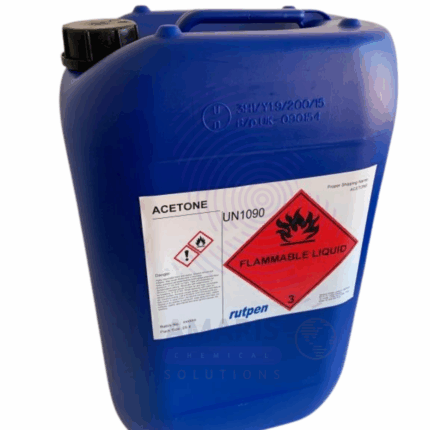
Acetone
Acetone (chemical formula CH₃COCH₃) is the simplest and most widely used ketone, appearing as a clear, colorless, volatile liquid with a characteristic sweet, pungent odor. Industrial Grade Acetone is manufactured with a minimum purity of 99.5%, offering aggressive solvent power, rapid evaporation rate, and complete miscibility with water and most organic solvents. Its combination of high solvency, low toxicity relative to other industrial solvents, and favorable regulatory status makes it an indispensable chemical in manufacturing, cleaning, and formulation processes across numerous heavy industries.

Butyl Acetate
Butyl Acetate is a clear, colorless liquid with a characteristic pleasant fruity odor similar to pears or bananas. It is an ester formed from butanol and acetic acid. Due to its excellent solvent properties, moderate evaporation rate, and relatively low toxicity, it is widely used in industrial, pharmaceutical, food flavoring, and cosmetic applications. It dissolves many resins and polymers and is prized for improving flow and finish in coatings and inks.
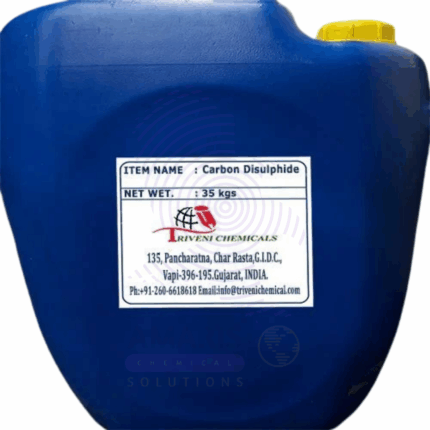
Carbon Disulfide
Carbon Disulfide (CS₂) is a volatile, flammable, and highly toxic organic solvent composed of carbon and sulfur. At 99% purity, it is a clear to pale yellow liquid with a pungent, sweet, ether-like odor. Carbon Disulfide is produced primarily by the reaction of carbon (charcoal) with sulfur vapors at high temperatures. Due to its excellent solvent properties and reactivity, it is used across multiple industries, including the production of rayon, cellophane, rubber chemicals, and pesticides. Despite its utility, Carbon Disulfide requires careful handling because of its toxicity, flammability, and environmental hazards.
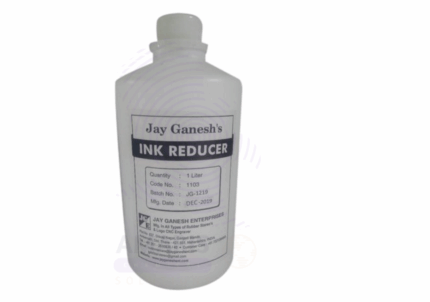
Ink reducer (Ethanol)
Ink reducer (Ethanol) is a volatile, colorless liquid used to adjust the viscosity, flow, and drying time of printing inks. Composed primarily of high-purity ethanol (ethyl alcohol), it acts as a solvent or diluent in various ink systems—particularly in flexographic, gravure, and screen printing. This reducer enhances printability by improving ink transfer, leveling, and penetration into substrates. Ink reducers based on ethanol are fast-drying and widely compatible with alcohol-soluble and water-alcohol hybrid inks used in packaging, label printing, and paper conversion industries.
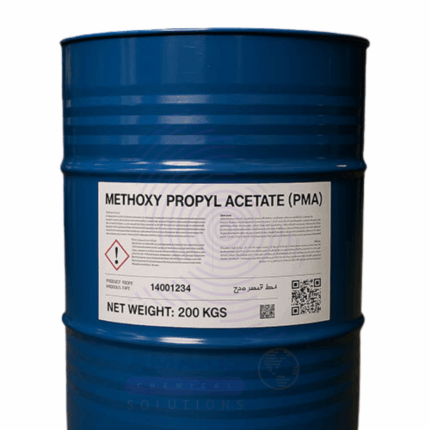
Methoxy Propyl Acetate
Methoxy Propyl Acetate is a clear, colorless liquid solvent with a mild fruity odor. It is an ester derived from methoxy propanol and acetic acid, widely used in coatings, inks, adhesives, and cleaning products due to its excellent solvency, moderate evaporation rate, and good compatibility with various resins. PMA offers low volatility and strong solvency for a broad range of materials, making it ideal for industrial and commercial applications.

Mineral Turpentine
Mineral Turpentine, also known as White Spirit or Stoddard Solvent, is a clear, petroleum-derived solvent widely used in industrial, commercial, and household applications. It is a mixture of aliphatic and alicyclic hydrocarbons obtained from the distillation of crude oil. Mineral Turpentine serves as an effective solvent for paints, varnishes, and adhesives and is valued for its moderate evaporation rate and good solvency power.
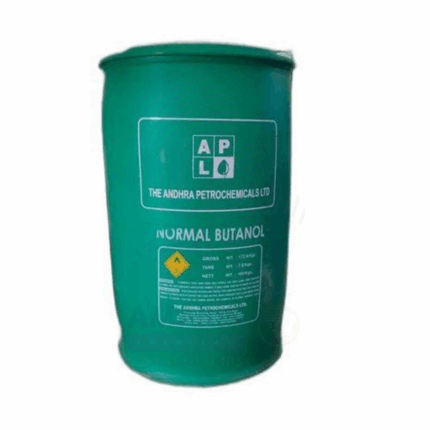
Normal Butanol
Normal Butanol is a straight-chain primary alcohol with the chemical formula C4H10O. It is a colorless, flammable liquid with a characteristic alcoholic odor. Known for its good solvent properties and moderate evaporation rate, n-Butanol is widely used in industrial applications such as solvents for paints, coatings, adhesives, and as an intermediate in chemical synthesis.
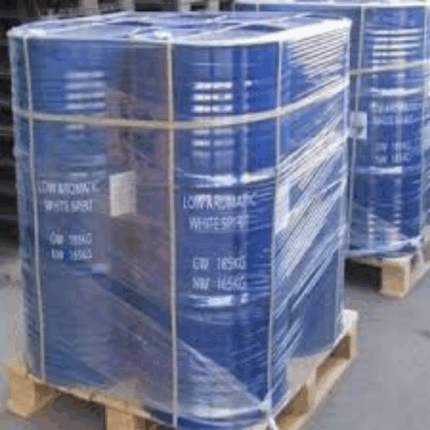
White Spirit
White Spirit is a clear, colorless, petroleum-derived solvent widely used in industrial, commercial, and household applications. It is composed primarily of aliphatic and alicyclic hydrocarbons, offering excellent solvency properties, moderate evaporation rate, and low odor varieties. White Spirit serves as a powerful degreaser, paint thinner, and cleaning agent, facilitating effective removal of oils, greases, and paints.












