

 Preservatives(food)
 Flavor Enhancers
 Acidulants
 Sweeteners
 Antioxidants
 Colorants(food)
 Nutraceutical Ingredients (food)
 Nutrient Supplements
 Emulsifiers
 Collectors
 Dust Suppressants
 Explosives and Blasting Agents
 Flocculants and Coagulants
 Frothers
 Leaching Agents
 pH Modifiers
 Precious Metal Extraction Agents
 Antioxidants(plastic)
 Colorants (Pigments, Dyes)
 Fillers and Reinforcements
 Flame Retardants
 Monomers
 Plasticizers
 Polymerization Initiators
 Stabilizers (UV, Heat)
 Antifoaming Agents
 Chelating Agents
 Coagulants and Flocculants
 Corrosion Inhibitors
 Disinfectants and Biocides
 Oxidizing Agents
 pH Adjusters
 Scale Inhibitors( water)
 Antioxidants(cosmetic)
 Emollients
 Fragrances and Essential Oils
 Humectants
 Preservatives
 Surfactants(cosmetic)
 Thickeners
 UV Filters
 Fertilizers
 Soil Conditioners
 Plant Growth Regulators
 Animal Feed Additives
 Biostimulants
 Pesticides (Herbicides, Insecticides, Fungicides)
 Active Pharmaceutical Ingredients (APIs)
 Excipients
 Solvents(pharmaceutical)
 Antibiotics
 Antiseptics and Disinfectants
 Vaccine Adjuvants
 Nutraceutical Ingredients (pharmaceutical)
 Analgesics & Antipyretics
 Analytical Reagents
 Solvents(lab)
 Chromatography Chemicals
 Spectroscopy Reagents
 microbiology-and-cell-culture-reagents
 Molecular Biology Reagents
 Biochemical Reagents
 Inorganic and Organic Standards
 Laboratory Safety Chemicals
 Specialty Laboratory Chemicals(Special Laboratory Equipment)
 Demulsifiers
 Hydraulic Fracturing Fluids
 Scale Inhibitors(oil)
 Surfactants(oil)
 Drilling Fluids
 Dyes and Pigments
 Bleaching Agents
 Softening Agents
 Finishing Agents
 Antistatic Agents
 Admixtures
 Waterproofing Agents
 Sealants and Adhesives
 Curing Compounds
 Concrete Repair Chemicals
 Anti-Corrosion Coatings
 Surfactants(cleaning)
 Builders
 Enzymes
 Solvents (Cleaning)
 Fragrances
 Electronic Chemicals
 Catalysts
 Lubricants
 Photographic Chemicals
 Refrigerants
 Automotive chemicals
 Pyrotechnic Chemicals
 Biodegradable Surfactants
 Bio-based Solvents
 Renewable Polymers
 Carbon Capture Chemicals
 Wastewater Treatment Chemicals
 Pigments
 Solvents(paint)
 Specialty Coatings
 Binders/Resins
 Additives
 Driers
 Anti-Corrosion Agents
 Functional Coatings
 Application-Specific Coatings
 Leavening Agents
 Dough Conditioners
 Flour Treatments
 Fat Replacers
 Decoratives
 Preservatives(baking)
 Plasticizers & Softeners
 Reinforcing Agents
 Adhesion Promoters
 Vulcanizing Agents
 Antidegradants
 Blowing Agents
 Fillers & Extenders
 Accelerators & Retarders

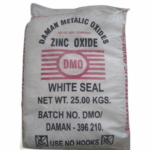


Zinc Oxide
Zinc Oxide is an inorganic white powder composed primarily of ZnO. It is widely used as a functional additive in rubber, ceramics, glass, paints, and chemical industries. Known for its excellent chemical stability, UV-absorbing capability, and reactivity with acids and alkalis, this grade is tailored for industrial applications where high purity is not mandatory but consistent quality and performance are essential.
Zinc Oxide
Primary Uses
- Rubber Industry
- Activator in Vulcanization: Acts as an activator with stearic acid in the vulcanization of rubber, improving elasticity, tensile strength, and aging resistance.
- Reinforcing Agent: Enhances mechanical properties and abrasion resistance of rubber compounds.
- Heat Stabilizer: Helps protect rubber from heat degradation during processing and use.
- Ceramics Industry
- Glazing Agent: Used in ceramic glazes to promote gloss and opacity.
- Fluxing Agent: Lowers melting point and improves sintering of ceramics and enamels.
- Glass Manufacturing
- Clarifying Agent: Improves transparency and chemical resistance in specialty glass formulations.
- UV Filter: Used in optical and UV-blocking glass materials.
- Paints & Coatings
- Pigment & UV Blocker: Acts as a white pigment and UV absorber to protect coatings from degradation.
- Mildew and Corrosion Resistance: Enhances anti-fungal and anti-corrosive properties in protective paints.
- Chemical Industry
- Intermediate: Serves as a starting material for producing zinc salts (e.g., zinc acetate, zinc carbonate).
- Catalyst Support: Used in petrochemical and fine chemical synthesis as a catalyst or catalyst carrier.
Secondary Uses
- Adhesives & Sealants
- Thickening and Opacity Enhancer: Used in select formulations to improve opacity and viscosity control.
- Metallurgy
- Zinc Source in Alloying: Occasionally added to aluminum and brass to modify properties or for galvanizing baths.
- Fertilizers
- Micronutrient Additive (Industrial Use): Used in technical-grade agricultural formulations to address zinc deficiency in soils.
- Lubricants & Greases
- Additive: Acts as an anti-wear agent and heat stabilizer in specialized greases and lubricants.
- Printing Inks & Plastics
- Pigment & Heat Stabilizer: Offers brightness and thermal stability in inks and plastics, particularly PVC.
1. Basic Identification Attributes
- Chemical Name (IUPAC): Zinc oxide
- Common/Trade Name: Zinc Oxide Tech Grade
- CAS Number: 1314-13-2
- HS Code: 2817.00.00
- Synonyms: ZnO, calamine, zinc white
2. Physical & Chemical Properties
- Physical State: Fine white powder
- Color & Odor: White; odorless
- Melting Point: ~1,975 °C
- Boiling Point: Sublimes at ~2,360 °C
- Solubility: Insoluble in water; soluble in acids and alkalis
- Density: 5.6 g/cm³
- Surface Area: Varies by grade; typically ~4–20 m²/g (BET)
3. Safety & Hazard Attributes
- GHS Classification:
- Not classified as hazardous under normal conditions
- May cause mild skin/eye irritation
- Harmful to aquatic life in large quantities
- Toxicity: Low acute toxicity; avoid inhalation of fine particles
- Exposure Limits:
- ACGIH TLV (ZnO fume): 2 mg/m³ (TWA), 10 mg/m³ (STEL)
4. Storage & Handling Attributes
- Storage Conditions: Store in a cool, dry, well-ventilated area, away from acids
- Container Type: 25 kg multi-ply paper or HDPE bags
- Shelf Life: Up to 36 months in sealed packaging under recommended storage
- Handling Precautions: Avoid inhalation of dust; use PPE during handling
5. Regulatory & Compliance Attributes
- Complies with REACH, OSHA, TSCA, and other global chemical safety regulations
- Listed on international chemical inventories (EINECS, DSL, AICS, etc.)
- Manufactured under ISO 9001 and ISO 14001 quality and environmental standards
- RoHS compliant for use in electronics and coatings (when applicable)
- Not intended for pharmaceutical or food use unless stated
6. Environmental & Health Impact
- Biodegradability: Not applicable (inorganic)
- Ecotoxicity: Harmful to aquatic life in concentrated discharge
- Bioaccumulation: Negligible
- Environmental Note: Dispose of waste in accordance with local environmental laws
Safety Handling Precautions
- PPE Required: Gloves, goggles, dust mask/respirator
- Handling Guidelines: Minimize dust generation; use local exhaust ventilation
- Storage Measures: Keep containers sealed and clearly labeled
First Aid Measures
- Inhalation: Move to fresh air; seek medical advice if symptoms persist
- Skin Contact: Wash with soap and water
- Eye Contact: Rinse cautiously with water for 15 minutes
- Ingestion: Rinse mouth; seek medical attention if large amounts are ingested
Firefighting Measures
- Fire Hazards: Non-flammable
- Extinguishing Media: Use appropriate media for surrounding materials
- Hazardous Combustion Products: Zinc oxide fumes (at extremely high temperatures)
Related products
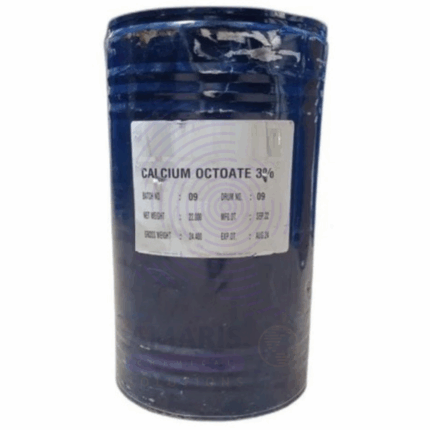
Calcium Octoate
Calcium Octoate 10% is an aqueous solution containing 10% calcium octoate, a calcium salt of 2-ethylhexanoic acid (octanoic acid). It is a white to pale yellow liquid, soluble in water, known primarily as a metal carboxylate used as a drying agent and corrosion inhibitor. It functions as a calcium-based drier in coatings, paints, varnishes, and printing inks to accelerate the curing process by catalyzing the oxidation and polymerization of drying oils. Due to its stability and efficacy at low concentrations, it is widely preferred as a non-toxic alternative to traditional lead or cobalt-based driers.
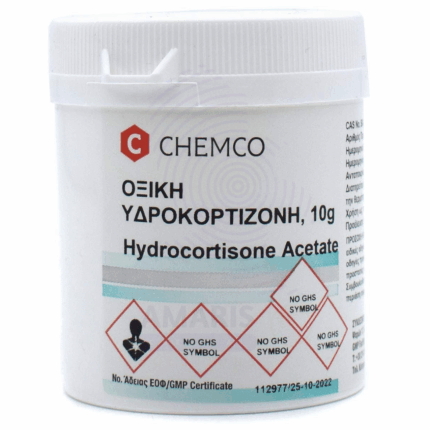
Hydrocortisone Acetate
Hydrocortisone Acetate is a synthetic corticosteroid ester derived from hydrocortisone (cortisol). It is a white to off-white crystalline powder, practically insoluble in water but soluble in alcohol and acetone. This compound exhibits potent anti-inflammatory, immunosuppressive, and anti-allergic properties, making it widely used in pharmaceutical and dermatological formulations. Hydrocortisone Acetate acts by modulating gene expression to reduce the production of inflammatory mediators, thereby alleviating symptoms in various inflammatory and autoimmune conditions.
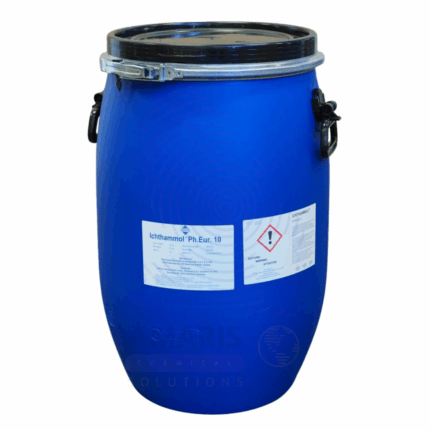
Ichthammol BP98
Ichthammol BP98, also known as ammonium bituminosulfonate, is a dark brown to black, viscous, sulfur-rich, semi-solid substance derived from the distillation of shale or bituminous rocks. It has a characteristic tar-like odor and is highly valued in pharmaceutical and dermatological applications for its anti-inflammatory, antiseptic, antipruritic (anti-itch), and keratolytic properties. Ichthammol penetrates deeply into the skin and soft tissues, helping to alleviate inflammation and promote healing. It is widely used in topical preparations for treating skin conditions such as eczema, psoriasis, boils, abscesses, and other dermatological infections.
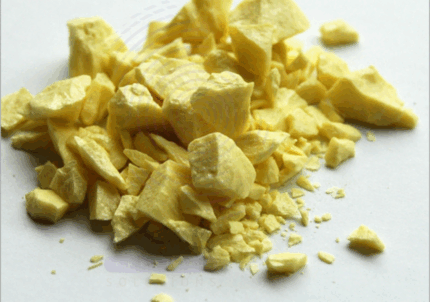
Sulphur Lumps
Sulphur Lumps are solid, crystalline elemental sulfur in chunk or lump form, typically derived from natural sources or by-product recovery processes. Known for their high purity, these lumps are widely used in industrial applications requiring elemental sulfur. Their solid form facilitates easy handling, storage, and transport. Sulphur Lumps are key raw materials in the production of sulfuric acid, fertilizers, vulcanization agents, and various chemical intermediates.
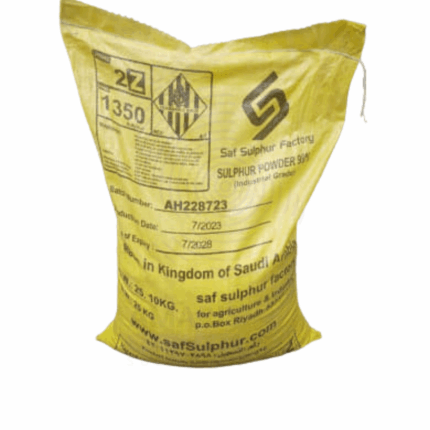
Sulphur Powder
Sulphur Powder is finely ground elemental sulfur known for its high purity and uniform particle size. It is widely used across industries such as agriculture, chemical manufacturing, pharmaceuticals, and rubber vulcanization. The powdered form offers increased surface area, enhancing reactivity and ease of mixing in formulations. Sulphur Powder is essential in various processes requiring sulfur as a raw material or active component.

Turmeric Oil
Turmeric Oil is an essential oil extracted from the rhizomes of the turmeric plant (Curcuma longa) through steam distillation. Known for its warm, spicy, and earthy aroma, turmeric oil is highly valued for its potent anti-inflammatory, antioxidant, and antimicrobial properties. It has a rich golden-yellow color and is widely used in cosmetic formulations, traditional medicine, aromatherapy, and natural personal care products. The oil contains bioactive compounds such as turmerone, which contribute to its therapeutic and preservative qualities. Turmeric oil is also used in flavoring and fragrance applications, as well as in natural cleaning products for its antimicrobial benefits.

Yellow Oxide
Yellow Oxide is a high-quality, synthetic iron oxide pigment characterized by its bright yellow color, excellent tinting strength, and outstanding durability. It is widely used as a colorant in coatings, plastics, construction materials, and other industrial applications. This pigment provides excellent weather resistance, chemical stability, and heat stability, ensuring vibrant and long-lasting color performance in various end products.
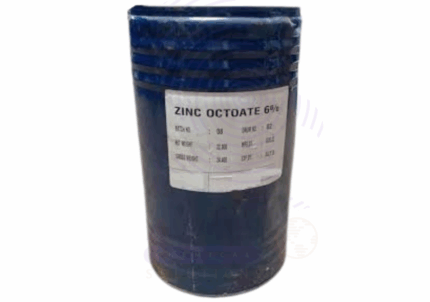
Zinc Octoate
Zinc Octoate is a metal carboxylate solution containing approximately 10% zinc content, derived from zinc and 2-ethylhexanoic acid (octoic acid). It functions as an effective curing agent, catalyst, and crosslinker in various polymer systems such as paints, coatings, adhesives, and rubber compounds. This compound improves film hardness, drying times, and overall durability of finished products, making it widely used in industrial and manufacturing processes.












