

 Preservatives(food)
 Flavors
 Acidulants
 Sweeteners
 Antioxidants
 Colorants(food)
 Nutraceutical Ingredients (food)
 Nutrient Supplements
 Emulsifiers
 Collectors
 Dust Suppressants
 Explosives and Blasting Agents
 Flocculants and Coagulants
 Frothers
 Leaching Agents
 pH Modifiers
 Precious Metal Extraction Agents
 Antioxidants(plastic)
 Colorants (Pigments, Dyes)
 Fillers and Reinforcements
 Flame Retardants
 Monomers
 Plasticizers
 Polymerization Initiators
 Stabilizers (UV, Heat)
 Antifoaming Agents
 Chelating Agents
 Coagulants and Flocculants
 Corrosion Inhibitors
 Disinfectants and Biocides
 Oxidizing Agents
 pH Adjusters
 Scale Inhibitors( water)
 Antioxidants(cosmetic)
 Emollients
 Oils
Oils Carrier Oills
 Essential Oils
 Humectants
 Preservatives
 Surfactants(cosmetic)
 Thickeners
 UV Filters
 Fertilizers
 Soil Conditioners
 Plant Growth Regulators
 Animal Feed Additives
 Biostimulants
 Pesticides (Herbicides, Insecticides, Fungicides)
 Active Pharmaceutical Ingredients (APIs)
 Excipients
 Solvents(pharmaceutical)
 Antibiotics
 Antiseptics and Disinfectants
 Vaccine Adjuvants
 Nutraceutical Ingredients (pharmaceutical)
 Analgesics & Antipyretics
 Analytical Reagents
 Solvents(lab)
 Chromatography Chemicals
 Spectroscopy Reagents
 microbiology-and-cell-culture-reagents
 Molecular Biology Reagents
 Biochemical Reagents
 Inorganic and Organic Standards
 Laboratory Safety Chemicals
 Specialty Laboratory Chemicals(Special Laboratory Equipment)
 Demulsifiers
 Hydraulic Fracturing Fluids
 Scale Inhibitors(oil)
 Surfactants(oil)
 Drilling Fluids
 Dyes and Pigments
 Bleaching Agents
 Softening Agents
 Finishing Agents
 Antistatic Agents
 Admixtures
 Waterproofing Agents
 Sealants and Adhesives
 Curing Compounds
 Concrete Repair Chemicals
 Anti-Corrosion Coatings
 Surfactants(cleaning)
 Builders
 Enzymes
 Solvents (Cleaning)
 Fragrances (Cleaning)
 Electronic Chemicals
 Catalysts
 Lubricants
 Photographic Chemicals
 Refrigerants
 Automotive chemicals
 Pyrotechnic Chemicals
 Biodegradable Surfactants
 Bio-based Solvents
 Renewable Polymers
 Carbon Capture Chemicals
 Wastewater Treatment Chemicals
 Pigments
 Solvents(paint)
 Specialty Coatings
 Binders/Resins
 Additives
 Driers
 Anti-Corrosion Agents
 Functional Coatings
 Application-Specific Coatings
 Leavening Agents
 Dough Conditioners
 Flour Treatments
 Fat Replacers
 Decoratives
 Preservatives(baking)
 Plasticizers & Softeners
 Reinforcing Agents
 Adhesion Promoters
 Vulcanizing Agents
 Antidegradants
 Blowing Agents
 Fillers & Extenders
 Accelerators & Retarders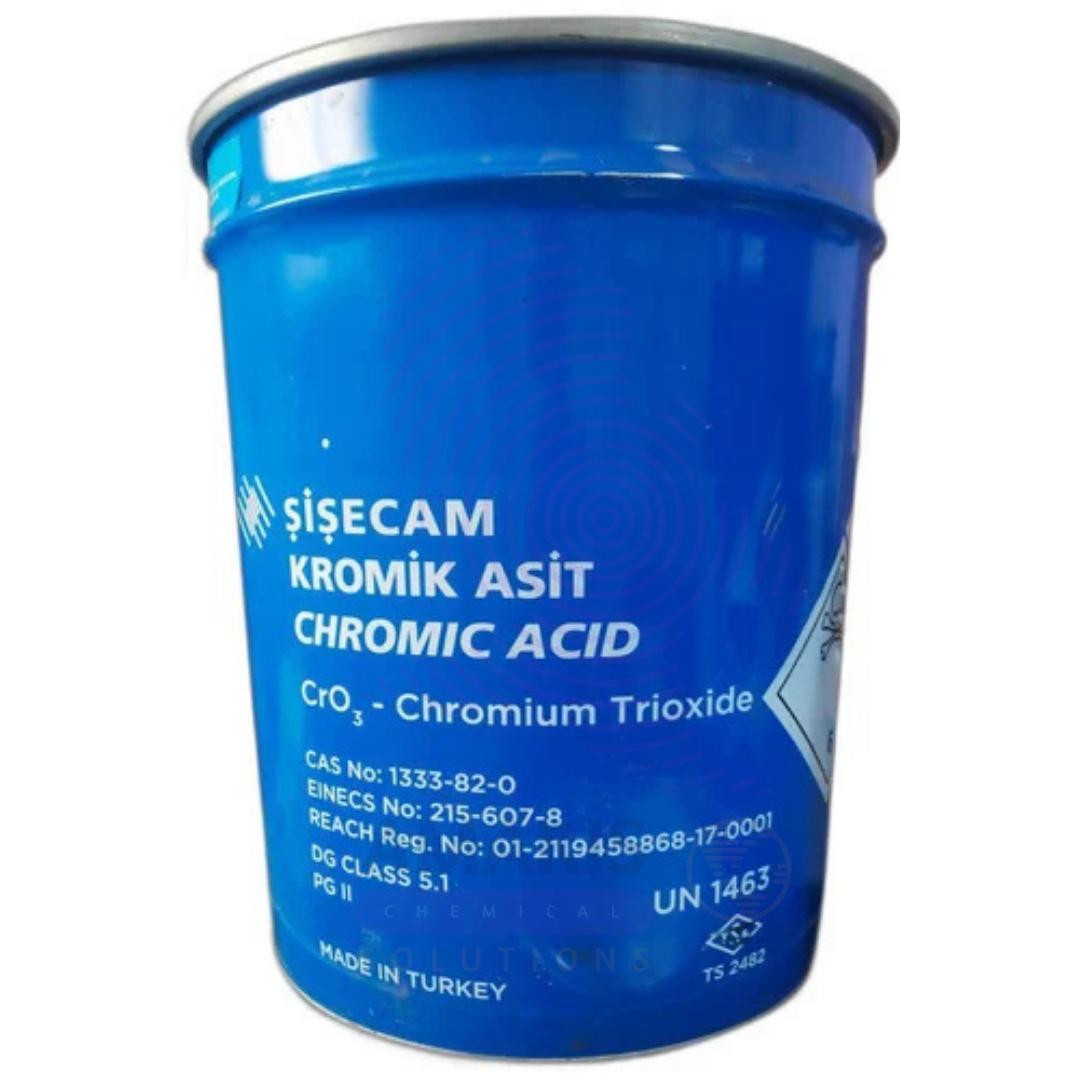


Chromic Acid
Chromic Acid is a powerful oxidizing agent, typically available as a bright orange-red crystalline solid or concentrated solution containing chromium trioxide (CrO₃) dissolved in sulfuric acid. It is a highly corrosive and strong acid used predominantly in industrial applications such as metal finishing, cleaning, and surface treatment. Chromic acid is valued for its excellent oxidative and cleaning properties, particularly in chromium plating, anodizing, and etching processes. Due to its toxicity and environmental hazards, its handling and disposal are strictly regulated. It plays a crucial role in chemical synthesis, laboratories, and manufacturing.
Chromic Acid
Primary Uses
- Metal Finishing & Surface Treatment
- Used extensively in chromium plating baths to deposit decorative, hard, and corrosion-resistant chromium coatings on metals.
- Employed in anodizing aluminum to produce a durable and corrosion-resistant oxide layer.
- Utilized in surface preparation, cleaning, and etching of metals before further processing or coating.
- Acts as a cleaning agent to remove organic contaminants and scale from metal surfaces.
- Chemical Industry & Laboratories
- Serves as a strong oxidizing agent in various organic synthesis reactions.
- Used for cleaning laboratory glassware and equipment due to its powerful oxidizing and cleansing properties.
- Utilized in the production of dyes, pigments, and chemicals requiring oxidation steps.
Secondary Uses
- Wastewater Treatment
- Applied in controlled amounts to oxidize and remove certain organic contaminants and pollutants.
- Electronics Industry
- Used for etching and cleaning semiconductor materials and electronic components.
- Analytical Chemistry
- Employed as a reagent for chemical analysis and titrations requiring strong oxidizing conditions.
1. Basic Identification Attributes
- Chemical Name (IUPAC): Chromic Acid (often referring to aqueous solution of chromium trioxide in sulfuric acid)
- Common/Trade Name: Chromic Acid
- CAS Number: 1333-82-0 (chromium trioxide)
- HS Code: 2841.70.00
- Molecular Formula: H₂CrO₄ (for chromic acid solution)
- Synonyms:
- Chromium trioxide solution
- Chromium(VI) oxide solution
- Chromic acid solution
2. Physical & Chemical Properties
- Physical State: Orange-red crystalline solid (chromium trioxide); or orange-red liquid (chromic acid solution)
- Color & Odor: Orange-red; odorless or slight acidic smell
- Melting Point: 197°C (chromium trioxide)
- Boiling Point: Decomposes before boiling
- Density: ~2.7 g/cm³ (solid); solution varies by concentration
- Solubility: Highly soluble in water, forming chromic acid solution
- Stability: Strong oxidizer; stable if stored properly but reacts violently with organic materials
3. Safety & Hazard Attributes
- Hazard Class (GHS): Corrosive, oxidizer, carcinogenic (Chromium VI compounds)
- NFPA Ratings: Health 4, Flammability 0, Reactivity 2
- Exposure Limits: OSHA PEL = 0.005 mg/m³ (Chromium VI)
- Toxicity: Highly toxic, carcinogenic, mutagenic, and harmful by inhalation, ingestion, and skin contact
- Reactivity: Strong oxidizer; reacts violently with reducing agents and organic substances
4. Storage & Handling Attributes
- Storage Conditions: Store in corrosion-resistant containers in cool, dry, well-ventilated area away from incompatible substances
- Container Type: Glass or polyethylene-lined steel containers
- Shelf Life: Stable if stored properly
- Special Handling: Use full PPE including acid-resistant gloves, face shield, and respirator; handle in fume hoods or well-ventilated areas
5. Regulatory & Compliance Attributes
- Classified as hazardous waste; strict disposal regulations apply
- Regulated under OSHA, EPA, REACH, and other national and international agencies
- Transportation: Classified as dangerous goods (Corrosive, oxidizer)
- FDA Status: Not permitted for food or pharmaceutical use
6. Environmental & Health Impact
- Ecotoxicity: Highly toxic to aquatic life; causes long-term environmental damage
- Persistence: Persistent in environment; chromium VI is highly mobile in soil and water
- Bioaccumulation: Potential for bioaccumulation and biomagnification
- Carcinogenicity/Mutagenicity: Classified as Group 1 carcinogen by IARC
- Biodegradability: Not biodegradable; requires specialized treatment
Safety Handling Precautions
- PPE: Acid-resistant gloves, goggles, face shield, lab coat, and respirator
- Handling: Avoid inhalation, ingestion, and skin contact; use only in fume hoods or well-ventilated areas
- Storage: Keep container tightly closed and stored away from incompatible materials (organic substances, reducing agents)
- Hygiene: Wash thoroughly after handling; no eating or drinking in work area
First Aid Measures
- Inhalation: Move victim to fresh air immediately; administer oxygen if breathing is difficult; seek urgent medical attention
- Skin Contact: Rinse immediately with plenty of water for at least 15 minutes; remove contaminated clothing; seek emergency medical care
- Eye Contact: Flush eyes thoroughly with water for at least 15 minutes; obtain immediate medical assistance
- Ingestion: Do NOT induce vomiting; rinse mouth with water; seek immediate medical attention
Firefighting Measures
- Fire Hazards: Non-flammable but strong oxidizer; can intensify fires
- Extinguishing Media: Use water spray, foam, or dry chemical extinguishers; avoid dry powder extinguishers that may react
- Special Precautions: Firefighters must wear full protective clothing and self-contained breathing apparatus
- Decomposition Products: May release toxic chromium oxides and sulfur oxides when heated
Related products
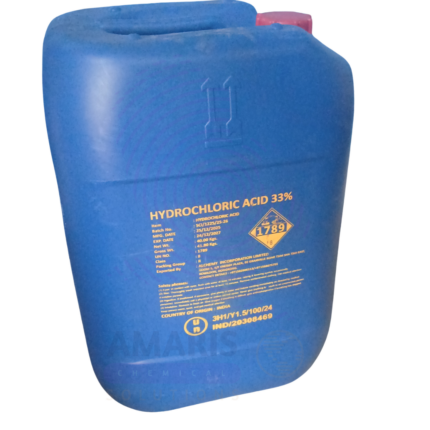
Hydrochloric Acid (HCL)
Hydrochloric Acid is a clear, colorless to slightly yellow aqueous solution of hydrogen chloride gas. It is a strong, highly corrosive mineral acid with a sharp, pungent odor. The chemical formula is HCl with a molecular weight of 36.46 g/mol. Hydrochloric Acid is completely miscible with water and many organic solvents. It is non-flammable but extremely corrosive to metals and human tissue. Technical grade Hydrochloric Acid is manufactured for industrial applications including chemical manufacturing, steel pickling, oil well acidizing, water treatment, and pH adjustment. It is available in various concentrations, typically ranging from 30% to 38% by weight.
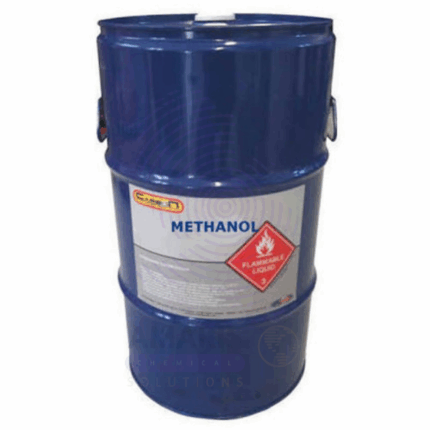
Methanol
Methanol, also known as methyl alcohol or wood alcohol, is a clear, colorless, volatile, and flammable liquid with a distinct alcoholic odor. It is the simplest alcohol and is widely used as an industrial solvent, antifreeze, fuel, and chemical feedstock. Methanol is highly miscible with water and many organic solvents and serves as a precursor to numerous chemicals including formaldehyde, acetic acid, and various plastic
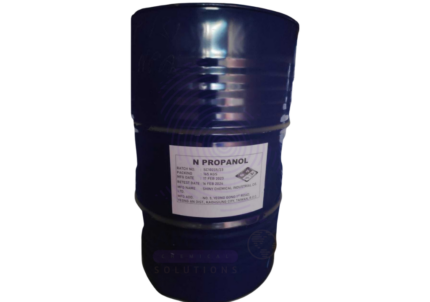
N-Propanol
N-Propanol, also known as n-Propyl Alcohol or 1-Propanol, is a clear, colorless, low-viscosity liquid with a characteristic mild alcohol-like odor. It is a primary alcohol with the molecular formula C₃H₈O, fully miscible with water and common organic solvents such as alcohols, ketones, ethers, glycols, and hydrocarbons. This high-purity, semi-volatile, polar solvent serves as both a versatile solvent and a chemical intermediate across multiple industrial sectors. N-Propanol has a flash point of 15–23°C and is classified as a highly flammable liquid. Technical grade N-Propanol is manufactured for industrial applications and is not intended for direct human consumption unless specifically certified as USP or Food Grade.
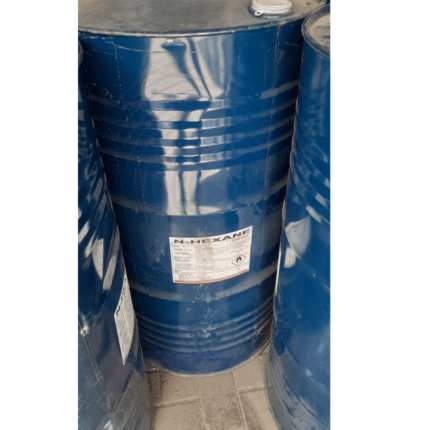
Normal Hexane
Normal Hexane is a colorless, highly flammable liquid hydrocarbon with the chemical formula C6H14. It belongs to the aliphatic hydrocarbon family and is primarily used as a solvent due to its excellent ability to dissolve oils, fats, and various organic compounds. It has a low boiling point and evaporates quickly, making it ideal for industrial and laboratory applications.
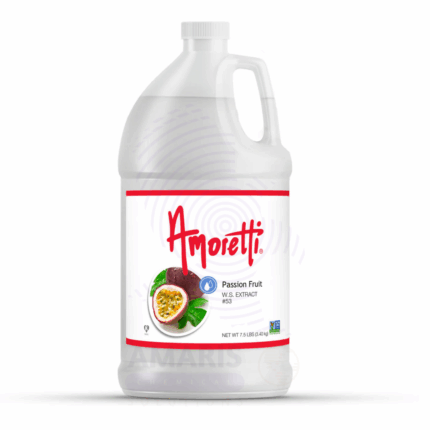
Passion Water Soluble Fragrance
Passion Water Soluble Fragrance is a fresh and vibrant fragrance designed to deliver the sweet, tropical aroma of passion fruit in water-based formulations. Its excellent solubility in water makes it ideal for use in a variety of cosmetic, personal care, and household products such as body sprays, lotions, shampoos, and air fresheners. This fragrance oil is formulated to maintain scent stability and longevity in aqueous systems while providing a clean, refreshing tropical note. Manufactured under strict quality standards, it ensures consistent performance and safety for various applications.
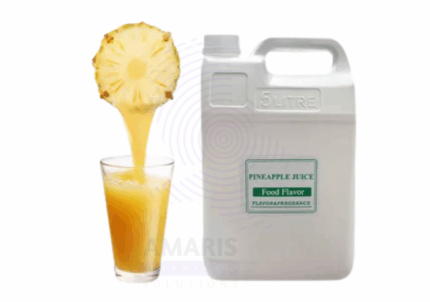
Pineapple Liquid Flavor
Pineapple Liquid Flavor (Food Grade) is a high-quality, natural and synthetic flavoring agent designed to capture the sweet, tangy, and refreshing taste of ripe pineapple. Widely used in the food and beverage industry, this flavor enhances a variety of products such as soft drinks, juices, confectionery, dairy, and baked goods. It is water and alcohol soluble, providing versatility in formulation. Its vibrant tropical aroma and authentic pineapple taste help create appealing and flavorful consumer products.
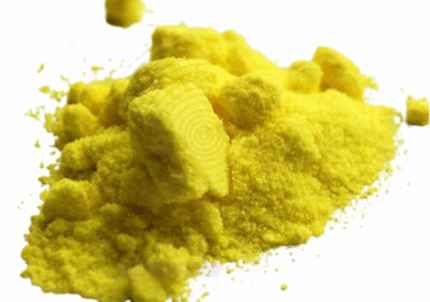
Potassium Chromate
Potassium Chromate is an inorganic chemical compound and a bright yellow crystalline solid commonly used as an oxidizing agent and pigment. It serves as a source of chromate ions in various chemical, industrial, and laboratory applications. Due to its toxic and carcinogenic nature, careful handling and strict regulatory compliance are essential. Potassium Chromate is widely used in corrosion inhibition, dyeing, and chemical synthesis processes.
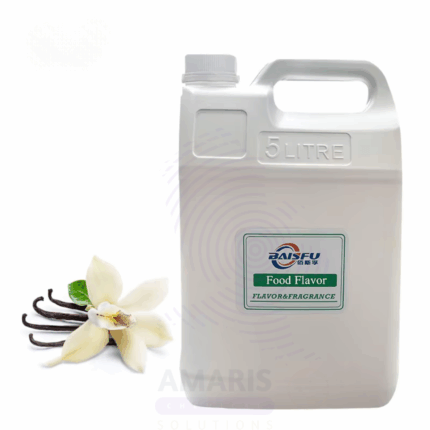
Vanilla Liquid Flavor
Vanilla Liquid Flavor is a high-quality, natural and synthetic blend designed to provide the rich, creamy, and sweet aroma characteristic of vanilla beans. Widely used in the food and beverage industry, this versatile flavoring enhances the taste profile of baked goods, dairy products, beverages, and confectionery. Its excellent solubility in water and alcohol allows for easy incorporation into a wide range of formulations. Liquid Vanilla Flavor offers a smooth, authentic vanilla note that improves product appeal and consumer satisfaction.












