

 Preservatives(food)
 Flavors
 Acidulants
 Sweeteners
 Antioxidants
 Colorants(food)
 Nutraceutical Ingredients (food)
 Nutrient Supplements
 Emulsifiers
 Collectors
 Dust Suppressants
 Explosives and Blasting Agents
 Flocculants and Coagulants
 Frothers
 Leaching Agents
 pH Modifiers
 Precious Metal Extraction Agents
 Antioxidants(plastic)
 Colorants (Pigments, Dyes)
 Fillers and Reinforcements
 Flame Retardants
 Monomers
 Plasticizers
 Polymerization Initiators
 Stabilizers (UV, Heat)
 Antifoaming Agents
 Chelating Agents
 Coagulants and Flocculants
 Corrosion Inhibitors
 Disinfectants and Biocides
 Oxidizing Agents
 pH Adjusters
 Scale Inhibitors( water)
 Antioxidants(cosmetic)
 Emollients
 Oils
Oils Carrier Oills
 Essential Oils
 Humectants
 Preservatives
 Surfactants(cosmetic)
 Thickeners
 UV Filters
 Fertilizers
 Soil Conditioners
 Plant Growth Regulators
 Animal Feed Additives
 Biostimulants
 Pesticides (Herbicides, Insecticides, Fungicides)
 Active Pharmaceutical Ingredients (APIs)
 Excipients
 Solvents(pharmaceutical)
 Antibiotics
 Antiseptics and Disinfectants
 Vaccine Adjuvants
 Nutraceutical Ingredients (pharmaceutical)
 Analgesics & Antipyretics
 Analytical Reagents
 Solvents(lab)
 Chromatography Chemicals
 Spectroscopy Reagents
 microbiology-and-cell-culture-reagents
 Molecular Biology Reagents
 Biochemical Reagents
 Inorganic and Organic Standards
 Laboratory Safety Chemicals
 Specialty Laboratory Chemicals(Special Laboratory Equipment)
 Demulsifiers
 Hydraulic Fracturing Fluids
 Scale Inhibitors(oil)
 Surfactants(oil)
 Drilling Fluids
 Dyes and Pigments
 Bleaching Agents
 Softening Agents
 Finishing Agents
 Antistatic Agents
 Admixtures
 Waterproofing Agents
 Sealants and Adhesives
 Curing Compounds
 Concrete Repair Chemicals
 Anti-Corrosion Coatings
 Surfactants(cleaning)
 Builders
 Enzymes
 Solvents (Cleaning)
 Fragrances (Cleaning)
 Electronic Chemicals
 Catalysts
 Lubricants
 Photographic Chemicals
 Refrigerants
 Automotive chemicals
 Pyrotechnic Chemicals
 Biodegradable Surfactants
 Bio-based Solvents
 Renewable Polymers
 Carbon Capture Chemicals
 Wastewater Treatment Chemicals
 Pigments
 Solvents(paint)
 Specialty Coatings
 Binders/Resins
 Additives
 Driers
 Anti-Corrosion Agents
 Functional Coatings
 Application-Specific Coatings
 Leavening Agents
 Dough Conditioners
 Flour Treatments
 Fat Replacers
 Decoratives
 Preservatives(baking)
 Plasticizers & Softeners
 Reinforcing Agents
 Adhesion Promoters
 Vulcanizing Agents
 Antidegradants
 Blowing Agents
 Fillers & Extenders
 Accelerators & Retarders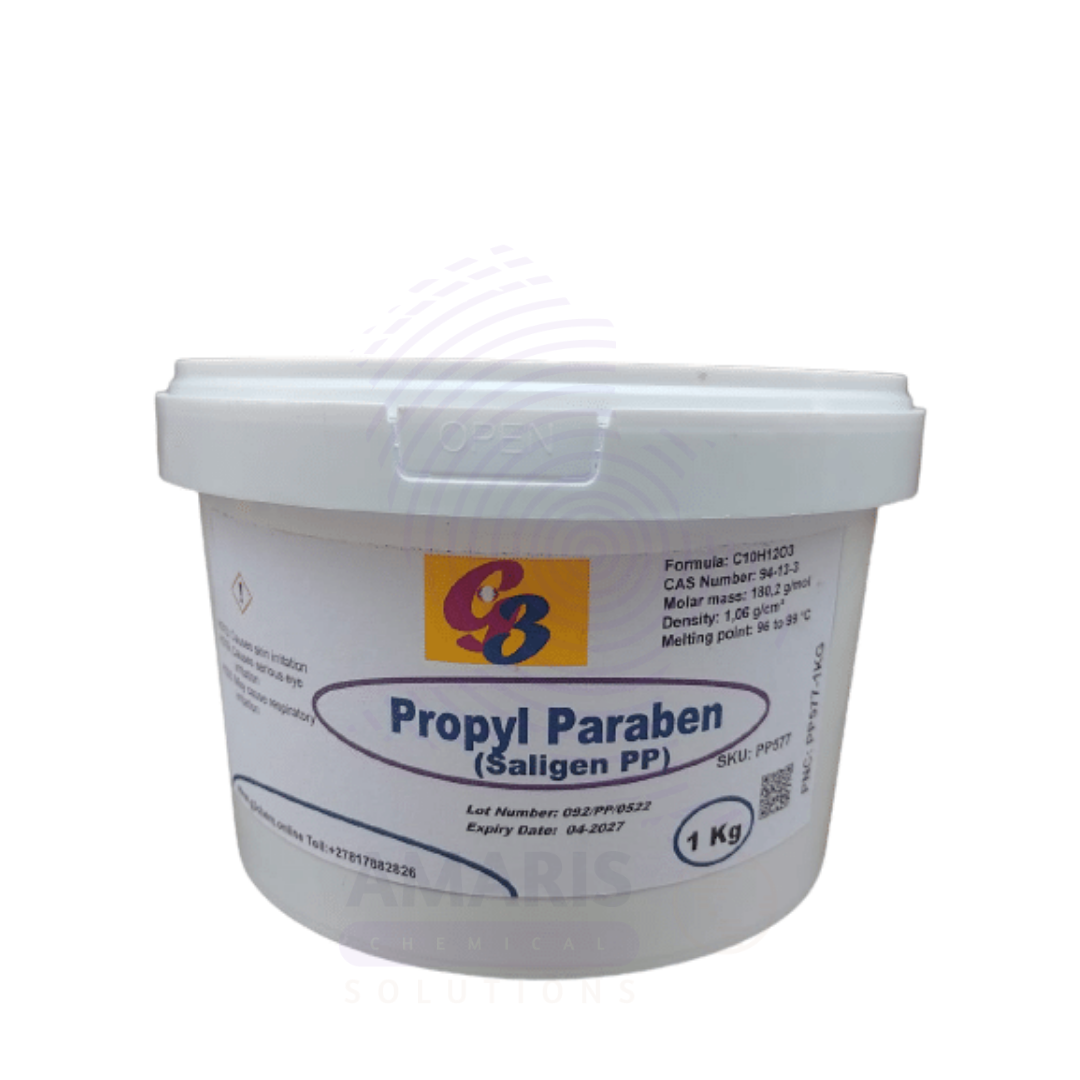

Propyl paraben
Propyl Paraben is a widely used preservative belonging to the paraben family, known for its antimicrobial properties. It is commonly employed to inhibit the growth of bacteria, mold, and yeast in cosmetic, pharmaceutical, and food products. Propyl Paraben is favored for its effectiveness, low toxicity, and compatibility with a broad range of formulations, helping extend product shelf life while maintaining safety.
Propyl paraben
Primary Uses
- Cosmetics and Personal Care
- Used as a preservative in creams, lotions, shampoos, and makeup products to prevent microbial contamination.
- Helps maintain product stability and extends shelf life.
- Pharmaceuticals
- Added to topical and oral pharmaceutical formulations to protect against microbial growth.
- Common in ointments, creams, and suspensions.
- Food Industry
- Utilized as a food preservative, especially in baked goods, beverages, and processed foods to prevent spoilage.
Secondary Uses
- Industrial Applications
- Employed in industrial products such as adhesives and paints for antimicrobial protection.
- Veterinary Products
- Used as a preservative in veterinary pharmaceuticals and topical products.
1. Basic Identification Attributes
- Chemical Name (IUPAC): Propyl 4-hydroxybenzoate
- Common/Trade Name: Propyl Paraben
- CAS Number: 94-13-3
- HS Code: 2914.11
- Synonyms: Propyl p-hydroxybenzoate; E216
2. Physical & Chemical Properties
- Physical State: White crystalline powder
- Color & Odor: White; odorless or faint characteristic odor
- Melting Point: Approximately 97–102°C
- Solubility: Slightly soluble in water; soluble in alcohol, ether, and oils
3. Safety & Hazard Attributes
- GHS Classification: May cause skin irritation; low acute toxicity
- Toxicity: Low; generally recognized as safe at recommended concentrations
- Exposure Limits: Follow product safety guidelines
4. Storage & Handling Attributes
- Storage Conditions: Store in a cool, dry place away from light and moisture
- Container Type: Sealed plastic or glass containers
- Shelf Life: Typically 2–3 years
- Handling Precautions: Avoid dust generation and inhalation
5. Regulatory & Compliance Attributes
- Approved for use in cosmetics, pharmaceuticals, and food by regulatory agencies (e.g., FDA, EU)
- Compliance with safety standards and labeling regulations
6. Environmental & Health Impact
- Biodegradability: Readily biodegradable
- Ecotoxicity: Low; no significant bioaccumulation
- Bioaccumulation: Not significant
Safety Handling Precautions
- PPE Required: Gloves and dust mask recommended during handling
- Handling Guidelines: Use in well-ventilated areas; avoid inhalation and skin contact
- Storage Measures: Keep containers tightly closed and protected from moisture
First Aid Measures
- Inhalation: Move to fresh air; seek medical attention if respiratory symptoms occur
- Skin Contact: Wash thoroughly with soap and water; seek medical advice if irritation develops
- Eye Contact: Rinse immediately with water for at least 15 minutes; get medical help if irritation persists
- Ingestion: Rinse mouth; do not induce vomiting; seek medical attention
Firefighting Measures
- Fire Hazards: Combustible solid
- Extinguishing Media: Water spray, dry chemical, foam, or CO₂
- Special Precautions: Use protective equipment and avoid inhalation of smoke
- Hazardous Combustion Products: Carbon oxides, toxic fumes
Related products
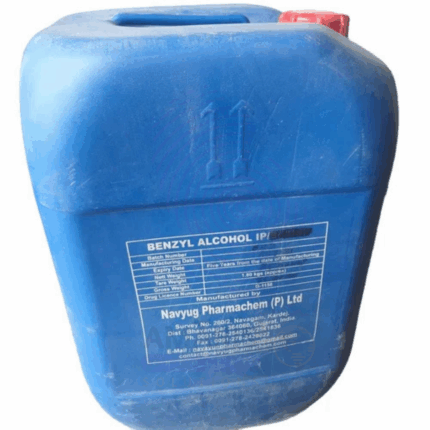
Benzyl Alcohol
Benzyl Alcohol is an aromatic alcohol with a mild pleasant odor and clear, colorless liquid appearance. It serves as a versatile solvent, preservative, and intermediate in chemical synthesis. Benzyl Alcohol is widely used across pharmaceuticals, cosmetics, paints, coatings, and as a bacteriostatic agent in injectable drugs. Its relatively low toxicity and good solvent properties make it valuable in both industrial and consumer products.
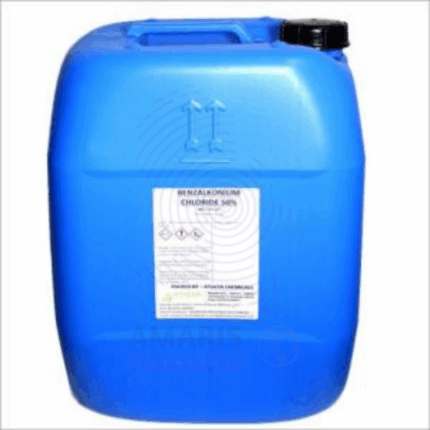
Benzyl Konium Chloride
Benzyl Konium Chloride (BAC) 50% is a quaternary ammonium compound with potent antimicrobial and disinfectant properties. It is a cationic surfactant widely used for its bactericidal, fungicidal, and virucidal effects. This clear to pale yellow liquid concentrate is highly soluble in water and is commonly used in healthcare, sanitation, and industrial hygiene applications. BAC 50% solutions serve as active ingredients in disinfectants, sanitizers, and antiseptics due to their effectiveness against a broad spectrum of microorganisms.
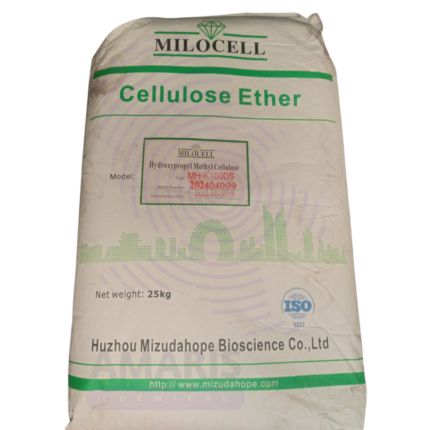
Cellulose Ether
Cellulose ether refers to a group of chemically modified cellulose derivatives where hydroxyl groups on the cellulose backbone are substituted with ether groups such as methyl, hydroxyethyl, or carboxymethyl groups. These modifications improve solubility, viscosity, and film-forming properties while maintaining biodegradability and non-toxicity. Cellulose ethers are white to off-white powders or granules that dissolve in water to form viscous, stable solutions. They are widely used as thickeners, binders, stabilizers, and film formers in industries such as construction, pharmaceuticals, cosmetics, food, and paper.
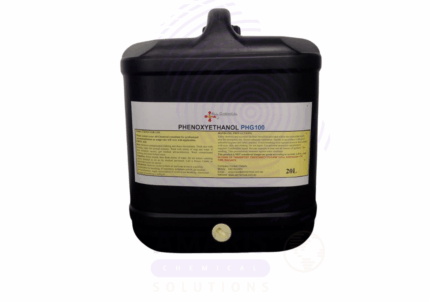
Phenoxyethanol
Phenoxyethanol 10 is a glycol ether commonly used as a preservative and antimicrobial agent in cosmetic and pharmaceutical formulations. It is a clear, colorless to pale yellow liquid with a mild floral scent. Phenoxyethanol offers broad-spectrum antibacterial and antifungal properties, making it an effective alternative to parabens in many products. Its stability, low toxicity, and compatibility with various ingredients make it a popular choice in personal care and industrial applications.
Prednisolone Sodium Phosphate
Prednisolone Sodium Phosphate is a water-soluble ester of prednisolone, a synthetic glucocorticoid steroid with potent anti-inflammatory and immunosuppressive effects. Its enhanced solubility makes it suitable for injectable formulations and rapid systemic action. It is commonly used to treat various inflammatory, allergic, and autoimmune conditions, offering effective modulation of immune responses and inflammation.
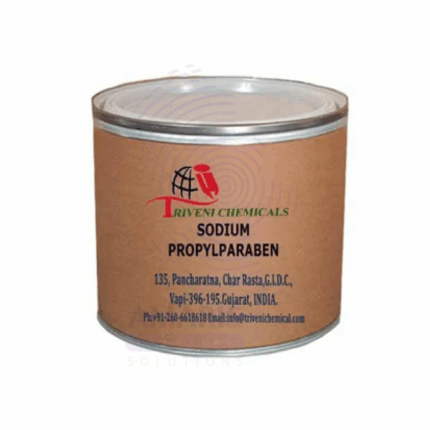
Propyl Paraben Sodium BP
Propyl Paraben Sodium BP is the sodium salt derivative of propyl paraben, widely used as an effective antimicrobial preservative. It offers improved water solubility compared to propyl paraben and is commonly employed in pharmaceutical, cosmetic, and food products to inhibit the growth of bacteria, molds, and yeasts, thereby extending shelf life and ensuring product safety.
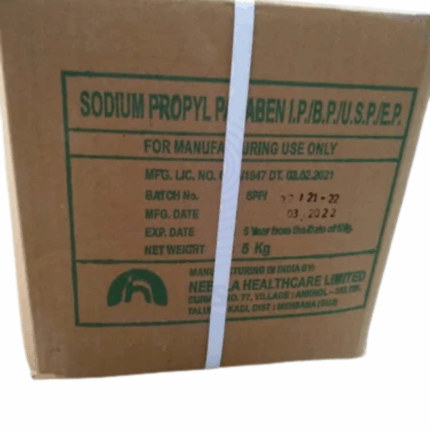
Sodium Propyl Paraben
Sodium Propyl Paraben is the sodium salt of propylparaben, a white to off-white crystalline powder or granule with the chemical formula C₁₀H₁₂NaO₃. It is a water-soluble antimicrobial preservative used extensively in personal care, pharmaceutical, and food products. Packaged in 25kg containers, it offers excellent stability and effectiveness over a wide pH range. Its antifungal and antibacterial properties make it a reliable choice for preventing microbial contamination and extending shelf life.
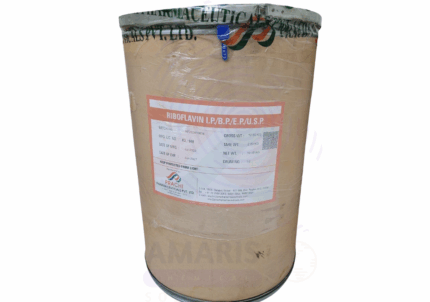
Vitamin B2 (Riboflavin base)
Vitamin B2 Riboflavin base, commonly known as Riboflavin Base, is a water-soluble vitamin essential for energy production, cellular function, and metabolism of fats, drugs, and steroids. It is a vital component of coenzymes flavin mononucleotide (FMN) and flavin adenine dinucleotide (FAD), which participate in numerous biological oxidation-reduction reactions. Riboflavin base is widely used in pharmaceuticals, food fortification, and dietary supplements.












