

 Preservatives(food)
 Flavors
 Acidulants
 Sweeteners
 Antioxidants
 Colorants(food)
 Nutraceutical Ingredients (food)
 Nutrient Supplements
 Emulsifiers
 Collectors
 Dust Suppressants
 Explosives and Blasting Agents
 Flocculants and Coagulants
 Frothers
 Leaching Agents
 pH Modifiers
 Precious Metal Extraction Agents
 Antioxidants(plastic)
 Colorants (Pigments, Dyes)
 Fillers and Reinforcements
 Flame Retardants
 Monomers
 Plasticizers
 Polymerization Initiators
 Stabilizers (UV, Heat)
 Antifoaming Agents
 Chelating Agents
 Coagulants and Flocculants
 Corrosion Inhibitors
 Disinfectants and Biocides
 Oxidizing Agents
 pH Adjusters
 Scale Inhibitors( water)
 Antioxidants(cosmetic)
 Emollients
 Oils
Oils Carrier Oills
 Essential Oils
 Humectants
 Preservatives
 Surfactants(cosmetic)
 Thickeners
 UV Filters
 Fertilizers
 Soil Conditioners
 Plant Growth Regulators
 Animal Feed Additives
 Biostimulants
 Pesticides (Herbicides, Insecticides, Fungicides)
 Active Pharmaceutical Ingredients (APIs)
 Excipients
 Solvents(pharmaceutical)
 Antibiotics
 Antiseptics and Disinfectants
 Vaccine Adjuvants
 Nutraceutical Ingredients (pharmaceutical)
 Analgesics & Antipyretics
 Analytical Reagents
 Solvents(lab)
 Chromatography Chemicals
 Spectroscopy Reagents
 microbiology-and-cell-culture-reagents
 Molecular Biology Reagents
 Biochemical Reagents
 Inorganic and Organic Standards
 Laboratory Safety Chemicals
 Specialty Laboratory Chemicals(Special Laboratory Equipment)
 Demulsifiers
 Hydraulic Fracturing Fluids
 Scale Inhibitors(oil)
 Surfactants(oil)
 Drilling Fluids
 Dyes and Pigments
 Bleaching Agents
 Softening Agents
 Finishing Agents
 Antistatic Agents
 Admixtures
 Waterproofing Agents
 Sealants and Adhesives
 Curing Compounds
 Concrete Repair Chemicals
 Anti-Corrosion Coatings
 Surfactants(cleaning)
 Builders
 Enzymes
 Solvents (Cleaning)
 Fragrances (Cleaning)
 Electronic Chemicals
 Catalysts
 Lubricants
 Photographic Chemicals
 Refrigerants
 Automotive chemicals
 Pyrotechnic Chemicals
 Biodegradable Surfactants
 Bio-based Solvents
 Renewable Polymers
 Carbon Capture Chemicals
 Wastewater Treatment Chemicals
 Pigments
 Solvents(paint)
 Specialty Coatings
 Binders/Resins
 Additives
 Driers
 Anti-Corrosion Agents
 Functional Coatings
 Application-Specific Coatings
 Leavening Agents
 Dough Conditioners
 Flour Treatments
 Fat Replacers
 Decoratives
 Preservatives(baking)
 Plasticizers & Softeners
 Reinforcing Agents
 Adhesion Promoters
 Vulcanizing Agents
 Antidegradants
 Blowing Agents
 Fillers & Extenders
 Accelerators & Retarders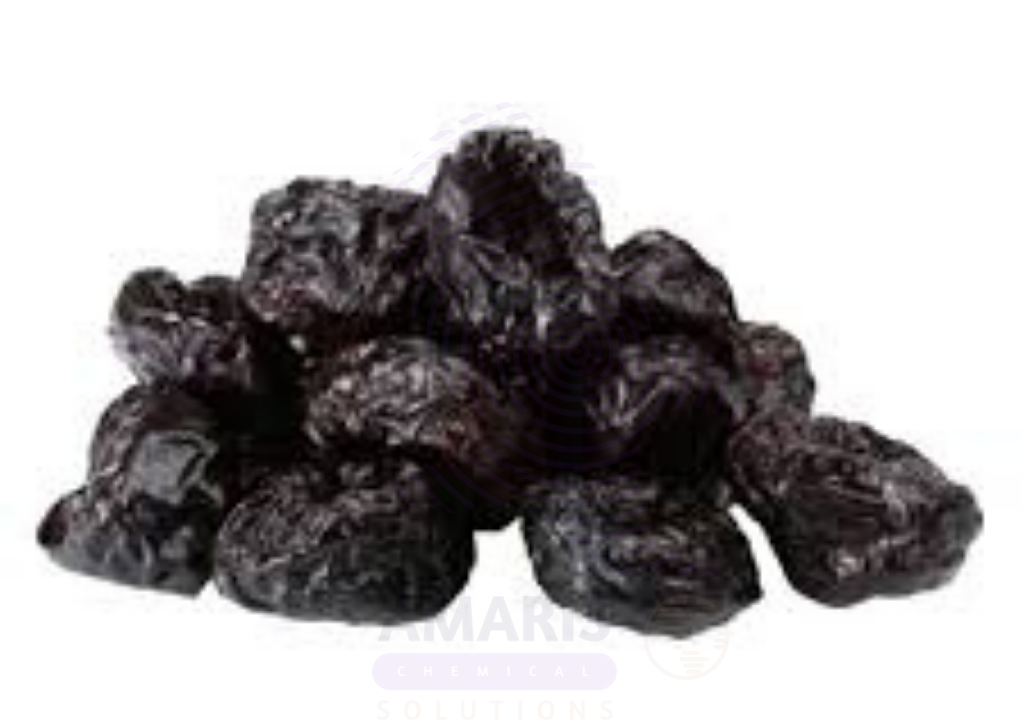

Prunes
Prunes are dried plums that serve as a natural source of dietary fiber, vitamins, and antioxidants. They are widely used in food products and snacks to provide natural sweetness, improve digestive health, and enhance nutritional value. Supplied in bulk 5 kg packaging, prunes are ideal for commercial and industrial food applications.
Prunes
Primary Uses
- Food and Beverage Industry
- Used as natural sweeteners and flavor enhancers in baked goods, cereals, and snacks.
- Incorporated into sauces, purees, and compotes for desserts and savory dishes.
- Consumed as ready-to-eat healthy snacks rich in fiber and nutrients.
- Health and Nutrition
- Used in dietary supplements and functional foods for promoting digestive health and regularity.
Secondary Uses
- Beverages
- Added to smoothies and juice blends for natural flavor and nutrition enhancement.
- Cosmetics and Personal Care
- Extracts are utilized in skincare formulations for antioxidant benefits.
- Animal Feed
- Occasionally included in specialty feed formulations for fiber enrichment.
1. Basic Identification Attributes
- Chemical Name (IUPAC): Dried fruit of Prunus domestica
- Common/Trade Name: Prunes
- CAS Number: Not applicable
- HS Code: 0813.40
- Synonyms: Dried plums
2. Physical & Chemical Properties
- Physical State: Dried whole or pitted fruit
- Color & Odor: Dark purple to black; sweet fruity aroma
- Moisture Content: Typically 20–30% moisture
- Nutritional Composition: High in dietary fiber, vitamins (A, K), potassium, antioxidants
3. Safety & Hazard Attributes
- GHS Classification: Not classified as hazardous
- Toxicity: Non-toxic and safe for consumption
- Exposure Limits: Not applicable
4. Storage & Handling Attributes
- Storage Conditions: Store in a cool, dry place away from direct sunlight
- Container Type: Sealed bulk bags or boxes
- Shelf Life: Typically 12–18 months under proper storage
- Handling Precautions: Use hygienic handling procedures to maintain quality
5. Regulatory & Compliance Attributes
- Complies with relevant food safety standards (e.g., FDA, EFSA)
- May be certified organic depending on sourcing
6. Environmental & Health Impact
- Biodegradability: Biodegradable organic product
- Ecotoxicity: None
- Bioaccumulation: Not applicable
Safety Handling Precautions
- PPE Required: None required for normal handling
- Handling Guidelines: Use gloves or clean hands in food processing environments
- Storage Measures: Keep in sealed containers away from moisture and pests
First Aid Measures
- Inhalation: Not applicable
- Skin Contact: Not applicable
- Eye Contact: Not applicable
- Ingestion: Safe for consumption; seek medical advice if allergic reaction occurs
Firefighting Measures
- Fire Hazards: Non-flammable organic material
- Extinguishing Media: Water spray, foam, dry chemical, or CO₂
- Special Precautions: Avoid dust accumulation in processing areas
- Hazardous Combustion Products: Carbon oxides from burning organic matter
Related products
Ashawaganha Powder
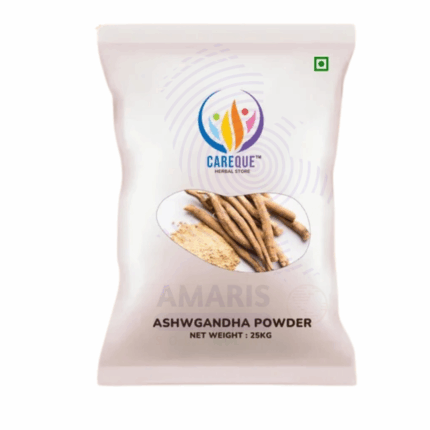
Ashawaganha Powder is derived from the dried roots of Withania somnifera, a renowned herb in Ayurvedic and traditional medicine systems. Known as Indian ginseng or winter cherry, Ashwagandha is valued for its adaptogenic properties, helping the body combat stress, enhance vitality, and support overall wellness. The powder is finely ground root material, rich in bioactive compounds such as withanolides, alkaloids, and steroidal lactones. It is widely used as a dietary supplement, in herbal formulations, cosmetics, and traditional medicine.
Desiccated Coconut
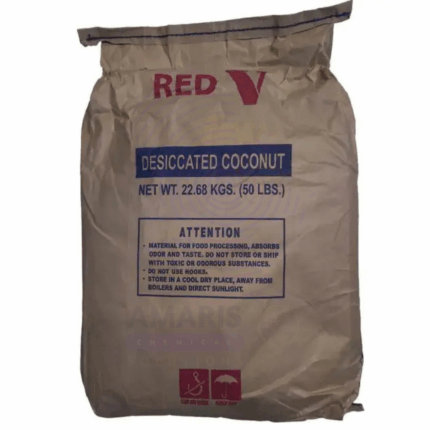
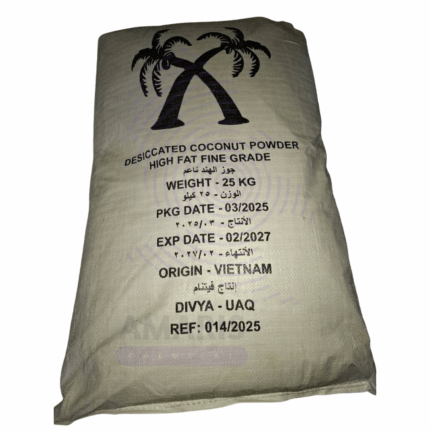
Desiccated Coconut is finely shredded, dried coconut meat derived from mature coconuts (Cocos nucifera). It is produced by removing the coconut water, then drying the white coconut kernel to reduce moisture content to less than 3%. The drying process preserves the natural flavor, aroma, and nutritional content while extending shelf life. Desiccated coconut is commonly available in various particle sizes and grades, suitable for culinary, bakery, confectionery, and food processing applications. It is valued for its rich texture, nutty flavor, and ability to add moisture and fat to food products.
Flax
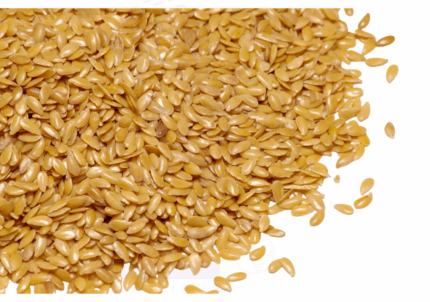
Flax (Linum usitatissimum) is an ancient crop cultivated primarily for its seeds and fibers. The flax seeds are small, flat, and oval, ranging from golden yellow to brown in color, and are rich in nutrients including omega-3 fatty acids (alpha-linolenic acid), lignans, dietary fiber, proteins, and vitamins. Flax fibers are derived from the stem and used in textile and industrial applications. Flaxseed oil, extracted from the seeds, is highly valued for its nutritional and therapeutic properties. Flax is utilized across food, nutraceutical, cosmetic, pharmaceutical, and industrial sectors due to its multifunctional health benefits, fiber content, and sustainable nature.
Gelatin Powder 180 Bloom
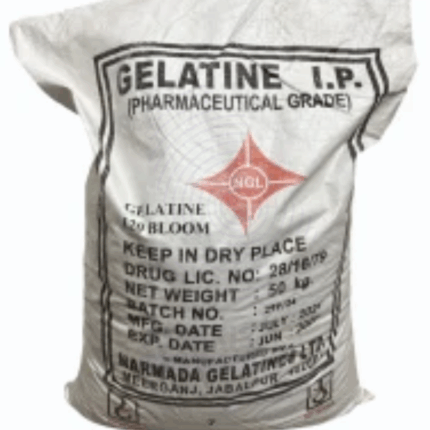
Gelatin Powder 180 Bloom is a high-quality, partially hydrolyzed collagen protein derived primarily from the skin, bones, and connective tissues of animals such as pigs and cows. The “180 Bloom” rating indicates its gel strength, meaning it forms a firm gel, making it suitable for various industrial, food, pharmaceutical, and cosmetic applications. Gelatin is a natural biopolymer, pale yellow to off-white in color, odorless, and tasteless. It is widely used due to its excellent gelling, film-forming, emulsifying, and stabilizing properties. The powder form offers ease of handling, storage, and precise dosing.
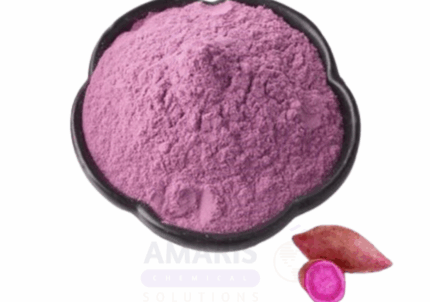
Natural Sweet Potatoes Extract
Natural Sweet Potatoes Extract is a concentrated substance derived from the roots of sweet potatoes (Ipomoea batatas) through processes such as solvent extraction, freeze-drying, or spray drying. Rich in antioxidants, vitamins (especially vitamin A and C), minerals, and natural pigments like beta-carotene and anthocyanins, this extract is valued for its nutritional benefits and vibrant natural color. It is widely used in food, beverage, nutraceutical, cosmetic, and pharmaceutical applications for its health-promoting and coloring properties.
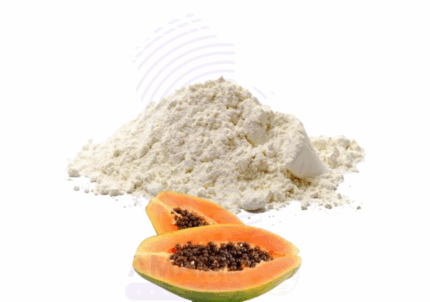
papain
Papain is a proteolytic enzyme extracted from the latex of the papaya fruit (Carica papaya). It breaks down proteins into peptides and amino acids, making it widely used in various industries. Papain has excellent catalytic activity and works effectively across a broad pH range, especially in neutral to slightly alkaline conditions. It is valued for its meat tenderizing, digestive aid, and therapeutic properties.

Sucrose
Sucrose, commonly known as table sugar, is a natural disaccharide composed of glucose and fructose. It is a widely used sweetening agent in food and beverages, known for its clean, sweet taste and excellent solubility in water. Supplied in 25kg bags, sucrose serves as a key ingredient in cooking, baking, and industrial applications. It also functions as a preservative, texture enhancer, and fermentation substrate in various industries.
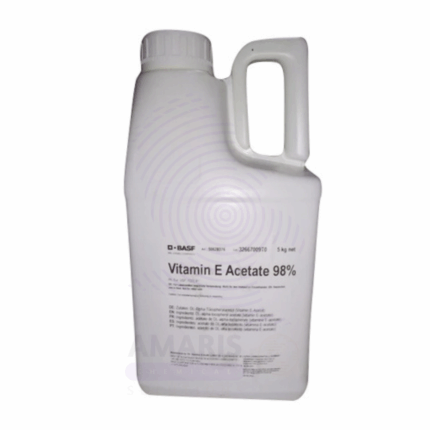
Vitamin E Acetate Oily
Vitamin E Acetate Oily, also known as DL-Alpha-Tocopheryl Acetate, is a synthetic, oil-soluble form of Vitamin E with high purity and exceptional oxidative stability. This viscous liquid is ideal for applications requiring direct incorporation into oil-based systems such as soft gel capsules, cosmetic formulations, and fortified edible oils. Its stability under processing and storage conditions makes it a preferred form of Vitamin E for nutritional, pharmaceutical, cosmetic, and food-grade applications.












