

 Preservatives(food)
 Flavors
 Acidulants
 Sweeteners
 Antioxidants
 Colorants(food)
 Nutraceutical Ingredients (food)
 Nutrient Supplements
 Emulsifiers
 Collectors
 Dust Suppressants
 Explosives and Blasting Agents
 Flocculants and Coagulants
 Frothers
 Leaching Agents
 pH Modifiers
 Precious Metal Extraction Agents
 Antioxidants(plastic)
 Colorants (Pigments, Dyes)
 Fillers and Reinforcements
 Flame Retardants
 Monomers
 Plasticizers
 Polymerization Initiators
 Stabilizers (UV, Heat)
 Antifoaming Agents
 Chelating Agents
 Coagulants and Flocculants
 Corrosion Inhibitors
 Disinfectants and Biocides
 Oxidizing Agents
 pH Adjusters
 Scale Inhibitors( water)
 Antioxidants(cosmetic)
 Emollients
 Oils
Oils Carrier Oills
 Essential Oils
 Humectants
 Preservatives
 Surfactants(cosmetic)
 Thickeners
 UV Filters
 Fragrance (Cosmetics)
 Fertilizers
 Soil Conditioners
 Plant Growth Regulators
 Animal Feed Additives
 Biostimulants
 Pesticides (Herbicides, Insecticides, Fungicides)
 Active Pharmaceutical Ingredients (APIs)
 Excipients
 Solvents(pharmaceutical)
 Antibiotics
 Antiseptics and Disinfectants
 Vaccine Adjuvants
 Nutraceutical Ingredients (pharmaceutical)
 Analgesics & Antipyretics
 Analytical Reagents
 Solvents(lab)
 Chromatography Chemicals
 Spectroscopy Reagents
 microbiology-and-cell-culture-reagents
 Molecular Biology Reagents
 Biochemical Reagents
 Inorganic and Organic Standards
 Laboratory Safety Chemicals
 Specialty Laboratory Chemicals(Special Laboratory Equipment)
 Demulsifiers
 Hydraulic Fracturing Fluids
 Scale Inhibitors(oil)
 Surfactants(oil)
 Drilling Fluids
 Dyes and Pigments
 Bleaching Agents
 Softening Agents
 Finishing Agents
 Antistatic Agents
 Admixtures
 Waterproofing Agents
 Sealants and Adhesives
 Curing Compounds
 Concrete Repair Chemicals
 Anti-Corrosion Coatings
 Surfactants(cleaning)
 Builders
 Enzymes
 Solvents (Cleaning)
 Electronic Chemicals
 Catalysts
 Lubricants
 Photographic Chemicals
 Refrigerants
 Automotive chemicals
 Pyrotechnic Chemicals
 Biodegradable Surfactants
 Bio-based Solvents
 Renewable Polymers
 Carbon Capture Chemicals
 Wastewater Treatment Chemicals
 Pigments
 Solvents(paint)
 Specialty Coatings
 Binders/Resins
 Additives
 Driers
 Anti-Corrosion Agents
 Functional Coatings
 Application-Specific Coatings
 Leavening Agents
 Dough Conditioners
 Flour Treatments
 Fat Replacers
 Decoratives
 Preservatives(baking)
 Plasticizers & Softeners
 Reinforcing Agents
 Adhesion Promoters
 Vulcanizing Agents
 Antidegradants
 Blowing Agents
 Fillers & Extenders
 Accelerators & Retarders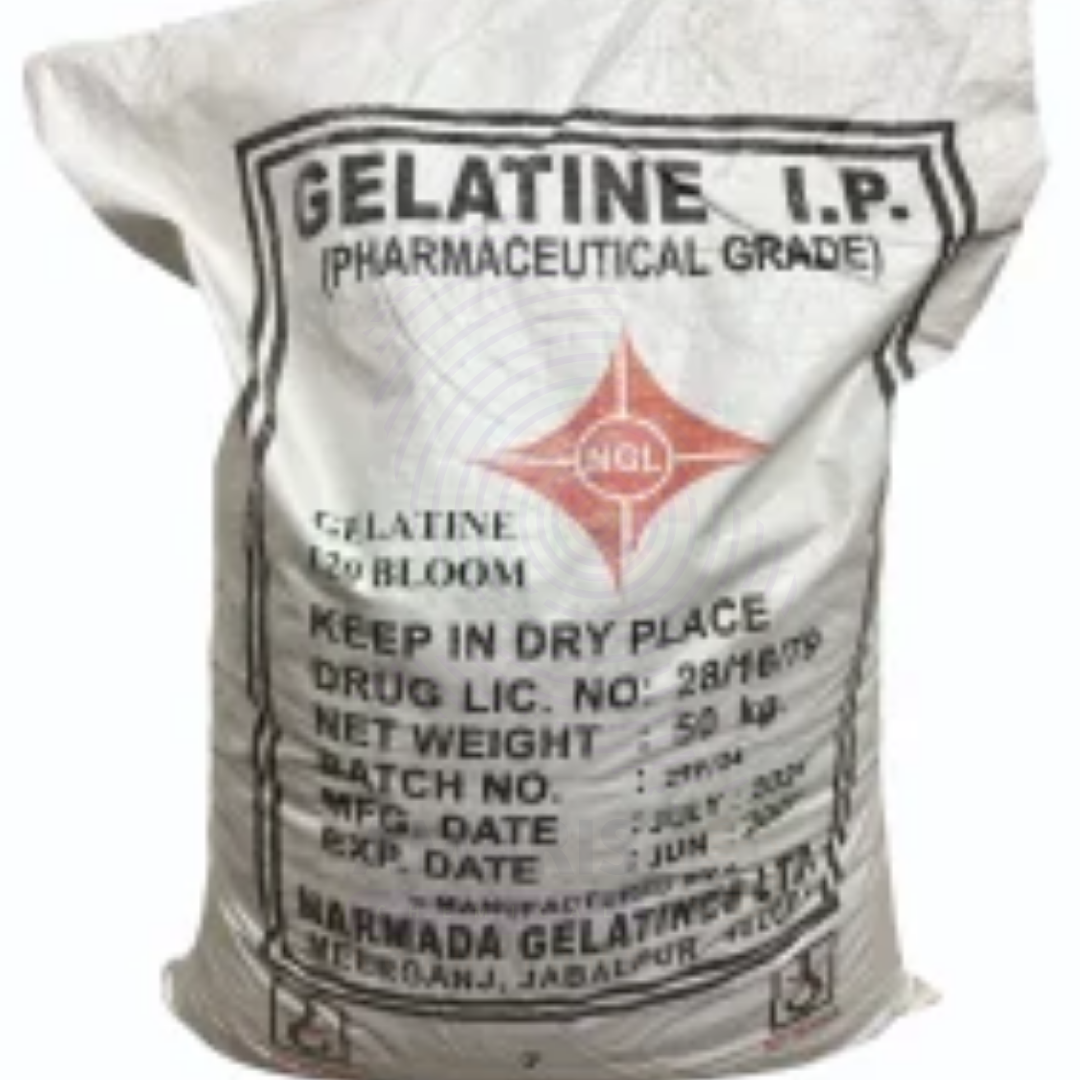


Gelatin Powder 180 Bloom
Gelatin Powder 180 Bloom is a high-quality, partially hydrolyzed collagen protein derived primarily from the skin, bones, and connective tissues of animals such as pigs and cows. The “180 Bloom” rating indicates its gel strength, meaning it forms a firm gel, making it suitable for various industrial, food, pharmaceutical, and cosmetic applications. Gelatin is a natural biopolymer, pale yellow to off-white in color, odorless, and tasteless. It is widely used due to its excellent gelling, film-forming, emulsifying, and stabilizing properties. The powder form offers ease of handling, storage, and precise dosing.
Gelatin Powder 180 Bloom
Primary Uses
- Food Industry
- Used as a gelling agent in desserts such as jellies, gummy candies, marshmallows, and panna cotta.
- Functions as a stabilizer and thickener in dairy products like yogurt, ice cream, and cream cheese to improve texture and mouthfeel.
- Acts as a clarifying agent in beverages including beer, wine, and juices.
- Utilized in meat products (sausages, ham) to improve texture, moisture retention, and sliceability.
- Serves as a film-former in edible coatings to prolong shelf life of fruits and vegetables.
- Pharmaceutical Industry
- Used extensively in the manufacture of hard and soft gelatin capsules for drug delivery.
- Employed as a binder and coating agent in tablet formulations.
- Used in plasma expanders and wound dressings due to biocompatibility and biodegradability.
- Cosmetic and Personal Care Industry
- Functions as a thickener, film-former, and moisturizer in creams, lotions, face masks, and hair care products.
- Used in collagen-based skincare products for its skin-firming and hydration benefits.
- Industrial Applications
- Employed in photographic films and papers as a binding and coating agent.
- Used in the production of gelatin-based adhesives and sizing agents in the paper and textile industries.
Secondary Uses
- Biomedical Research
- Used as a substrate for cell culture and tissue engineering scaffolds due to its biocompatibility.
- Utilized in the production of biodegradable microspheres and drug delivery systems.
- Printing and Packaging
- Functions as a binding agent in specialty inks and coatings.
1. Basic Identification Attributes
- Chemical Name: Gelatin (partially hydrolyzed collagen protein)
- Common/Trade Name: Gelatin Powder 180 Bloom
- CAS Number: 9000-70-8
- HS Code: 3503.00
- Molecular Formula: Protein polymer (complex)
- Synonyms: Gelatin Type A, Hydrolyzed collagen, Animal gelatin
2. Physical & Chemical Properties
- Physical State: Fine powder
- Color & Odor: Pale yellow to off-white; virtually odorless
- Bloom Strength: 180 (high gel strength)
- Solubility: Soluble in hot water; insoluble in cold water
- pH: Typically 4.5–6.5 in aqueous solution
- Melting Point: Gel melts at ~35 °C (body temperature gelation)
- Viscosity: Moderate viscosity solutions depending on concentration and Bloom number
3. Safety & Hazard Attributes
- Hazard Class (GHS): Generally regarded as safe (GRAS) for food and pharmaceutical use
- Toxicity: Non-toxic and biodegradable
- Exposure Limits: No specific occupational limits; standard food-grade hygiene recommended
4. Storage & Handling Attributes
- Storage Conditions: Store in a cool, dry, and well-ventilated area, protected from moisture and contaminants
- Container Type: Food-grade sealed bags or containers
- Shelf Life: 24–36 months when stored properly
- Handling Precautions: Avoid dust generation and moisture exposure to prevent caking
5. Regulatory & Compliance Attributes
- Approved by FDA, EFSA, and other regulatory bodies for food, pharmaceutical, and cosmetic applications
- Complies with USP/NF standards where applicable
6. Environmental & Health Impact
- Biodegradability: Readily biodegradable and environmentally friendly
- Ecotoxicity: Low toxicity to aquatic organisms
- Bioaccumulation: Not expected to bioaccumulate
- Carcinogenicity/Mutagenicity: Not classified; safe for human use
Safety Handling Precautions
- PPE Required: Dust mask, gloves, and eye protection recommended when handling large quantities
- Handling Guidelines: Minimize dust generation; use in well-ventilated areas
- Storage Measures: Keep container sealed and dry; avoid contamination
- Hygiene Practices: Wash hands after handling; avoid inhalation of dust
First Aid Measures
- Inhalation: Move to fresh air; seek medical attention if irritation develops
- Skin Contact: Wash skin with soap and water; seek medical advice if irritation occurs
- Eye Contact: Rinse eyes thoroughly with water for at least 15 minutes; consult a physician if irritation persists
- Ingestion: Generally recognized as safe; rinse mouth if discomfort occurs
Firefighting Measures
- Fire Hazards: Combustible solid; dust may form explosive mixtures with air
- Extinguishing Media: Water spray, foam, dry chemical, carbon dioxide (CO₂)
- Special Precautions: Use proper dust control and avoid ignition sources
- Decomposition Products: Carbon oxides and nitrogen oxides on combustion
Related products
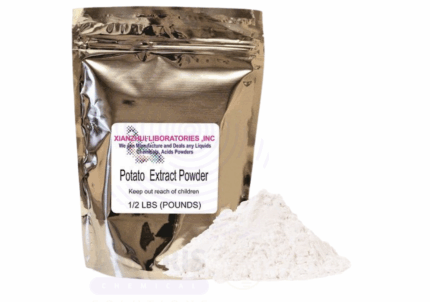
African Potato Extract
African Potato Extract is derived from the plant Hypoxis hemerocallidea, a medicinal plant native to southern Africa. It is commonly used in traditional African medicine for its anti-inflammatory, antioxidant, and immune-boosting properties. The active compound in the extract is hypoxoside, which is converted in the body to rooperol, a potent antioxidant. African Potato Extract is often used as a complementary treatment for conditions like arthritis, prostate issues, and certain infections, though scientific evidence on its effectiveness is still limited.
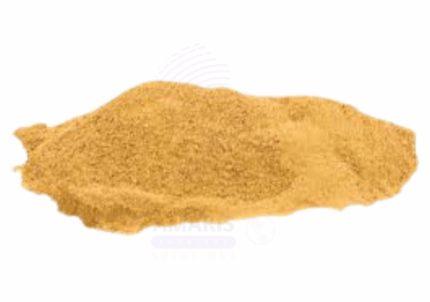
Apricot Powder
Apricot powder is a dehydrated, finely ground form of apricot fruit, retaining much of the natural flavor, aroma, and nutritional properties of fresh apricots. It is typically made by drying fresh apricots through spray drying, freeze drying, or drum drying, then milling into a fine powder. Apricot powder is rich in vitamins, minerals, dietary fiber, and antioxidants such as beta-carotene and vitamin C. It is widely used as a natural flavoring agent, colorant, and nutritional supplement in food and beverage products, as well as in cosmetics and dietary supplements. Its convenient powdered form allows for easy incorporation into dry mixes and processed goods without the perishability of fresh fruit.

Avocado Oil
Avocado Oil is a nutrient-rich, plant-based oil cold-pressed from the pulp of ripe avocados (Persea americana). Recognized for its deep green color and mildly nutty aroma, this oil is highly valued for its high content of monounsaturated fatty acids, especially oleic acid, along with vitamins A, D, and E, sterols, lecithin, and antioxidants.
Due to its excellent penetration, moisturizing, and regenerative properties, Avocado Oil is widely used in cosmetics, personal care, pharmaceutical, and nutraceutical formulations. It helps in restoring skin elasticity, promoting collagen synthesis, and soothing inflammation, making it ideal for dry, sensitive, or aging skin. In hair care, it strengthens and softens hair, improves scalp health, and reduces dandruff.
Additionally, refined, food-grade Avocado Oil is used in cooking due to its high smoke point and nutritional profile. It is also increasingly found in dietary supplements and therapeutic blends
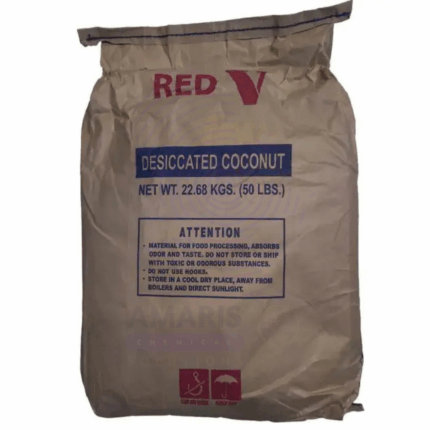
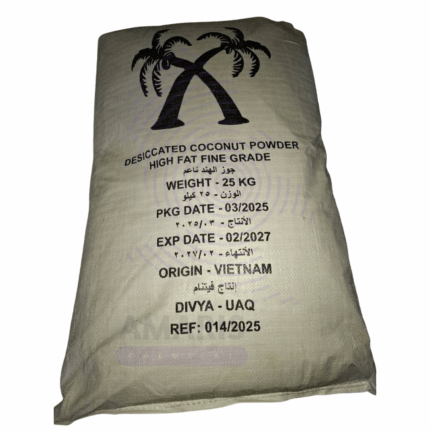
Desiccated Coconut
Desiccated Coconut is finely shredded, dried coconut meat derived from mature coconuts (Cocos nucifera). It is produced by removing the coconut water, then drying the white coconut kernel to reduce moisture content to less than 3%. The drying process preserves the natural flavor, aroma, and nutritional content while extending shelf life. Desiccated coconut is commonly available in various particle sizes and grades, suitable for culinary, bakery, confectionery, and food processing applications. It is valued for its rich texture, nutty flavor, and ability to add moisture and fat to food products.


Glycerin
Glycerin, also known as glycerol, is a colorless, odorless, viscous liquid with a sweet taste and hygroscopic properties. It is a trihydroxy alcohol (triol) used extensively across food, pharmaceutical, cosmetic, and industrial applications. Food-grade glycerin is produced through hydrolysis, saponification, or transesterification of fats and oils, ensuring compliance with stringent purity standards. It is supplied in bulk (e.g., 250kg drums) for large-scale applications where non-toxic, biodegradable humectants or solvents are required. Glycerin is widely appreciated for its moisture-retaining ability, solubility, lubricity, and stabilizing properties.
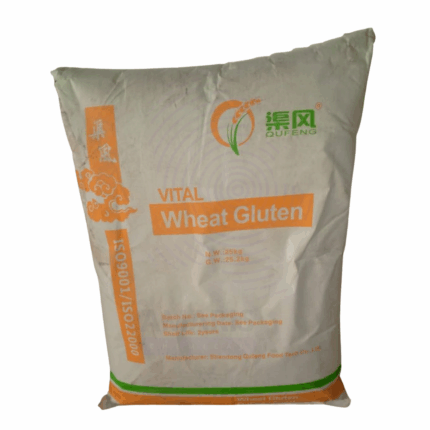
High Gluten Wheat Flour
High Gluten Wheat Flour is a finely milled powder derived from hard wheat varieties known for their high protein content, typically ranging from 12% to 14.5%. This flour has a superior gluten-forming capacity which imparts strong dough elasticity and excellent gas retention properties. It appears as an off-white to pale yellow powder with a neutral to slightly nutty aroma. High Gluten Wheat Flour is prized in baking industries and food manufacturing for producing products with enhanced chewiness, volume, and texture. It is essential for applications requiring strong dough structure and resilience.
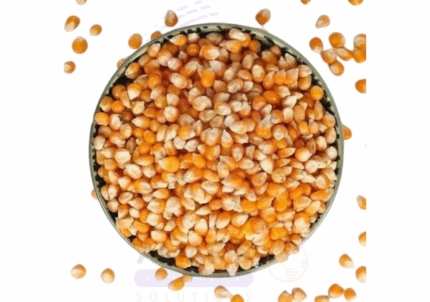
Natural Kernals
Natural Kernals are the edible seeds extracted from various nuts, fruits, or cereals in their pure, unprocessed form. These kernels retain their natural flavor, texture, and nutritional content, making them highly valued as whole food ingredients. They are rich in proteins, healthy fats, vitamins, minerals, and dietary fiber. Natural Kernals find extensive applications across food manufacturing, bakery, confectionery, snack production, and health food sectors.
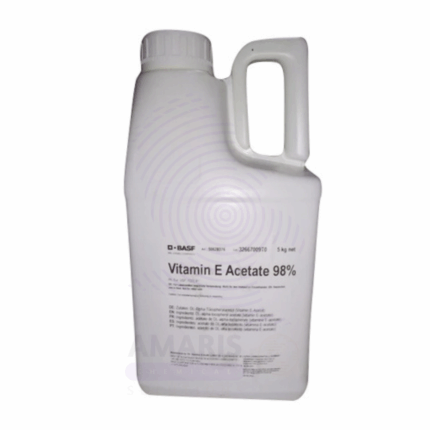
Vitamin E Acetate Oily
Vitamin E Acetate Oily, also known as DL-Alpha-Tocopheryl Acetate, is a synthetic, oil-soluble form of Vitamin E with high purity and exceptional oxidative stability. This viscous liquid is ideal for applications requiring direct incorporation into oil-based systems such as soft gel capsules, cosmetic formulations, and fortified edible oils. Its stability under processing and storage conditions makes it a preferred form of Vitamin E for nutritional, pharmaceutical, cosmetic, and food-grade applications.












