

 Preservatives(food)
 Flavors
 Acidulants
 Sweeteners
 Antioxidants
 Colorants(food)
 Nutraceutical Ingredients (food)
 Nutrient Supplements
 Emulsifiers
 Collectors
 Dust Suppressants
 Explosives and Blasting Agents
 Flocculants and Coagulants
 Frothers
 Leaching Agents
 pH Modifiers
 Precious Metal Extraction Agents
 Antioxidants(plastic)
 Colorants (Pigments, Dyes)
 Fillers and Reinforcements
 Flame Retardants
 Monomers
 Plasticizers
 Polymerization Initiators
 Stabilizers (UV, Heat)
 Antifoaming Agents
 Chelating Agents
 Coagulants and Flocculants
 Corrosion Inhibitors
 Disinfectants and Biocides
 Oxidizing Agents
 pH Adjusters
 Scale Inhibitors( water)
 Antioxidants(cosmetic)
 Emollients
 Oils
Oils Carrier Oills
 Essential Oils
 Humectants
 Preservatives
 Surfactants(cosmetic)
 Thickeners
 UV Filters
 Fertilizers
 Soil Conditioners
 Plant Growth Regulators
 Animal Feed Additives
 Biostimulants
 Pesticides (Herbicides, Insecticides, Fungicides)
 Active Pharmaceutical Ingredients (APIs)
 Excipients
 Solvents(pharmaceutical)
 Antibiotics
 Antiseptics and Disinfectants
 Vaccine Adjuvants
 Nutraceutical Ingredients (pharmaceutical)
 Analgesics & Antipyretics
 Analytical Reagents
 Solvents(lab)
 Chromatography Chemicals
 Spectroscopy Reagents
 microbiology-and-cell-culture-reagents
 Molecular Biology Reagents
 Biochemical Reagents
 Inorganic and Organic Standards
 Laboratory Safety Chemicals
 Specialty Laboratory Chemicals(Special Laboratory Equipment)
 Demulsifiers
 Hydraulic Fracturing Fluids
 Scale Inhibitors(oil)
 Surfactants(oil)
 Drilling Fluids
 Dyes and Pigments
 Bleaching Agents
 Softening Agents
 Finishing Agents
 Antistatic Agents
 Admixtures
 Waterproofing Agents
 Sealants and Adhesives
 Curing Compounds
 Concrete Repair Chemicals
 Anti-Corrosion Coatings
 Surfactants(cleaning)
 Builders
 Enzymes
 Solvents (Cleaning)
 Fragrances (Cleaning)
 Electronic Chemicals
 Catalysts
 Lubricants
 Photographic Chemicals
 Refrigerants
 Automotive chemicals
 Pyrotechnic Chemicals
 Biodegradable Surfactants
 Bio-based Solvents
 Renewable Polymers
 Carbon Capture Chemicals
 Wastewater Treatment Chemicals
 Pigments
 Solvents(paint)
 Specialty Coatings
 Binders/Resins
 Additives
 Driers
 Anti-Corrosion Agents
 Functional Coatings
 Application-Specific Coatings
 Leavening Agents
 Dough Conditioners
 Flour Treatments
 Fat Replacers
 Decoratives
 Preservatives(baking)
 Plasticizers & Softeners
 Reinforcing Agents
 Adhesion Promoters
 Vulcanizing Agents
 Antidegradants
 Blowing Agents
 Fillers & Extenders
 Accelerators & Retarders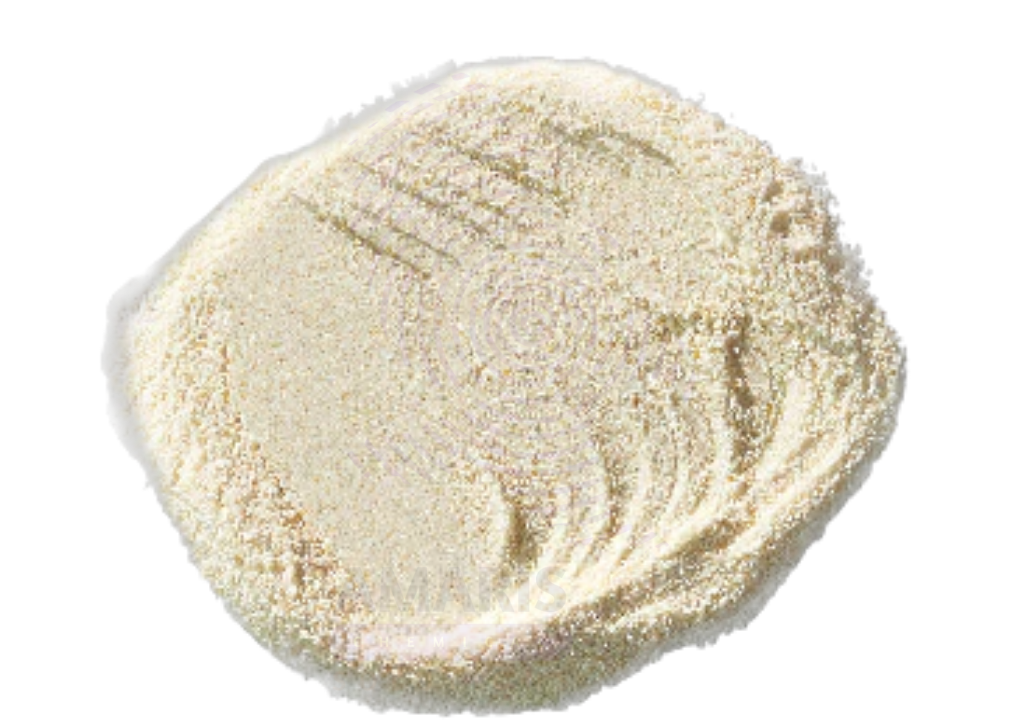

Pullulan
Pullulan is a natural polysaccharide polymer produced by the fermentation of starch by the fungus Aureobasidium pullulans. It is a water-soluble, tasteless, and odorless biopolymer widely used in the food, pharmaceutical, and cosmetic industries due to its excellent film-forming, adhesive, and oxygen barrier properties. Pullulan is biodegradable, non-toxic, and approved for use in various applications requiring edible and biodegradable films.
Pullulan
Primary Uses
- Food Industry
- Used as an edible film and coating agent to improve shelf life and freshness of food products.
- Acts as a thickener, stabilizer, and binder in confectionery, bakery, and beverage formulations.
- Utilized in the manufacture of breath freshener strips and oral dissolvable films.
- Pharmaceutical Industry
- Employed in film coating of tablets and capsules for controlled release and improved stability.
- Used as a carrier in oral thin films and drug delivery systems.
- Cosmetics
- Incorporated in skincare products as a film-former and moisturizer enhancer.
Secondary Uses
- Packaging Industry
- Utilized in biodegradable packaging films as an eco-friendly alternative to synthetic plastics.
- Agriculture
- Applied in seed coatings and controlled-release formulations for agrochemicals.
- Biomedical Applications
- Investigated for wound dressings, tissue engineering scaffolds, and other medical uses due to its biocompatibility.
1. Basic Identification Attributes
- Chemical Name (IUPAC): (1→4)-α-D-Glucan
- Common/Trade Name: Pullulan
- CAS Number: 9057-02-7
- HS Code: 3913.90
- Synonyms: Polysaccharide polymer; edible film-forming agent
2. Physical & Chemical Properties
- Physical State: Powder or flakes
- Color & Odor: White to off-white; odorless
- Solubility: Soluble in water; insoluble in organic solvents
- Density: Approximately 1.3 g/cm³ (dry powder)
- Viscosity: Depends on molecular weight and concentration
3. Safety & Hazard Attributes
- GHS Classification: Generally non-hazardous
- Toxicity: Low toxicity; biocompatible and non-irritant
- Exposure Limits: Not established; handle as per good industrial hygiene
4. Storage & Handling Attributes
- Storage Conditions: Store in a cool, dry place away from moisture and contaminants
- Container Type: Sealed bags, drums, or containers
- Shelf Life: Typically 12–24 months depending on storage conditions
- Handling Precautions: Avoid dust formation; use protective masks and gloves if dusty
5. Regulatory & Compliance Attributes
- Complies with food-grade standards such as FDA GRAS status and EFSA approval
- Meets pharmaceutical excipient regulatory requirements
6. Environmental & Health Impact
- Biodegradability: Biodegradable under natural conditions
- Ecotoxicity: Low environmental impact
- Bioaccumulation: Not significant
Safety Handling Precautions
- PPE Required: Gloves, dust mask, and eye protection recommended during handling
- Handling Guidelines: Use in well-ventilated areas; avoid inhaling dust
First Aid Measures
- Inhalation: Move to fresh air; seek medical advice if irritation occurs
- Skin Contact: Wash with soap and water if irritation develops
- Eye Contact: Rinse with water for 15 minutes; seek medical attention if irritation persists
- Ingestion: Generally safe; seek medical help if discomfort occurs
Firefighting Measures
- Fire Hazards: Combustible under fire conditions
- Extinguishing Media: Water spray, foam, dry chemical, or CO₂
- Special Precautions: Use protective equipment and avoid inhaling combustion fumes
- Hazardous Combustion Products: Carbon oxides and other organic combustion products
Related products
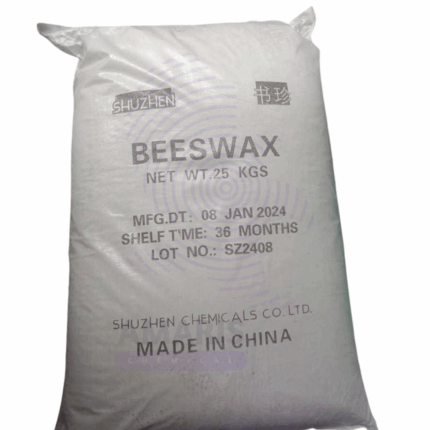
Beeswax
Beeswax is a natural wax produced by honeybees of the genus Apis. It is secreted by worker bees from specialized glands and used to build honeycomb cells. Beeswax is a complex mixture of esters, fatty acids, and hydrocarbons, characterized by a pale yellow to brown color, a pleasant honey-like aroma, and a firm yet pliable texture. It has excellent emulsifying, binding, and protective properties, making it widely used in cosmetics, pharmaceuticals, food, and industrial applications. Beeswax is prized for its natural origin, biodegradability, and skin-friendly characteristics.
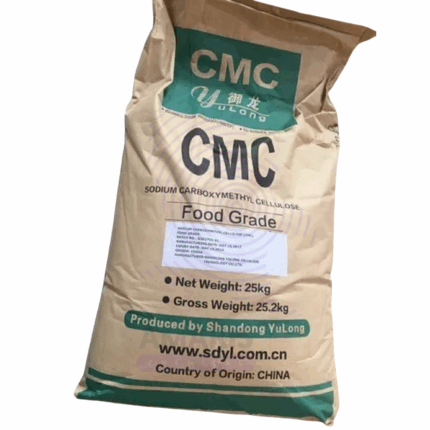
Carboxymethyl Cellulose Food Grade
Carboxymethyl Cellulose Food Grade is a water-soluble cellulose derivative produced by the etherification of cellulose with monochloroacetic acid. It appears as a fine, white to off-white powder with excellent thickening, stabilizing, and water retention properties. Designed specifically for food applications, this grade complies with food safety regulations and is widely used as a texture modifier, stabilizer, and emulsifier in a variety of processed foods. It enhances product consistency, extends shelf life, and improves moisture retention without altering taste or odor. Being non-toxic, biodegradable, and non-caloric, it is considered safe for human consumption and is approved as a food additive in many countries.
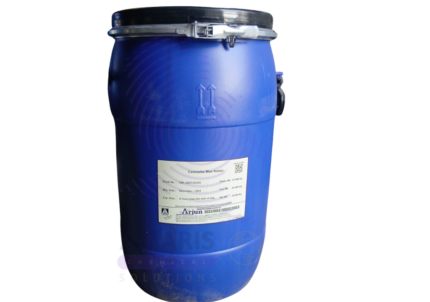
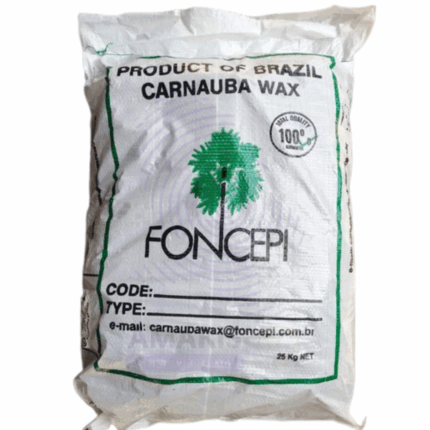
Carnauba Wax
Carnauba Wax is a natural vegetable wax obtained from the leaves of the Copernicia prunifera palm tree, native to northeastern Brazil. It appears as a hard, brittle, yellow to brownish-yellow wax with a faint, characteristic odor. Known as the “queen of waxes,” Carnauba Wax is prized for its exceptionally high melting point, glossy finish, and excellent hardness. It is a premium wax widely used in cosmetics, food, pharmaceuticals, automotive, and industrial applications as a natural, biodegradable alternative to synthetic waxes. Its film-forming, emulsifying, and protective properties make it highly versatile for use in coatings, polishes, and skincare products.
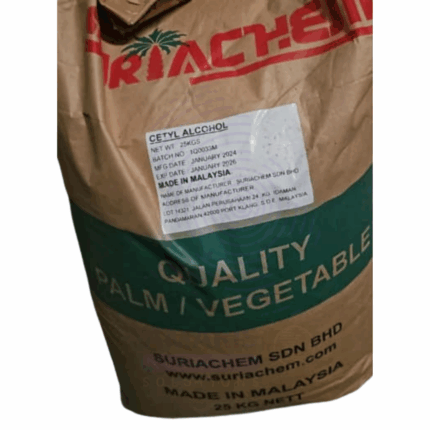
Cetyl Alcohol
Cetyl Alcohol, also known as 1-Hexadecanol or Palmityl Alcohol, is a fatty alcohol derived primarily from natural sources such as palm oil and coconut oil. It appears as a waxy, white to pale yellow solid with a faint fatty odor. Cetyl Alcohol is widely used in cosmetic, pharmaceutical, and industrial formulations due to its emollient, emulsifying, thickening, and stabilizing properties. It helps improve texture, consistency, and moisturizing effects in personal care products. Cetyl Alcohol is compatible with many ingredients, making it a versatile multifunctional ingredient.
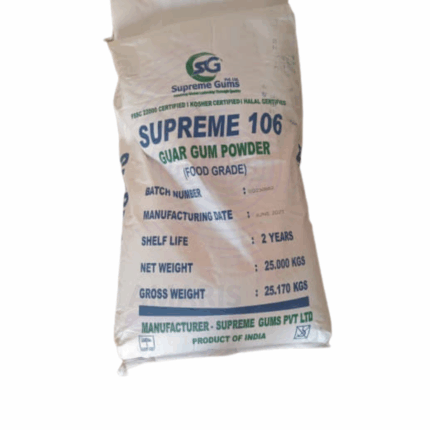
Guar Gum
Guar Gum is a natural polysaccharide extracted from the endosperm of the guar bean (Cyamopsis tetragonoloba). It appears as an off-white to cream-colored powder with a neutral odor and bland taste. Guar Gum is a galactomannan composed mainly of mannose and galactose units, known for its excellent water-binding, thickening, and stabilizing properties. It forms highly viscous solutions even at low concentrations, making it a versatile hydrocolloid used widely across food, pharmaceutical, cosmetic, oilfield, and industrial applications.
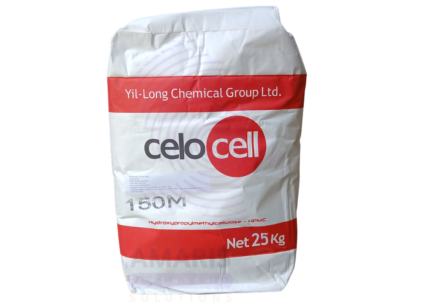
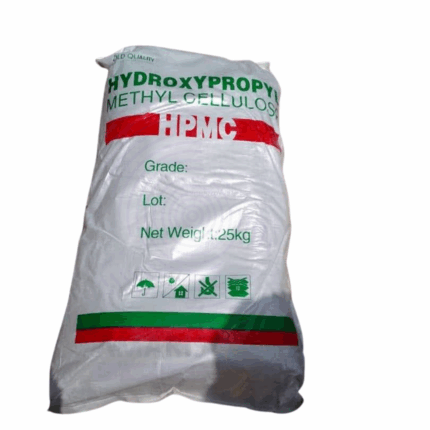
Hydroxypropyl Methylcellulose
Hydroxypropyl Methylcellulose HPMC, also known as hypromellose, is a semi-synthetic, non-ionic cellulose ether derived by chemically modifying cellulose through methylation and hydroxypropylation. It is a white to off-white, odorless, tasteless powder that dissolves in cold water to form clear, viscous solutions. HPMC is renowned for its thickening, film-forming, emulsifying, and controlled-release properties. It is widely used in pharmaceuticals, food, cosmetics, construction, and industrial applications due to its safety profile, versatility, and compatibility with various ingredients.
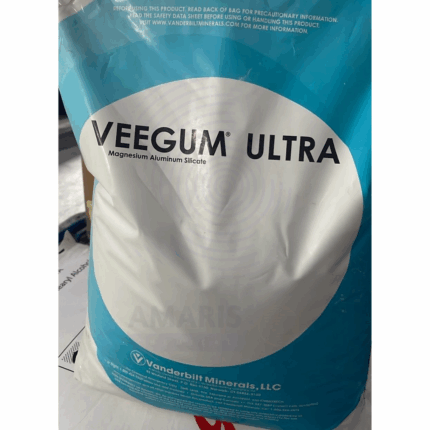
Veegum
Veegum is a purified magnesium aluminum silicate clay known for its excellent suspending, thickening, and stabilizing properties. It is widely used in pharmaceuticals, cosmetics, and industrial applications as a rheology modifier, suspension stabilizer, and emulsifier. Veegum enhances the texture, consistency, and stability of formulations, providing improved performance in both liquid and semi-solid systems.












