

 Preservatives(food)
 Flavors
 Acidulants
 Sweeteners
 Antioxidants
 Colorants(food)
 Nutraceutical Ingredients (food)
 Nutrient Supplements
 Emulsifiers
 Collectors
 Dust Suppressants
 Explosives and Blasting Agents
 Flocculants and Coagulants
 Frothers
 Leaching Agents
 pH Modifiers
 Precious Metal Extraction Agents
 Antioxidants(plastic)
 Colorants (Pigments, Dyes)
 Fillers and Reinforcements
 Flame Retardants
 Monomers
 Plasticizers
 Polymerization Initiators
 Stabilizers (UV, Heat)
 Antifoaming Agents
 Chelating Agents
 Coagulants and Flocculants
 Corrosion Inhibitors
 Disinfectants and Biocides
 Oxidizing Agents
 pH Adjusters
 Scale Inhibitors( water)
 Antioxidants(cosmetic)
 Emollients
 Oils
Oils Carrier Oills
 Essential Oils
 Humectants
 Preservatives
 Surfactants(cosmetic)
 Thickeners
 UV Filters
 Fragrance (Cosmetics)
 Fertilizers
 Soil Conditioners
 Plant Growth Regulators
 Animal Feed Additives
 Biostimulants
 Pesticides (Herbicides, Insecticides, Fungicides)
 Active Pharmaceutical Ingredients (APIs)
 Excipients
 Solvents(pharmaceutical)
 Antibiotics
 Antiseptics and Disinfectants
 Vaccine Adjuvants
 Nutraceutical Ingredients (pharmaceutical)
 Analgesics & Antipyretics
 Analytical Reagents
 Solvents(lab)
 Chromatography Chemicals
 Spectroscopy Reagents
 microbiology-and-cell-culture-reagents
 Molecular Biology Reagents
 Biochemical Reagents
 Inorganic and Organic Standards
 Laboratory Safety Chemicals
 Specialty Laboratory Chemicals(Special Laboratory Equipment)
 Demulsifiers
 Hydraulic Fracturing Fluids
 Scale Inhibitors(oil)
 Surfactants(oil)
 Drilling Fluids
 Dyes and Pigments
 Bleaching Agents
 Softening Agents
 Finishing Agents
 Antistatic Agents
 Admixtures
 Waterproofing Agents
 Sealants and Adhesives
 Curing Compounds
 Concrete Repair Chemicals
 Anti-Corrosion Coatings
 Surfactants(cleaning)
 Builders
 Enzymes
 Solvents (Cleaning)
 Electronic Chemicals
 Catalysts
 Lubricants
 Photographic Chemicals
 Refrigerants
 Automotive chemicals
 Pyrotechnic Chemicals
 Biodegradable Surfactants
 Bio-based Solvents
 Renewable Polymers
 Carbon Capture Chemicals
 Wastewater Treatment Chemicals
 Pigments
 Solvents(paint)
 Specialty Coatings
 Binders/Resins
 Additives
 Driers
 Anti-Corrosion Agents
 Functional Coatings
 Application-Specific Coatings
 Leavening Agents
 Dough Conditioners
 Flour Treatments
 Fat Replacers
 Decoratives
 Preservatives(baking)
 Plasticizers & Softeners
 Reinforcing Agents
 Adhesion Promoters
 Vulcanizing Agents
 Antidegradants
 Blowing Agents
 Fillers & Extenders
 Accelerators & Retarders

Cade Crude 2 Oil
Cade Crude 2 Oil is a dark, viscous essential oil obtained through destructive distillation of the wood of the Juniperus oxycedrus tree (also known as prickly juniper). Known for its intense smoky, tar-like aroma and antiseptic qualities, this crude-grade cade oil is widely used in traditional skin remedies, veterinary care, and industrial cosmetic applications—especially in products aimed at treating chronic skin conditions such as psoriasis, eczema, and dandruff.
While not as refined as rectified Cade oil, Cade Crude 2 Oil retains a high concentration of phenols, cresols, and other active compounds that contribute to its strong antimicrobial, antifungal, and antipruritic effects. It is used cautiously in topical formulations at low dilution levels and is valued in rustic and smoky fragrance compositions.
Cade Crude 2 Oil
Primary Uses
- Cosmetics and Personal Care
- Used in scalp treatments, anti-dandruff shampoos, and scalp oils for its antifungal and sebum-balancing properties.
- Incorporated in salves, balms, and ointments for psoriasis, eczema, and chronic skin itching.
- Added to antiseptic soaps and facial cleansers for acne-prone and oily skin types.
- Utilized in masculine fragrances and rustic colognes for its smoky, leathery scent profile.
- Used in traditional antiseptic foot balms and nail care products.
- Fragrance and Perfumery
- Acts as a smoky, leathery base note or fixative in perfumery—especially in fougère, leathery, or woody compositions.
- Enhances depth and complexity in niche or natural fragrances.
- Often paired with birch tar, vetiver, or patchouli for smoky accord creation.
- Aromatherapy (Cautious Use)
- Occasionally used for grounding and emotional clearing, especially in ritualistic or earthy blends.
- Included in deep-cleansing inhalation blends with caution due to strong scent.
Secondary Uses
- Veterinary and Agricultural Applications
- Historically used in animal care products for treating mange, cracked hooves, and skin parasites.
- Employed in pet shampoos and topical ointments in low concentrations for antiseptic effects.
- Industrial and Traditional Uses
- Used in tar-based soaps, ointments, and rustic cosmetic formulations.
- Found in old European and Mediterranean skin remedies for tough, infected, or itchy skin.
1. Basic Identification Attributes
- Botanical Source: Juniperus oxycedrus
- Common/Trade Name: Cade Crude 2 Oil
- INCI Name: Juniperus Oxycedrus Wood Tar
- CAS Number: 8013-10-3
- HS Code: 3301.29
- Synonyms: Cade Oil, Juniper Tar, Juniperus Tar Oil, Crude Cade Oil
2. Physical & Chemical Properties
- Physical State: Thick, viscous liquid
- Color & Odor: Dark brown to black; smoky, phenolic, tar-like odor
- Solubility: Insoluble in water; soluble in alcohol and oils
- Main Components: Phenols (e.g. guaiacol, creosol), cresols, hydrocarbons
- Refractive Index: 1.520 – 1.550
- Specific Gravity: 1.020 – 1.090
3. Safety & Hazard Attributes
- GHS Classification: Irritant; handle with care
- Toxicity: Can be sensitizing; avoid prolonged or undiluted use
- Allergen Information: Contains phenolic compounds which may irritate sensitive skin
- Exposure Limits: Use at low concentrations (<1%) in topical applications
4. Storage & Handling Attributes
- Storage Conditions: Store tightly sealed in a cool, dark place
- Container Type: Use HDPE or amber glass containers due to corrosive potential
- Shelf Life: 2 years when stored properly
- Handling Precautions: Avoid direct contact; use gloves and avoid inhaling fumes
5. Regulatory & Compliance Attributes
- Limited dermal use per IFRA standards due to phenol content
- Restricted in some cosmetic applications; not for internal use
- Must be used with professional formulation guidance in skin care products
6. Environmental & Health Impact
- Biodegradability: Slow to degrade due to heavy tar content
- Ecotoxicity: Moderate if disposed in large amounts—avoid environmental release
- Bioaccumulation: Not significant in standard concentrations
Safety Handling Precautions
- PPE Required: Gloves, goggles, and apron when handling bulk amounts
- Handling Guidelines: Use in well-ventilated areas; avoid contact with eyes and mucosa
First Aid Measures
- Inhalation: Move to fresh air; seek medical help if symptoms persist
- Skin Contact: Wash with soap and water; discontinue use if irritation occurs
- Eye Contact: Flush immediately with water for 15 minutes
- Ingestion: Do not induce vomiting; seek emergency medical care
Firefighting Measures
- Fire Hazards: Combustible oil
- Extinguishing Media: Dry chemical, CO₂, foam
- Special Precautions: Use protective gear to avoid inhalation of fumes
- Hazardous Combustion Products: Aromatic hydrocarbons, carbon oxides
Related products
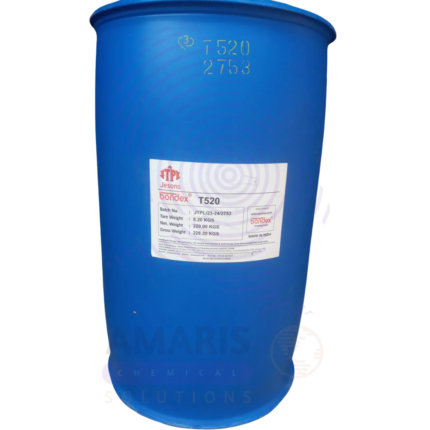
Acticide HF (Incan)
Acticide HF is a proven, broad-spectrum industrial biocide manufactured by Thor Group specifically for in-can preservation of water-based industrial products. It is a clear, colorless to pale blue or pale green liquid with a mild odor, designed for easy incorporation into aqueous formulations. The product is based on a synergistic combination of active ingredients including 5-Chloro-2-methyl-4-isothiazolin-3-one (CIT), 2-Methyl-4-isothiazolin-3-one (MIT), and formaldehyde. This well-established formulation protects water-based formulations against bacteria, molds, and yeasts, ensuring product stability and extended shelf life across demanding conditions. Technical grade Acticide HF is manufactured for industrial use and is not intended for direct human consumption, medical applications, or food preservation.
Almond Wax
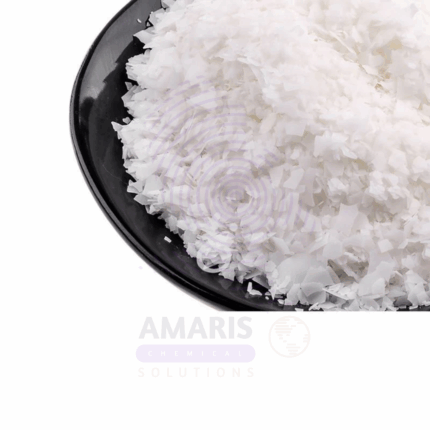
Almond Wax is a natural, plant-based wax derived from the hydrogenation of almond oil (Prunus amygdalus dulcis). It is a creamy to white, semi-solid wax with a mild, nutty scent and excellent emollient properties. Almond Wax is rich in fatty acids and has a smooth, soft texture, making it ideal for use in cosmetic, personal care, and candle formulations.
Due to its gentle consistency, skin-friendly profile, and moisturizing capabilities, Almond Wax is widely used in body butters, balms, lip care products, massage bars, and artisan soaps. It functions as a natural alternative to petroleum-based waxes and provides structure, viscosity, and glide to formulations. It also finds application in soft wax blends for natural candle products.

Chlorinated Paraffin
Chlorinated paraffins are complex mixtures of polychlorinated n-alkanes produced by reacting chlorine gas with unbranched paraffin fractions derived from petroleum distillation. They appear as colorless or yellowish viscous liquids or solids depending on chain length and chlorine content. Chlorinated paraffins are classified based on carbon chain length into short-chain, medium-chain, and long-chain varieties. Technical grade chlorinated paraffins are manufactured for industrial applications including plasticizers, flame retardants, metalworking additives, and surface coatings. They exhibit excellent compatibility with polymers, high thermal stability, water resistance, and chemical resistance.
Mango Liquid Flavor
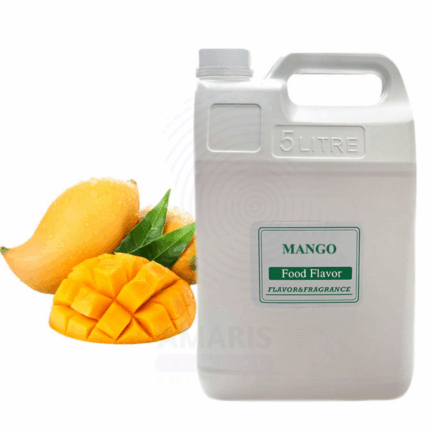
Mango Liquid Flavor Food Grade is a vibrant and natural-tasting flavoring agent that replicates the sweet, juicy, and tropical essence of ripe mangoes. This high-quality liquid flavor is specially formulated for use in food and beverage applications, providing a consistent and authentic mango aroma and taste. Its excellent solubility and stability make it ideal for use in beverages, confectionery, dairy products, baked goods, and other food formulations, enhancing product appeal with a fresh tropical note.
Orange Fragrance Oil
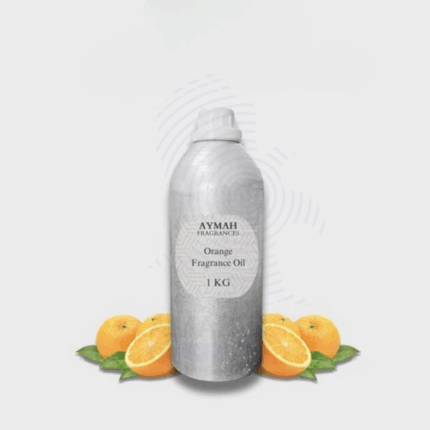
Orange Fragrance Oil is a highly concentrated aromatic oil that delivers a fresh, vibrant, and sweet citrus scent reminiscent of ripe oranges. It is formulated for use in a variety of applications including personal care products, household items, and air fresheners. This fragrance oil offers excellent scent throw, stability, and compatibility with different base materials such as waxes, solvents, and emulsions. Its refreshing aroma makes it a popular choice for perfuming soaps, candles, detergents, and cosmetic formulations, providing a natural and uplifting citrus experience.
Passion Fruit Fragrance Oil
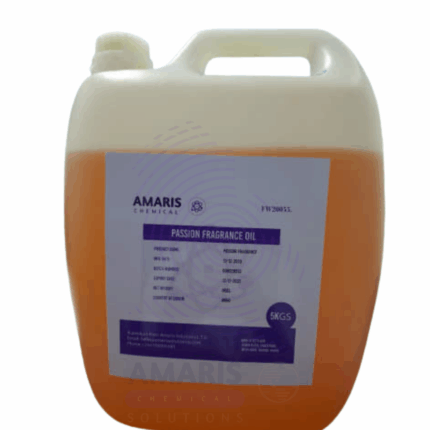
Passion Fruit Fragrance Oil is a vibrant, richly scented oil delivering the sweet, exotic aroma of ripe passion fruit. Ideal for enhancing personal care products, perfumes, and home fragrances, this fragrance oil provides a long-lasting, fresh tropical scent. It is crafted to blend smoothly into oil-based and solvent-based formulations, ensuring consistent fragrance delivery. Manufactured under stringent quality controls, Passion Fruit Fragrance Oil adds a luxurious and refreshing note to a wide range of applications.
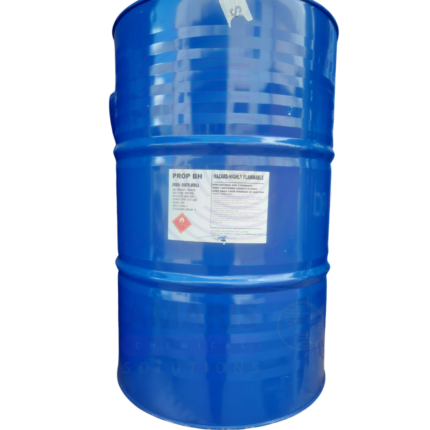
Propylparaben (Prop BH)
Prop BH, also known as Propylparaben or Propyl 4-Hydroxybenzoate, is an organic compound belonging to the paraben family of preservatives. It appears as colorless small crystals or a white crystalline powder with a characteristic mild odor and a slightly bitter taste. The compound is practically insoluble in cold water but readily soluble in alcohols, ethers, and other organic solvents. Propylparaben is widely recognized for its broad-spectrum antimicrobial activity, particularly effective against molds, yeasts, and bacteria. Propylparaben is manufactured for use as a preservative in various industrial applications and is not intended for direct human consumption without appropriate certification.
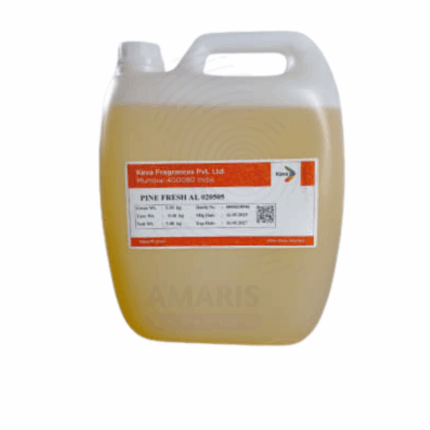
Unipine Water Soluble Fragrance
Unipine Water Soluble Fragrance is a fresh, crisp, pine-based aromatic compound formulated for use in water-based systems. It replicates the clean, invigorating scent of pine forests with subtle herbal and woody undertones, making it a popular choice in air fresheners, cleaning agents, and personal care formulations. Its water-soluble nature allows for easy incorporation into aqueous products without the need for emulsifiers, ensuring even fragrance dispersion and stability. Unipine fragrance offers excellent performance in both homecare and hygiene applications where a natural, clean aroma is desired.












