

 Preservatives(food)
 Flavors
 Acidulants
 Sweeteners
 Antioxidants
 Colorants(food)
 Nutraceutical Ingredients (food)
 Nutrient Supplements
 Emulsifiers
 Collectors
 Dust Suppressants
 Explosives and Blasting Agents
 Flocculants and Coagulants
 Frothers
 Leaching Agents
 pH Modifiers
 Precious Metal Extraction Agents
 Antioxidants(plastic)
 Colorants (Pigments, Dyes)
 Fillers and Reinforcements
 Flame Retardants
 Monomers
 Plasticizers
 Polymerization Initiators
 Stabilizers (UV, Heat)
 Antifoaming Agents
 Chelating Agents
 Coagulants and Flocculants
 Corrosion Inhibitors
 Disinfectants and Biocides
 Oxidizing Agents
 pH Adjusters
 Scale Inhibitors( water)
 Antioxidants(cosmetic)
 Emollients
 Oils
Oils Carrier Oills
 Essential Oils
 Humectants
 Preservatives
 Surfactants(cosmetic)
 Thickeners
 UV Filters
 Fragrance (Cosmetics)
 Fertilizers
 Soil Conditioners
 Plant Growth Regulators
 Animal Feed Additives
 Biostimulants
 Pesticides (Herbicides, Insecticides, Fungicides)
 Active Pharmaceutical Ingredients (APIs)
 Excipients
 Solvents(pharmaceutical)
 Antibiotics
 Antiseptics and Disinfectants
 Vaccine Adjuvants
 Nutraceutical Ingredients (pharmaceutical)
 Analgesics & Antipyretics
 Analytical Reagents
 Solvents(lab)
 Chromatography Chemicals
 Spectroscopy Reagents
 microbiology-and-cell-culture-reagents
 Molecular Biology Reagents
 Biochemical Reagents
 Inorganic and Organic Standards
 Laboratory Safety Chemicals
 Specialty Laboratory Chemicals(Special Laboratory Equipment)
 Demulsifiers
 Hydraulic Fracturing Fluids
 Scale Inhibitors(oil)
 Surfactants(oil)
 Drilling Fluids
 Dyes and Pigments
 Bleaching Agents
 Softening Agents
 Finishing Agents
 Antistatic Agents
 Admixtures
 Waterproofing Agents
 Sealants and Adhesives
 Curing Compounds
 Concrete Repair Chemicals
 Anti-Corrosion Coatings
 Surfactants(cleaning)
 Builders
 Enzymes
 Solvents (Cleaning)
 Electronic Chemicals
 Catalysts
 Lubricants
 Photographic Chemicals
 Refrigerants
 Automotive chemicals
 Pyrotechnic Chemicals
 Biodegradable Surfactants
 Bio-based Solvents
 Renewable Polymers
 Carbon Capture Chemicals
 Wastewater Treatment Chemicals
 Pigments
 Solvents(paint)
 Specialty Coatings
 Binders/Resins
 Additives
 Driers
 Anti-Corrosion Agents
 Functional Coatings
 Application-Specific Coatings
 Leavening Agents
 Dough Conditioners
 Flour Treatments
 Fat Replacers
 Decoratives
 Preservatives(baking)
 Plasticizers & Softeners
 Reinforcing Agents
 Adhesion Promoters
 Vulcanizing Agents
 Antidegradants
 Blowing Agents
 Fillers & Extenders
 Accelerators & Retarders

Montan Wax
Montan Wax is a hard, brittle, natural fossil wax derived from lignite or brown coal deposits. It is composed primarily of long-chain fatty acids, esters, and hydrocarbons. Montan Wax is valued for its excellent lubricating, polishing, and emulsifying properties. It is widely used in various industrial applications including coatings, polishes, plastics, and as an additive in rubber and adhesives to improve surface finish and performance.
Montan Wax
Primary Uses
- Polishing and Coating Industry
- Used in floor polishes, car waxes, shoe polishes, and furniture waxes for its high gloss and durable finish.
- Improves scratch resistance and water repellency on surfaces.
- Plastics and Rubber Industry
- Acts as a processing aid, lubricant, and mold release agent in thermoplastics and rubber manufacturing.
- Enhances flow properties and surface finish of molded products.
- Adhesives and Sealants
- Added to adhesive formulations to improve flexibility, water resistance, and adhesion properties.
- Ink Industry
- Used in printing inks as a gloss enhancer and to improve slip and rub resistance.
Secondary Uses
- Cosmetics and Personal Care
- Incorporated in creams and lip balms as a thickener and emollient.
- Textile Industry
- Used as a lubricant and finishing agent for synthetic fibers.
- Candles and Polishes
- Added to candle wax blends to improve hardness and burning properties.
- Metalworking
- Used as an anti-corrosive coating and lubricant in metal processing.
1. Basic Identification Attributes
- Chemical Name (IUPAC): Mixture of long-chain esters and acids derived from lignite
- Common/Trade Name: Montan Wax
- CAS Number: 8002-43-5
- HS Code: 2712.90.10
- Synonyms: Lignite wax, Brown coal wax
2. Physical & Chemical Properties
- Physical State: Solid, brittle wax
- Color & Odor: Yellow to brown; mild characteristic odor
- Melting Point: 80 – 95°C
- Solubility: Insoluble in water; soluble in organic solvents such as benzene, toluene, and chloroform
- Density: Approx. 1.0 g/cm³
3. Safety & Hazard Attributes
- GHS Classification: Not classified as hazardous under normal handling
- Toxicity: Low toxicity; non-irritant
- Exposure Limits: No specific occupational exposure limits
4. Storage & Handling Attributes
- Storage Conditions: Store in a cool, dry place away from heat and ignition sources
- Container Type: Supplied in blocks or powder form in sealed bags or containers
- Shelf Life: Typically 2 years if stored properly
- Handling Precautions: Avoid dust generation; use gloves to prevent skin dryness
5. Regulatory & Compliance Attributes
- Complies with REACH and other relevant chemical safety regulations
- Approved for use in cosmetic and industrial applications
6. Environmental & Health Impact
- Biodegradability: Biodegradable under natural conditions
- Ecotoxicity: Low environmental risk when used and disposed properly
- Bioaccumulation: Not expected to bioaccumulate
- Carcinogenicity/Mutagenicity: Not classified as carcinogenic
Safety Handling Precautions
- PPE Required: Gloves and dust mask recommended when handling powder
- Handling Guidelines: Use in well-ventilated areas; avoid inhalation of dust
- Storage Measures: Keep containers tightly closed; protect from moisture
First Aid Measures
- Inhalation: Move to fresh air if dust causes irritation
- Skin Contact: Wash with soap and water; use moisturizer if dryness occurs
- Eye Contact: Rinse with water for 15 minutes if dust enters eyes
- Ingestion: Not expected to be hazardous; seek medical advice if large amounts swallowed
Firefighting Measures
- Fire Hazards: Combustible solid
- Extinguishing Media: Use foam, dry chemical, or CO₂ extinguishers
- Special Precautions: Avoid inhalation of smoke or fumes during fire
- Hazardous Combustion Products: Carbon oxides, hydrocarbons
Related products
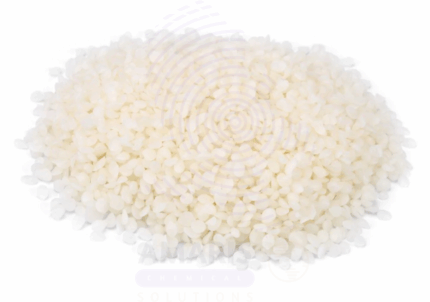
Avocado Wax
Avocado wax is a natural plant-derived wax extracted primarily from the pulp and seed of the avocado fruit (Persea americana). It appears as a hard, yellowish wax with excellent emollient, film-forming, and moisturizing properties. Valued for its biodegradability, compatibility with various formulations, and sustainability, avocado wax is widely used as a natural alternative to synthetic waxes in cosmetics, pharmaceuticals, food, and industrial applications.
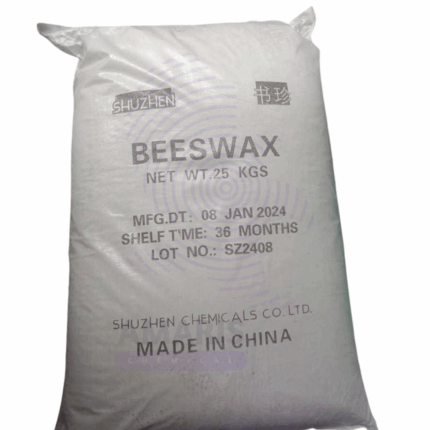
Beeswax
Beeswax is a natural wax produced by honeybees of the genus Apis. It is secreted by worker bees from specialized glands and used to build honeycomb cells. Beeswax is a complex mixture of esters, fatty acids, and hydrocarbons, characterized by a pale yellow to brown color, a pleasant honey-like aroma, and a firm yet pliable texture. It has excellent emulsifying, binding, and protective properties, making it widely used in cosmetics, pharmaceuticals, food, and industrial applications. Beeswax is prized for its natural origin, biodegradability, and skin-friendly characteristics.
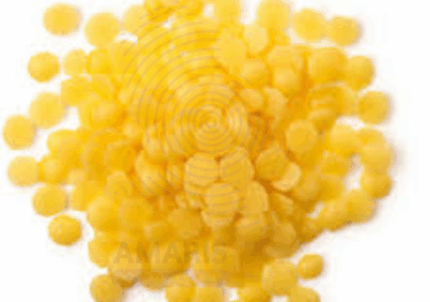
Candelilla Wax
Candelilla Wax is a natural vegetable wax derived from the leaves of the Euphorbia cerifera shrub, native to northern Mexico and the southwestern United States. It appears as a hard, brittle, light yellow to brown wax with a mild, characteristic odor. This wax is valued for its high melting point, gloss-enhancing properties, and excellent binding capabilities. It is widely used in cosmetics, pharmaceuticals, food, and industrial applications as a vegan alternative to beeswax. Its film-forming, emollient, and stabilizing attributes make it a multifunctional ingredient across several industries.
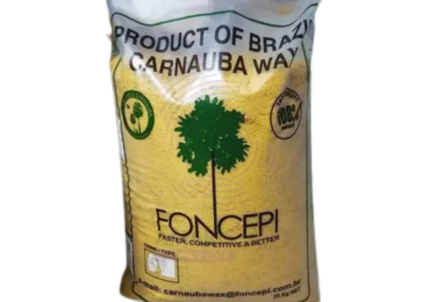
Carnauba Wax Prime Yellow
Carnauba Wax Prime Yellow, also known as Type 1 or Prime Yellow Grade, is the highest quality and purest form of carnauba wax derived from the leaves of the Copernicia cerifera palm tree, native to Brazil. It is a natural, vegetable-based wax prized for its exceptional hardness, high gloss, high melting point, and emulsification properties. Prime Yellow grade represents the finest classification, characterized by its light yellow to pale amber color, low impurities, and superior film-forming characteristics. It is obtained through a meticulous process of harvesting, drying, and processing the palm leaves to extract the waxy coating, which is then refined and graded. Carnauba Wax is often referred to as the "Queen of Waxes" due to its unique combination of properties unmatched by synthetic alternatives. Technical grade Carnauba Wax Prime Yellow is used across numerous industries for its ability to impart gloss, hardness, slip resistance, and moisture barrier properties. It is not intended for direct food consumption but is widely used in food-contact applications such as coatings and packaging.

Dioctyl Adipate (DOA)
Dioctyl Adipate (DOA) is a clear, colorless, oily liquid that acts as a highly efficient, cold-resistant plasticizer. It is an organic compound produced from the reaction of adipic acid with 2-ethylhexanol. DOA is known for imparting excellent low-temperature flexibility and good lubricity to polymer systems. It is insoluble in water but dissolves readily in organic solvents. Technical grade Dioctyl Adipate is manufactured for industrial applications including plastic and rubber processing, coatings, and lubricants.

Jojoba Wax
Jojoba Wax is a natural, golden-yellow to amber-colored wax ester extracted from the seeds of the jojoba plant (Simmondsia chinensis). Unlike traditional vegetable oils, jojoba wax is chemically a liquid wax, known for its excellent stability, moisturizing properties, and similarity to human sebum. It is odorless or mildly nutty and is widely used in cosmetics, personal care, and pharmaceutical applications as an emollient, thickener, and skin conditioning agent.
Parallizer
Parallizer (UFABLEND) is a versatile liquid paralytic agent used primarily in the formulation of pesticides and herbicides to enhance the immobilization of target pests. It acts by disrupting the nervous system of insects and other pests, providing quick knockdown effects. UFABLEND is valued for its fast action, compatibility with other agrochemicals, and stability under various environmental conditions.

Sabowax
Sabowax is a high-quality wax product widely used in industries such as cosmetics, pharmaceuticals, food processing, and coatings. It serves as a key ingredient to impart texture, moisture resistance, and stability to various formulations. Sabowax provides excellent emulsification, film-forming properties, and enhances the sensory feel of creams, ointments, and polishes.












