

 Preservatives(food)
 Flavors
 Acidulants
 Sweeteners
 Antioxidants
 Colorants(food)
 Nutraceutical Ingredients (food)
 Nutrient Supplements
 Emulsifiers
 Collectors
 Dust Suppressants
 Explosives and Blasting Agents
 Flocculants and Coagulants
 Frothers
 Leaching Agents
 pH Modifiers
 Precious Metal Extraction Agents
 Antioxidants(plastic)
 Colorants (Pigments, Dyes)
 Fillers and Reinforcements
 Flame Retardants
 Monomers
 Plasticizers
 Polymerization Initiators
 Stabilizers (UV, Heat)
 Antifoaming Agents
 Chelating Agents
 Coagulants and Flocculants
 Corrosion Inhibitors
 Disinfectants and Biocides
 Oxidizing Agents
 pH Adjusters
 Scale Inhibitors( water)
 Antioxidants(cosmetic)
 Emollients
 Oils
Oils Carrier Oills
 Essential Oils
 Humectants
 Preservatives
 Surfactants(cosmetic)
 Thickeners
 UV Filters
 Fragrance (Cosmetics)
 Fertilizers
 Soil Conditioners
 Plant Growth Regulators
 Animal Feed Additives
 Biostimulants
 Pesticides (Herbicides, Insecticides, Fungicides)
 Active Pharmaceutical Ingredients (APIs)
 Excipients
 Solvents(pharmaceutical)
 Antibiotics
 Antiseptics and Disinfectants
 Vaccine Adjuvants
 Nutraceutical Ingredients (pharmaceutical)
 Analgesics & Antipyretics
 Analytical Reagents
 Solvents(lab)
 Chromatography Chemicals
 Spectroscopy Reagents
 microbiology-and-cell-culture-reagents
 Molecular Biology Reagents
 Biochemical Reagents
 Inorganic and Organic Standards
 Laboratory Safety Chemicals
 Specialty Laboratory Chemicals(Special Laboratory Equipment)
 Demulsifiers
 Hydraulic Fracturing Fluids
 Scale Inhibitors(oil)
 Surfactants(oil)
 Drilling Fluids
 Dyes and Pigments
 Bleaching Agents
 Softening Agents
 Finishing Agents
 Antistatic Agents
 Admixtures
 Waterproofing Agents
 Sealants and Adhesives
 Curing Compounds
 Concrete Repair Chemicals
 Anti-Corrosion Coatings
 Surfactants(cleaning)
 Builders
 Enzymes
 Solvents (Cleaning)
 Electronic Chemicals
 Catalysts
 Lubricants
 Photographic Chemicals
 Refrigerants
 Automotive chemicals
 Pyrotechnic Chemicals
 Biodegradable Surfactants
 Bio-based Solvents
 Renewable Polymers
 Carbon Capture Chemicals
 Wastewater Treatment Chemicals
 Pigments
 Solvents(paint)
 Specialty Coatings
 Binders/Resins
 Additives
 Driers
 Anti-Corrosion Agents
 Functional Coatings
 Application-Specific Coatings
 Leavening Agents
 Dough Conditioners
 Flour Treatments
 Fat Replacers
 Decoratives
 Preservatives(baking)
 Plasticizers & Softeners
 Reinforcing Agents
 Adhesion Promoters
 Vulcanizing Agents
 Antidegradants
 Blowing Agents
 Fillers & Extenders
 Accelerators & Retarders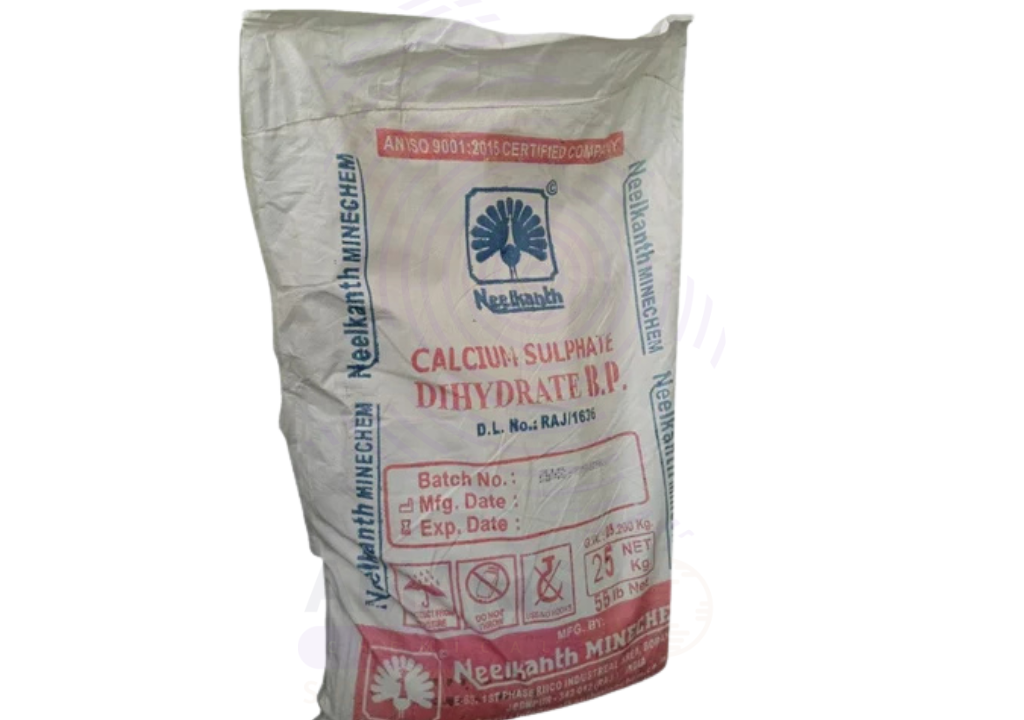




Calcium Sulphate Dihydrate
Calcium Sulphate Dihydrate, commonly known as gypsum, is a naturally occurring mineral widely used in agriculture, construction, and various industrial processes. It appears as a white or slightly translucent crystalline powder with moderate solubility in water. The compound is primarily used as a soil conditioner to improve soil structure and supply calcium and sulfur nutrients essential for plant growth. It also finds applications in the manufacture of plaster, cement, and as a filler in various products.
Calcium Sulphate Dihydrate
Primary Uses
- Agriculture
- Used as a soil conditioner to improve soil aeration and water penetration.
- Supplies essential calcium and sulfur nutrients for crop health and yield improvement.
- Helps reduce soil alkalinity and mitigate sodium toxicity in sodic soils.
- Construction
- Utilized as a key ingredient in plaster, drywall, and cement formulations.
- Provides fire resistance and improves workability of construction materials.
- Industrial Applications
- Used as a filler and extender in paints, plastics, and adhesives.
- Employed in food processing as a firming agent and coagulant (subject to regulatory approvals).
Secondary Uses
- Pharmaceuticals
- Used as an excipient in tablet formulations and medical gypsum casts.
- Scientific and Educational Uses
- Used in laboratory settings for soil and mineral studies.
- Employed in educational demonstrations involving crystallization and mineralogy.
1. Basic Identification Attributes
- Botanical Source: Mineral (non-biological)
- Common/Trade Name: Calcium Sulphate Dihydrate
- INCI Name: Calcium Sulfate
- CAS Number: 10101-41-4
- HS Code: 2520.10
- Synonyms: Gypsum, Hydrated Calcium Sulfate
2. Physical & Chemical Properties
- Physical State: Fine crystalline powder
- Color & Odor: White to off-white; odorless
- Solubility: Slightly soluble in water (approx. 0.24 g/100 mL at 20°C)
- Density: Approx. 2.32 g/cm³
- Shelf Life: 36 months under proper storage
3. Safety & Hazard Attributes
- GHS Classification: Generally considered non-hazardous
- Toxicity: Low toxicity; safe under recommended use
- Allergen Information: Non-irritant
- Exposure Limits: No established occupational limits
4. Storage & Handling Attributes
- Storage Conditions: Store in a dry, well-ventilated area, away from moisture
- Container Type: Sealed polyethylene bags or moisture-resistant containers
- Shelf Life: 36 months when stored properly
- Handling Precautions: Avoid dust inhalation; use protective mask if handling large quantities
5. Regulatory & Compliance Attributes
- Complies with food-grade and industrial-grade standards where applicable
- Manufactured in GMP-compliant facilities
6. Environmental & Health Impact
- Biodegradability: Not applicable (mineral)
- Ecotoxicity: Low environmental impact; avoid release in large quantities to water bodies
- Bioaccumulation: Not expected
Safety Handling Precautions
- PPE Required: Dust mask, gloves, and protective eyewear when handling powder
- Handling Guidelines: Minimize dust generation; ensure good ventilation
First Aid Measures
- Inhalation: Move to fresh air; seek medical attention if symptoms persist
- Skin Contact: Wash with soap and water if irritation occurs
- Eye Contact: Rinse thoroughly with water; consult a physician if irritation persists
- Ingestion: Rinse mouth; seek medical advice if discomfort occurs
Firefighting Measures
- Fire Hazards: Non-flammable
- Extinguishing Media: Use appropriate extinguishing media for surrounding fire
- Special Precautions: None required
- Hazardous Combustion Products: None known
Related products

Avobenzone
Avobenzone (chemical name: Butyl Methoxydibenzoylmethane) is an oil-soluble organic compound widely used as a UVA filter in sunscreen formulations. It is valued for its ability to absorb a broad spectrum of ultraviolet A (UVA) rays (320–400 nm), protecting the skin from premature aging and damage caused by sun exposure. Avobenzone is often combined with other UV filters to provide broad-spectrum sun protection. It is a pale yellow liquid or crystalline powder, soluble in oils and alcohols but unstable in sunlight unless stabilized with other agents.

Avocado Oil
Avocado Oil is a nutrient-rich, plant-based oil cold-pressed from the pulp of ripe avocados (Persea americana). Recognized for its deep green color and mildly nutty aroma, this oil is highly valued for its high content of monounsaturated fatty acids, especially oleic acid, along with vitamins A, D, and E, sterols, lecithin, and antioxidants.
Due to its excellent penetration, moisturizing, and regenerative properties, Avocado Oil is widely used in cosmetics, personal care, pharmaceutical, and nutraceutical formulations. It helps in restoring skin elasticity, promoting collagen synthesis, and soothing inflammation, making it ideal for dry, sensitive, or aging skin. In hair care, it strengthens and softens hair, improves scalp health, and reduces dandruff.
Additionally, refined, food-grade Avocado Oil is used in cooking due to its high smoke point and nutritional profile. It is also increasingly found in dietary supplements and therapeutic blends
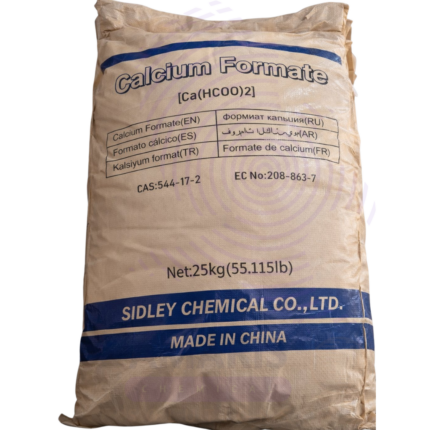
Calcium Formate
Calcium Formate is the calcium salt of formic acid, appearing as a white, free-flowing crystalline powder or granules. It is an odorless compound with a slightly bitter taste and is non-toxic. The chemical formula is Ca(HCOO)₂ with a molecular weight of 130.0 g/mol. Calcium Formate is slightly hygroscopic and readily soluble in water, with solubility of approximately 16.1 g/100 mL at 20°C. Its water solution is neutral with a pH of 6.0 to 8.0. The compound is stable under normal storage conditions and has a decomposition temperature exceeding 400°C. Technical grade Calcium Formate is manufactured for industrial applications including construction, animal feed, leather processing, and water treatment.
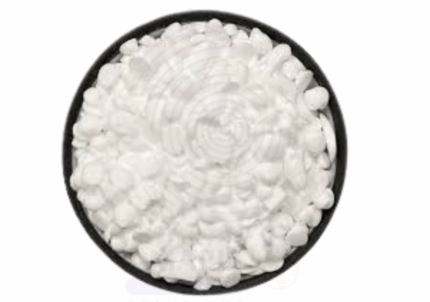
Cetyl Alcohol Flakes
Cetyl Alcohol Flakes is a high-purity fatty alcohol derived mainly from natural sources such as palm oil and coconut oil. Presented as white to off-white waxy flakes, this product contains at least 98% pure cetyl alcohol, ensuring consistent performance and quality. It is valued for its excellent emollient, thickening, and emulsifying properties and is widely used in personal care, pharmaceutical, and industrial formulations. The flake form facilitates easy handling, melting, and dosing in manufacturing processes. Cetyl Alcohol 98% Flakes contributes to the texture, stability, and moisturizing properties of various formulations, providing a non-greasy, smooth finish.
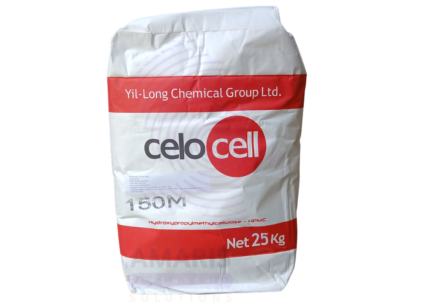
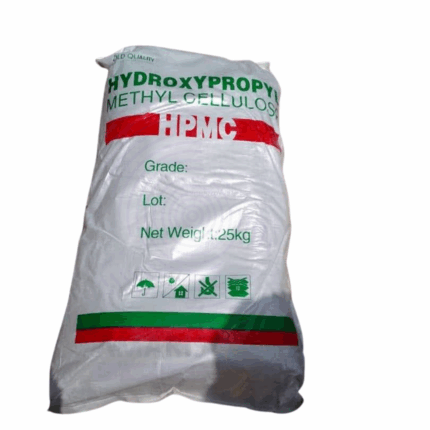
Hydroxypropyl Methylcellulose
Hydroxypropyl Methylcellulose HPMC, also known as hypromellose, is a semi-synthetic, non-ionic cellulose ether derived by chemically modifying cellulose through methylation and hydroxypropylation. It is a white to off-white, odorless, tasteless powder that dissolves in cold water to form clear, viscous solutions. HPMC is renowned for its thickening, film-forming, emulsifying, and controlled-release properties. It is widely used in pharmaceuticals, food, cosmetics, construction, and industrial applications due to its safety profile, versatility, and compatibility with various ingredients.
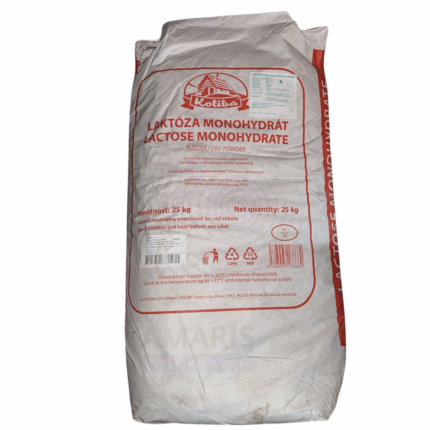
Lactose Monohydrate 200 Mesh
Lactose Monohydrate 200 Mesh is a fine, white, crystalline powder derived from milk sugar with a particle size of 200 mesh, indicating very fine granules. It is widely used in pharmaceutical, food, and confectionery industries as a filler, binder, and stabilizer. Lactose Monohydrate is valued for its excellent compressibility, low hygroscopicity, and compatibility with many active pharmaceutical ingredients (APIs). The monohydrate form contains one molecule of water, enhancing its stability and flow properties.

Neem oil
Neem oil is a natural vegetable oil pressed from the fruits and seeds of the neem tree (Azadirachta indica). It is characterized by its strong, pungent odor and dark brown color. Rich in active compounds like azadirachtin, nimbin, and fatty acids, neem oil is renowned for its insecticidal, antifungal, and antibacterial properties. It is widely used in organic farming, cosmetics, and traditional medicine for its therapeutic and protective benefits.

Sodium Chloride (Industrial Salt)
Sodium Chloride (Industrial Salt) is a highly purified, sterile, and non-pyrogenic salt intended for intravenous, intramuscular, and subcutaneous administration. It is commonly used in medical and pharmaceutical settings as a key component of intravenous fluids, for rehydration therapy, electrolyte replenishment, and as a diluent for injectable drugs. This grade meets stringent pharmacopoeial standards (British Pharmacopoeia) ensuring safety and compatibility with parenteral use.












