

 Preservatives(food)
 Flavors
 Acidulants
 Sweeteners
 Antioxidants
 Colorants(food)
 Nutraceutical Ingredients (food)
 Nutrient Supplements
 Emulsifiers
 Collectors
 Dust Suppressants
 Explosives and Blasting Agents
 Flocculants and Coagulants
 Frothers
 Leaching Agents
 pH Modifiers
 Precious Metal Extraction Agents
 Antioxidants(plastic)
 Colorants (Pigments, Dyes)
 Fillers and Reinforcements
 Flame Retardants
 Monomers
 Plasticizers
 Polymerization Initiators
 Stabilizers (UV, Heat)
 Antifoaming Agents
 Chelating Agents
 Coagulants and Flocculants
 Corrosion Inhibitors
 Disinfectants and Biocides
 Oxidizing Agents
 pH Adjusters
 Scale Inhibitors( water)
 Antioxidants(cosmetic)
 Emollients
 Oils
Oils Carrier Oills
 Essential Oils
 Humectants
 Preservatives
 Surfactants(cosmetic)
 Thickeners
 UV Filters
 Fragrance (Cosmetics)
 Fertilizers
 Soil Conditioners
 Plant Growth Regulators
 Animal Feed Additives
 Biostimulants
 Pesticides (Herbicides, Insecticides, Fungicides)
 Active Pharmaceutical Ingredients (APIs)
 Excipients
 Solvents(pharmaceutical)
 Antibiotics
 Antiseptics and Disinfectants
 Vaccine Adjuvants
 Nutraceutical Ingredients (pharmaceutical)
 Analgesics & Antipyretics
 Analytical Reagents
 Solvents(lab)
 Chromatography Chemicals
 Spectroscopy Reagents
 microbiology-and-cell-culture-reagents
 Molecular Biology Reagents
 Biochemical Reagents
 Inorganic and Organic Standards
 Laboratory Safety Chemicals
 Specialty Laboratory Chemicals(Special Laboratory Equipment)
 Demulsifiers
 Hydraulic Fracturing Fluids
 Scale Inhibitors(oil)
 Surfactants(oil)
 Drilling Fluids
 Dyes and Pigments
 Bleaching Agents
 Softening Agents
 Finishing Agents
 Antistatic Agents
 Admixtures
 Waterproofing Agents
 Sealants and Adhesives
 Curing Compounds
 Concrete Repair Chemicals
 Anti-Corrosion Coatings
 Surfactants(cleaning)
 Builders
 Enzymes
 Solvents (Cleaning)
 Electronic Chemicals
 Catalysts
 Lubricants
 Photographic Chemicals
 Refrigerants
 Automotive chemicals
 Pyrotechnic Chemicals
 Biodegradable Surfactants
 Bio-based Solvents
 Renewable Polymers
 Carbon Capture Chemicals
 Wastewater Treatment Chemicals
 Pigments
 Solvents(paint)
 Specialty Coatings
 Binders/Resins
 Additives
 Driers
 Anti-Corrosion Agents
 Functional Coatings
 Application-Specific Coatings
 Leavening Agents
 Dough Conditioners
 Flour Treatments
 Fat Replacers
 Decoratives
 Preservatives(baking)
 Plasticizers & Softeners
 Reinforcing Agents
 Adhesion Promoters
 Vulcanizing Agents
 Antidegradants
 Blowing Agents
 Fillers & Extenders
 Accelerators & Retarders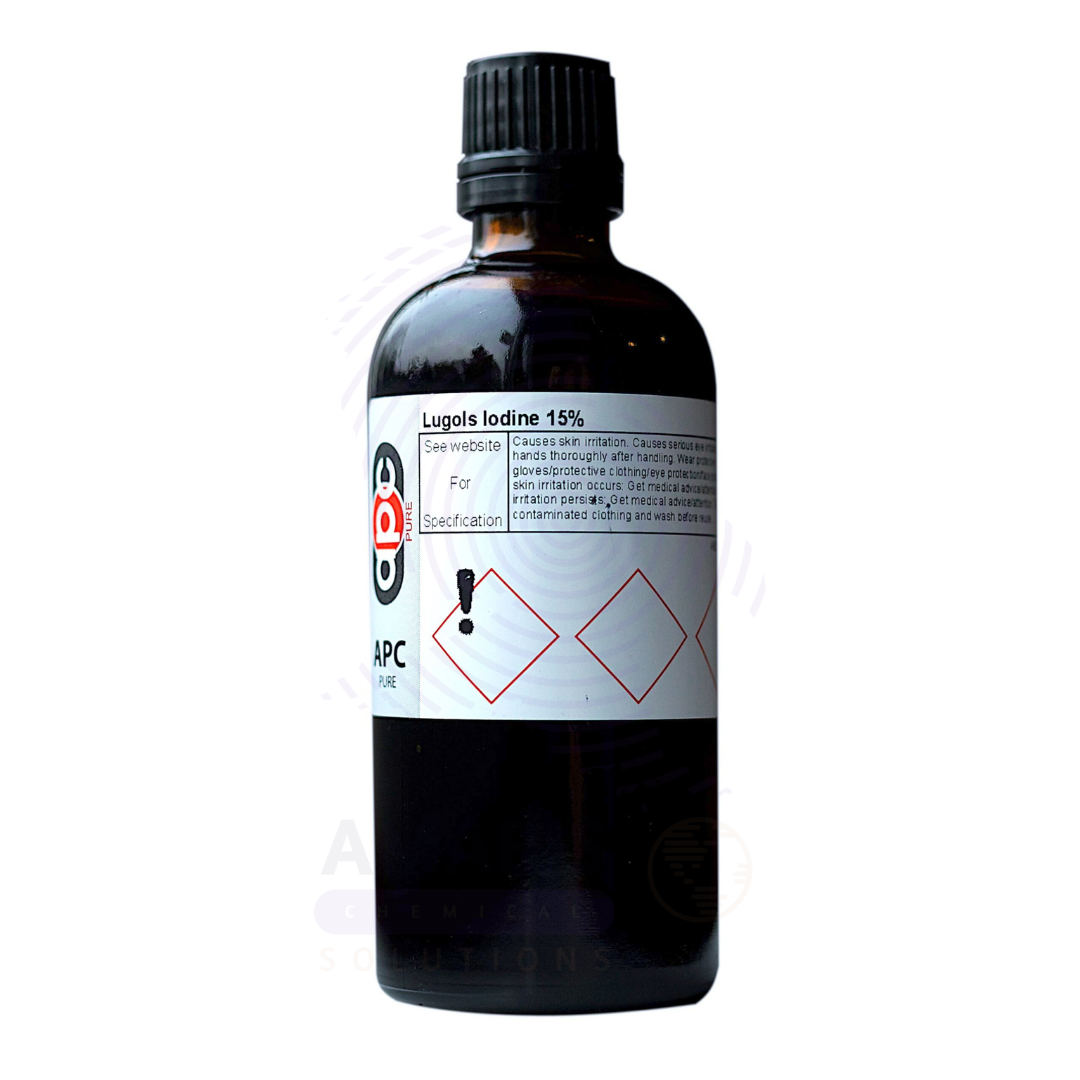

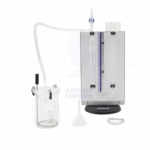

Lugols Iodine Extra Pure
Original price was: $ 16.12.$ 15.98Current price is: $ 15.98.
Lugols Iodine Extra Pure is a superior-grade aqueous solution composed of elemental iodine and potassium iodide, known for its wide-ranging applications in laboratories, microscopy, and medical diagnostics. Valued for its strong staining properties, it is commonly used in biology to identify starch in plant cells and as a general-purpose cellular stain to enhance visibility under a microscope. Its extra pure formulation ensures high clarity, minimal impurities, and consistent results in sensitive applications. Additionally, it plays a role in preparing specimens, sterilization procedures, and certain medical antiseptic practices. Store tightly sealed, away from light and heat, to preserve potency.
Lugols Iodine Extra Pure
Primary Uses
- Starch Indicator:
- Commonly used to test for the presence of starch; turns blue-black in the presence of starch, making it essential in biological and food analysis.
- Microscopy Stain:
- Serves as a contrast stain in microscopy, especially for highlighting cell structures like nuclei in plant and animal cells.
- Antiseptic Agent:
- Used in lab settings for disinfection of surfaces and minor tools due to its iodine content.
Secondary Uses
- Glycogen Detection:
- Helps detect glycogen in cells and tissues, especially in histological studies.
- Protozoan Staining:
- Aids in staining intestinal parasites and cysts in biological and clinical samples.
- Redox Reactions:
- Occasionally used in redox titrations or as part of iodine-based redox systems.
1. Basic Identification Attributes
- Chemical Name: Lugol’s Iodine
- Synonyms: Aqueous Iodine Solution, Iodine-Potassium Iodide Solution
- Composition:
- Typically 5% elemental iodine (I₂)
- 10% potassium iodide (KI)
- In distilled water
- Appearance: Reddish-brown liquid
- Odor: Characteristic iodine odor
- Solubility: Miscible with water
- Grade: Extra Pure (analytical grade)
2. Safety & Hazard Attributes
- GHS Classification:
- Skin Irritant (Category 2)
- Eye Irritant (Category 2A)
- Harmful if swallowed (Category 4)
- Hazard Statements (H-Codes):
- H302: Harmful if swallowed
- H315: Causes skin irritation
- H319: Causes serious eye irritation
- Precautionary Statements:
- P264: Wash hands thoroughly after handling
- P280: Wear protective gloves and eye/face protection
- P301+P312: If swallowed, call a poison center or doctor
- Personal Protective Equipment (PPE):
- Nitrile gloves, goggles, lab coat
- First Aid Measures:
- Inhalation: Move to fresh air; seek medical attention if symptoms persist
- Skin Contact: Wash with soap and water
- Eye Contact: Rinse cautiously with water for several minutes
- Ingestion: Rinse mouth, do not induce vomiting; seek medical advice
- Fire Hazards:
- Not flammable
- Use standard extinguishing agents for surrounding fire
3. Storage & Handling Attributes
- Storage Conditions:
- Store in a tightly sealed, amber bottle
- Keep in a cool, dry place away from light and incompatible materials (e.g., reducing agents)
- Avoid heat and direct sunlight
- Handling Tips:
- Handle with care to avoid skin or clothing stains
- Do not breathe vapors or ingest
4. Laboratory Applications
- Primary Uses:
- Starch detection: Forms a blue-black complex with starch
- Microscopy stain: Used as a contrast stain for plant cells and protozoa
- Iodometry (Redox titration): In analytical chemistry for redox reactions
- Secondary Uses:
- Disinfectant and antiseptic (non-laboratory, with appropriate dilution)
- Educational demonstrations of chemical reactions
- Nutrient test in biology labs (e.g., starch in food)
SAFETY PRECAUTIONS
Personal Protective Equipment (PPE):
- Wear a lab coat, nitrile gloves, and safety goggles.
- Work in a well-ventilated area or under a fume hood to avoid vapor exposure.
Handling:
- Avoid inhalation, ingestion, and contact with skin and eyes.
- Handle with care to prevent spills and staining.
- Wash hands thoroughly after use.
Storage:
- Store in a tightly closed container in a cool, dry, and dark place.
- Protect from light and heat.
- Keep away from incompatible substances such as strong reducing agents.
FIRST AID MEASURES
Inhalation:
- Move to fresh air immediately.
- Seek medical attention if symptoms such as coughing or difficulty breathing occur.
Skin Contact:
- Wash thoroughly with soap and water.
- Remove contaminated clothing.
- Seek medical advice if irritation or staining persists.
Eye Contact:
- Rinse cautiously with water for several minutes.
- Remove contact lenses if present and easy to do.
- Continue rinsing and seek immediate medical attention.
Ingestion:
- Rinse mouth with water.
- Do not induce vomiting.
- Seek immediate medical assistance.
FIRE FIGHTING MEASURES
Flammability:
- Not considered flammable, but may support combustion of other materials.
Extinguishing Media:
- Use dry chemicals, carbon dioxide (CO₂), or foam.
- Water spray may be used to cool containers.
Hazardous Combustion Products:
- Emits toxic iodine vapors, hydrogen iodide, and oxides of iodine when heated.
Firefighter Protection:
- Use self-contained breathing apparatus (SCBA) and full protective gear.
Related products
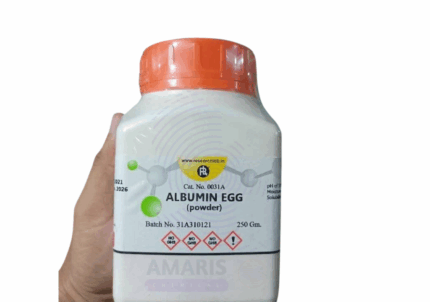
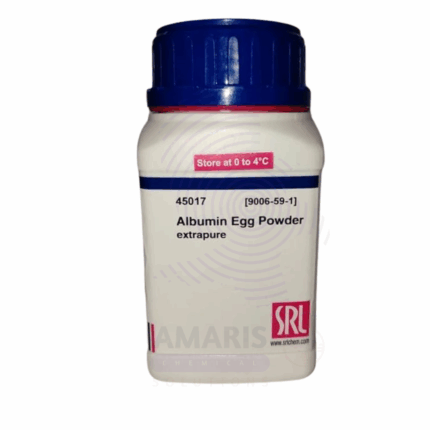
Albumen From Egg Powder Extra Pure
Albumen from Egg Powder Extra Pure is a high-purity, finely milled powder derived from the whites of hen eggs, known for its exceptional binding, foaming, and emulsifying properties. This premium-grade product is widely used in biochemical research, microbiological media, and pharmaceutical formulations where high protein content and purity are essential. Its excellent solubility in water and consistent performance make it ideal for applications in diagnostics, nutritional studies, and electrophoresis. In addition, it serves as a reliable protein source in specialized dietary products and laboratory-grade food testing. To preserve its functionality and shelf life, Albumen Powder should be stored in a tightly sealed container, away from moisture and heat.
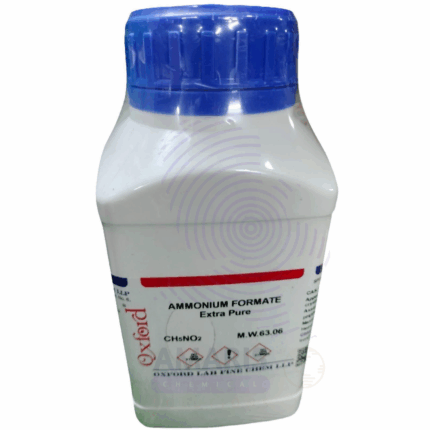
Ammonium Formate Extra Pure
Ammonium Formate Extra Pure is a high-purity, white crystalline compound commonly used in laboratory chemistry as a buffering agent, reducing agent, and reagent in organic synthesis. It plays a significant role in catalytic hydrogenation reactions, particularly in transfer hydrogenation using palladium or platinum catalysts. In analytical chemistry, it is frequently used in HPLC and mass spectrometry applications due to its volatility and compatibility with aqueous and organic mobile phases. The extra pure grade ensures extremely low levels of impurities, making it suitable for high-precision and instrument-sensitive applications. It should be stored in a cool, dry, and tightly sealed container to preserve its stability and prevent moisture uptake.
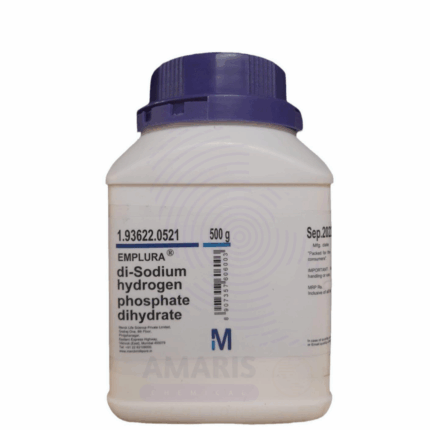
Disodium Hydrogen Phosphate Dihydrate Extra Pure
Disodium Hydrogen Phosphate Dihydrate Extra Pure is a laboratory-grade chemical widely utilized as a buffering agent and pH stabilizer in analytical chemistry, molecular biology, and biochemical research. It is commonly used in the preparation of phosphate buffer solutions, supporting the maintenance of optimal conditions for enzyme activity and cell culture. This dihydrate form ensures accurate hydration levels for reliable solution formulation. Its high purity makes it suitable for sensitive lab applications requiring minimal interference from impurities. The compound should be kept tightly sealed in a dry environment to preserve its integrity and reactivity.
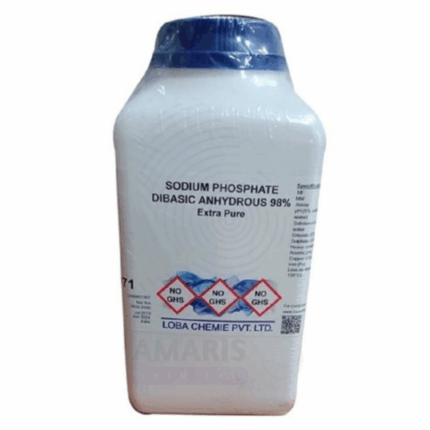
Disodium Phosphate Extra Pure
Disodium Phosphate Extra Pure is a high-grade inorganic compound commonly used in laboratories as a buffering agent, emulsifier, and reagent. It is particularly valuable in preparing phosphate buffer solutions for biochemical and molecular biology applications. Its reliable pH-stabilizing properties make it ideal for use in analytical chemistry, food analysis, and preparation of reagent mixtures. With excellent solubility in water and minimal impurities, this extra pure form ensures accuracy and consistency in experimental results across a wide range of laboratory procedures.
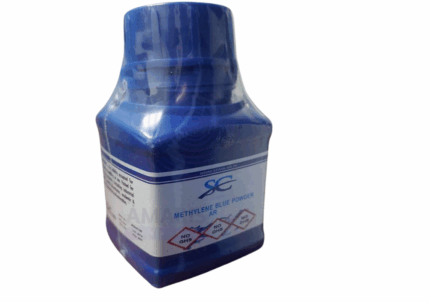
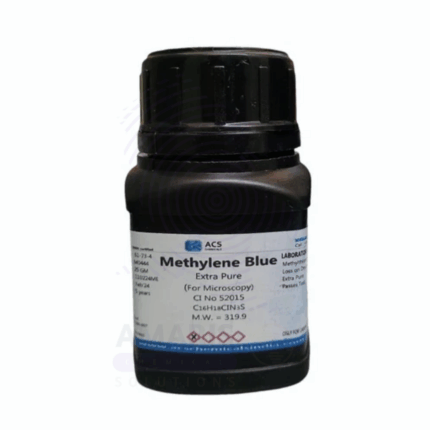
Methylene Blue Powder Extra Pure
Methylene Blue Powder Extra Pure is a high-grade dye with diverse laboratory and industrial applications. It is widely used as a biological stain in microscopy for highlighting cellular structures such as nuclei, bacteria, and parasites, particularly in blood smear and bacteriological studies. In chemistry, it serves as a redox indicator due to its distinct color change properties, and in aquaculture, it acts as a treatment for fungal and bacterial infections in fish. Its extra pure formulation ensures maximum staining clarity, minimal contamination, and reliable results in research, diagnostics, and educational settings.
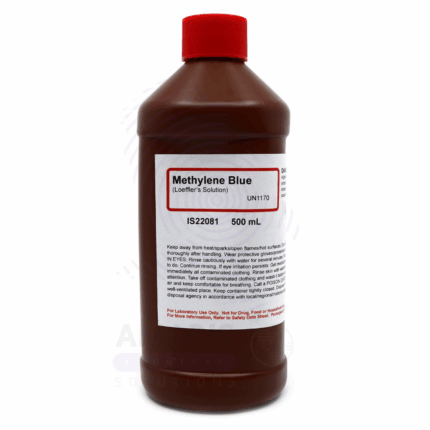
Methylene Blue Solution Extra Pure
Methylene Blue Solution Extra Pure is a ready-to-use aqueous formulation of high-purity methylene blue dye, ideal for laboratory, biological, and analytical applications. It is commonly employed as a vital stain in microscopy to highlight cellular components such as nuclei and mitochondria, especially in live or fixed cells. This solution also functions as a redox indicator in various chemical experiments and is used in microbiology for bacterial identification and differentiation. With its extra pure quality, the solution delivers consistent and precise staining results, making it a reliable tool for research, diagnostics, and teaching laboratories.
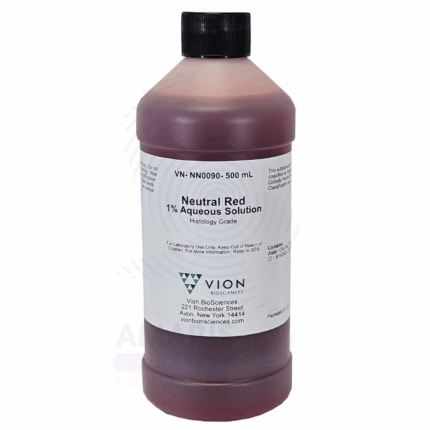
Neutral Red Solution Extra Pure
Neutral Red Solution Extra Pure is a high-purity, ready-to-use solution of the pH indicator dye Neutral Red, widely employed in biological, biochemical, and analytical laboratories. Known for its distinct color change—red in acidic environments and yellow in alkaline—it is commonly used to stain lysosomes in viable cells, making it invaluable in cell viability assays, cytotoxicity studies, and microscopic cell structure investigations.
This Extra Pure grade ensures excellent clarity and precision in results, especially in sensitive microbiological and histological procedures. It is frequently used in conjunction with culture media to observe metabolic activities and in vital staining techniques to differentiate between live and dead cells. Proper handling involves storing it in tightly sealed amber containers away from light and heat to maintain its stability and effectiveness.
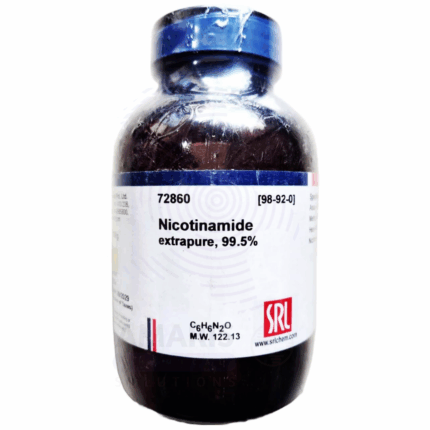
Nicotinamide Extra Pure
Nicotinamide Extra Pure is a refined, high-purity form of vitamin B3, widely recognized for its essential role in human and animal health. It serves as a vital component in the synthesis of NAD⁺ and NADP⁺, coenzymes that are fundamental to numerous metabolic and enzymatic reactions in living cells. In laboratory settings, it is frequently used in biochemical research, cell culture media, and vitamin assays due to its stable and bioactive nature.
In pharmaceutical applications, nicotinamide is commonly used in the formulation of supplements and dermatological treatments, where it supports skin barrier function, reduces inflammation, and helps alleviate acne and hyperpigmentation. Its presence in cosmetic products is valued for promoting smoother, more even-toned skin. The Extra Pure grade guarantees minimal impurities, making it ideal for sensitive applications in health care, research, and personal care products. It should be stored in a cool, dry environment away from light to maintain its integrity.












