

 Preservatives(food)
 Flavors
 Acidulants
 Sweeteners
 Antioxidants
 Colorants(food)
 Nutraceutical Ingredients (food)
 Nutrient Supplements
 Emulsifiers
 Collectors
 Dust Suppressants
 Explosives and Blasting Agents
 Flocculants and Coagulants
 Frothers
 Leaching Agents
 pH Modifiers
 Precious Metal Extraction Agents
 Antioxidants(plastic)
 Colorants (Pigments, Dyes)
 Fillers and Reinforcements
 Flame Retardants
 Monomers
 Plasticizers
 Polymerization Initiators
 Stabilizers (UV, Heat)
 Antifoaming Agents
 Chelating Agents
 Coagulants and Flocculants
 Corrosion Inhibitors
 Disinfectants and Biocides
 Oxidizing Agents
 pH Adjusters
 Scale Inhibitors( water)
 Antioxidants(cosmetic)
 Emollients
 Oils
Oils Carrier Oills
 Essential Oils
 Humectants
 Preservatives
 Surfactants(cosmetic)
 Thickeners
 UV Filters
 Fertilizers
 Soil Conditioners
 Plant Growth Regulators
 Animal Feed Additives
 Biostimulants
 Pesticides (Herbicides, Insecticides, Fungicides)
 Active Pharmaceutical Ingredients (APIs)
 Excipients
 Solvents(pharmaceutical)
 Antibiotics
 Antiseptics and Disinfectants
 Vaccine Adjuvants
 Nutraceutical Ingredients (pharmaceutical)
 Analgesics & Antipyretics
 Analytical Reagents
 Solvents(lab)
 Chromatography Chemicals
 Spectroscopy Reagents
 microbiology-and-cell-culture-reagents
 Molecular Biology Reagents
 Biochemical Reagents
 Inorganic and Organic Standards
 Laboratory Safety Chemicals
 Specialty Laboratory Chemicals(Special Laboratory Equipment)
 Demulsifiers
 Hydraulic Fracturing Fluids
 Scale Inhibitors(oil)
 Surfactants(oil)
 Drilling Fluids
 Dyes and Pigments
 Bleaching Agents
 Softening Agents
 Finishing Agents
 Antistatic Agents
 Admixtures
 Waterproofing Agents
 Sealants and Adhesives
 Curing Compounds
 Concrete Repair Chemicals
 Anti-Corrosion Coatings
 Surfactants(cleaning)
 Builders
 Enzymes
 Solvents (Cleaning)
 Fragrances (Cleaning)
 Electronic Chemicals
 Catalysts
 Lubricants
 Photographic Chemicals
 Refrigerants
 Automotive chemicals
 Pyrotechnic Chemicals
 Biodegradable Surfactants
 Bio-based Solvents
 Renewable Polymers
 Carbon Capture Chemicals
 Wastewater Treatment Chemicals
 Pigments
 Solvents(paint)
 Specialty Coatings
 Binders/Resins
 Additives
 Driers
 Anti-Corrosion Agents
 Functional Coatings
 Application-Specific Coatings
 Leavening Agents
 Dough Conditioners
 Flour Treatments
 Fat Replacers
 Decoratives
 Preservatives(baking)
 Plasticizers & Softeners
 Reinforcing Agents
 Adhesion Promoters
 Vulcanizing Agents
 Antidegradants
 Blowing Agents
 Fillers & Extenders
 Accelerators & Retarders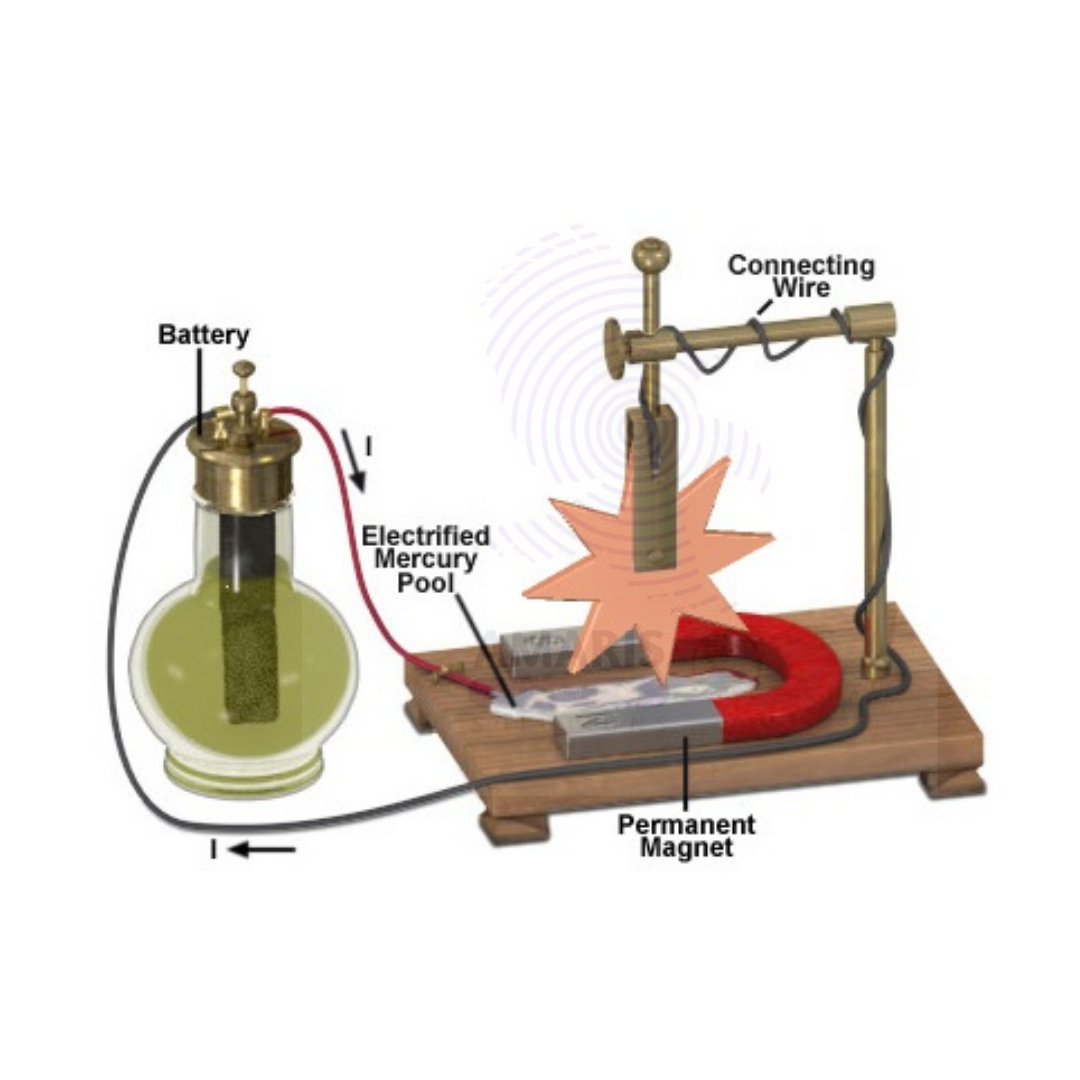


Barlows Wheel Apparatus
Original price was: $ 34.90.$ 34.83Current price is: $ 34.83.
Barlows Wheel Apparatus is a classic physics demonstration device used to illustrate electromagnetic effects, specifically the principles of electric motors and the interaction between magnetic fields and electric current. It consists of a rotating wheel in contact with an electric circuit and a magnetic field, demonstrating motion generated by electromagnetic forces. The apparatus is widely used in educational laboratories to teach fundamental concepts of electromagnetism and motor action, as well as in industrial training for understanding motor components and operation.
Barlows Wheel Apparatus
Primary Use
- Laboratory Applications
- Demonstrates the principles of electromagnetism and motor operation in physics labs.
- Used for educational experiments involving electric currents, magnetic fields, and forces.
- Helps students visualize the interaction between electric current and magnetic fields.
- Employed in practical demonstrations for understanding the working of electric motors.
Secondary Uses
- Industrial Applications
- Used in training sessions for technicians and engineers on motor function basics.
- Applied in prototype development and testing of electromagnetic devices.
- Assists in troubleshooting and understanding motor-related equipment in manufacturing.
- Useful for research and development involving electromagnetic machinery and components.
1.Basic Identification Attributes
- Device Type: Electromagnetic demonstration apparatus
- Components: Rotating wheel, magnetic field source, electrical contacts
- Function: Demonstrates conversion of electrical energy into mechanical motion
2.Physical & Chemical Properties
- Materials: Metal wheel and contacts, insulated wiring, magnets
- Dimensions: Compact size suitable for laboratory tables
- Operation: Requires low voltage DC power supply
3.Safety & Hazard Attributes
- Electrical Risks: Risk of electric shock if handled improperly; use caution
- Mechanical Risks: Moving parts may cause injury; keep hands clear during operation
- Toxicity: Non-toxic materials used
4.Storage & Handling Attributes
- Storage Conditions: Store in dry, dust-free environment
- Handling Precautions: Handle with care to avoid damage to contacts and magnets
5.Regulatory & Compliance Attributes
- Complies with safety standards for educational electrical equipment
- Manufactured under quality control for educational laboratory apparatus
6.Environmental & Health Impact
- Components recyclable; dispose of electronic parts according to regulations
- Minimal environmental impact during normal use
Safety Handling Precautions
- Disconnect power before handling or maintenance
- Avoid contact with moving wheel during operation
First Aid Measures
- Electrical Shock: Disconnect power and seek medical help if needed
- Mechanical Injury: Clean wounds and seek medical attention if severe
Firefighting Measures
- Fire Hazard: Low risk; apparatus operates at low voltage
- Extinguishing Media: Use standard fire extinguishers suitable for electrical fires
- Special Precautions: Avoid water on electrical components
Related products
Absorption Tower
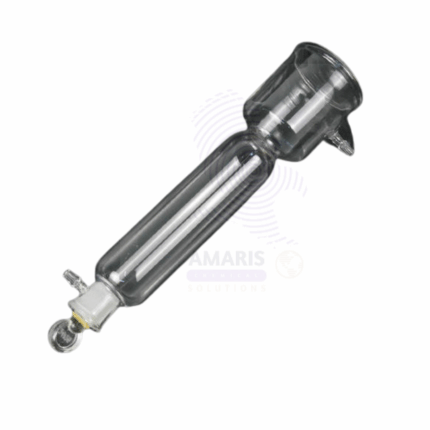
An Absorption Tower is a vertical vessel used in industrial processes to remove specific components from gas streams by contact with a liquid solvent. This equipment facilitates mass transfer between the gas and liquid phases, allowing targeted pollutants or valuable compounds to be absorbed efficiently. Absorption Towers are commonly employed in chemical plants, refineries, and environmental control systems for gas scrubbing, purification, and recovery applications. They are designed for optimal gas-liquid contact, often using packing materials or trays to enhance surface area and improve absorption efficiency.
Atomic Model Set
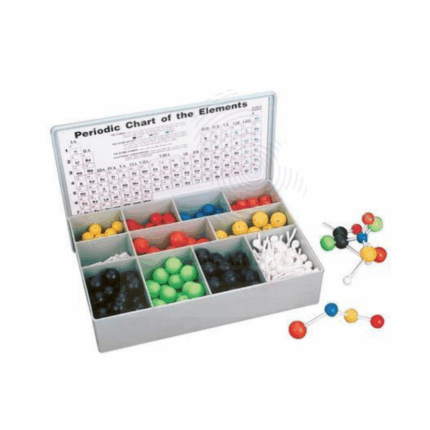
The Atomic Model Set is an educational tool designed to visually demonstrate the structure of atoms and molecules. It consists of color-coded balls representing protons, neutrons, and electrons, connected by rods to simulate atomic bonds. This set is widely used in classrooms, laboratories, and training centers to aid in the teaching of atomic theory, molecular geometry, chemical bonding, and related concepts. Made from durable plastic materials, the set provides a hands-on, interactive experience that enhances understanding of complex scientific principles.
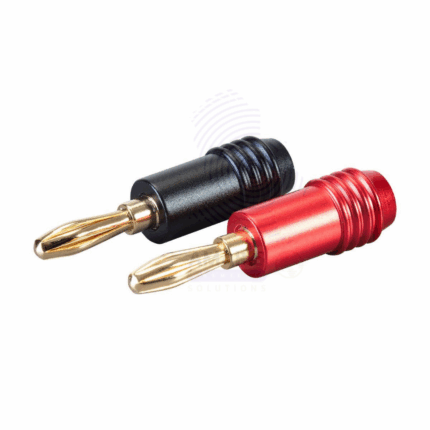
Banana Plug
The Banana Plug is a single-wire electrical connector used to join wires to equipment in testing, measuring, and laboratory applications. It features a cylindrical metal pin with a spring mechanism to ensure a secure and reliable connection. The plug is widely used for quick and easy connections in electronic testing devices, audio systems, and laboratory instruments. Made from high-conductivity metals such as brass or copper and often gold- or nickel-plated for corrosion resistance, the Banana Plug provides consistent electrical conductivity and durability.
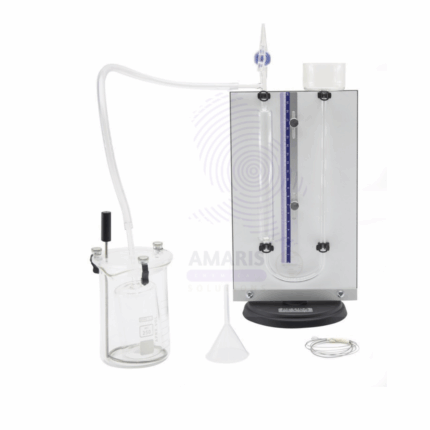
Charles law apparatus
Product Description
Charles Law Apparatus is a scientific device used to demonstrate and study Charles's Law, which states that the volume of a gas is directly proportional to its temperature at constant pressure. The apparatus typically consists of a sealed container connected to a graduated tube or syringe, allowing measurement of gas volume changes as temperature varies. It is widely used in physics and chemistry laboratories for educational and experimental purposes, helping users understand gas behavior under thermal changes.
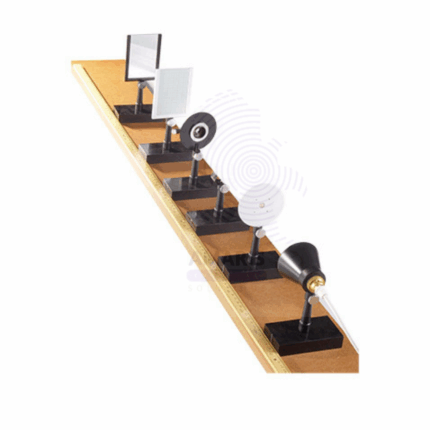
Complete optical bench
Product Description
Complete Optical Bench is a precision laboratory apparatus designed to facilitate experiments involving optics, such as the study of lenses, mirrors, light refraction, reflection, and focal lengths. It consists of a rigid, graduated base rail with movable holders for optical components like lenses, mirrors, prisms, and light sources. The modular design allows flexible setup of various optical experiments, making it an essential tool in physics laboratories for teaching and research.
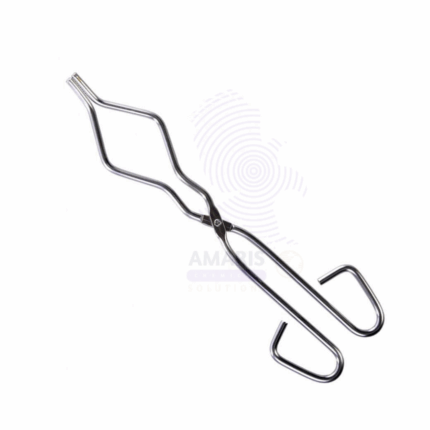
Crucible Tongs
Crucible Tongs are specialized metal tools designed for safely handling hot crucibles, evaporating dishes, and other laboratory apparatus exposed to high temperatures. Made from durable, heat-resistant metals such as stainless steel or nickel-plated steel, these tongs provide a firm grip, ensuring the safe transfer of heated items during laboratory procedures, including heating, melting, and chemical reactions.
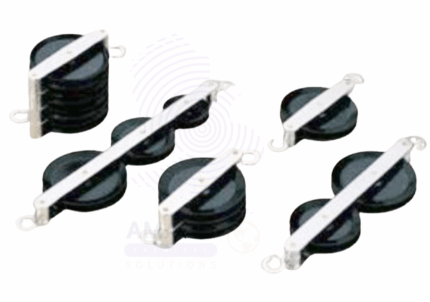
Double, Triple, Single Lab Pulley
Lab pulleys—available as single, double, or triple configurations—are precision-engineered mechanical devices used in laboratory settings to change the direction of force or lift loads with reduced effort. Typically made from durable materials such as metal alloys or hard plastics, these pulleys consist of grooved wheels that guide ropes or cords smoothly during experiments and mechanical setups. Single pulleys have one wheel, doubles have two, and triples have three wheels, allowing different mechanical advantages depending on the setup. Lab pulleys are essential in physics education, mechanical experiments, and engineering demonstrations where principles of force, tension, and motion are studied.
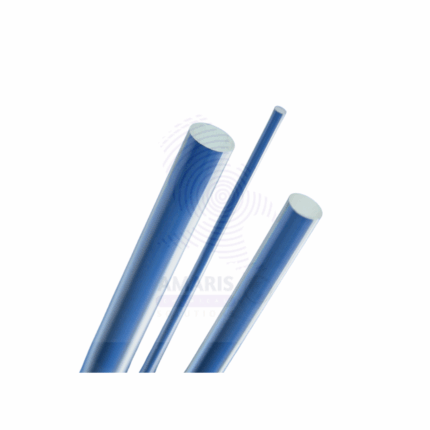
Glass Rod for Static Electricity
Glass Rod for Static Electricity is a smooth, cylindrical rod made from high-quality glass designed specifically for generating static electricity through friction. Commonly used in physics laboratories and educational demonstrations, this rod serves as a fundamental tool to study electrostatics by producing and transferring electric charges when rubbed with materials like silk or wool. The rod’s chemically resistant, durable glass surface allows repeated use without degradation. It is an essential apparatus for teaching concepts such as charge generation, attraction, repulsion, and the behavior of static electricity in various materials.












