

 Preservatives(food)
 Flavors
 Acidulants
 Sweeteners
 Antioxidants
 Colorants(food)
 Nutraceutical Ingredients (food)
 Nutrient Supplements
 Emulsifiers
 Collectors
 Dust Suppressants
 Explosives and Blasting Agents
 Flocculants and Coagulants
 Frothers
 Leaching Agents
 pH Modifiers
 Precious Metal Extraction Agents
 Antioxidants(plastic)
 Colorants (Pigments, Dyes)
 Fillers and Reinforcements
 Flame Retardants
 Monomers
 Plasticizers
 Polymerization Initiators
 Stabilizers (UV, Heat)
 Antifoaming Agents
 Chelating Agents
 Coagulants and Flocculants
 Corrosion Inhibitors
 Disinfectants and Biocides
 Oxidizing Agents
 pH Adjusters
 Scale Inhibitors( water)
 Antioxidants(cosmetic)
 Emollients
 Oils
Oils Carrier Oills
 Essential Oils
 Humectants
 Preservatives
 Surfactants(cosmetic)
 Thickeners
 UV Filters
 Fragrance (Cosmetics)
 Fertilizers
 Soil Conditioners
 Plant Growth Regulators
 Animal Feed Additives
 Biostimulants
 Pesticides (Herbicides, Insecticides, Fungicides)
 Active Pharmaceutical Ingredients (APIs)
 Excipients
 Solvents(pharmaceutical)
 Antibiotics
 Antiseptics and Disinfectants
 Vaccine Adjuvants
 Nutraceutical Ingredients (pharmaceutical)
 Analgesics & Antipyretics
 Analytical Reagents
 Solvents(lab)
 Chromatography Chemicals
 Spectroscopy Reagents
 microbiology-and-cell-culture-reagents
 Molecular Biology Reagents
 Biochemical Reagents
 Inorganic and Organic Standards
 Laboratory Safety Chemicals
 Specialty Laboratory Chemicals(Special Laboratory Equipment)
 Demulsifiers
 Hydraulic Fracturing Fluids
 Scale Inhibitors(oil)
 Surfactants(oil)
 Drilling Fluids
 Dyes and Pigments
 Bleaching Agents
 Softening Agents
 Finishing Agents
 Antistatic Agents
 Admixtures
 Waterproofing Agents
 Sealants and Adhesives
 Curing Compounds
 Concrete Repair Chemicals
 Anti-Corrosion Coatings
 Surfactants(cleaning)
 Builders
 Enzymes
 Solvents (Cleaning)
 Electronic Chemicals
 Catalysts
 Lubricants
 Photographic Chemicals
 Refrigerants
 Automotive chemicals
 Pyrotechnic Chemicals
 Biodegradable Surfactants
 Bio-based Solvents
 Renewable Polymers
 Carbon Capture Chemicals
 Wastewater Treatment Chemicals
 Pigments
 Solvents(paint)
 Specialty Coatings
 Binders/Resins
 Additives
 Driers
 Anti-Corrosion Agents
 Functional Coatings
 Application-Specific Coatings
 Leavening Agents
 Dough Conditioners
 Flour Treatments
 Fat Replacers
 Decoratives
 Preservatives(baking)
 Plasticizers & Softeners
 Reinforcing Agents
 Adhesion Promoters
 Vulcanizing Agents
 Antidegradants
 Blowing Agents
 Fillers & Extenders
 Accelerators & Retarders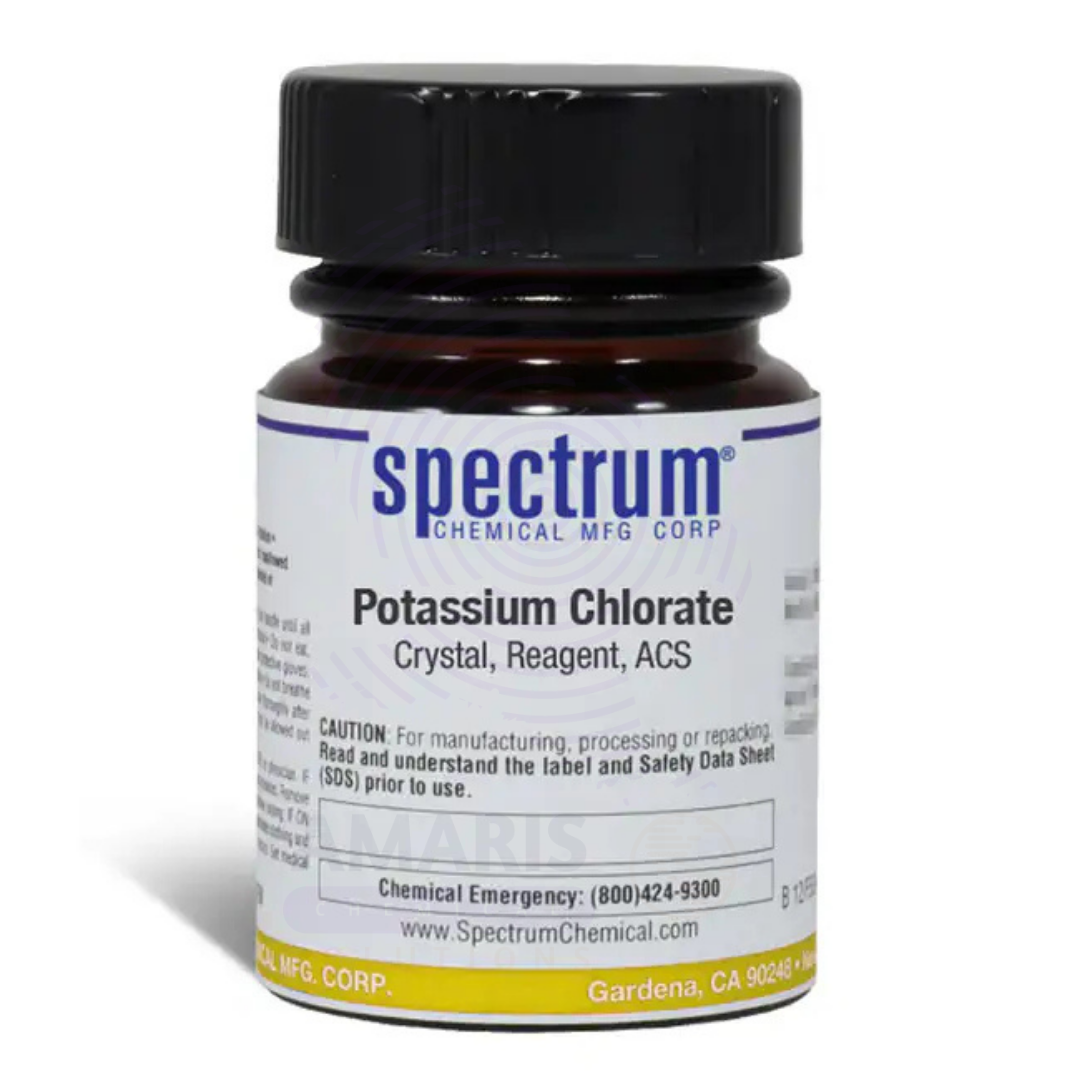



Potassium Chlorate Extra Pure
Original price was: $ 18.00.$ 17.87Current price is: $ 17.87.
Potassium Chlorate Extra Pure is a high-purity, crystalline compound with the chemical formula KClO₃. It appears as a white, odorless solid and is well known for its strong oxidizing properties. In its Extra Pure form, it meets analytical-grade standards, making it suitable for sensitive laboratory and controlled industrial applications.
This chemical is extensively used in analytical chemistry, especially in oxygen production experiments and thermal decomposition studies, as it decomposes to release oxygen when heated. It is also used as a reagent in pyrotechnics, match compositions, and explosive formulations, where a powerful oxidizer is needed. In botanical tissue culture, potassium chlorate is sometimes used to induce flowering in certain plant species.
Due to its reactive and potentially explosive nature, Potassium Chlorate must be handled with extreme caution. It should be stored away from combustible materials, acids, and heat sources, in a cool, dry, well-ventilated area, in tightly sealed containers. Personal protective equipment such as gloves, goggles, and lab coats must be worn during handling, and it should never be ground or mixed with sulfur, phosphorus, or organic matter unless under strictly controlled conditions.
Potassium Chlorate Extra Pure
PRIMARY USES
- Laboratory Reagent:
- Widely used as an oxidizing agent in analytical and synthesis reactions.
- Facilitates oxygen generation experiments (e.g., thermal decomposition with manganese dioxide catalyst).
- Pyrotechnics & Explosives:
- Essential in fireworks, matches, and signal flares for its strong oxidizing properties.
- Promotes intense combustion and vibrant flame coloration.
- Disinfectants & Germicides:
- Acts as a component in mouthwashes and throat lozenges (in very controlled doses).
- Historically used for its antiseptic properties.
SECONDARY USES
- Agriculture (limited use):
- Previously used as a herbicide and defoliant, though now largely restricted due to safety concerns.
- Textile and Dye Industry:
- Employed in bleaching and dyeing processes as an oxidizing agent.
- Chemical Manufacturing:
- Intermediate in the production of oxygen-rich compounds and specialty chemicals.
1. Basic Identification Attributes
- Chemical Name: Potassium Chlorate
- CAS Number: 3811-04-9
- HS Code: 2829.19.00
- Molecular Formula: KClO₃
- Synonyms:
- Chloric acid, potassium salt
- Potassium salt of chloric acid
- UN No. 1485
2. Physical & Chemical Properties
- Physical State: Solid (crystalline powder)
- Color & Odor: White crystals or powder, odorless
- Boiling Point & Melting Point:
- Melting Point: ~356 °C (decomposes)
- Decomposes before boiling
- Density/Specific Gravity: ~2.34 g/cm³
- Solubility:
- Soluble in water (~7.3 g/100 mL at 25 °C)
- Insoluble in alcohol and organic solvents
- pH Level: Neutral to slightly basic in aqueous solution
- Vapor Pressure & Volatility: Not volatile
- Flash Point: Not applicable (non-flammable itself)
- Autoignition Temperature: Not applicable
- Viscosity: Not applicable
3. Safety & Hazard Attributes
- Hazard Class (GHS Classification):
- Oxidizing solid (Category 1)
- Acute toxicity (Oral, Category 4)
- Skin and eye irritant
- NFPA Ratings:
- Health: 2
- Flammability: 0
- Reactivity: 3 (strong oxidizer)
- Exposure Limits:
- No specific OSHA PEL or ACGIH TLV
- Reactivity:
- Strong oxidizer; reacts violently with organic materials, sulfur, phosphorus, and reducing agents
- May cause explosive mixtures with combustible materials
4. Storage & Handling Attributes
- Storage Conditions:
- Store in a cool, dry, well-ventilated, and segregated area
- Keep away from heat, flames, and incompatible substances
- Incompatible Materials:
- Organic matter, sulfur, phosphorus, powdered metals, strong acids, reducing agents
- Container Type:
- Glass, high-density plastic containers (non-reactive)
- Shelf Life & Expiration Date:
- Stable when dry; store tightly sealed to avoid moisture uptake
- Special Handling Requirements:
- Use chemical-resistant gloves, safety goggles, and dust mask
- Avoid friction, impact, or contamination during handling
5. Regulatory & Compliance Attributes
- Regulatory Status:
- Regulated under OSHA, REACH, EPA
- Controlled in some jurisdictions due to explosive potential
- Transportation Restrictions:
- UN Number: 1485
- Hazard Class: 5.1 (oxidizer)
- Packing Group: II
- Waste Disposal Method:
- Dispose of as hazardous waste according to local environmental regulations
- Do not dispose into drains or combust with flammable waste
6. Environmental & Health Impact
- Ecotoxicity:
- Harmful to aquatic organisms at high concentrations
- Persistence in Environment:
- Decomposes into chloride and oxygen; not persistent
- Carcinogenicity/Mutagenicity:
- Not classified as carcinogenic or mutagenic
- Biodegradability:
- Inorganic; does not biodegrade, but breaks down through chemical processes
SAFETY PRECAUTIONS
Personal Protective Equipment (PPE):
- Use chemical-resistant gloves (e.g., nitrile).
- Wear safety goggles and a face shield for full eye and face protection.
- Lab coat and anti-static protective clothing recommended.
- Use a suitable respirator if dust is generated.
Handling:
- Handle in a spark-free, well-ventilated environment.
- Avoid friction, heat, shock, or contact with organic materials.
- Do not mix with combustible or reducing substances.
- Prevent buildup of dust and avoid inhalation.
Storage:
- Store in a tightly closed, corrosion-resistant container.
- Keep in a cool, dry, and well-ventilated place.
- Isolate from acids, organic materials, and flammable substances.
- Label clearly as an oxidizer.
FIRST AID MEASURES
Inhalation:
- Move people to fresh air.
- Seek medical attention if respiratory symptoms develop.
Skin Contact:
- Wash thoroughly with soap and water.
- Remove contaminated clothing.
- If irritation persists, consult a physician.
Eye Contact:
- Rinse with copious amounts of water for at least 15 minutes.
- Lift eyelids and flush thoroughly.
- Seek immediate medical help.
Ingestion:
- Rinse mouth with water.
- Do NOT induce vomiting.
- Seek immediate medical attention—may cause internal oxidative damage.
FIRE FIGHTING MEASURES
Flammability:
- Not flammable by itself but a powerful oxidizer—can intensify fires.
Extinguishing Media:
- Use water spray, dry chemical, or CO₂.
- Avoid using dry combustible materials like sawdust or cloth.
Hazardous Combustion Products:
- Releases toxic gases such as chlorine, potassium oxides, and oxygen under fire conditions.
Firefighter Protection:
- Use full-body flame-resistant gear and self-contained breathing apparatus (SCBA).
- Cool containers with water to prevent rupture.
- Keep distance—risk of explosion if heated.
Related products
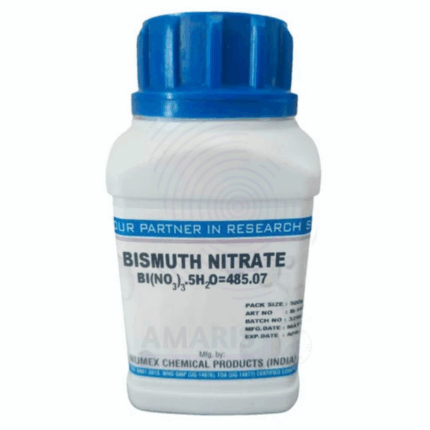
Bismuth Nitrate Extra Pure
Bismuth Nitrate Extra Pure is a high-purity inorganic compound composed of bismuth and nitrate ions, typically supplied as a crystalline solid or powder. It is widely used as a precursor in chemical synthesis, pharmaceuticals, cosmetics, and industrial applications. Known for its excellent solubility in nitric acid and water, this compound serves as a source of bismuth ions in various chemical reactions and formulations. Its high purity ensures minimal impurities, making it suitable for sensitive applications requiring consistent quality and performance.
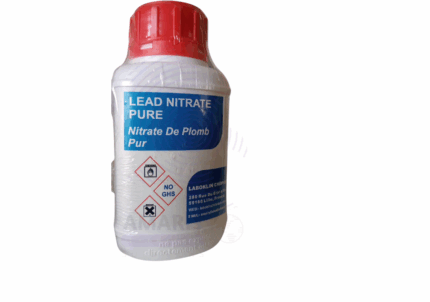
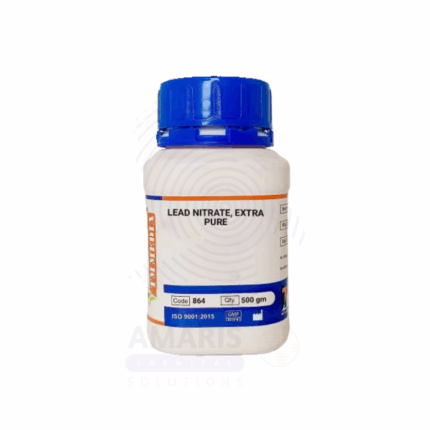
Lead Nitrate Extra Pure
Lead Nitrate Extra Pure is a white crystalline compound (Pb(NO₃)₂) known for its excellent solubility in water and reliable reactivity, making it a key reagent in analytical and industrial chemistry. It is frequently used in laboratory synthesis, qualitative analysis, and in the production of other lead compounds. In pyrotechnics, it's valued for its role as an oxidizing agent, while in metallurgy, it assists in gold leaching and ore processing. Its high purity ensures consistent performance in controlled experiments and manufacturing. Due to its toxic and oxidizing nature, it must be handled with careful PPE protocols and stored securely away from organics or combustible materials.
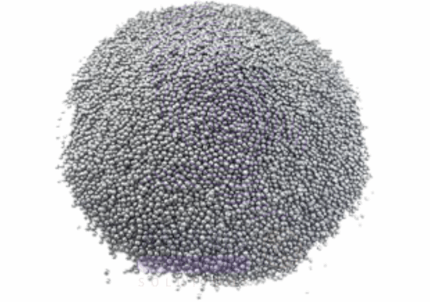
Lead Shot Extra Pure
Lead Shot Extra Pure consists of small, spherical pellets of high-purity lead, typically used in specialized industrial, laboratory, and ballistic applications. In laboratories, it serves as a dense, inert mass ideal for radiation shielding, counterweights, or ball-milling media due to its excellent malleability and high atomic mass. In metallurgy, it can be employed in alloy preparation or as a reducing agent under specific conditions. Its consistent size and purity make it especially useful where uniformity and minimal contamination are critical. Safe handling is essential, as lead is toxic, and prolonged exposure can pose serious health hazards. Proper PPE, ventilation, and disposal methods are mandatory.
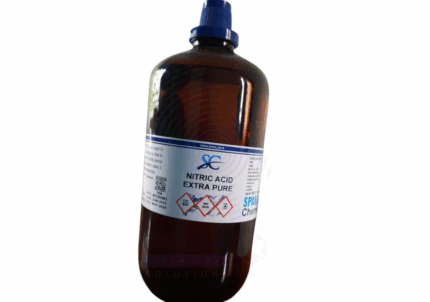
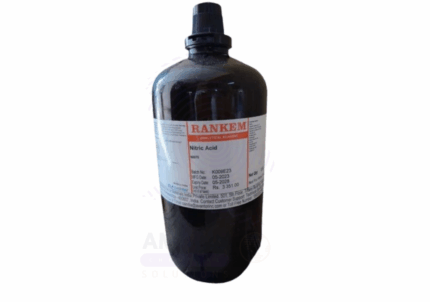
Nitric Acid Extra pure
Nitric Acid Extra pure is a high-purity, concentrated mineral acid supplied in a secure 2.5-litre packaging, ideal for laboratory and industrial applications requiring precision and consistency. Known for its strong oxidizing properties, nitric acid (HNO₃) is widely used in analytical chemistry, metal etching, sample digestion, and nitrate salt preparation.
This Extra Pure grade ensures minimal contaminants, making it especially suitable for trace analysis, high-purity synthesis, and quality control laboratories. Its sharp, acrid odor and highly corrosive nature demand careful handling with proper personal protective equipment (PPE), including acid-resistant gloves, goggles, and fume hoods. It must be stored in tightly sealed, compatible containers away from organic materials, bases, and flammable substances. This reagent is essential in both academic research and industrial processes involving nitration reactions, fertilizer formulation, and explosives development.
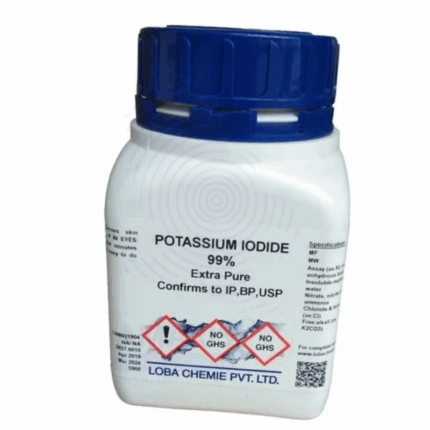
Potassium Iodide Extra Pure
Potassium Iodide Extra Pure is a high-purity, white crystalline salt widely recognized for its excellent solubility in water and its versatile applications. In laboratories, it is commonly used as a reagent in iodometric titrations and for preparing iodine solutions. In the medical field, it serves as a key source of iodine and is used for thyroid protection against radioactive iodine exposure. Its antioxidant properties also make it valuable in pharmaceutical formulations and as a stabilizer in various chemical processes. The extra pure grade ensures maximum consistency and reliability for precise experimental and industrial outcomes.
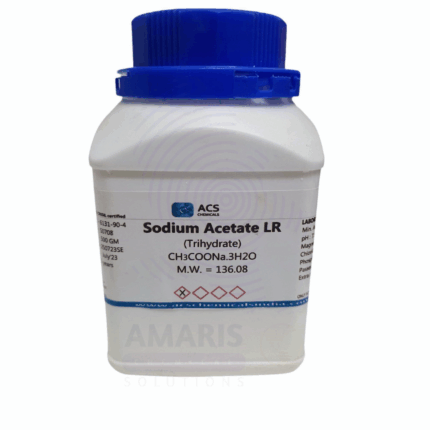
Sodium Acetate Trihydrate Extra Pure
Sodium Acetate Trihydrate Extra Pure is a white crystalline solid with the formula C₂H₃NaO₂·3H₂O. It serves primarily as a buffering agent in laboratory and biochemical applications and is widely used in food as a preservative and flavor enhancer (E262). This compound is essential in molecular biology for protein and nucleic acid precipitation and serves as a stabilizer in pharmaceutical and cosmetic formulations. It should be stored dry and handled with proper protective equipment due to its mildly irritating nature.
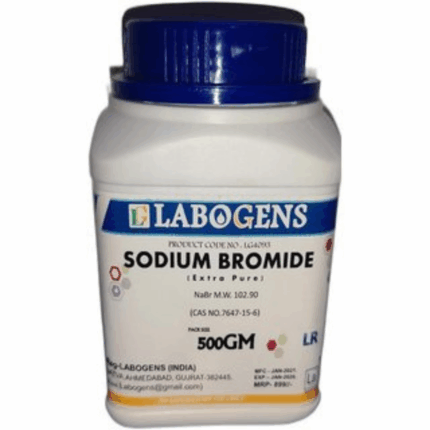
Sodium Bromide Extra Pure
Sodium Bromide Extra Pure is a high-purity, white crystalline inorganic salt used extensively in analytical chemistry, photography, pharmaceutical manufacturing, and water treatment. It serves as a source of bromide ions in various laboratory and industrial applications. Highly soluble in water and chemically stable, sodium bromide is an important specialty reagent with a wide range of uses requiring consistent, high-grade purity. It is non-flammable and safe under recommended handling conditions.
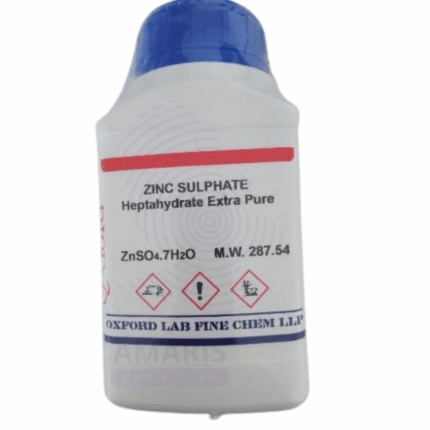
Zinc Sulphate Extra Pure
Zinc Sulphate Extra Pure is a high-purity, colorless to white, crystalline compound with the chemical formula ZnSO₄·7H₂O. It is highly soluble in water and commonly used as an analytical reagent, micronutrient supplement, and industrial additive. Its Extra Pure grade ensures suitability for use in sensitive laboratory and pharmaceutical environments. Zinc Sulphate is widely applied in gravimetric analysis, preparation of microbiological media, and as a zinc source in skin-care, feed, and agricultural formulations. Due to its acidic nature in solution, it should be handled with appropriate PPE, stored in moisture-free containers, and kept away from reactive agents.












