

 Preservatives(food)
 Flavors
 Acidulants
 Sweeteners
 Antioxidants
 Colorants(food)
 Nutraceutical Ingredients (food)
 Nutrient Supplements
 Emulsifiers
 Collectors
 Dust Suppressants
 Explosives and Blasting Agents
 Flocculants and Coagulants
 Frothers
 Leaching Agents
 pH Modifiers
 Precious Metal Extraction Agents
 Antioxidants(plastic)
 Colorants (Pigments, Dyes)
 Fillers and Reinforcements
 Flame Retardants
 Monomers
 Plasticizers
 Polymerization Initiators
 Stabilizers (UV, Heat)
 Antifoaming Agents
 Chelating Agents
 Coagulants and Flocculants
 Corrosion Inhibitors
 Disinfectants and Biocides
 Oxidizing Agents
 pH Adjusters
 Scale Inhibitors( water)
 Antioxidants(cosmetic)
 Emollients
 Oils
Oils Carrier Oills
 Essential Oils
 Humectants
 Preservatives
 Surfactants(cosmetic)
 Thickeners
 UV Filters
 Fragrance (Cosmetics)
 Fertilizers
 Soil Conditioners
 Plant Growth Regulators
 Animal Feed Additives
 Biostimulants
 Pesticides (Herbicides, Insecticides, Fungicides)
 Active Pharmaceutical Ingredients (APIs)
 Excipients
 Solvents(pharmaceutical)
 Antibiotics
 Antiseptics and Disinfectants
 Vaccine Adjuvants
 Nutraceutical Ingredients (pharmaceutical)
 Analgesics & Antipyretics
 Analytical Reagents
 Solvents(lab)
 Chromatography Chemicals
 Spectroscopy Reagents
 microbiology-and-cell-culture-reagents
 Molecular Biology Reagents
 Biochemical Reagents
 Inorganic and Organic Standards
 Laboratory Safety Chemicals
 Specialty Laboratory Chemicals(Special Laboratory Equipment)
 Demulsifiers
 Hydraulic Fracturing Fluids
 Scale Inhibitors(oil)
 Surfactants(oil)
 Drilling Fluids
 Dyes and Pigments
 Bleaching Agents
 Softening Agents
 Finishing Agents
 Antistatic Agents
 Admixtures
 Waterproofing Agents
 Sealants and Adhesives
 Curing Compounds
 Concrete Repair Chemicals
 Anti-Corrosion Coatings
 Surfactants(cleaning)
 Builders
 Enzymes
 Solvents (Cleaning)
 Electronic Chemicals
 Catalysts
 Lubricants
 Photographic Chemicals
 Refrigerants
 Automotive chemicals
 Pyrotechnic Chemicals
 Biodegradable Surfactants
 Bio-based Solvents
 Renewable Polymers
 Carbon Capture Chemicals
 Wastewater Treatment Chemicals
 Pigments
 Solvents(paint)
 Specialty Coatings
 Binders/Resins
 Additives
 Driers
 Anti-Corrosion Agents
 Functional Coatings
 Application-Specific Coatings
 Leavening Agents
 Dough Conditioners
 Flour Treatments
 Fat Replacers
 Decoratives
 Preservatives(baking)
 Plasticizers & Softeners
 Reinforcing Agents
 Adhesion Promoters
 Vulcanizing Agents
 Antidegradants
 Blowing Agents
 Fillers & Extenders
 Accelerators & Retarders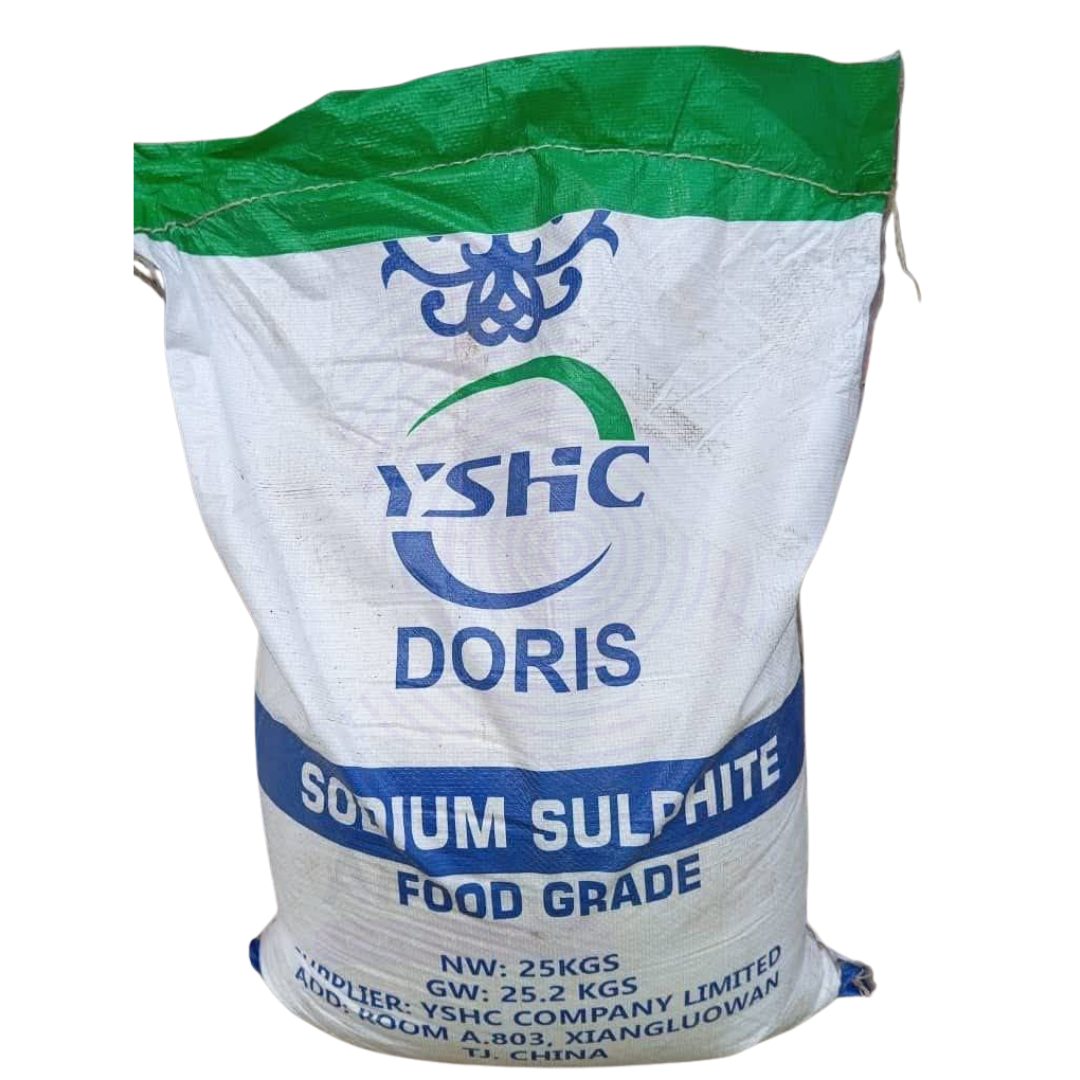


Sodium Sulphite (Blue)
Sodium Sulphite Blue is a white to bluish-white crystalline powder with the chemical formula Na₂SO₃. The “Blue” grade indicates a specific industrial quality often containing minor additives or impurities, used primarily in water treatment and chemical industries. It acts as an effective oxygen scavenger, reducing agent, and preservative. This 25kg packaged product is highly soluble in water, forming alkaline solutions, and is widely used in pulp and paper, water treatment, textile, and photographic industries.
Sodium Sulphite (Blue)
Primary Uses
- Water Treatment
- Oxygen Scavenger: Removes dissolved oxygen from boiler feed water, preventing corrosion in steam and power plants.
- Wastewater Treatment: Neutralizes chlorine and chloramine residuals in drinking water and wastewater.
- Pulp & Paper Industry
- Dechlorination Agent: Removes residual chlorine from bleached pulp.
- Reducing Agent: Used in chemical pulping to protect fibers.
- Textile Industry
- Bleaching Agent: Used for bleaching cotton and wool fibers.
- Dyeing: Acts as an antioxidant in dyeing processes.
- Photographic Industry
- Preservative: Serves as a preservative in photographic developers.
- Chemical Industry
- Sulfur Dioxide Source: Releases SO₂ upon acidification, used in various chemical syntheses.
- Antioxidant: Prevents oxidation in chemical processes.
- Food Industry
- Preservative (E221): Used as a food additive to preserve dried fruits, wine, and other food products by preventing microbial growth and discoloration.
Secondary Uses
- Mining Industry
- Flotation Agent: Used in mineral flotation processes.
- Laboratory & Research
- Reducing Agent: Used in various analytical and synthetic applications.
1. Basic Identification Attributes
- Chemical Name (IUPAC): Sodium sulfite
- Common/Trade Name: Sodium sulphite (Blue grade)
- CAS Number: 7757-83-7
- HS Code: 2831.20.00
- Synonyms: Sodium sulfite, sodium sulphite, blue grade sodium sulphite
2. Physical & Chemical Properties
- Physical State: White to bluish-white crystalline powder
- Color & Odor: Bluish-white; odorless to slight sulfur odor
- Solubility: 22 g/100 mL water at 20°C
- Density: 2.633 g/cm³
- Melting Point: 33 °C (decahydrate) – blue grade typically near anhydrous form melting > 70 °C
- pH (1% solution): Alkaline (approx. 9-10)
- Appearance: Crystalline powder with blue tint
3. Safety & Hazard Attributes
- GHS Classification:
- Skin Irritant (Category 2)
- Eye Irritant (Category 2A)
- Toxicity: LD₅₀ (oral, rat) > 3000 mg/kg
- Exposure Limits: OSHA PEL: 5 mg/m³ (as dust)
- Corrosivity: Non-corrosive but irritating
4. Storage & Handling Attributes
- Storage Conditions: Store in a cool, dry, well-ventilated area, away from moisture and oxidizers
- Container Type: 25kg PE-lined paper bags or plastic drums
- Shelf Life: 12 months if stored properly
- Handling Precautions: Avoid dust inhalation; use protective equipment
5. Regulatory & Compliance Attributes
- REACH Registered
- FDA Approved for food use (E221)
- Complies with OSHA Hazard Communication Standard
- Not classified as hazardous for transport
6. Environmental & Health Impact
- Biodegradability: Inorganic salt; not biodegradable but environmentally safe in normal use
- Ecotoxicity: Low toxicity to aquatic life at typical concentrations
- Bioaccumulation: Not expected
- Aquatic Impact: Excess can lead to oxygen depletion in water bodies
Safety Handling Precautions
- PPE Required: Gloves, dust mask, safety goggles
- Handling Guidelines: Use local exhaust ventilation; avoid dust formation
- Storage Measures: Keep containers tightly closed and dry
First Aid Measures
- Inhalation: Move to fresh air; seek medical attention if symptoms develop
- Skin Contact: Wash with soap and water
- Eye Contact: Rinse thoroughly with water for 15 minutes; seek medical advice if irritation persists
- Ingestion: Rinse mouth; seek medical advice if large amounts ingested
Firefighting Measures
- Fire Hazards: Non-flammable; may emit sulfur oxides when heated
- Extinguishing Media: Use water spray, foam, dry chemical
- Hazardous Combustion Products: Sulfur oxides (SOx)
Related products
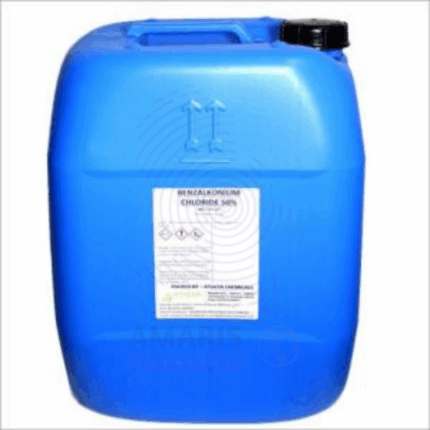
Benzyl Konium Chloride
Benzyl Konium Chloride (BAC) 50% is a quaternary ammonium compound with potent antimicrobial and disinfectant properties. It is a cationic surfactant widely used for its bactericidal, fungicidal, and virucidal effects. This clear to pale yellow liquid concentrate is highly soluble in water and is commonly used in healthcare, sanitation, and industrial hygiene applications. BAC 50% solutions serve as active ingredients in disinfectants, sanitizers, and antiseptics due to their effectiveness against a broad spectrum of microorganisms.
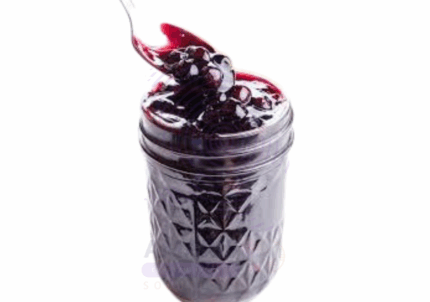
Blueberry Toppings
Blueberry Toppings are sweet, fruit-based condiment preparations made primarily from blueberries, sugar, and thickening agents. They are characterized by a vibrant blue-purple color, fruity aroma, and a sweet-tart flavor profile. Typically semi-viscous with chunks or pureed pieces of blueberry, these toppings are used as finishing ingredients in desserts, breakfast foods, and beverages. Blueberry toppings may be prepared as preserves, syrups, or glazes and often contain natural flavors and preservatives to enhance shelf life and sensory appeal.
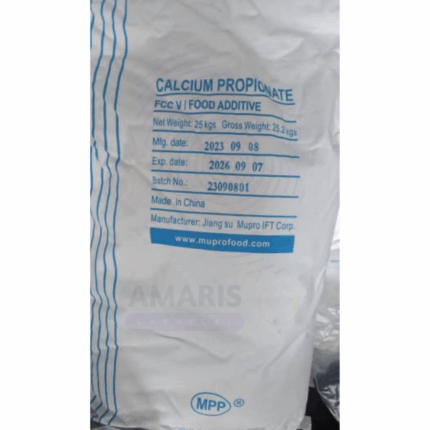
Calcium Propionate
Calcium Propionate is the calcium salt of propionic acid, appearing as a white, crystalline powder or granules with a slightly salty taste and low odor. It is highly soluble in water and used primarily as a food preservative and mold inhibitor. Calcium Propionate inhibits the growth of mold, bacteria, and fungi, making it especially valuable in baked goods, dairy products, and animal feed to extend shelf life and prevent spoilage. It also finds application in pharmaceuticals and cosmetics as a preservative and antimicrobial agent.

Liquid Chlorine
Liquid Chlorine is a pale yellow-green, highly reactive chemical primarily composed of chlorine dissolved in water or as liquefied chlorine gas under pressure. It is widely used as a powerful disinfectant, bleaching agent, and oxidizer in water treatment, sanitation, and various industrial applications. Due to its strong antimicrobial properties, liquid chlorine effectively controls bacteria, viruses, algae, and other microorganisms, ensuring safe potable water and hygienic conditions.

Potassium Metabisulphite Food Grade
Potassium Metabisulphite Food Grade is a white crystalline powder with strong antioxidant and preservative properties. It is widely used in the food and beverage industry as a disinfectant, antioxidant, and preservative to prevent spoilage and microbial growth. It also acts as a bleaching agent and sulfur dioxide (SO₂) source. This compound is critical in winemaking, brewing, and food processing to maintain product quality and extend shelf life.

Sodium Formate Food Grade
Sodium Formate Food Grade is the sodium salt of formic acid, typically available as a white crystalline powder or granules. It is widely used in various industrial applications due to its properties as a buffering agent, de-icing agent, and reducing agent. Sodium Formate is valued for its effectiveness in textile dyeing, leather tanning, and as a corrosion inhibitor in oil and gas drilling fluids.
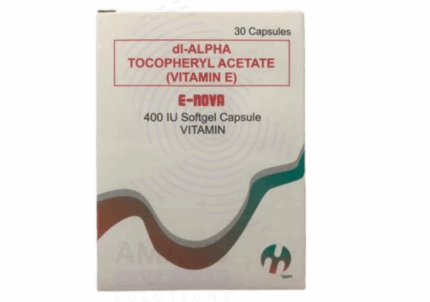
Vitamin E Acetate (DL-Alpha-Tocopheryl Acetate)
Vitamin E Acetate (DL-Alpha-Tocopheryl Acetate), chemically known as DL-Alpha-Tocopheryl Acetate, is a stable, synthetic form of Vitamin E used widely in pharmaceuticals, cosmetics, food fortification, and dietary supplements. As an esterified form of tocopherol, it offers superior oxidative stability, making it ideal for formulations requiring extended shelf life. It functions as a potent antioxidant, protecting cells from oxidative damage and supporting immune and skin health.

Vitamin E Acetate Powder
Vitamin E Acetate Powder, also known as DL-Alpha-Tocopheryl Acetate Powder, is a dry, free-flowing, encapsulated form of Vitamin E, standardized to contain 50% of active DL-Alpha-Tocopheryl Acetate. It is designed for easy handling and uniform mixing in dry formulations and is ideal for use in nutritional supplements, fortified foods, and animal feed. The microencapsulation enhances stability against oxidation, heat, and light, ensuring long shelf life.












