

 Preservatives(food)
 Flavors
 Acidulants
 Sweeteners
 Antioxidants
 Colorants(food)
 Nutraceutical Ingredients (food)
 Nutrient Supplements
 Emulsifiers
 Collectors
 Dust Suppressants
 Explosives and Blasting Agents
 Flocculants and Coagulants
 Frothers
 Leaching Agents
 pH Modifiers
 Precious Metal Extraction Agents
 Antioxidants(plastic)
 Colorants (Pigments, Dyes)
 Fillers and Reinforcements
 Flame Retardants
 Monomers
 Plasticizers
 Polymerization Initiators
 Stabilizers (UV, Heat)
 Antifoaming Agents
 Chelating Agents
 Coagulants and Flocculants
 Corrosion Inhibitors
 Disinfectants and Biocides
 Oxidizing Agents
 pH Adjusters
 Scale Inhibitors( water)
 Antioxidants(cosmetic)
 Emollients
 Oils
Oils Carrier Oills
 Essential Oils
 Humectants
 Preservatives
 Surfactants(cosmetic)
 Thickeners
 UV Filters
 Fragrance (Cosmetics)
 Fertilizers
 Soil Conditioners
 Plant Growth Regulators
 Animal Feed Additives
 Biostimulants
 Pesticides (Herbicides, Insecticides, Fungicides)
 Active Pharmaceutical Ingredients (APIs)
 Excipients
 Solvents(pharmaceutical)
 Antibiotics
 Antiseptics and Disinfectants
 Vaccine Adjuvants
 Nutraceutical Ingredients (pharmaceutical)
 Analgesics & Antipyretics
 Analytical Reagents
 Solvents(lab)
 Chromatography Chemicals
 Spectroscopy Reagents
 microbiology-and-cell-culture-reagents
 Molecular Biology Reagents
 Biochemical Reagents
 Inorganic and Organic Standards
 Laboratory Safety Chemicals
 Specialty Laboratory Chemicals(Special Laboratory Equipment)
 Demulsifiers
 Hydraulic Fracturing Fluids
 Scale Inhibitors(oil)
 Surfactants(oil)
 Drilling Fluids
 Dyes and Pigments
 Bleaching Agents
 Softening Agents
 Finishing Agents
 Antistatic Agents
 Admixtures
 Waterproofing Agents
 Sealants and Adhesives
 Curing Compounds
 Concrete Repair Chemicals
 Anti-Corrosion Coatings
 Surfactants(cleaning)
 Builders
 Enzymes
 Solvents (Cleaning)
 Electronic Chemicals
 Catalysts
 Lubricants
 Photographic Chemicals
 Refrigerants
 Automotive chemicals
 Pyrotechnic Chemicals
 Biodegradable Surfactants
 Bio-based Solvents
 Renewable Polymers
 Carbon Capture Chemicals
 Wastewater Treatment Chemicals
 Pigments
 Solvents(paint)
 Specialty Coatings
 Binders/Resins
 Additives
 Driers
 Anti-Corrosion Agents
 Functional Coatings
 Application-Specific Coatings
 Leavening Agents
 Dough Conditioners
 Flour Treatments
 Fat Replacers
 Decoratives
 Preservatives(baking)
 Plasticizers & Softeners
 Reinforcing Agents
 Adhesion Promoters
 Vulcanizing Agents
 Antidegradants
 Blowing Agents
 Fillers & Extenders
 Accelerators & Retarders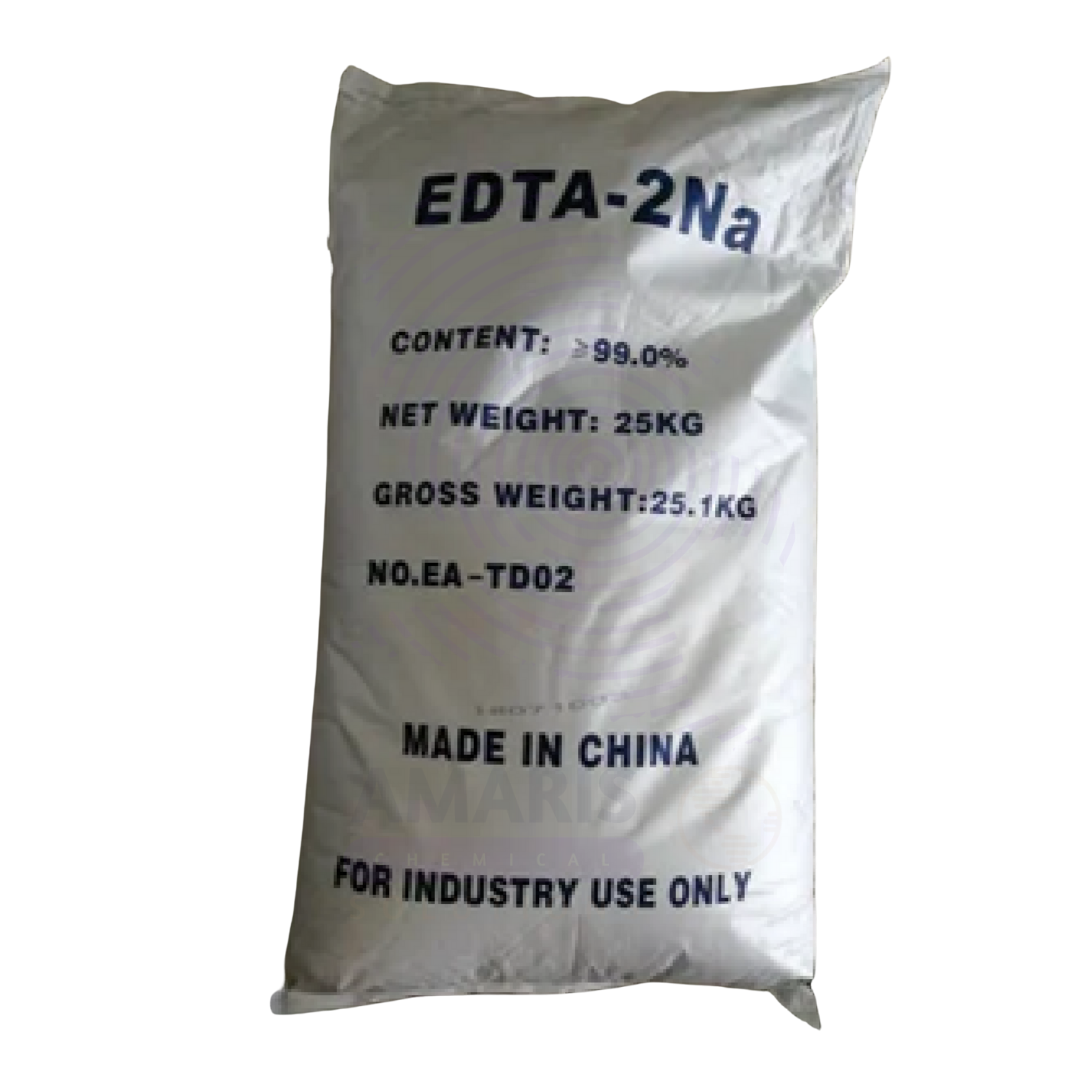


Trilium (EDTA)
Trilium EDTA is a high-purity, versatile chelating agent known chemically as ethylenediaminetetraacetic acid (EDTA) or its trisodium salt form. It is widely used across industries to bind and sequester metal ions, improving product stability and performance. Trilium EDTA effectively prevents metal ion contamination, controls hardness in water, enhances cleaning efficiency, and stabilizes formulations in pharmaceuticals, cosmetics, agriculture, and industrial applications. Its strong chelating properties make it an essential ingredient for complexation and metal ion control.
Trilium (EDTA)
Primary Uses
- Water Treatment
- Sequesters calcium, magnesium, and other metal ions to prevent scale formation and improve water quality in boilers, cooling towers, and industrial systems.
- Detergents and Cleaners
- Enhances cleaning efficiency by binding hard water ions, preventing soap scum and improving stain removal in household and industrial detergents.
- Cosmetics and Personal Care
- Acts as a stabilizer by chelating trace metals that can degrade formulations, thus extending shelf life of creams, lotions, shampoos, and bath products.
- Pharmaceuticals
- Used as a stabilizer and preservative enhancer in ophthalmic solutions, injectables, and other medicinal formulations requiring metal ion control.
Secondary Uses
- Agriculture
- Serves as a micronutrient chelator to improve bioavailability of trace metals in fertilizers and foliar sprays.
- Textile Industry
- Used in dyeing and finishing processes to prevent metal ion interference and improve colorfastness.
- Food Industry
- Functions as a food additive (E385) to stabilize colors and flavors by binding trace metals, primarily in canned and processed foods.
- Paper Industry
- Helps control metal ion concentrations during pulp processing, enhancing product quality.
1. Basic Key Attributes
- Chemical Name (IUPAC): Ethylenediaminetetraacetic acid (Trisodium salt)
- Common/Trade Name: Trilium EDTA
- CAS Number: 13235-36-4 (Trisodium EDTA)
- HS Code: 2922.49.00
- Synonyms: EDTA, Trisodium EDTA, Ethylenediaminetetraacetate
2. Physical & Chemical Properties
- Physical State: White crystalline powder or granules
- Color & Odor: White; odorless
- Melting Point: Approximately 240 °C (decomposes)
- Solubility: Soluble in water; insoluble in alcohol and ether
- pH: Slightly alkaline aqueous solution (pH 7–9)
3. Safety & Hazard Attributes
- GHS Classification: Not classified as hazardous; may cause mild irritation on prolonged exposure
- Toxicity: Low acute toxicity
- Exposure Limits: No established occupational exposure limits; general safety practices advised
4. Storage & Handling Attributes
- Storage Conditions: Store in a cool, dry, well-ventilated area, away from strong acids and oxidizers
- Container Type: Bags, drums, or bulk containers, moisture-proof packaging recommended
- Shelf Life: 24 months under proper storage conditions
- Handling Precautions: Avoid dust generation and prolonged inhalation
5. Regulatory & Compliance Attributes
- Complies with REACH and other international chemical safety regulations
- Meets ISO 9001 quality standards for manufacturing consistency
- Approved for use in food and pharmaceuticals in accordance with relevant regulations
- Listed on TSCA and other major chemical inventories
6. Environmental & Health Impact
- Biodegradability: Readily biodegradable under aerobic conditions
- Ecotoxicity: Low toxicity to aquatic organisms
- Bioaccumulation: Not significant
Safety Handling Precautions
- PPE Required: Dust mask, gloves, and eye protection recommended when handling powder
- Handling Guidelines: Use adequate ventilation; avoid inhaling dust
- Storage Measures: Keep containers tightly closed and dry
First Aid Measures
- Inhalation: Move to fresh air; seek medical attention if breathing difficulties occur
- Skin Contact: Wash thoroughly with soap and water
- Eye Contact: Flush with water for at least 15 minutes; seek medical help if irritation persists
- Ingestion: Rinse mouth; seek medical advice if necessary
Firefighting Measures
- Fire Hazards: Non-flammable; may decompose at high temperatures producing toxic fumes
- Extinguishing Media: Use water spray, foam, or dry chemical extinguisher
- Hazardous Combustion Products: Carbon oxides, nitrogen oxides
Related products
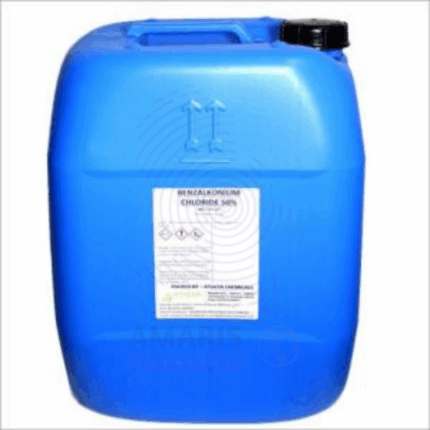
Benzyl Konium Chloride
Benzyl Konium Chloride (BAC) 50% is a quaternary ammonium compound with potent antimicrobial and disinfectant properties. It is a cationic surfactant widely used for its bactericidal, fungicidal, and virucidal effects. This clear to pale yellow liquid concentrate is highly soluble in water and is commonly used in healthcare, sanitation, and industrial hygiene applications. BAC 50% solutions serve as active ingredients in disinfectants, sanitizers, and antiseptics due to their effectiveness against a broad spectrum of microorganisms.
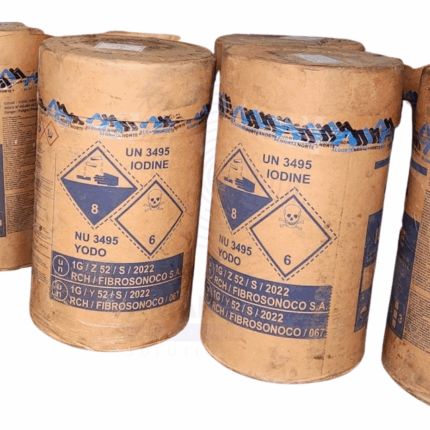
Iodine Crystals
Iodine Crystals are high-purity elemental iodine in solid crystalline form. These dark violet-black crystals have a characteristic pungent odor and sublime easily at room temperature, releasing violet iodine vapors. Iodine is a halogen element widely used for its antiseptic, oxidizing, and chemical reagent properties in pharmaceutical, industrial, and laboratory applications.

Liquid Chlorine
Liquid Chlorine is a pale yellow-green, highly reactive chemical primarily composed of chlorine dissolved in water or as liquefied chlorine gas under pressure. It is widely used as a powerful disinfectant, bleaching agent, and oxidizer in water treatment, sanitation, and various industrial applications. Due to its strong antimicrobial properties, liquid chlorine effectively controls bacteria, viruses, algae, and other microorganisms, ensuring safe potable water and hygienic conditions.
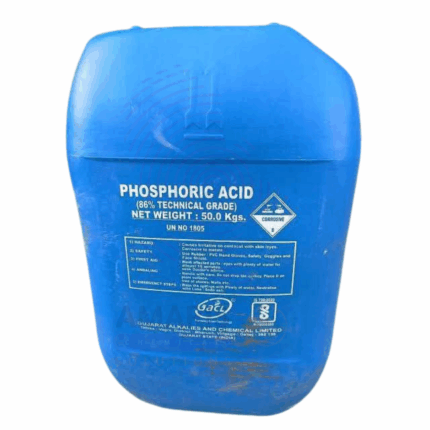
Phosphoric acid Technical Grade
Phosphoric Acid Technical Grade is a concentrated, inorganic acid primarily used in industrial applications. It typically contains minor impurities compared to food or pharmaceutical grades but maintains excellent performance as an acidulant, rust remover, and intermediate chemical. This grade is widely used in manufacturing fertilizers, detergents, metal treatment, and other industrial processes where high purity is not critical but effective acidic properties are required.
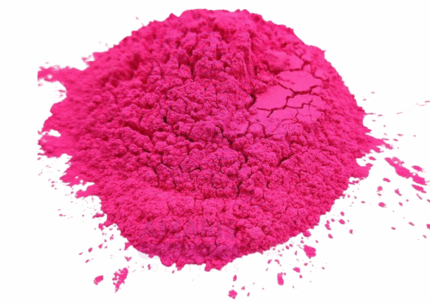
Rhodamine B
Rhodamine B is a bright pink to reddish-purple synthetic dye belonging to the xanthene family. It is widely used as a fluorescent tracer dye and coloring agent due to its strong fluorescence and high photostability. Rhodamine B finds applications in analytical chemistry, biological staining, and industrial processes requiring vivid coloration or fluorescence detection.
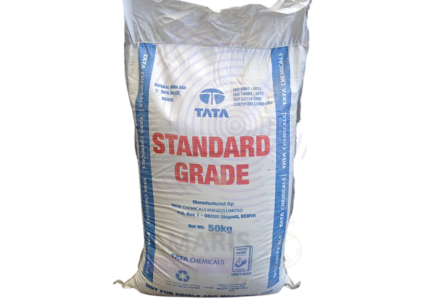
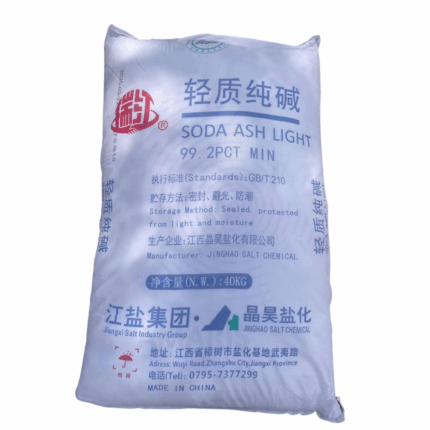
Sodium Carbonate (Magadi Soda)
Sodium Carbonate (Magadi Soda) is an inorganic white powder with the chemical formula Na₂CO₃. It is a key industrial alkali used in glass manufacturing, water treatment, and chemical production. This light-density form is highly soluble and reacts with acids to form salts, making it essential for pH regulation and as a cleaning agent in various industrial processes.
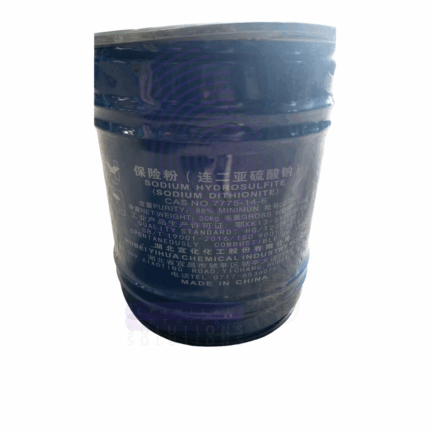
Sodium Hydrosulphite
Sodium Hydrosulphite, also known as sodium dithionite, is a white to yellowish powder with a strong reducing property. It is highly soluble in water and decomposes readily, releasing sulfur dioxide and sulfites. Widely used as a powerful reducing agent and bleaching agent, it finds applications in textile processing, paper and pulp industries, water treatment, and chemical manufacturing. Its ability to break down colored compounds makes it ideal for decolorization and cleaning processes.
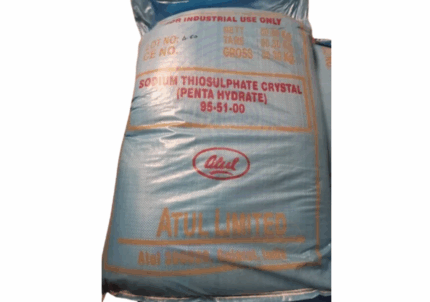
Sodium Thiosulphate Pentahydrate
Sodium Thiosulphate Pentahydrate (Na₂S₂O₃·5H₂O) is a white crystalline solid that is highly soluble in water. It is commonly used as a photographic fixer, reducing agent, and in water treatment processes. This 25kg packaged product contains five molecules of water of crystallization, which makes it more stable and easier to handle in industrial and laboratory applications. It is widely used to dechlorinate water, remove heavy metals, and in analytical chemistry for iodometric titrations.












