

 Preservatives(food)
 Flavors
 Acidulants
 Sweeteners
 Antioxidants
 Colorants(food)
 Nutraceutical Ingredients (food)
 Nutrient Supplements
 Emulsifiers
 Collectors
 Dust Suppressants
 Explosives and Blasting Agents
 Flocculants and Coagulants
 Frothers
 Leaching Agents
 pH Modifiers
 Precious Metal Extraction Agents
 Antioxidants(plastic)
 Colorants (Pigments, Dyes)
 Fillers and Reinforcements
 Flame Retardants
 Monomers
 Plasticizers
 Polymerization Initiators
 Stabilizers (UV, Heat)
 Antifoaming Agents
 Chelating Agents
 Coagulants and Flocculants
 Corrosion Inhibitors
 Disinfectants and Biocides
 Oxidizing Agents
 pH Adjusters
 Scale Inhibitors( water)
 Antioxidants(cosmetic)
 Emollients
 Oils
Oils Carrier Oills
 Essential Oils
 Humectants
 Preservatives
 Surfactants(cosmetic)
 Thickeners
 UV Filters
 Fragrance (Cosmetics)
 Fertilizers
 Soil Conditioners
 Plant Growth Regulators
 Animal Feed Additives
 Biostimulants
 Pesticides (Herbicides, Insecticides, Fungicides)
 Active Pharmaceutical Ingredients (APIs)
 Excipients
 Solvents(pharmaceutical)
 Antibiotics
 Antiseptics and Disinfectants
 Vaccine Adjuvants
 Nutraceutical Ingredients (pharmaceutical)
 Analgesics & Antipyretics
 Analytical Reagents
 Solvents(lab)
 Chromatography Chemicals
 Spectroscopy Reagents
 microbiology-and-cell-culture-reagents
 Molecular Biology Reagents
 Biochemical Reagents
 Inorganic and Organic Standards
 Laboratory Safety Chemicals
 Specialty Laboratory Chemicals(Special Laboratory Equipment)
 Demulsifiers
 Hydraulic Fracturing Fluids
 Scale Inhibitors(oil)
 Surfactants(oil)
 Drilling Fluids
 Dyes and Pigments
 Bleaching Agents
 Softening Agents
 Finishing Agents
 Antistatic Agents
 Admixtures
 Waterproofing Agents
 Sealants and Adhesives
 Curing Compounds
 Concrete Repair Chemicals
 Anti-Corrosion Coatings
 Surfactants(cleaning)
 Builders
 Enzymes
 Solvents (Cleaning)
 Electronic Chemicals
 Catalysts
 Lubricants
 Photographic Chemicals
 Refrigerants
 Automotive chemicals
 Pyrotechnic Chemicals
 Biodegradable Surfactants
 Bio-based Solvents
 Renewable Polymers
 Carbon Capture Chemicals
 Wastewater Treatment Chemicals
 Pigments
 Solvents(paint)
 Specialty Coatings
 Binders/Resins
 Additives
 Driers
 Anti-Corrosion Agents
 Functional Coatings
 Application-Specific Coatings
 Leavening Agents
 Dough Conditioners
 Flour Treatments
 Fat Replacers
 Decoratives
 Preservatives(baking)
 Plasticizers & Softeners
 Reinforcing Agents
 Adhesion Promoters
 Vulcanizing Agents
 Antidegradants
 Blowing Agents
 Fillers & Extenders
 Accelerators & Retarders


Anion
Anions are negatively charged ions formed when an atom or molecule gains one or more electrons. They play vital roles in chemistry, biology, and industrial processes. Anions are key participants in ionic bonding, acid-base chemistry, and electrochemical reactions. Common anions include chloride (Cl⁻), sulfate (SO₄²⁻), nitrate (NO₃⁻), and phosphate (PO₄³⁻). Their behavior and interaction affect processes ranging from water treatment and agriculture to physiological functions and battery technology.
Anion
Primary Uses
- Water Treatment
- Removal of contaminants through ion exchange and coagulation processes involving anions such as sulfate, nitrate, and chloride.
- Agriculture & Fertilizers
- Anions like nitrate and phosphate are essential nutrients supplied in fertilizers to promote plant growth.
- Chemical Manufacturing
- Used in synthesis of various chemicals, salts, and acids via anionic intermediates.
- Electrochemistry & Batteries
- Serve as charge carriers in batteries and electrolytic cells (e.g., sulfate and chloride ions).
- Pharmaceuticals & Biology
- Play key roles in cellular functions, nerve transmission, and acid-base balance.
Secondary Uses
- Analytical Chemistry
- Anion detection and quantification critical in environmental and clinical testing.
- Industrial Processes
- Used as reactants or catalysts in various industrial chemical reactions.
- Food Industry
- Certain anions (e.g., citrate, lactate) are used as preservatives or acidity regulators.
1. Basic Identification Attributes
- Chemical Name (IUPAC): Variable (depends on specific anion, e.g., chloride, sulfate)
- Common/Trade Name: Anion
- CAS Number: Not applicable (varies with specific anion)
- HS Code: Varies depending on compound
- Molecular Formula: Varies (e.g., Cl⁻, SO₄²⁻, NO₃⁻)
- Synonyms: Negative ion, charged ion, anionic species
2. Physical & Chemical Properties
- Physical State: Typically part of salts, solutions, or ionic compounds
- Color & Odor: Dependent on compound
- Solubility: Generally soluble in water as part of ionic salts
- Charge: Negative (varying from -1 to -3)
- Reactivity: Reacts with cations to form ionic compounds; participates in redox and acid-base reactions
3. Safety & Hazard Attributes
- Hazard Class (GHS): Dependent on specific anion compound; many anions are non-hazardous, some may be toxic or corrosive
- Exposure Limits: Varies by compound
- Reactivity: Generally stable as part of salts; some anions may be reactive under certain conditions (e.g., nitrate as oxidizer)
4. Storage & Handling Attributes
- Storage Conditions: Store compounds containing anions as per specific compound requirements
- Container Type: Depends on compound (usually sealed containers to prevent contamination or moisture ingress)
- Shelf Life: Dependent on compound stability
5. Regulatory & Compliance Attributes
- Regulatory Status: Depends on specific anion compound and application
- Transportation: Varies; some anion-containing compounds classified as hazardous materials
6. Environmental & Health Impact
- Ecotoxicity: Varies widely; some anions (e.g., nitrate) contribute to eutrophication in water bodies
- Persistence: Many anions persist in environment, some are biodegradable or removable by treatment
- Carcinogenicity: Depends on specific compound; many common anions are non-carcinogenic
Safety Handling Precautions
- PPE: Use gloves, goggles, and protective clothing when handling compounds containing reactive or hazardous anions.
- Handling: Avoid inhalation or ingestion of powders; handle in well-ventilated areas.
- Storage: Store as per compound-specific guidelines to prevent degradation or reaction.
- Hygiene: Wash hands after handling; avoid eating or drinking near materials.
First Aid Measures
- Inhalation: Move to fresh air if inhaled; seek medical attention if respiratory symptoms develop.
- Skin Contact: Wash affected area with water; seek medical advice if irritation occurs.
- Eye Contact: Rinse eyes with water for at least 15 minutes; seek medical care if irritation persists.
- Ingestion: Rinse mouth; seek medical help if adverse symptoms appear.
Firefighting Measures
- Fire Hazards: Generally non-flammable, but some anion-containing compounds (e.g., nitrates) may act as oxidizers and increase fire risk.
- Extinguishing Media: Use water, foam, or dry chemical depending on material involved.
- Special Precautions: Use appropriate protective gear; prevent inhalation of smoke or fumes.
Related products
Activated Carbon (Charcoal)
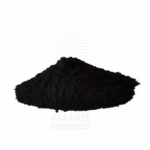
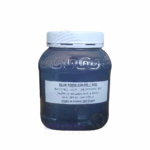
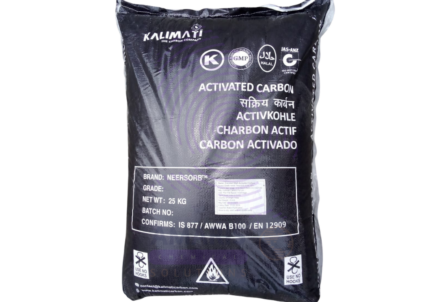
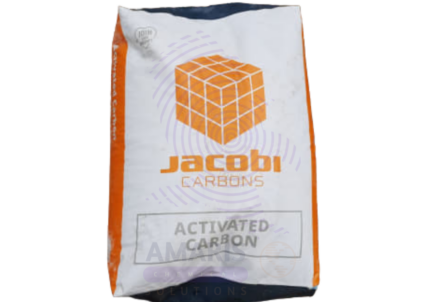
Activated carbon is a highly porous, adsorptive material processed to have an exceptionally large surface area (typically 500-1500 m²/g) through thermal or chemical activation of carbon-rich source materials. This versatile adsorbent exists in powdered (PAC), granular (GAC), pelletized, and extruded forms, with pore structures specifically engineered for different applications ranging from water purification to gas treatment. Its extended surface area and complex pore network (micropores <2nm, mesopores 2-50nm, macropores >50nm) enable superior physical adsorption of contaminants through van der Waals forces, as well as chemical interactions with surface functional groups.
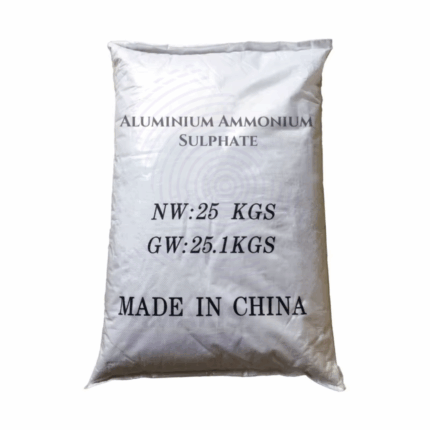
Aluminum Ammonium Sulphate
Aluminum ammonium sulphate, commonly known as ammonium alum or ammonium aluminum sulfate, is a crystalline chemical compound consisting of aluminum, ammonium, and sulfate ions. It typically appears as a colorless or white crystalline solid with astringent properties. It is widely used for its excellent coagulating, clarifying, and antiseptic properties. Aluminum ammonium sulphate finds applications in water purification, cosmetics, food processing, textile dyeing, and pharmaceuticals. Its ability to precipitate impurities and act as a mordant makes it invaluable in industries requiring precise control of chemical reactions, such as in the preparation of baking powder and fireproof textiles.
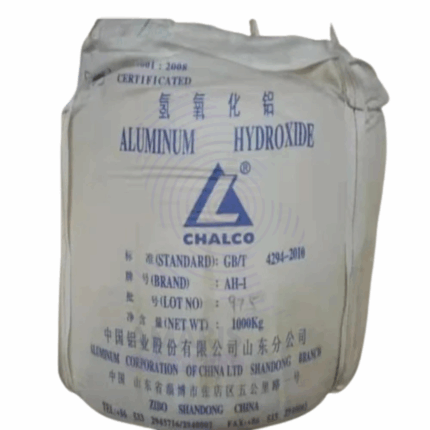
Aluminum hydroxide
Aluminum Hydroxide, chemically known as Al(OH)₃, is a white, odorless, and odorless powder or gelatinous substance. It is widely used in pharmaceuticals as an antacid to neutralize stomach acid and relieve indigestion and heartburn. Beyond healthcare, aluminum hydroxide is a crucial component in water purification, fire retardants, and as a precursor or filler in various industrial applications. It functions as a flame retardant by releasing water upon heating, thus cooling the material and diluting flammable gases. Due to its amphoteric nature, it can react both as an acid and base, enhancing its versatility. Aluminum hydroxide is often utilized in manufacturing aluminum salts and in producing aluminum oxide.
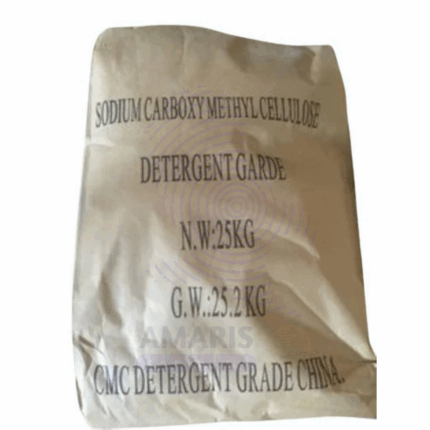
Carboxymethyl Cellulose Detergent Grade
Carboxymethyl Cellulose Detergent Grade is a water-soluble cellulose derivative produced by the etherification of cellulose with monochloroacetic acid. It is a fine, white to off-white powder with excellent thickening, stabilizing, and water retention properties. The detergent grade of CMC is specifically tailored to meet the requirements of laundry and cleaning formulations, offering superior dispersing and anti-redeposition performance. It is biodegradable, non-toxic, and widely used as a functional additive to enhance cleaning efficiency and fabric care in detergent products. Its excellent compatibility with surfactants and enzymes makes it an essential ingredient in both powder and liquid detergents.
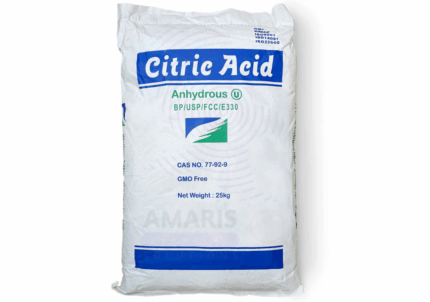
Citric Acid Anhydrous
Citric Acid Anhydrous is a white, crystalline organic acid widely used across food, pharmaceutical, cosmetic, and industrial sectors. It is the anhydrous form of citric acid, meaning it contains no water molecules in its crystal lattice, resulting in higher purity and more concentrated acidic properties compared to its monohydrate form. Derived from natural sources like citrus fruits or produced via microbial fermentation, citric acid anhydrous is valued for its sour taste, excellent chelating ability, and buffering capacity. It serves as a natural preservative, pH adjuster, antioxidant synergist, and cleaning agent, making it a versatile ingredient in many formulations.
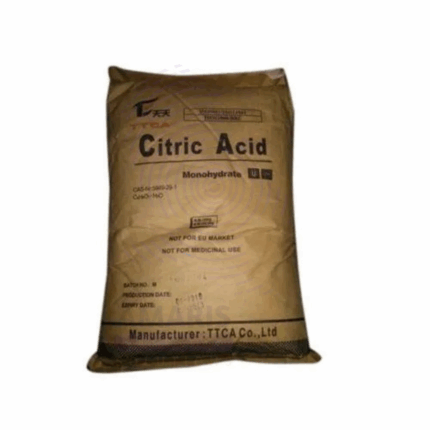
Citric Acid Monohydrate
Citric Acid Monohydrate is a white, crystalline powder or granule form of citric acid containing one molecule of water per molecule of acid. It is a natural organic acid commonly derived from citrus fruits or produced by fermentation processes. Citric Acid Monohydrate is widely used as an acidulant, preservative, and chelating agent in various industries. Compared to the anhydrous form, it has a slightly lower acid concentration due to the water molecule but offers excellent solubility and stability. It is prized for its sour flavor, buffering capacity, and ability to bind metal ions, making it indispensable in food, pharmaceutical, cosmetic, and industrial applications.
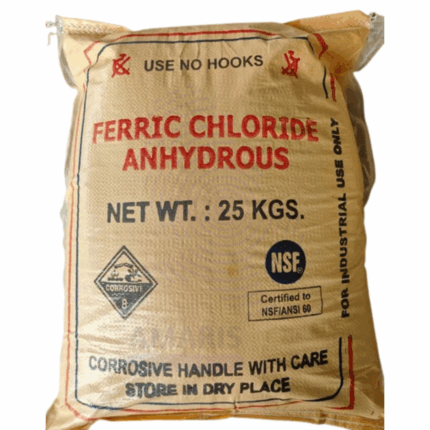
Ferric Chloride Anhydrous
Ferric Chloride Anhydrous (FeCl₃) is a dark brown to black crystalline solid with a metallic luster. It is a highly corrosive, hygroscopic inorganic salt widely used as a chemical reagent, catalyst, and coagulant. In its anhydrous form, ferric chloride is free of water and has a high purity of approximately 98%. It readily dissolves in water, releasing heat and producing acidic solutions. Ferric chloride is valued for its strong Lewis acid properties, making it effective in a variety of industrial, laboratory, and environmental applications. It is commonly supplied as a solid crystalline powder or lumps and should be handled with care due to its corrosive nature.
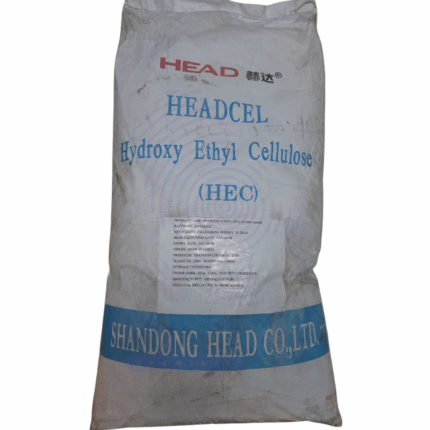
Hydroxyethyl Cellulose
Hydroxyethyl Cellulose , marketed under brand names such as Natrosol, is a non-ionic, water-soluble polymer derived from cellulose by reacting alkali cellulose with ethylene oxide. It appears as a white to off-white, free-flowing powder with excellent thickening, binding, and film-forming properties. HEC is widely used as a rheology modifier and stabilizer due to its high water retention, solubility, and compatibility with a broad range of ingredients. It is valued in many industries including cosmetics, pharmaceuticals, paints, adhesives, and personal care products.












