

 Preservatives(food)
 Flavors
 Acidulants
 Sweeteners
 Antioxidants
 Colorants(food)
 Nutraceutical Ingredients (food)
 Nutrient Supplements
 Emulsifiers
 Collectors
 Dust Suppressants
 Explosives and Blasting Agents
 Flocculants and Coagulants
 Frothers
 Leaching Agents
 pH Modifiers
 Precious Metal Extraction Agents
 Antioxidants(plastic)
 Colorants (Pigments, Dyes)
 Fillers and Reinforcements
 Flame Retardants
 Monomers
 Plasticizers
 Polymerization Initiators
 Stabilizers (UV, Heat)
 Antifoaming Agents
 Chelating Agents
 Coagulants and Flocculants
 Corrosion Inhibitors
 Disinfectants and Biocides
 Oxidizing Agents
 pH Adjusters
 Scale Inhibitors( water)
 Antioxidants(cosmetic)
 Emollients
 Oils
Oils Carrier Oills
 Essential Oils
 Humectants
 Preservatives
 Surfactants(cosmetic)
 Thickeners
 UV Filters
 Fertilizers
 Soil Conditioners
 Plant Growth Regulators
 Animal Feed Additives
 Biostimulants
 Pesticides (Herbicides, Insecticides, Fungicides)
 Active Pharmaceutical Ingredients (APIs)
 Excipients
 Solvents(pharmaceutical)
 Antibiotics
 Antiseptics and Disinfectants
 Vaccine Adjuvants
 Nutraceutical Ingredients (pharmaceutical)
 Analgesics & Antipyretics
 Analytical Reagents
 Solvents(lab)
 Chromatography Chemicals
 Spectroscopy Reagents
 microbiology-and-cell-culture-reagents
 Molecular Biology Reagents
 Biochemical Reagents
 Inorganic and Organic Standards
 Laboratory Safety Chemicals
 Specialty Laboratory Chemicals(Special Laboratory Equipment)
 Demulsifiers
 Hydraulic Fracturing Fluids
 Scale Inhibitors(oil)
 Surfactants(oil)
 Drilling Fluids
 Dyes and Pigments
 Bleaching Agents
 Softening Agents
 Finishing Agents
 Antistatic Agents
 Admixtures
 Waterproofing Agents
 Sealants and Adhesives
 Curing Compounds
 Concrete Repair Chemicals
 Anti-Corrosion Coatings
 Surfactants(cleaning)
 Builders
 Enzymes
 Solvents (Cleaning)
 Fragrances (Cleaning)
 Electronic Chemicals
 Catalysts
 Lubricants
 Photographic Chemicals
 Refrigerants
 Automotive chemicals
 Pyrotechnic Chemicals
 Biodegradable Surfactants
 Bio-based Solvents
 Renewable Polymers
 Carbon Capture Chemicals
 Wastewater Treatment Chemicals
 Pigments
 Solvents(paint)
 Specialty Coatings
 Binders/Resins
 Additives
 Driers
 Anti-Corrosion Agents
 Functional Coatings
 Application-Specific Coatings
 Leavening Agents
 Dough Conditioners
 Flour Treatments
 Fat Replacers
 Decoratives
 Preservatives(baking)
 Plasticizers & Softeners
 Reinforcing Agents
 Adhesion Promoters
 Vulcanizing Agents
 Antidegradants
 Blowing Agents
 Fillers & Extenders
 Accelerators & Retarders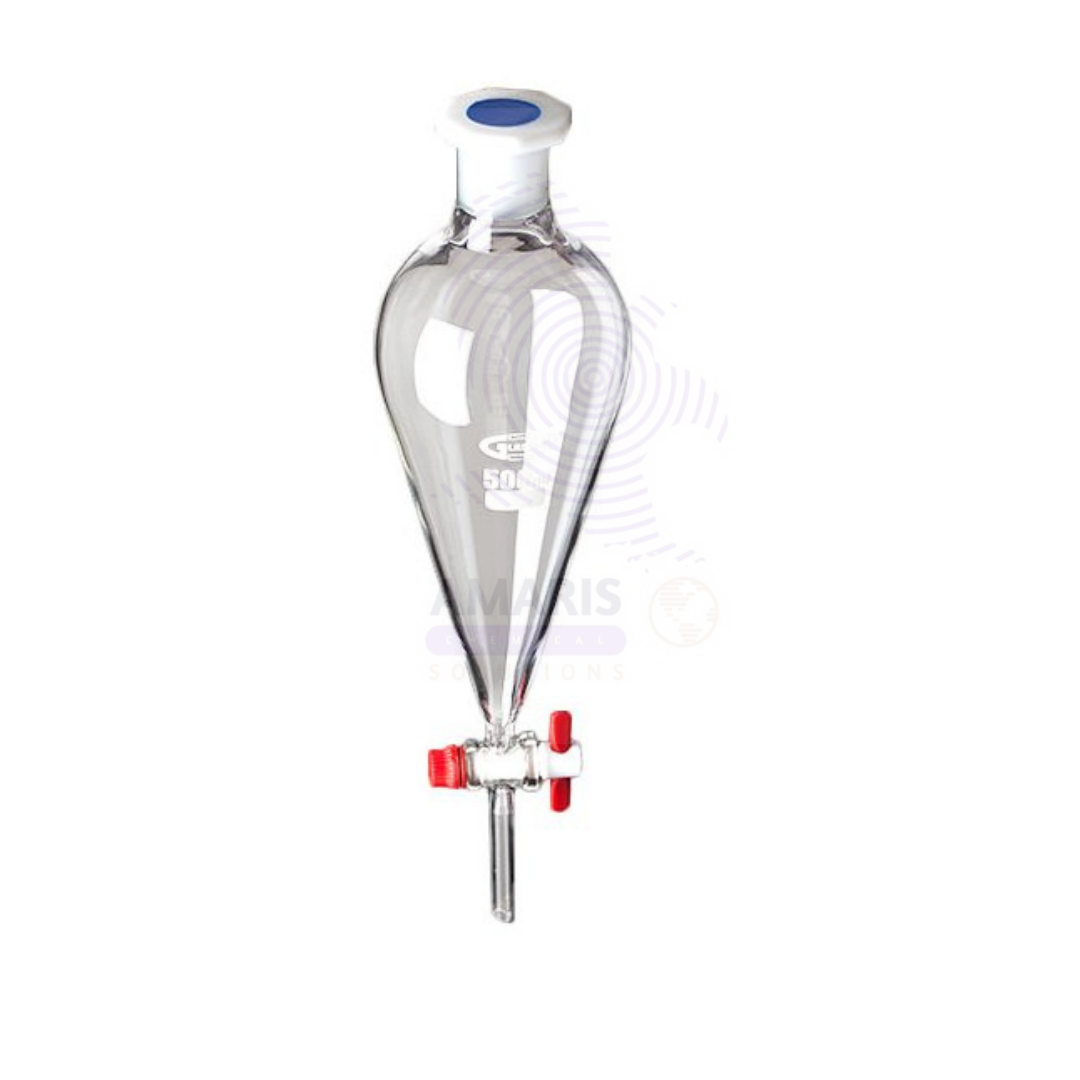

Separating funnel
Original price was: $ 11.20.$ 11.08Current price is: $ 11.08.
Separating Funnels are essential laboratory glassware designed for liquid-liquid extraction and phase separation procedures. Constructed from chemically resistant borosilicate glass, these funnels feature a conical body with a stopcock at the base and a ground glass stopper at the top for secure sealing. They are used to separate immiscible liquids based on their densities, allowing precise and safe transfer of liquid layers during chemical extractions, washing, or purification. Available in 60ml and 125ml volumes, these funnels provide versatility for various scales of laboratory applications, widely employed in organic synthesis, pharmaceutical labs, and research facilities.
Separating funnel
Primary Uses
- Laboratory Applications
- Separation of immiscible liquid phases such as oil and water mixtures.
- Used in extraction processes for isolating target compounds from mixtures.
- Employed in washing procedures to remove impurities from chemical solutions.
- Facilitates purification steps in organic synthesis and pharmaceutical preparations.
- Allows controlled release of lower or upper liquid layers via the stopcock.
Secondary Uses
- Used in analytical laboratories for sample preparation and solvent extraction.
- Applicable in industrial R&D labs for small-scale liquid separations.
| PACK SIZE | 125ml, 60ml |
|---|
1.Basic Identification Attributes
- Material: Usually stainless steel, aluminum, or durable plastic.
- Shape: Flat, thin, rectangular or slightly curved blade attached to a handle.
- Size: Small and lightweight for precise control.
- Finish: Smooth, polished surface to prevent powder adherence.
2.Physical & Chemical Properties
- Chemical Resistance: Resistant to most laboratory chemicals (metal or plastic grade dependent).
- Durability: Sturdy yet lightweight for ease of use.
- Surface: Smooth and non-porous to prevent sample contamination.
3.Safety & Hazard Attributes
- Sharp edges may cause minor cuts; handle carefully.
- Must be cleaned regularly to avoid cross-contamination.
4.Storage & Handling Attributes
- Store in a clean, dry place to prevent corrosion (if metal).
- Clean thoroughly after each use with suitable solvents or detergents.
- Inspect for damage or corrosion before use.
5.Regulatory & Compliance Attributes
- Manufactured to laboratory equipment standards.
- Suitable for use in GMP and GLP compliant laboratories.
6.Environmental & Health Impact
- Materials are generally recyclable (metal/plastic).
- Durable design reduces frequent replacement and waste.
Safety Handling Precautions
- Use protective gloves and eye protection during handling.
- Avoid sudden temperature changes to prevent glass stress.
First Aid Measures
- For cuts caused by glass, clean wound and seek medical care if severe.
- In case of chemical exposure, follow relevant chemical safety protocols.
Firefighting Measures
- Non-flammable glass material.
- Use appropriate extinguishing methods for surrounding combustible materials.
Related products
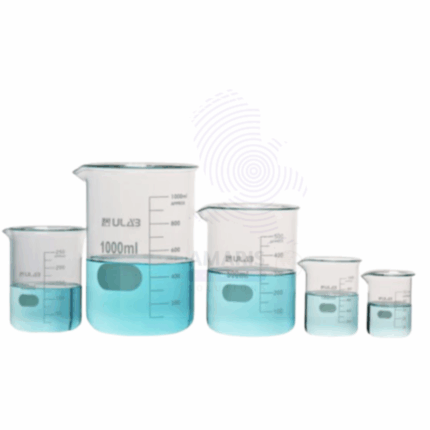
Beaker Hysil
Beaker Hysil is a high-quality borosilicate glass laboratory beaker known for its excellent thermal resistance, chemical durability, and mechanical strength. It is designed for use in various scientific and industrial laboratory applications requiring heating, mixing, and measuring of liquids. The clear, transparent body allows easy observation of contents, and graduated markings provide approximate volume measurements. Beaker Hysil is widely used in educational, research, and industrial laboratories.
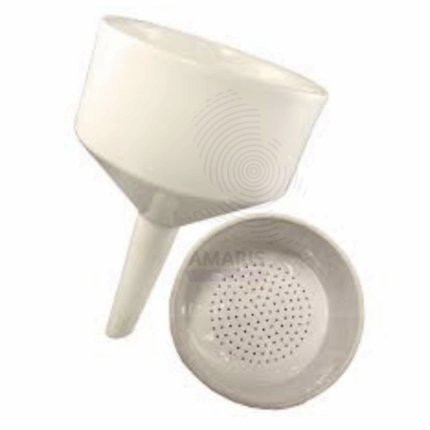
Buchner Funnel
The Buchner Funnel is a laboratory filtration device used for vacuum filtration processes. It typically consists of a flat, perforated plate covered with a filter paper, housed in a cylindrical funnel. Made from porcelain, glass, or plastic, the Buchner Funnel allows for rapid filtration by applying vacuum suction, which speeds up the separation of solids from liquids. It is widely used in chemical, biological, and pharmaceutical laboratories for efficient solid-liquid separation during sample preparation, purification, and analysis.

Centrifudge Electrical
Centrifudge Electrical, is a laboratory instrument designed to separate components of mixtures based on density by spinning samples at high speeds. Equipped with an electric motor, it offers controlled and consistent centrifugal force, enabling efficient separation of solids from liquids, blood components, or chemical substances. Widely used in medical, research, and industrial laboratories, this device ensures precise sample processing with adjustable speed and timer settings. Its robust design includes safety features such as imbalance detection and secure lids to protect users during operation.

Distillation Apparatus
Distillation Apparatus is a laboratory setup designed for the separation, purification, and collection of liquid mixtures based on differences in boiling points. It typically consists of components such as a distillation flask, condenser, receiving flask, and connecting tubes, often made from chemically resistant borosilicate glass. This apparatus allows controlled heating, vaporization, condensation, and collection of volatile substances. Widely used in chemical laboratories, pharmaceutical manufacturing, food and beverage processing, and research, the distillation apparatus is essential for isolating pure liquids, removing impurities, and analyzing complex mixtures.

Force Pump
Force Pump is a mechanical device designed to transfer fluids by applying manual force through a piston or plunger mechanism. Unlike lift pumps that only raise liquids to limited heights, force pumps are capable of delivering fluids at higher pressures and over greater vertical distances. Constructed from corrosion-resistant metal or durable plastic, force pumps are widely used in educational demonstrations, physics experiments, and small-scale fluid transfer systems. This apparatus illustrates fundamental hydraulic principles and is essential in laboratories, training workshops, and prototype testing environments.
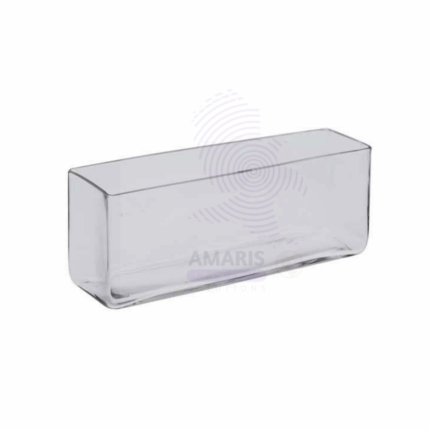
Glass Trough
Glass Trough is a sturdy, open-top container made from chemically resistant borosilicate glass, designed for use in laboratory experiments and fluid handling applications. Its transparent walls provide excellent visibility of contents, while the smooth surface resists chemical attack and allows easy cleaning. Glass Troughs are commonly used for holding liquids, conducting water displacement experiments, or as reservoirs in various scientific setups. Durable and reusable, they are essential laboratory tools in research, education, and industrial testing environments.
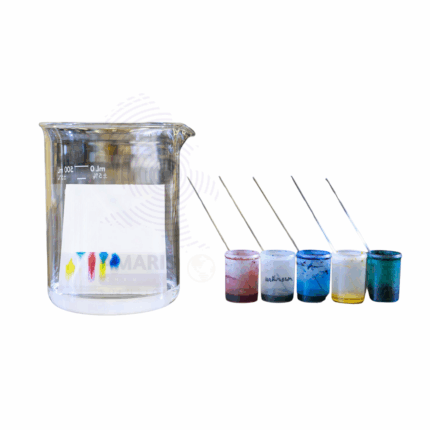
PAPER CHROMATOGRAPHY
Paper Chromatography is an analytical laboratory technique used to separate and identify mixtures of substances based on their differential migration across a specially treated paper medium. It is widely used for qualitative analysis of compounds such as pigments, amino acids, and pharmaceuticals. The process involves applying a small sample spot onto chromatography paper and allowing a solvent to travel through the paper by capillary action, separating the components according to their solubility and affinity for the paper. This method is simple, cost-effective, and valuable in biochemical, pharmaceutical, and environmental laboratories for analyzing complex mixtures.

Siphon Pump
Siphon Pump is a manual laboratory apparatus designed for transferring liquids from one container to another using the principle of siphoning. Made from chemically resistant materials such as rubber tubing and plastic or glass components, siphon pumps provide an easy and safe method for liquid transfer without the need for power sources. They are commonly used in laboratories to transfer solvents, reagents, and other fluids with precision and control, minimizing spills and contamination. Available in various sizes and configurations, siphon pumps are essential for fluid handling in research, medical, and industrial laboratories.












