

 Preservatives(food)
 Flavors
 Acidulants
 Sweeteners
 Antioxidants
 Colorants(food)
 Nutraceutical Ingredients (food)
 Nutrient Supplements
 Emulsifiers
 Collectors
 Dust Suppressants
 Explosives and Blasting Agents
 Flocculants and Coagulants
 Frothers
 Leaching Agents
 pH Modifiers
 Precious Metal Extraction Agents
 Antioxidants(plastic)
 Colorants (Pigments, Dyes)
 Fillers and Reinforcements
 Flame Retardants
 Monomers
 Plasticizers
 Polymerization Initiators
 Stabilizers (UV, Heat)
 Antifoaming Agents
 Chelating Agents
 Coagulants and Flocculants
 Corrosion Inhibitors
 Disinfectants and Biocides
 Oxidizing Agents
 pH Adjusters
 Scale Inhibitors( water)
 Antioxidants(cosmetic)
 Emollients
 Oils
Oils Carrier Oills
 Essential Oils
 Humectants
 Preservatives
 Surfactants(cosmetic)
 Thickeners
 UV Filters
 Fragrance (Cosmetics)
 Fertilizers
 Soil Conditioners
 Plant Growth Regulators
 Animal Feed Additives
 Biostimulants
 Pesticides (Herbicides, Insecticides, Fungicides)
 Active Pharmaceutical Ingredients (APIs)
 Excipients
 Solvents(pharmaceutical)
 Antibiotics
 Antiseptics and Disinfectants
 Vaccine Adjuvants
 Nutraceutical Ingredients (pharmaceutical)
 Analgesics & Antipyretics
 Analytical Reagents
 Solvents(lab)
 Chromatography Chemicals
 Spectroscopy Reagents
 microbiology-and-cell-culture-reagents
 Molecular Biology Reagents
 Biochemical Reagents
 Inorganic and Organic Standards
 Laboratory Safety Chemicals
 Specialty Laboratory Chemicals(Special Laboratory Equipment)
 Demulsifiers
 Hydraulic Fracturing Fluids
 Scale Inhibitors(oil)
 Surfactants(oil)
 Drilling Fluids
 Dyes and Pigments
 Bleaching Agents
 Softening Agents
 Finishing Agents
 Antistatic Agents
 Admixtures
 Waterproofing Agents
 Sealants and Adhesives
 Curing Compounds
 Concrete Repair Chemicals
 Anti-Corrosion Coatings
 Surfactants(cleaning)
 Builders
 Enzymes
 Solvents (Cleaning)
 Electronic Chemicals
 Catalysts
 Lubricants
 Photographic Chemicals
 Refrigerants
 Automotive chemicals
 Pyrotechnic Chemicals
 Biodegradable Surfactants
 Bio-based Solvents
 Renewable Polymers
 Carbon Capture Chemicals
 Wastewater Treatment Chemicals
 Pigments
 Solvents(paint)
 Specialty Coatings
 Binders/Resins
 Additives
 Driers
 Anti-Corrosion Agents
 Functional Coatings
 Application-Specific Coatings
 Leavening Agents
 Dough Conditioners
 Flour Treatments
 Fat Replacers
 Decoratives
 Preservatives(baking)
 Plasticizers & Softeners
 Reinforcing Agents
 Adhesion Promoters
 Vulcanizing Agents
 Antidegradants
 Blowing Agents
 Fillers & Extenders
 Accelerators & Retarders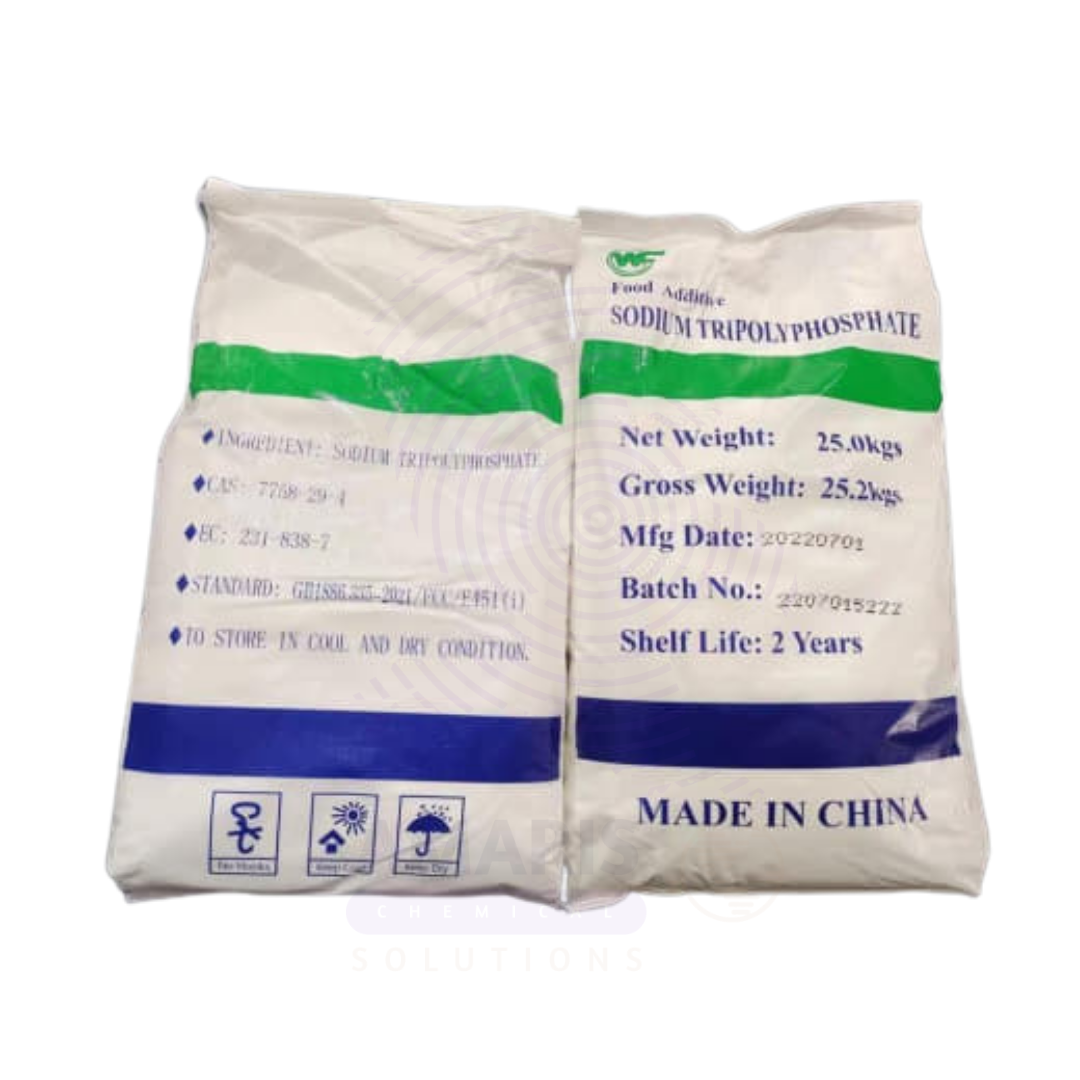

Sodium Tripolyphosphate
Original price was: $ 3.05.$ 2.94Current price is: $ 2.94.
Sodium Tripolyphosphate (STPP), chemical formula Na₅P₃O₁₀, is a white, granular or powdery inorganic compound widely used as a sequestrant, dispersant, and detergent builder. This 25kg packaged product is highly soluble in water, forming alkaline solutions that effectively soften water by chelating calcium and magnesium ions. Its excellent emulsifying and dispersing properties make it an essential ingredient in detergents, water treatment, food processing, and industrial cleaning applications.
Sodium Tripolyphosphate (STPP)
Primary Uses
- Detergent Industry
- Builder Agent: Enhances cleaning efficiency by softening hard water, preventing mineral deposits.
- Dispersant: Prevents soil redeposition on fabrics during washing.
- Emulsifier: Stabilizes suspended particles in detergent formulations.
- Food Industry
- Food Additive (E451): Used as a preservative, emulsifier, and texturizer in seafood, meat products, and processed foods.
- Water Retention Agent: Improves moisture retention in meat and poultry.
- Water Treatment
- Sequestrant: Chelates metal ions in water systems to prevent scale and corrosion.
- Industrial Cleaning: Removes mineral deposits and controls hardness in boilers and cooling towers.
- Ceramics & Paints
- Dispersing Agent: Prevents particle aggregation in ceramic slurries and paints.
- Textile Industry
- Scouring Agent: Aids in removal of oils, waxes, and minerals from textiles before dyeing.
Secondary Uses
- Cosmetics
- pH Buffer: Stabilizes formulations.
- Emulsifier: Improves texture and consistency.
- Pharmaceuticals
- Excipient: Used in tablet formulations for improved binding and moisture control.
- Paper Industry
- Retention Aid: Enhances retention of fillers and fines in paper manufacturing.
- Oil & Gas Industry
- Scale Inhibitor: Controls mineral scale formation in drilling fluids.
1. Basic Identification Attributes
- Chemical Name (IUPAC): Sodium triphosphate
- Common/Trade Name: Sodium tripolyphosphate, STPP
- CAS Number: 7758-29-4
- HS Code: 2835.31.00
- Synonyms: Sodium triphosphate, pentasodium triphosphate
2. Physical & Chemical Properties
- Physical State: White granular or powder
- Color & Odor: White; odorless
- Solubility: 50-60 g/100 mL water at 20°C
- Density: 2.53 g/cm³
- Melting Point: Decomposes above 620°C
- pH (1% solution): Alkaline (11-12)
3. Safety & Hazard Attributes
- GHS Classification: Not classified as hazardous under normal use
- Toxicity: Low toxicity; oral LD₅₀ > 5,000 mg/kg (rat)
- Exposure Limits: No specific OSHA limits; general dust precautions advised
- Corrosivity: Non-corrosive but alkaline
4. Storage & Handling Attributes
- Storage Conditions: Store in cool, dry, well-ventilated area, away from moisture and acids
- Container Type: 25kg PE-lined bags or plastic drums
- Shelf Life: 24 months if stored properly
- Handling Precautions: Avoid dust generation; use appropriate PPE
5. Regulatory & Compliance Attributes
- REACH Registered
- FDA Approved for food use (E451)
- Complies with OSHA Hazard Communication Standard
- Not classified as dangerous goods for transport
6. Environmental & Health Impact
- Biodegradability: Moderately biodegradable
- Ecotoxicity: Low toxicity to aquatic life at typical use levels
- Bioaccumulation: Not expected
- Aquatic Impact: Excessive release may cause eutrophication due to phosphorus content
Safety Handling Precautions
- PPE Required: Gloves, dust mask, goggles recommended during handling
- Handling Guidelines: Use local exhaust ventilation to minimize dust
- Storage Measures: Keep containers tightly closed and dry
First Aid Measures
- Inhalation: Move to fresh air; seek medical attention if symptoms develop
- Skin Contact: Wash skin with soap and water
- Eye Contact: Rinse with plenty of water for 15 minutes; seek medical attention if irritation persists
- Ingestion: Rinse mouth; seek medical advice if large amounts ingested
Firefighting Measures
- Fire Hazards: Non-flammable
- Extinguishing Media: Use extinguishing media suitable for surrounding fire
- Hazardous Combustion Products: May release toxic fumes including phosphorus oxides if heated strongly
Related products
Borax Decahydrate
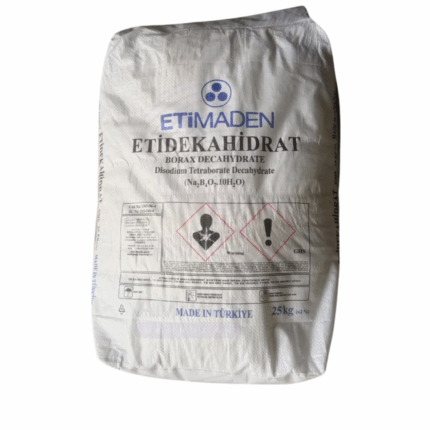
Borax Decahydrate, also known as sodium tetraborate decahydrate, is a naturally occurring mineral and an important inorganic compound. It appears as colorless or white crystalline granules or powder with a salty, alkaline taste. This compound is widely used in detergents, cosmetics, glass manufacturing, agriculture, and various industrial applications due to its excellent buffering, emulsifying, and antiseptic properties. The “decahydrate” indicates that each molecule of borax contains ten water molecules bound in its crystal structure, contributing to its crystalline appearance and physical properties.
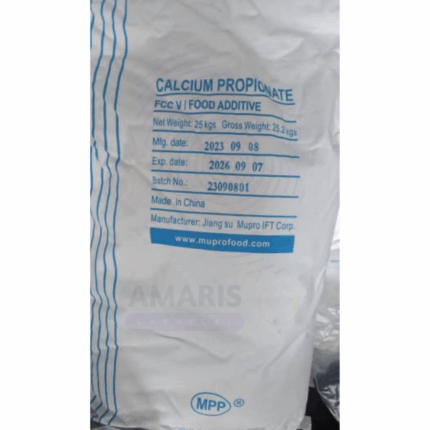
Calcium Propionate
Calcium Propionate is the calcium salt of propionic acid, appearing as a white, crystalline powder or granules with a slightly salty taste and low odor. It is highly soluble in water and used primarily as a food preservative and mold inhibitor. Calcium Propionate inhibits the growth of mold, bacteria, and fungi, making it especially valuable in baked goods, dairy products, and animal feed to extend shelf life and prevent spoilage. It also finds application in pharmaceuticals and cosmetics as a preservative and antimicrobial agent.
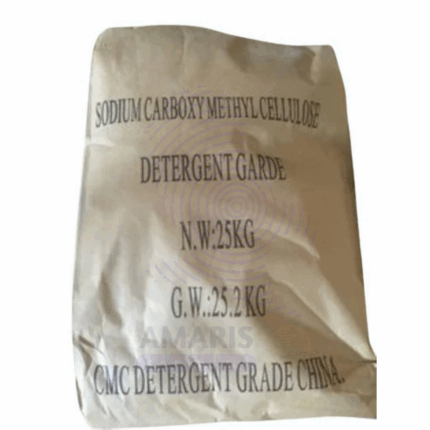
Carboxymethyl Cellulose Detergent Grade
Carboxymethyl Cellulose Detergent Grade is a water-soluble cellulose derivative produced by the etherification of cellulose with monochloroacetic acid. It is a fine, white to off-white powder with excellent thickening, stabilizing, and water retention properties. The detergent grade of CMC is specifically tailored to meet the requirements of laundry and cleaning formulations, offering superior dispersing and anti-redeposition performance. It is biodegradable, non-toxic, and widely used as a functional additive to enhance cleaning efficiency and fabric care in detergent products. Its excellent compatibility with surfactants and enzymes makes it an essential ingredient in both powder and liquid detergents.
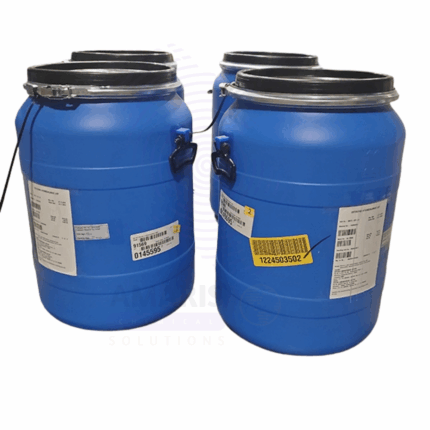
Cetirizine Dihydrochloride
Cetirizine Dihydrochloride is a second-generation antihistamine widely used to relieve allergy symptoms such as hay fever, urticaria (hives), and other allergic conditions. It is the dihydrochloride salt form of cetirizine, presenting as a white to off-white crystalline powder that is odorless or nearly odorless and slightly bitter in taste. Cetirizine Dihydrochloride acts as a selective antagonist of peripheral H1 histamine receptors, preventing the effects of histamine and thereby reducing allergic symptoms without causing significant sedation. It is a commonly prescribed active pharmaceutical ingredient (API) in oral tablets, syrups, and capsules.
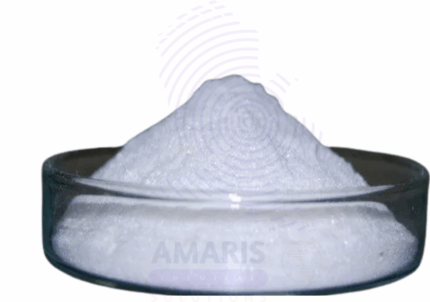
Cetirizine Hydrochloride
Cetirizine Hydrochloride is a widely used second-generation antihistamine effective for treating allergic conditions such as allergic rhinitis, chronic urticaria, and other allergy symptoms. It is the hydrochloride salt form of cetirizine, existing as a white to off-white crystalline powder with a slightly bitter taste. Cetirizine HCl acts by selectively blocking peripheral H1 histamine receptors, thereby reducing allergic symptoms without significant sedation or central nervous system depression. It is commonly formulated into tablets, syrups, and capsules as an active pharmaceutical ingredient.
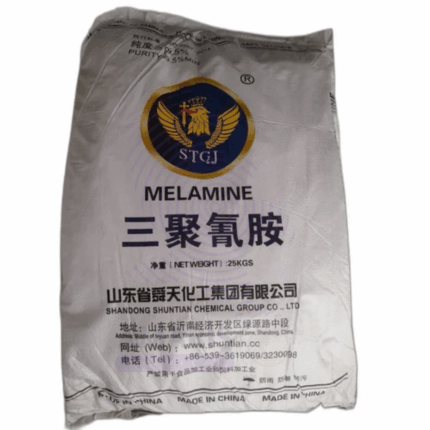
Melamine
Melamine is an organic compound widely used as a raw material in the production of melamine-formaldehyde resins, laminates, adhesives, coatings, and flame retardants. It offers excellent hardness, thermal stability, and chemical resistance. Supplied in 25kg bags, melamine is a white crystalline powder with high nitrogen content, making it a valuable additive in plastics, construction materials, and surface treatments.
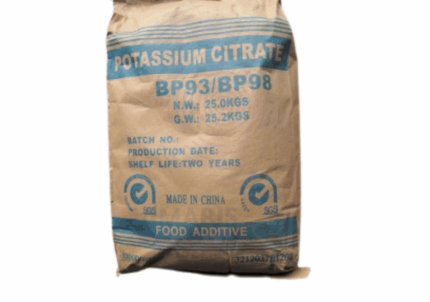
Potassium Citrate
Potassium Citrate is a potassium salt of citric acid, appearing as a white, crystalline, water-soluble powder. It is widely used in food, pharmaceutical, agricultural, and industrial applications due to its buffering, alkalizing, and sequestrant properties. Potassium Citrate helps regulate acidity and provides potassium ions critical for various biochemical and physiological functions.
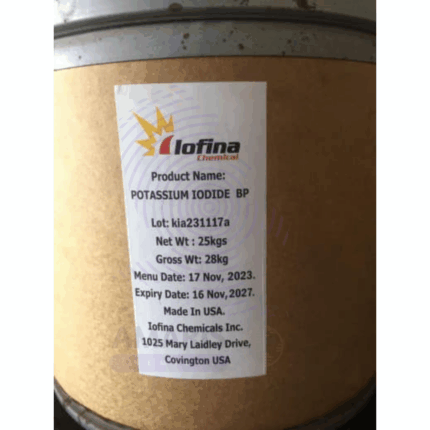
Potassium Iodide
Potassium Iodide is a white, crystalline inorganic salt that serves as a vital source of iodine. It is widely used in medical, pharmaceutical, nutritional, and industrial fields. Potassium Iodide is highly soluble in water and is used both as a dietary supplement to prevent iodine deficiency and as a protective agent against radioactive iodine exposure. It also finds applications in chemical synthesis and photographic processes.












