

 Preservatives(food)
 Flavors
 Acidulants
 Sweeteners
 Antioxidants
 Colorants(food)
 Nutraceutical Ingredients (food)
 Nutrient Supplements
 Emulsifiers
 Collectors
 Dust Suppressants
 Explosives and Blasting Agents
 Flocculants and Coagulants
 Frothers
 Leaching Agents
 pH Modifiers
 Precious Metal Extraction Agents
 Antioxidants(plastic)
 Colorants (Pigments, Dyes)
 Fillers and Reinforcements
 Flame Retardants
 Monomers
 Plasticizers
 Polymerization Initiators
 Stabilizers (UV, Heat)
 Antifoaming Agents
 Chelating Agents
 Coagulants and Flocculants
 Corrosion Inhibitors
 Disinfectants and Biocides
 Oxidizing Agents
 pH Adjusters
 Scale Inhibitors( water)
 Antioxidants(cosmetic)
 Emollients
 Oils
Oils Carrier Oills
 Essential Oils
 Humectants
 Preservatives
 Surfactants(cosmetic)
 Thickeners
 UV Filters
 Fertilizers
 Soil Conditioners
 Plant Growth Regulators
 Animal Feed Additives
 Biostimulants
 Pesticides (Herbicides, Insecticides, Fungicides)
 Active Pharmaceutical Ingredients (APIs)
 Excipients
 Solvents(pharmaceutical)
 Antibiotics
 Antiseptics and Disinfectants
 Vaccine Adjuvants
 Nutraceutical Ingredients (pharmaceutical)
 Analgesics & Antipyretics
 Analytical Reagents
 Solvents(lab)
 Chromatography Chemicals
 Spectroscopy Reagents
 microbiology-and-cell-culture-reagents
 Molecular Biology Reagents
 Biochemical Reagents
 Inorganic and Organic Standards
 Laboratory Safety Chemicals
 Specialty Laboratory Chemicals(Special Laboratory Equipment)
 Demulsifiers
 Hydraulic Fracturing Fluids
 Scale Inhibitors(oil)
 Surfactants(oil)
 Drilling Fluids
 Dyes and Pigments
 Bleaching Agents
 Softening Agents
 Finishing Agents
 Antistatic Agents
 Admixtures
 Waterproofing Agents
 Sealants and Adhesives
 Curing Compounds
 Concrete Repair Chemicals
 Anti-Corrosion Coatings
 Surfactants(cleaning)
 Builders
 Enzymes
 Solvents (Cleaning)
 Fragrances (Cleaning)
 Electronic Chemicals
 Catalysts
 Lubricants
 Photographic Chemicals
 Refrigerants
 Automotive chemicals
 Pyrotechnic Chemicals
 Biodegradable Surfactants
 Bio-based Solvents
 Renewable Polymers
 Carbon Capture Chemicals
 Wastewater Treatment Chemicals
 Pigments
 Solvents(paint)
 Specialty Coatings
 Binders/Resins
 Additives
 Driers
 Anti-Corrosion Agents
 Functional Coatings
 Application-Specific Coatings
 Leavening Agents
 Dough Conditioners
 Flour Treatments
 Fat Replacers
 Decoratives
 Preservatives(baking)
 Plasticizers & Softeners
 Reinforcing Agents
 Adhesion Promoters
 Vulcanizing Agents
 Antidegradants
 Blowing Agents
 Fillers & Extenders
 Accelerators & Retarders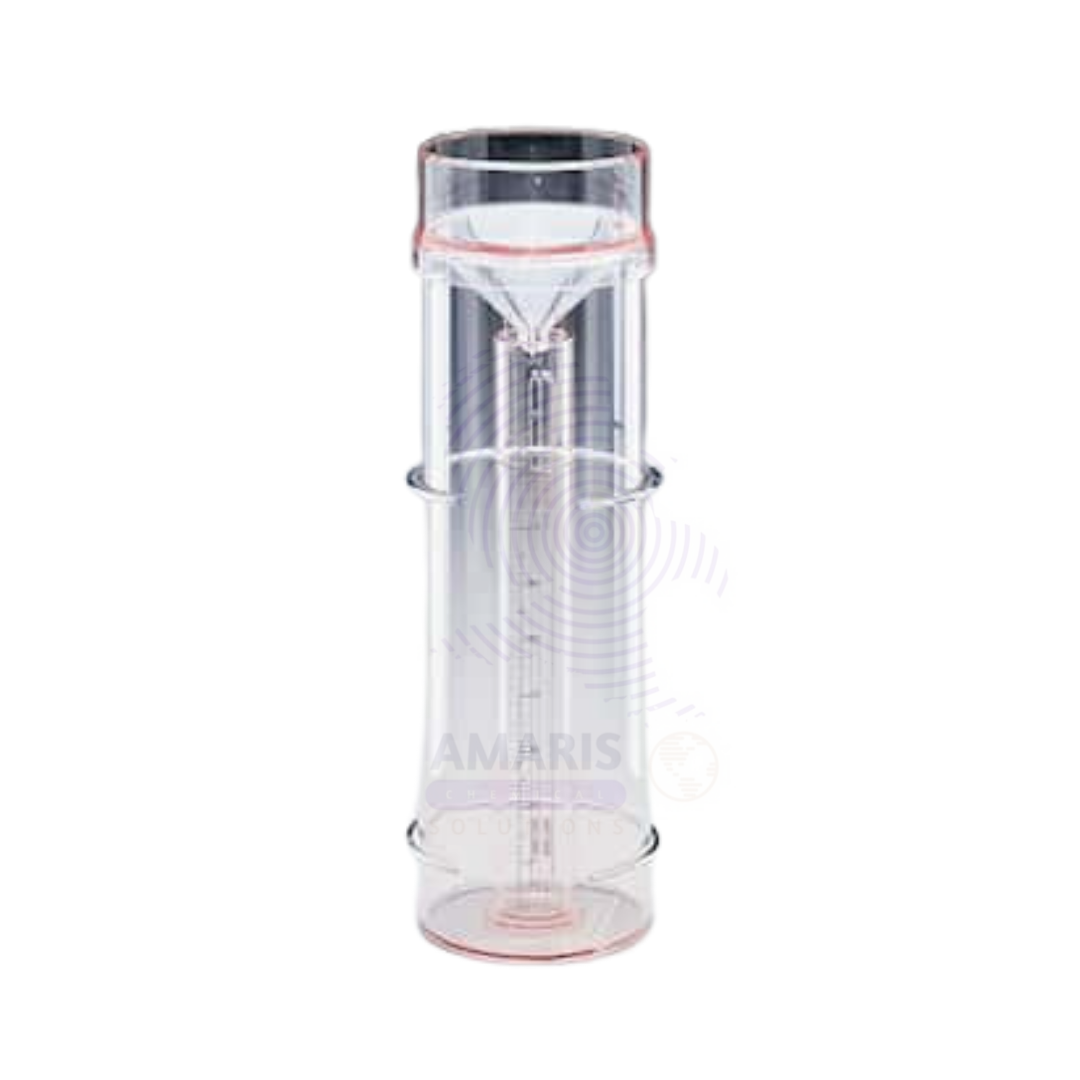

RAIN GAUGE
Original price was: $ 28.03.$ 27.87Current price is: $ 27.87.
A Rain Gauge is a precise meteorological instrument designed to measure the amount of liquid precipitation (rainfall) over a set period, typically in millimeters or inches. It consists of a collection funnel directing water into a graduated measuring container or a tipping bucket mechanism that records rainfall digitally. Constructed from durable materials such as glass, plastic, or corrosion-resistant metals, rain gauges are built to endure outdoor conditions including sun exposure, wind, and rain. Their design allows for accurate, easy-to-read measurements to support weather forecasting, agricultural planning, environmental monitoring, and hydrological research. Rain Gauges are fundamental tools in laboratories focused on environmental science, meteorology, and water resource management.
RAIN GAUGE
Primary Uses
- Laboratory and Environmental Applications
- Measuring rainfall amounts precisely for meteorological data collection.
- Supporting agricultural irrigation planning and crop management based on rainfall data.
- Monitoring hydrological cycles and watershed runoff analysis.
- Conducting environmental research on precipitation patterns and climate change.
- Educational tool demonstrating precipitation measurement in academic labs.
- Calibration of other meteorological instruments through comparative analysis.
Secondary Uses
- Industrial, Research, and Practical Applications
- Assisting urban planners and civil engineers in stormwater drainage and flood prevention design.
- Used in water resource management for reservoir and groundwater recharge assessments.
- Supporting environmental impact assessments related to construction and land use.
- Utilized in forestry and ecological monitoring for habitat studies.
1.Basic Identification Attributes
- Material: Usually stainless steel, aluminum, or durable plastic.
- Shape: Flat, thin, rectangular or slightly curved blade attached to a handle.
- Size: Small and lightweight for precise control.
- Finish: Smooth, polished surface to prevent powder adherence.
2.Physical & Chemical Properties
- Chemical Resistance: Resistant to most laboratory chemicals (metal or plastic grade dependent).
- Durability: Sturdy yet lightweight for ease of use.
- Surface: Smooth and non-porous to prevent sample contamination.
3.Safety & Hazard Attributes
- Sharp edges may cause minor cuts; handle carefully.
- Must be cleaned regularly to avoid cross-contamination.
4.Storage & Handling Attributes
- Store in a clean, dry place to prevent corrosion (if metal).
- Clean thoroughly after each use with suitable solvents or detergents.
- Inspect for damage or corrosion before use.
5.Regulatory & Compliance Attributes
- Manufactured to laboratory equipment standards.
- Suitable for use in GMP and GLP compliant laboratories.
6.Environmental & Health Impact
- Materials are generally recyclable (metal/plastic).
- Durable design reduces frequent replacement and waste.
Safety Handling Precautions
- Wear gloves when handling broken glass or cleaning.
- Avoid exposure to contaminated water collected during storms.
- Use appropriate personal protective equipment (PPE) during cleaning or maintenance.
First Aid Measures
- For glass cuts: clean wounds with antiseptic, apply bandages, and seek medical attention if severe.
- In case of exposure to contaminated rainwater: wash affected skin and monitor for symptoms.
Firefighting Measures
- Non-flammable instrument.
- Use suitable fire extinguishing methods for surrounding combustible materials if fire occurs nearby.
Related products
Bar and Gauge Apparatus
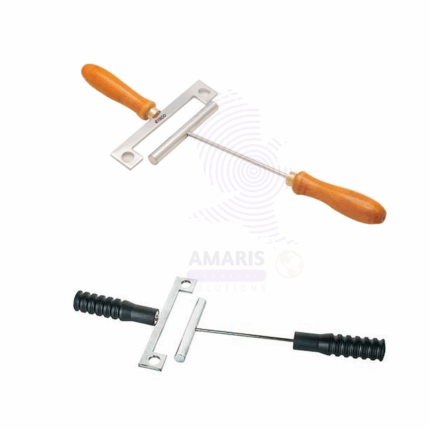
The Bar and Gauge Apparatus is a precision instrument used for measuring and comparing lengths, thicknesses, and distances in laboratory and industrial environments. It typically consists of calibrated bars, gauges, and scale components designed for accuracy in dimensional measurements. This apparatus is essential for quality control, calibration tasks, and research applications requiring precise measurement standards. Manufactured from durable materials such as stainless steel or hardened alloys, the Bar and Gauge Apparatus ensures reliable performance and longevity under regular use.
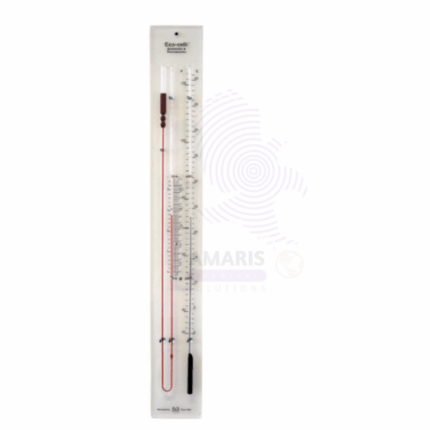
Barometer Tubes
Barometer Tubes are precision glass tubes used in barometers to measure atmospheric pressure. These tubes are typically filled with mercury or other suitable liquids and are sealed to allow accurate pressure readings based on liquid column height. Barometer tubes are essential components in meteorological instruments and laboratory equipment for pressure measurement and environmental monitoring. Manufactured with high-quality, clear glass, they provide durability, clarity, and accurate fluid displacement for precise readings.
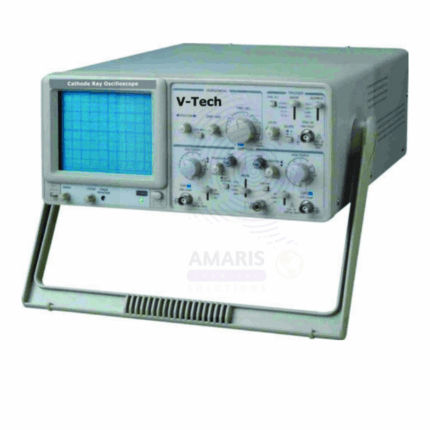
Cathode ray oscilloscope
Cartesian Divers are simple physics demonstration devices used to illustrate principles of buoyancy, pressure, and gas laws. Typically consisting of small, sealed, air-filled capsules submerged in water within a sealed container, these divers rise and sink in response to changes in external pressure. Widely used in educational laboratories for teaching fluid mechanics and gas behavior, Cartesian Divers provide hands-on visualization of fundamental scientific concepts.
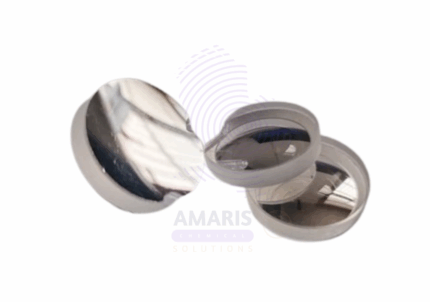
Concave and convex lens
Concave and Convex Lenses are essential optical components used to manipulate light by refraction. A convex lens is thicker at the center and converges light rays to a focal point, while a concave lens is thinner at the center and diverges light rays. These lenses are fundamental in various scientific experiments, optical instruments, and educational demonstrations to study image formation, focal length, magnification, and light behavior. Manufactured with high-quality optical glass or plastic, they offer clarity and precision necessary for laboratory and industrial applications.
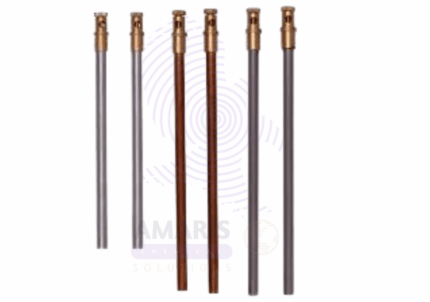
Electrode Copper Rod
Electrode Copper Rod is a high-purity copper rod used primarily as an electrode in various electrical, electrochemical, and industrial applications. Known for its superior electrical conductivity, thermal stability, and corrosion resistance, copper rods are essential components in electroplating, battery manufacturing, welding, and electrical circuitry. Manufactured to precise dimensions with smooth surfaces, these rods ensure efficient current transmission and durability under demanding conditions. They are widely utilized in laboratories, manufacturing industries, and research facilities requiring reliable conductive electrodes.
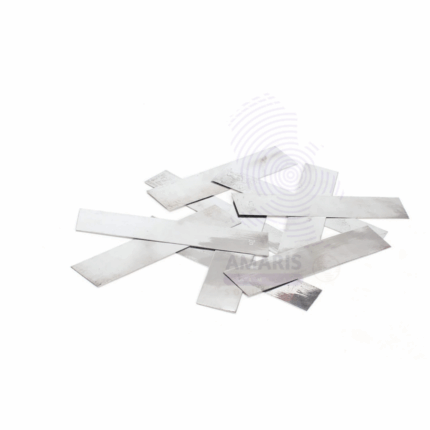
Electrode Zinc Plate
Electrode Zinc Plate is a high-quality zinc metal sheet designed for use as an electrode in various electrochemical applications, including batteries, corrosion protection, and electroplating. Zinc plates offer good electrical conductivity and act as sacrificial anodes in cathodic protection systems to prevent corrosion of metal structures. Manufactured with uniform thickness and smooth surfaces, these plates are widely used in lead-acid batteries, galvanic cells, and industrial electrolysis. Zinc electrodes are essential components in chemical processing, environmental protection, and laboratory research.
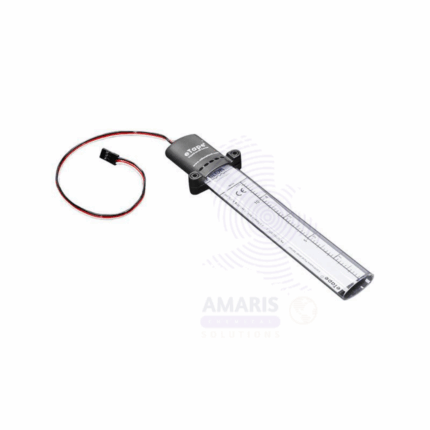
Lab liquid level
The Lab Liquid Level is a precision measuring instrument used to detect and indicate the level of liquids in laboratory containers, tanks, or systems. Designed for accuracy and ease of use, it helps scientists and technicians monitor fluid levels during experiments, processing, or storage. Typically constructed from chemically resistant materials, Lab Liquid Levels are compatible with various liquids including corrosive and volatile substances. They are essential tools for maintaining controlled conditions in chemical, pharmaceutical, and research laboratories.
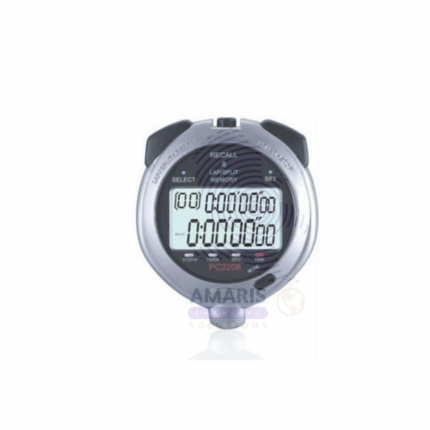
Laboratory stop watch
The Laboratory Stop Watch is a precision timing device used in laboratories to accurately measure time intervals during experiments and processes. Designed for reliability and ease of use, it features start, stop, and reset functions, often with digital or analog displays. This stopwatch is essential for kinetic studies, reaction timing, process control, and any experiment requiring precise time measurement. Durable and portable, it is suitable for various scientific, educational, and industrial laboratory applications.












