

 Preservatives(food)
 Flavors
 Acidulants
 Sweeteners
 Antioxidants
 Colorants(food)
 Nutraceutical Ingredients (food)
 Nutrient Supplements
 Emulsifiers
 Collectors
 Dust Suppressants
 Explosives and Blasting Agents
 Flocculants and Coagulants
 Frothers
 Leaching Agents
 pH Modifiers
 Precious Metal Extraction Agents
 Antioxidants(plastic)
 Colorants (Pigments, Dyes)
 Fillers and Reinforcements
 Flame Retardants
 Monomers
 Plasticizers
 Polymerization Initiators
 Stabilizers (UV, Heat)
 Antifoaming Agents
 Chelating Agents
 Coagulants and Flocculants
 Corrosion Inhibitors
 Disinfectants and Biocides
 Oxidizing Agents
 pH Adjusters
 Scale Inhibitors( water)
 Antioxidants(cosmetic)
 Emollients
 Oils
Oils Carrier Oills
 Essential Oils
 Humectants
 Preservatives
 Surfactants(cosmetic)
 Thickeners
 UV Filters
 Fragrance (Cosmetics)
 Fertilizers
 Soil Conditioners
 Plant Growth Regulators
 Animal Feed Additives
 Biostimulants
 Pesticides (Herbicides, Insecticides, Fungicides)
 Active Pharmaceutical Ingredients (APIs)
 Excipients
 Solvents(pharmaceutical)
 Antibiotics
 Antiseptics and Disinfectants
 Vaccine Adjuvants
 Nutraceutical Ingredients (pharmaceutical)
 Analgesics & Antipyretics
 Analytical Reagents
 Solvents(lab)
 Chromatography Chemicals
 Spectroscopy Reagents
 microbiology-and-cell-culture-reagents
 Molecular Biology Reagents
 Biochemical Reagents
 Inorganic and Organic Standards
 Laboratory Safety Chemicals
 Specialty Laboratory Chemicals(Special Laboratory Equipment)
 Demulsifiers
 Hydraulic Fracturing Fluids
 Scale Inhibitors(oil)
 Surfactants(oil)
 Drilling Fluids
 Dyes and Pigments
 Bleaching Agents
 Softening Agents
 Finishing Agents
 Antistatic Agents
 Admixtures
 Waterproofing Agents
 Sealants and Adhesives
 Curing Compounds
 Concrete Repair Chemicals
 Anti-Corrosion Coatings
 Surfactants(cleaning)
 Builders
 Enzymes
 Solvents (Cleaning)
 Electronic Chemicals
 Catalysts
 Lubricants
 Photographic Chemicals
 Refrigerants
 Automotive chemicals
 Pyrotechnic Chemicals
 Biodegradable Surfactants
 Bio-based Solvents
 Renewable Polymers
 Carbon Capture Chemicals
 Wastewater Treatment Chemicals
 Pigments
 Solvents(paint)
 Specialty Coatings
 Binders/Resins
 Additives
 Driers
 Anti-Corrosion Agents
 Functional Coatings
 Application-Specific Coatings
 Leavening Agents
 Dough Conditioners
 Flour Treatments
 Fat Replacers
 Decoratives
 Preservatives(baking)
 Plasticizers & Softeners
 Reinforcing Agents
 Adhesion Promoters
 Vulcanizing Agents
 Antidegradants
 Blowing Agents
 Fillers & Extenders
 Accelerators & Retarders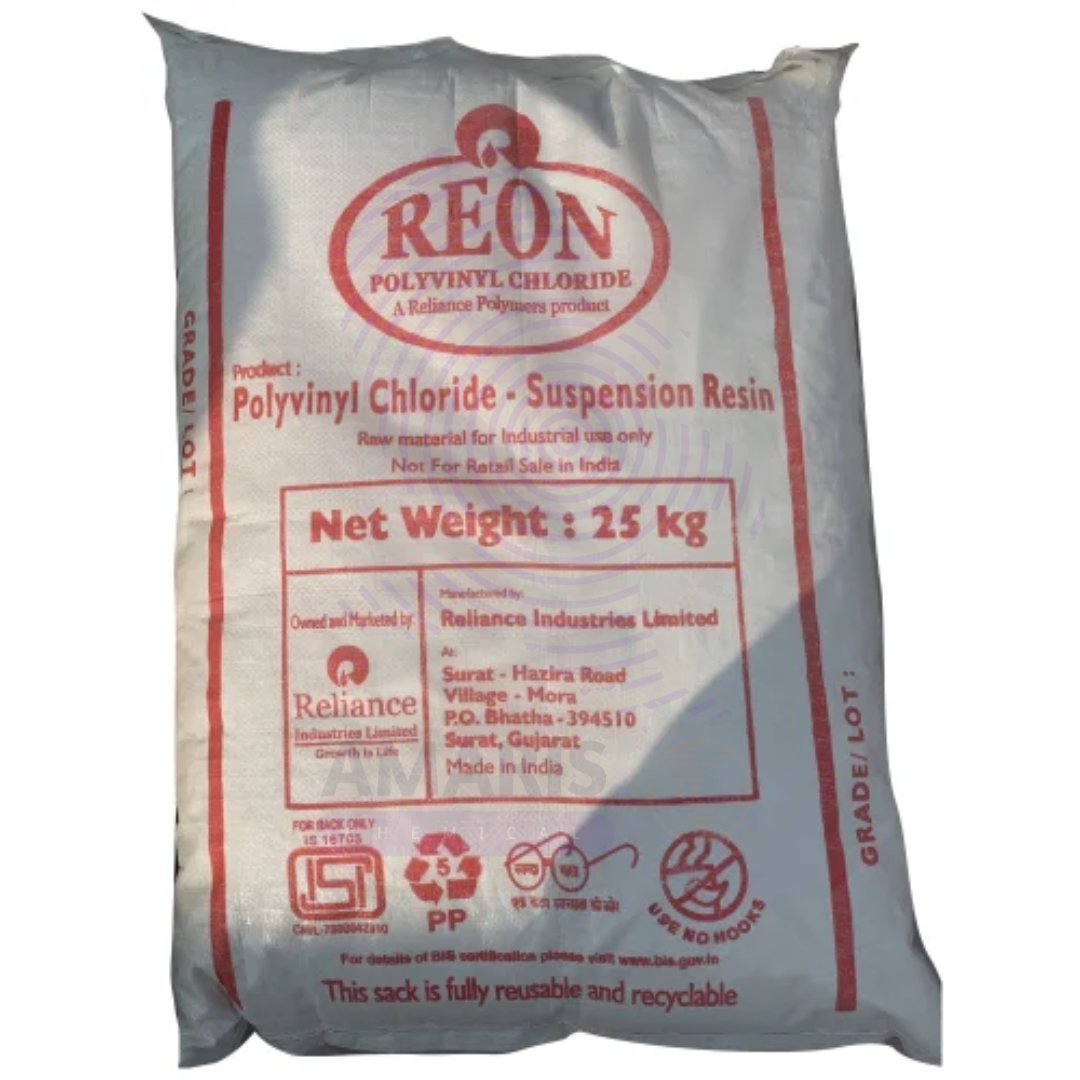
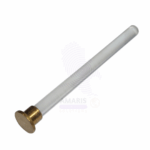


Polyvinyl Chloride Tubing
Original price was: $ 27.98.$ 27.84Current price is: $ 27.84.
Polyvinyl Chloride Tubing is a flexible, durable tube made from polyvinyl chloride (PVC), commonly used in laboratories for the safe and efficient transfer of gases, liquids, and chemicals. It features excellent chemical resistance, good mechanical strength, and flexibility, making it ideal for a wide range of laboratory applications including fluid transfer, vacuum lines, and connection of various lab apparatus. PVC Tubing is transparent or translucent to allow visual monitoring of fluid flow and is resistant to abrasion, corrosion, and weathering. It is available in various diameters and thicknesses to suit different laboratory requirements.
Polyvinyl Chloride Tubing
Primary Uses
- Fluid Transport (Industrial & Domestic)
- Used for transporting water, chemicals, air, and other fluids in low-pressure applications.
- Widely applied in irrigation systems, aquariums, fountains, and laboratory setups.
- Employed in beverage dispensing systems and home brewing.
- Medical & Pharmaceutical Applications
- Utilized in IV lines, oxygen tubing, catheter lines, and other fluid transfer systems.
- Selected for its non-toxic, medical-grade composition and sterilizability.
- Offers flexibility and transparency for safe patient monitoring and fluid control.
- Food & Beverage Processing
- Used in transferring liquids in food production environments (milk, juice, syrup).
- Complies with FDA and food-grade standards when applicable.
- Resistant to oils and mild acids found in food systems.
- Electrical Insulation & Cable Management
- Acts as insulation sleeving for wires and electrical components.
- Used to bundle and protect wiring in consumer electronics and control panels.
- Pneumatics and Low-Pressure Systems
- Applied in low-pressure pneumatic lines and air flow control systems in machinery.
- Suitable for applications requiring flexibility and kink resistance.
Secondary Uses
- Construction & Building Maintenance
- Used in plumbing and drainage systems in temporary installations or for venting.
- Serves as protective sleeves for exposed rebar or metal conduits.
- Automotive & Machinery
- Employed in windshield washer systems, fuel lines (non-critical), and vacuum lines.
- Used for conveying coolant or lubricants in non-pressurized systems.
- Aquaculture & Fish Farming
- Supports aeration systems and water circulation systems in tanks and ponds.
- Flexible tubing allows easy routing of oxygen and water supplies.
- Gardening & Hydroponics
- Used in drip irrigation systems and nutrient circulation systems for plants.
- Clear tubing allows visual flow monitoring.
- HVAC & Refrigeration
- Applied in condensate drainage lines and low-pressure transfer lines.
- Resistant to moisture and mold, maintaining performance over time.
- Laboratory & Research Applications
- Used in analytical systems for gas or liquid sampling and fluid delivery.
- Selected for chemical compatibility and dimensional stability.
1.Basic Identification Attributes
- Material: Usually stainless steel, aluminum, or durable plastic.
- Shape: Flat, thin, rectangular or slightly curved blade attached to a handle.
- Size: Small and lightweight for precise control.
- Finish: Smooth, polished surface to prevent powder adherence.
2.Physical & Chemical Properties
- Chemical Resistance: Resistant to most laboratory chemicals (metal or plastic grade dependent).
- Durability: Sturdy yet lightweight for ease of use.
- Surface: Smooth and non-porous to prevent sample contamination.
3.Safety & Hazard Attributes
- Sharp edges may cause minor cuts; handle carefully.
- Must be cleaned regularly to avoid cross-contamination.
4.Storage & Handling Attributes
- Store in a clean, dry place to prevent corrosion (if metal).
- Clean thoroughly after each use with suitable solvents or detergents.
- Inspect for damage or corrosion before use.
5.Regulatory & Compliance Attributes
- Manufactured to laboratory equipment standards.
- Suitable for use in GMP and GLP compliant laboratories.
6.Environmental & Health Impact
- Materials are generally recyclable (metal/plastic).
- Durable design reduces frequent replacement and waste.
Safety Handling Precautions
- Use gloves if handling heavy or sharp-edged bobs.
- Ensure secure attachment to pendulum string before use.
First Aid Measures
- For impact injuries, apply first aid and seek medical attention if severe.
Firefighting Measures
- Non-flammable metal component.
- Use appropriate extinguishing methods for surrounding materials.
Related products

Borosilicate Glass Tubings
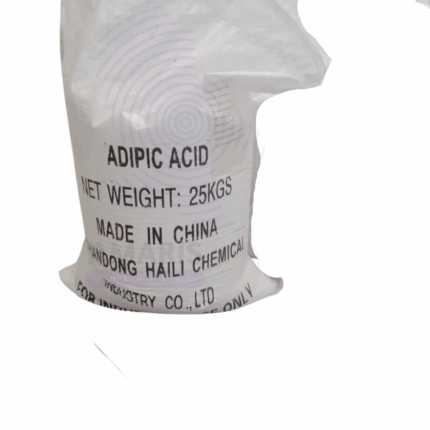
Borosilicate Glass Tubings are high-quality glass tubes made from borosilicate material, known for excellent thermal resistance and chemical durability. These tubes are used extensively in laboratories and industries for transporting gases and liquids, conducting experiments, and fabricating custom glass apparatus. Their high resistance to thermal shock and chemical corrosion makes them ideal for harsh lab environments and industrial processes. Available in various diameters and lengths, these tubings can be cut or bent to suit specific experimental setups.
HDPE Blow HDB5502
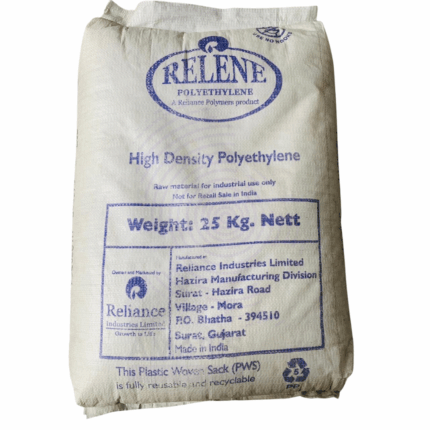
HDPE Blow HDB5502 is a high-density polyethylene resin specifically formulated for blow molding applications. It is a semi-crystalline thermoplastic polymer characterized by excellent strength-to-density ratio, high chemical resistance, and superior processability in blow molding equipment. This grade exhibits high stiffness, good environmental stress crack resistance (ESCR), and excellent impact resistance, making it ideal for manufacturing durable hollow containers and complex-shaped products. The resin is supplied as granular pellets with consistent melt flow and homogeneity, optimized for efficient molding cycles and high throughput.
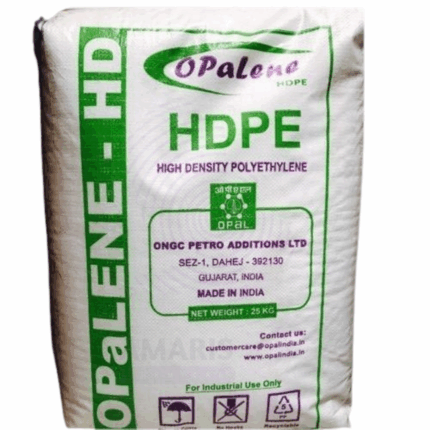
HDPE Film F52H04
HDPE Film F52H04 Opalene is a high-density polyethylene film grade resin specially engineered for producing thin, flexible, and high-strength films. It is designed for blown film extrusion processes, delivering excellent mechanical properties, superior clarity (opal/opalene finish), and consistent gauge control. This resin offers high tensile strength, good puncture resistance, and excellent moisture barrier properties, making it ideal for packaging applications requiring durability and flexibility. Its balanced processing characteristics enable fast extrusion rates and uniform film thickness.
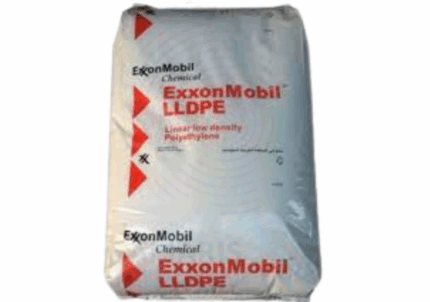
LLDPE injection 6201XR
LLDPE injection 6201XR is a linear low-density polyethylene resin specially formulated for injection molding applications. It offers excellent processability, high impact strength, and good flexibility. The material provides a balance of mechanical performance and ease of molding, making it ideal for producing thin-walled and complex-shaped parts. With superior clarity and toughness, LLDPE Injection 6201XR is widely used in manufacturing durable consumer goods, automotive components, and packaging items.
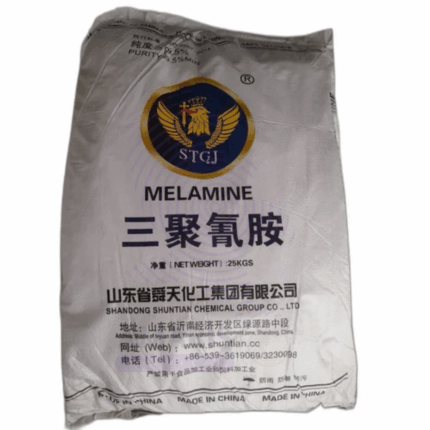
Melamine
Melamine is an organic compound widely used as a raw material in the production of melamine-formaldehyde resins, laminates, adhesives, coatings, and flame retardants. It offers excellent hardness, thermal stability, and chemical resistance. Supplied in 25kg bags, melamine is a white crystalline powder with high nitrogen content, making it a valuable additive in plastics, construction materials, and surface treatments.
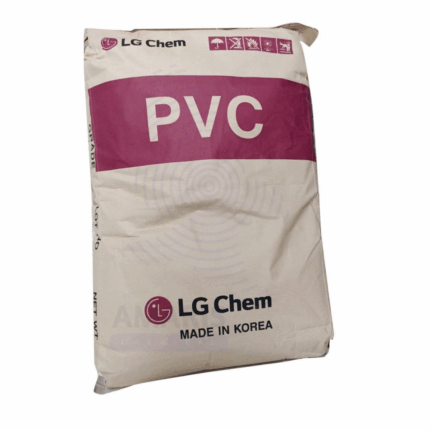
Polyvinyl Chloride Resin 702
Polyvinyl Chloride Resin 702 is a high molecular weight, suspension-grade polyvinyl chloride resin with a K-value around 70–72. It is specifically formulated for use in soft and flexible PVC products due to its excellent plasticizer absorption and high mechanical strength. Its superior elongation, thermal stability, and processability make it highly suitable for calendaring, extrusion, injection molding, and dip molding operations. PVC Resin 702 is extensively used across the cable, synthetic leather, film, and footwear industries.
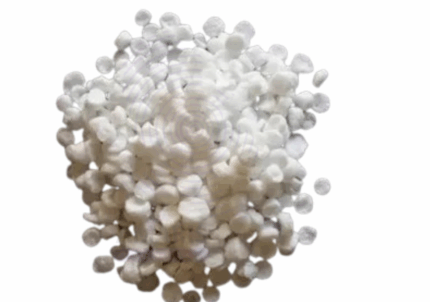
Styrene Polymer Copolymer
Styrene Polymer Copolymer is a high-performance copolymer consisting primarily of styrene combined with other monomers such as acrylonitrile or butadiene, designed to offer enhanced mechanical properties, chemical resistance, and processability. Supplied in bulk packaging of 230kg, it is widely used in plastics, adhesives, coatings, and rubber industries. This copolymer provides excellent toughness, thermal stability, and versatility, making it suitable for demanding industrial applications.












