

 Preservatives(food)
 Flavors
 Acidulants
 Sweeteners
 Antioxidants
 Colorants(food)
 Nutraceutical Ingredients (food)
 Nutrient Supplements
 Emulsifiers
 Collectors
 Dust Suppressants
 Explosives and Blasting Agents
 Flocculants and Coagulants
 Frothers
 Leaching Agents
 pH Modifiers
 Precious Metal Extraction Agents
 Antioxidants(plastic)
 Colorants (Pigments, Dyes)
 Fillers and Reinforcements
 Flame Retardants
 Monomers
 Plasticizers
 Polymerization Initiators
 Stabilizers (UV, Heat)
 Antifoaming Agents
 Chelating Agents
 Coagulants and Flocculants
 Corrosion Inhibitors
 Disinfectants and Biocides
 Oxidizing Agents
 pH Adjusters
 Scale Inhibitors( water)
 Antioxidants(cosmetic)
 Emollients
 Oils
Oils Carrier Oills
 Essential Oils
 Humectants
 Preservatives
 Surfactants(cosmetic)
 Thickeners
 UV Filters
 Fragrance (Cosmetics)
 Fertilizers
 Soil Conditioners
 Plant Growth Regulators
 Animal Feed Additives
 Biostimulants
 Pesticides (Herbicides, Insecticides, Fungicides)
 Active Pharmaceutical Ingredients (APIs)
 Excipients
 Solvents(pharmaceutical)
 Antibiotics
 Antiseptics and Disinfectants
 Vaccine Adjuvants
 Nutraceutical Ingredients (pharmaceutical)
 Analgesics & Antipyretics
 Analytical Reagents
 Solvents(lab)
 Chromatography Chemicals
 Spectroscopy Reagents
 microbiology-and-cell-culture-reagents
 Molecular Biology Reagents
 Biochemical Reagents
 Inorganic and Organic Standards
 Laboratory Safety Chemicals
 Specialty Laboratory Chemicals(Special Laboratory Equipment)
 Demulsifiers
 Hydraulic Fracturing Fluids
 Scale Inhibitors(oil)
 Surfactants(oil)
 Drilling Fluids
 Dyes and Pigments
 Bleaching Agents
 Softening Agents
 Finishing Agents
 Antistatic Agents
 Admixtures
 Waterproofing Agents
 Sealants and Adhesives
 Curing Compounds
 Concrete Repair Chemicals
 Anti-Corrosion Coatings
 Surfactants(cleaning)
 Builders
 Enzymes
 Solvents (Cleaning)
 Electronic Chemicals
 Catalysts
 Lubricants
 Photographic Chemicals
 Refrigerants
 Automotive chemicals
 Pyrotechnic Chemicals
 Biodegradable Surfactants
 Bio-based Solvents
 Renewable Polymers
 Carbon Capture Chemicals
 Wastewater Treatment Chemicals
 Pigments
 Solvents(paint)
 Specialty Coatings
 Binders/Resins
 Additives
 Driers
 Anti-Corrosion Agents
 Functional Coatings
 Application-Specific Coatings
 Leavening Agents
 Dough Conditioners
 Flour Treatments
 Fat Replacers
 Decoratives
 Preservatives(baking)
 Plasticizers & Softeners
 Reinforcing Agents
 Adhesion Promoters
 Vulcanizing Agents
 Antidegradants
 Blowing Agents
 Fillers & Extenders
 Accelerators & Retarders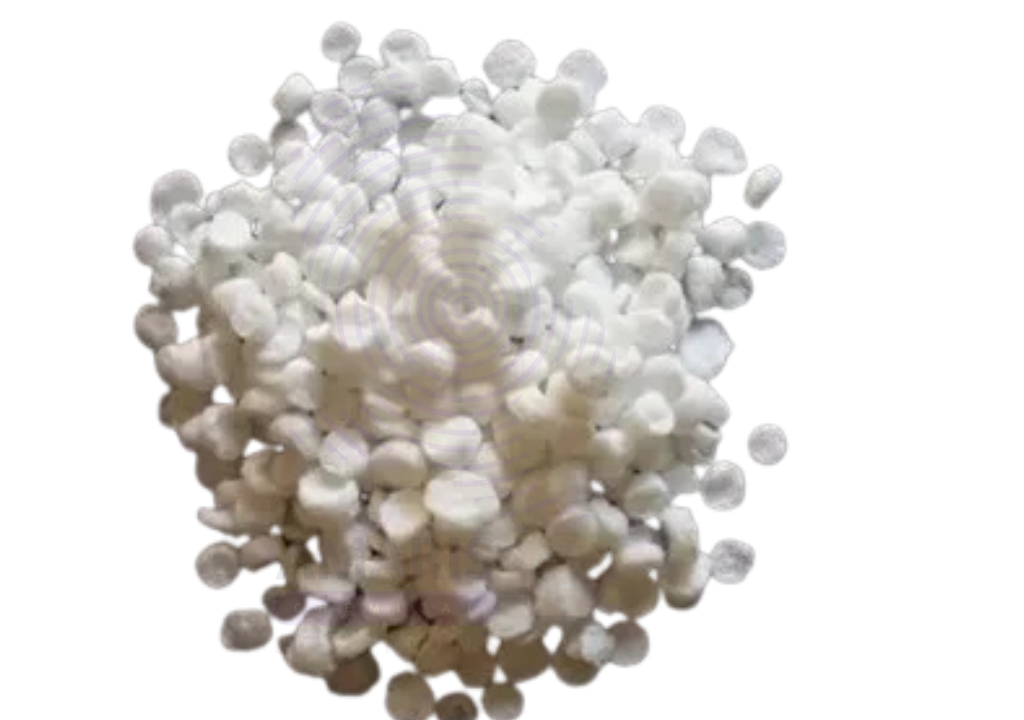


Styrene Polymer Copolymer
Styrene Polymer Copolymer is a high-performance copolymer consisting primarily of styrene combined with other monomers such as acrylonitrile or butadiene, designed to offer enhanced mechanical properties, chemical resistance, and processability. Supplied in bulk packaging of 230kg, it is widely used in plastics, adhesives, coatings, and rubber industries. This copolymer provides excellent toughness, thermal stability, and versatility, making it suitable for demanding industrial applications.
Styrene Polymer Copolymer
Primary Uses
- Plastic & Polymer Industry
- Injection Molding & Extrusion: Used for producing durable plastic parts, housings, and components with improved impact resistance and rigidity.
- High Impact Polystyrene (HIPS): Manufactured by copolymerizing styrene with butadiene to enhance toughness in consumer goods, appliances, and packaging.
- Acrylonitrile Styrene Copolymer (SAN): Provides chemical resistance and dimensional stability for automotive and electronic parts.
- Adhesives & Sealants
- Hot Melt Adhesives: Acts as a tackifier and binder in pressure-sensitive and hot melt adhesives.
- Construction Sealants: Improves flexibility and adhesion in polymer-based sealants.
- Coatings & Inks
- Binder for Coatings: Enhances adhesion, gloss, and durability in paints and varnishes.
- Printing Inks: Provides fast drying and strong adhesion in various ink formulations.
- Rubber Industry
- Compatibilizer & Modifier: Used to improve compatibility and mechanical properties in rubber blends.
Secondary Uses
- Automotive Industry
- Interior & Exterior Components: Used in dashboards, trims, and under-the-hood parts requiring durability and chemical resistance.
- Paints & Coatings: Protective coatings for automotive surfaces.
- Electrical & Electronics
- Insulation & Housings: Provides electrical insulation and mechanical strength in electronic device casings.
- Packaging Industry
- Rigid & Flexible Packaging: Used for containers, films, and closures needing clarity and toughness.
- Consumer Goods
- Toys & Household Items: Produces impact-resistant and lightweight consumer products.
- Construction Materials
- Pipe & Profile Extrusions: Enhances chemical resistance and toughness in piping systems and profiles.
1. Basic Identification Attributes
- Chemical Name (IUPAC): Styrene-based copolymer
- Common/Trade Name: Styrene Polymer Copolymer
- CAS Number: Not assigned (varies by copolymer type)
- HS Code: 3903.90.00
- Synonyms: Styrene copolymer, Styrene-acrylonitrile, High-impact polystyrene (HIPS)
2. Physical & Chemical Properties
- Physical State: Solid pellets or powder (typically pellets)
- Color & Odor: Off-white to pale yellow; odorless
- Melting Point: Approx. 200–270 °C (varies by copolymer)
- Solubility: Insoluble in water; soluble in organic solvents like benzene, toluene
- Density: Approx. 1.05–1.1 g/cm³
3. Safety & Hazard Attributes
- GHS Classification: Not classified as hazardous
- Toxicity: Low toxicity under normal handling conditions
- Exposure Limits: Follow general occupational safety guidelines for dust and fumes
4. Storage & Handling Attributes
- Storage Conditions: Store in cool, dry, well-ventilated area, away from heat and ignition sources
- Container Type: Supplied in 230kg bulk bags or drums
- Shelf Life: 12–24 months under proper storage
- Handling Precautions: Avoid dust generation; prevent static discharge
5. Regulatory & Compliance Attributes
- Manufactured under Good Manufacturing Practices (GMP)
- Complies with REACH, TSCA, and OSHA safety regulations
- Meets industry standards for plastics and polymers
6. Environmental & Health Impact
- Biodegradability: Not readily biodegradable
- Ecotoxicity: Low environmental toxicity; avoid release to water bodies
- Bioaccumulation: Not significant
Safety Handling Precautions
- PPE Required: Gloves, dust mask, and eye protection recommended
- Handling Guidelines: Use local exhaust ventilation; avoid dust inhalation
- Storage Measures: Keep containers sealed and dry
First Aid Measures
- Inhalation: Move to fresh air; seek medical attention if symptoms persist
- Skin Contact: Wash with soap and water
- Eye Contact: Flush with water for 15 minutes; seek medical attention if irritation continues
- Ingestion: Rinse mouth; seek medical advice if necessary
Firefighting Measures
- Fire Hazards: Combustible solid
- Extinguishing Media: Use water spray, foam, dry chemical, or CO₂
- Hazardous Combustion Products: Carbon monoxide, carbon dioxide, and other organic combustion products
Related products
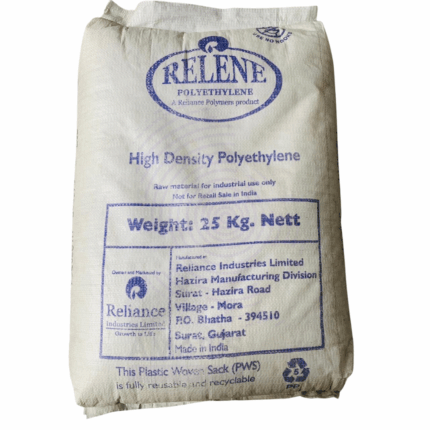
HDPE Blow HDB5502
HDPE Blow HDB5502 is a high-density polyethylene resin specifically formulated for blow molding applications. It is a semi-crystalline thermoplastic polymer characterized by excellent strength-to-density ratio, high chemical resistance, and superior processability in blow molding equipment. This grade exhibits high stiffness, good environmental stress crack resistance (ESCR), and excellent impact resistance, making it ideal for manufacturing durable hollow containers and complex-shaped products. The resin is supplied as granular pellets with consistent melt flow and homogeneity, optimized for efficient molding cycles and high throughput.
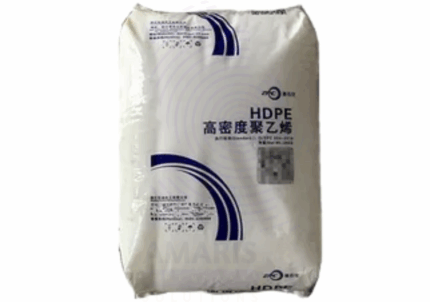
HDPE Injection HMA035/3255
HDPE Injection HMA035/3255 is a high-density polyethylene resin specially formulated for injection molding processes. This grade exhibits excellent flow characteristics with moderate melt flow index optimized for producing precise, high-strength molded parts with superior surface finish. It combines good impact resistance, stiffness, and chemical resistance with excellent dimensional stability. The resin ensures reliable processing performance across a broad temperature range and is suitable for complex, detailed, or large injection-molded components. It is supplied as uniform granules designed for smooth melting and consistent molding cycles.
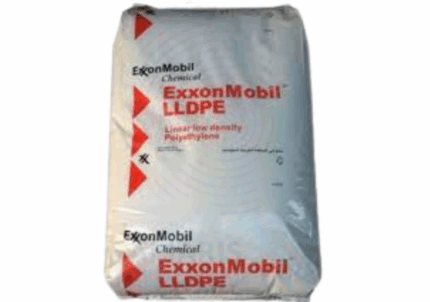
LLDPE injection 6201XR
LLDPE injection 6201XR is a linear low-density polyethylene resin specially formulated for injection molding applications. It offers excellent processability, high impact strength, and good flexibility. The material provides a balance of mechanical performance and ease of molding, making it ideal for producing thin-walled and complex-shaped parts. With superior clarity and toughness, LLDPE Injection 6201XR is widely used in manufacturing durable consumer goods, automotive components, and packaging items.
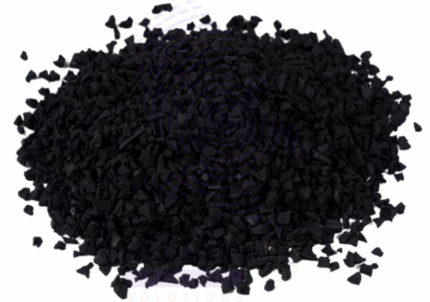
Natural rubber
Natural Rubber is an elastomer harvested from the latex sap of rubber trees (Hevea brasiliensis). It is a highly elastic, resilient, and durable polymer used globally in numerous industries. Natural Rubber is prized for its excellent tensile strength, flexibility, abrasion resistance, and ability to withstand deformation. It is widely utilized in manufacturing tires, industrial goods, footwear, and medical devices. The product is available in various forms such as sheets, blocks, crepes, and latex concentrate.

Polyvinyl Chloride Resin
Polyvinyl Chloride Resin is a white, odorless powder widely used as the base material in the production of both rigid and flexible PVC products. It is produced by polymerizing vinyl chloride monomer (VCM) and is categorized by K-value, which defines molecular weight and processing characteristics. PVC resin is valued for its durability, chemical resistance, electrical insulation, and flame retardancy. It is one of the most versatile plastics used across multiple industries including construction, electrical, automotive, packaging, and healthcare.

Polyvinyl Chloride Tubing
Polyvinyl Chloride Tubing is a flexible, durable tube made from polyvinyl chloride (PVC), commonly used in laboratories for the safe and efficient transfer of gases, liquids, and chemicals. It features excellent chemical resistance, good mechanical strength, and flexibility, making it ideal for a wide range of laboratory applications including fluid transfer, vacuum lines, and connection of various lab apparatus. PVC Tubing is transparent or translucent to allow visual monitoring of fluid flow and is resistant to abrasion, corrosion, and weathering. It is available in various diameters and thicknesses to suit different laboratory requirements.
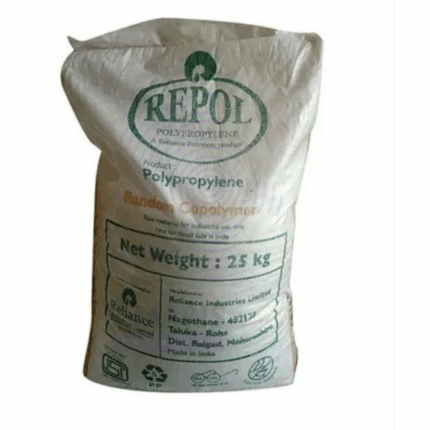
PP Copolymer 37MK10
PP Copolymer 37MK10 is a polypropylene copolymer resin characterized by enhanced clarity, impact resistance, and flexibility compared to homopolymer polypropylene. This copolymer combines propylene with a small percentage of ethylene, resulting in improved toughness and processability. It is widely used in injection molding, extrusion, and film applications across various industries, offering excellent chemical resistance and durability.
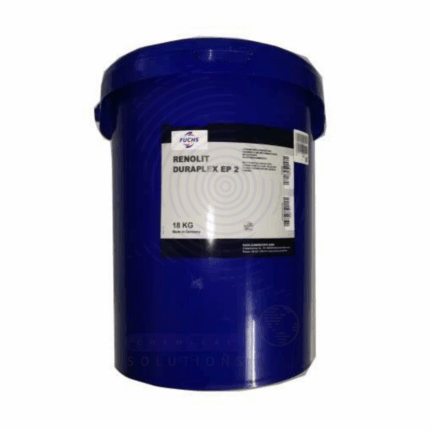
Renolit Duraplex EP 2, 3
Renolit Duraplex EP 2 and EP 3 are high-performance extreme pressure (EP) lithium-based grease lubricants designed for heavy-duty industrial and automotive applications. These greases provide excellent mechanical stability, water resistance, and protection against wear and corrosion under high load and temperature conditions. Formulated with high-quality base oils and additives, Renolit Duraplex EP greases ensure long service intervals and reliable operation of bearings, joints, and other moving components.












