

 Preservatives(food)
 Flavors
 Acidulants
 Sweeteners
 Antioxidants
 Colorants(food)
 Nutraceutical Ingredients (food)
 Nutrient Supplements
 Emulsifiers
 Collectors
 Dust Suppressants
 Explosives and Blasting Agents
 Flocculants and Coagulants
 Frothers
 Leaching Agents
 pH Modifiers
 Precious Metal Extraction Agents
 Antioxidants(plastic)
 Colorants (Pigments, Dyes)
 Fillers and Reinforcements
 Flame Retardants
 Monomers
 Plasticizers
 Polymerization Initiators
 Stabilizers (UV, Heat)
 Antifoaming Agents
 Chelating Agents
 Coagulants and Flocculants
 Corrosion Inhibitors
 Disinfectants and Biocides
 Oxidizing Agents
 pH Adjusters
 Scale Inhibitors( water)
 Antioxidants(cosmetic)
 Emollients
 Oils
Oils Carrier Oills
 Essential Oils
 Humectants
 Preservatives
 Surfactants(cosmetic)
 Thickeners
 UV Filters
 Fragrance (Cosmetics)
 Fertilizers
 Soil Conditioners
 Plant Growth Regulators
 Animal Feed Additives
 Biostimulants
 Pesticides (Herbicides, Insecticides, Fungicides)
 Active Pharmaceutical Ingredients (APIs)
 Excipients
 Solvents(pharmaceutical)
 Antibiotics
 Antiseptics and Disinfectants
 Vaccine Adjuvants
 Nutraceutical Ingredients (pharmaceutical)
 Analgesics & Antipyretics
 Analytical Reagents
 Solvents(lab)
 Chromatography Chemicals
 Spectroscopy Reagents
 microbiology-and-cell-culture-reagents
 Molecular Biology Reagents
 Biochemical Reagents
 Inorganic and Organic Standards
 Laboratory Safety Chemicals
 Specialty Laboratory Chemicals(Special Laboratory Equipment)
 Demulsifiers
 Hydraulic Fracturing Fluids
 Scale Inhibitors(oil)
 Surfactants(oil)
 Drilling Fluids
 Dyes and Pigments
 Bleaching Agents
 Softening Agents
 Finishing Agents
 Antistatic Agents
 Admixtures
 Waterproofing Agents
 Sealants and Adhesives
 Curing Compounds
 Concrete Repair Chemicals
 Anti-Corrosion Coatings
 Surfactants(cleaning)
 Builders
 Enzymes
 Solvents (Cleaning)
 Electronic Chemicals
 Catalysts
 Lubricants
 Photographic Chemicals
 Refrigerants
 Automotive chemicals
 Pyrotechnic Chemicals
 Biodegradable Surfactants
 Bio-based Solvents
 Renewable Polymers
 Carbon Capture Chemicals
 Wastewater Treatment Chemicals
 Pigments
 Solvents(paint)
 Specialty Coatings
 Binders/Resins
 Additives
 Driers
 Anti-Corrosion Agents
 Functional Coatings
 Application-Specific Coatings
 Leavening Agents
 Dough Conditioners
 Flour Treatments
 Fat Replacers
 Decoratives
 Preservatives(baking)
 Plasticizers & Softeners
 Reinforcing Agents
 Adhesion Promoters
 Vulcanizing Agents
 Antidegradants
 Blowing Agents
 Fillers & Extenders
 Accelerators & Retarders

Cognac Green Oil
Cognac Green Oil is an essential oil distilled from the lees (fermented residue) of wine production, specifically from the Vitis vinifera (grapevine) species used in Cognac manufacturing. This oil carries a fruity, dry, slightly fermented aroma with green and woody undertones. Its scent is highly prized in fine perfumery and niche cosmetic formulations due to its top-note brightness and subtle complexity.
Beyond perfumery, Cognac Green Oil is used in gourmet food flavoring (in food-grade form), aromatherapy blends, and artisanal products. With its natural origin and distinct organoleptic profile, it offers both aromatic elegance and versatility in applications.
Cognac Green Oil
Primary Uses
- Fragrance and Perfumery
- Used as a top or middle note in high-end perfumes and natural colognes
- Enhances green, fruity, and fermented accords in fine fragrance compositions
- Blended with florals, citrus, or wood oils to add complexity and brightness
- Cosmetics and Personal Care
- Included in grooming products, body sprays, and solid colognes for a fresh, fermented scent
- Used in artisanal creams, serums, or beard oils for sensory appeal
- Added to natural deodorants and soaps for its aromatic impact
- Food and Beverage Industry (food-grade only)
- Used in flavoring gourmet syrups, beverages, and liqueur-inspired desserts
- Adds a subtle fermented grape note to flavor compositions
Secondary Uses
- Aromatherapy and Wellness
- Used in diffuser blends to evoke an elevated, luxurious atmosphere
- Incorporated in relaxation or indulgence-themed aromatherapy profiles
- Household and Artisan Products
- Used in handmade candles, wax melts, and room sprays for its unique, green-fruity aroma
- Included in upscale air fresheners with vineyard or wine themes
1. Basic Identification Attributes
- Botanical Source: Vitis vinifera
- Common/Trade Name: Cognac Green Oil
- INCI Name: Vitis Vinifera (Grape) Leaf Oil
- CAS Number: 8016-21-5
- HS Code: 3301.29
- Synonyms: Green Cognac Oil, Grape Leaf Essential Oil
2. Physical & Chemical Properties
- Physical State: Liquid essential oil
- Color & Odor: Pale green to yellow; fruity, fermented, dry, wine-like aroma
- Solubility: Insoluble in water; soluble in alcohol and fixed oils
- Refractive Index: 1.427 – 1.429
- Specific Gravity: 0.864 – 0.870
- Main Components: Ethyl esters, cis-3-hexenol, isoamyl alcohol, hexyl acetate
3. Safety & Hazard Attributes
- GHS Classification: Flammable liquid and vapor
- Toxicity: Low when diluted and used within recommended concentrations
- Exposure Limits: Use according to IFRA safety limits
- Allergen Information: Contains natural fragrance allergens (e.g., esters, alcohols)
4. Storage & Handling Attributes
- Storage Conditions: Store in a cool, dry, and well-ventilated space away from direct sunlight
- Container Type: Amber glass bottles or lined metal drums
- Shelf Life: 24 months under optimal storage conditions
- Handling Precautions: Use clean utensils; keep containers sealed after use
5. Regulatory & Compliance Attributes
- Complies with IFRA guidelines for fragrance usage
- Must meet food-grade standards for use in consumables
- Manufactured in GMP-compliant, ISO-certified facilities
- Not approved for pharmaceutical ingestion
6. Environmental & Health Impact
- Biodegradability: Biodegradable under standard environmental conditions
- Ecotoxicity: Low toxicity at normal dilution levels
- Bioaccumulation: Not expected under responsible use
Safety Handling Precautions
- PPE Required: Gloves and goggles recommended during bulk handling
- Handling Guidelines: Do not apply undiluted on skin; use in well-ventilated areas
First Aid Measures
- Inhalation: Move to fresh air; consult physician if discomfort continues
- Skin Contact: Wash area with soap and water; stop use if irritation occurs
- Eye Contact: Rinse with water for several minutes; seek medical advice if needed
- Ingestion: Rinse mouth; do not induce vomiting; seek immediate medical help
Firefighting Measures
- Fire Hazards: Flammable; keep away from ignition sources
- Extinguishing Media: Use foam, dry chemical, or carbon dioxide
- Special Precautions: Wear protective gear; vapors may be harmful in enclosed areas
- Hazardous Combustion Products: Carbon monoxide, carbon dioxide, volatile aromatics
Related products
Candelilla Wax
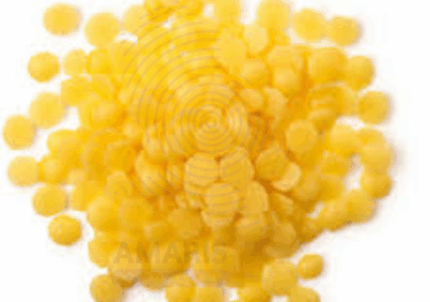
Candelilla Wax is a natural vegetable wax derived from the leaves of the Euphorbia cerifera shrub, native to northern Mexico and the southwestern United States. It appears as a hard, brittle, light yellow to brown wax with a mild, characteristic odor. This wax is valued for its high melting point, gloss-enhancing properties, and excellent binding capabilities. It is widely used in cosmetics, pharmaceuticals, food, and industrial applications as a vegan alternative to beeswax. Its film-forming, emollient, and stabilizing attributes make it a multifunctional ingredient across several industries.
Cetyl Alcohol Flakes
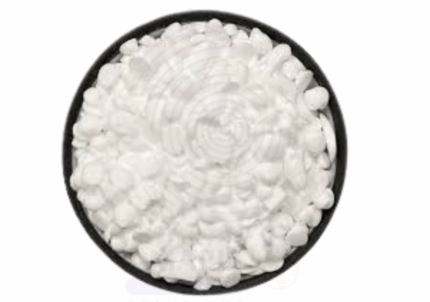
Cetyl Alcohol Flakes is a high-purity fatty alcohol derived mainly from natural sources such as palm oil and coconut oil. Presented as white to off-white waxy flakes, this product contains at least 98% pure cetyl alcohol, ensuring consistent performance and quality. It is valued for its excellent emollient, thickening, and emulsifying properties and is widely used in personal care, pharmaceutical, and industrial formulations. The flake form facilitates easy handling, melting, and dosing in manufacturing processes. Cetyl Alcohol 98% Flakes contributes to the texture, stability, and moisturizing properties of various formulations, providing a non-greasy, smooth finish.

Cetyl Palmitate
Cetyl Palmitate is a naturally derived ester formed by the reaction of cetyl alcohol and palmitic acid. It appears as a white to off-white waxy solid with a mild fatty odor. This compound is widely used in cosmetic, pharmaceutical, and industrial formulations for its emollient, thickening, and texture-enhancing properties. Cetyl Palmitate imparts a smooth, creamy feel to products and contributes to improved stability and consistency in creams, lotions, balms, and ointments. Its film-forming and skin-conditioning attributes make it a preferred ingredient in personal care products as well as in specialty industrial applications.
Cetyl Stearyl Alcohol (CSA)
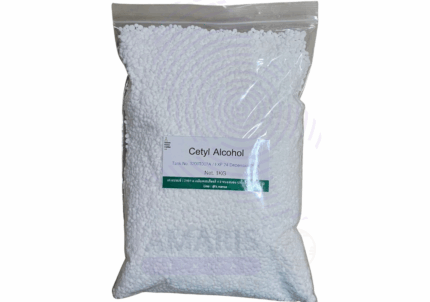
Cetyl Stearyl Alcohol (CSA), also known as Cetearyl Alcohol, is a blended fatty alcohol consisting primarily of cetyl (C16) and stearyl (C18) alcohols. It appears as white to pale yellow waxy flakes or pellets with a mild fatty odor. CSA is widely used in cosmetics, pharmaceuticals, and personal care products as an emollient, thickener, and co-emulsifier. It enhances texture, improves stability, and provides a smooth, velvety skin feel in formulations. Being a non-ionic surfactant, it also aids in stabilizing oil-in-water emulsions and is favored for its gentle nature on the skin and hair.
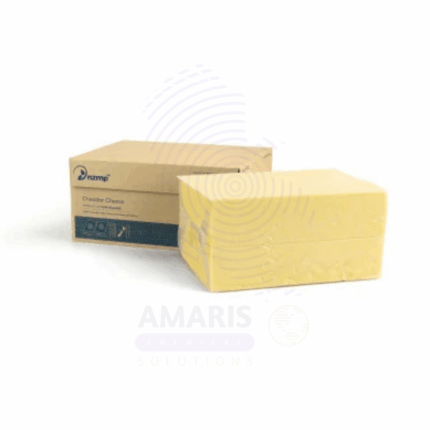
Coffee Butter
Coffee Butter is a natural, plant-derived fat extracted primarily from the coffee seed pulp or coffee cherry, sometimes from the coffee bean itself. It is a creamy, pale yellow to light brown solid at room temperature with a mild coffee aroma. Coffee Butter is rich in fatty acids, antioxidants, and vitamins, making it a valuable ingredient in cosmetics, skincare, and specialty food products. Known for its emollient, moisturizing, and antioxidant properties, Coffee Butter helps to nourish and protect the skin while providing a pleasant sensory experience. It is gaining popularity as a sustainable by-product of coffee processing, contributing to zero-waste initiatives.
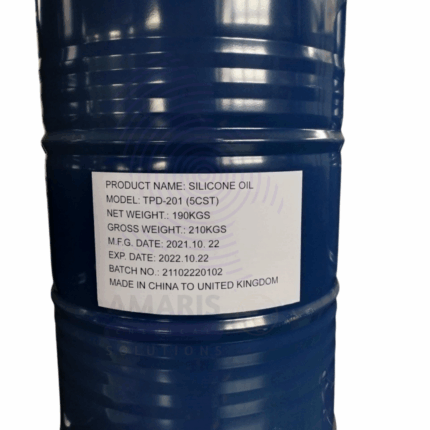
Dimethicone Silicon Oil
Dimethicone Silicon Oil, also known as polydimethylsiloxane (PDMS) or silicone oil, is a clear, odorless, and non-volatile silicone-based polymer widely used for its lubricating, anti-foaming, water-repellent, and skin-conditioning properties. It is a linear silicone polymer composed of repeating dimethylsiloxane units. Dimethicone exhibits excellent thermal stability, chemical inertness, and low surface tension, making it highly versatile in pharmaceutical, cosmetic, personal care, industrial, and food applications. It is available in various viscosities, from very low to high viscosity oils, enabling tailored formulations.
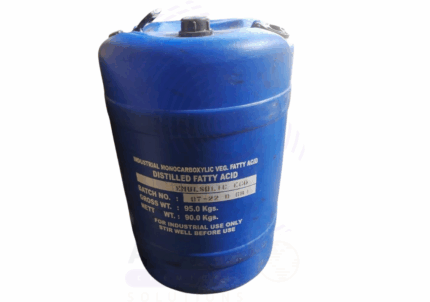
Fatty Acid
Fatty acids are a group of carboxylic acids consisting of long aliphatic chains, which can be either saturated or unsaturated. They are typically derived from natural fats and oils through hydrolysis or saponification and appear as colorless to pale yellow liquids or solids depending on the chain length and degree of saturation. Fatty acids are fundamental building blocks in biochemistry and industrial chemistry, serving as raw materials in the manufacture of soaps, detergents, lubricants, cosmetics, plastics, and food additives. Their amphiphilic nature—containing both hydrophilic (carboxyl group) and hydrophobic (alkyl chain) components—makes them versatile for various chemical and industrial applications.
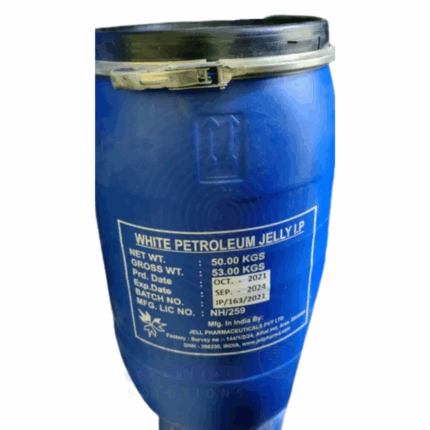
Petroleum Jelly
Petroleum Jelly is a semi-solid mixture of hydrocarbons, originally derived from petroleum refining. It is odorless, colorless (or slightly yellow), and known for its moisturizing, protective, and lubricating properties. Widely used in cosmetics, pharmaceuticals, and industrial applications, Petroleum Jelly forms a barrier on the skin that locks in moisture and protects against irritants. The 175kg packaging is typical for bulk industrial or large-scale cosmetic use.












