

 Preservatives(food)
 Flavors
 Acidulants
 Sweeteners
 Antioxidants
 Colorants(food)
 Nutraceutical Ingredients (food)
 Nutrient Supplements
 Emulsifiers
 Collectors
 Dust Suppressants
 Explosives and Blasting Agents
 Flocculants and Coagulants
 Frothers
 Leaching Agents
 pH Modifiers
 Precious Metal Extraction Agents
 Antioxidants(plastic)
 Colorants (Pigments, Dyes)
 Fillers and Reinforcements
 Flame Retardants
 Monomers
 Plasticizers
 Polymerization Initiators
 Stabilizers (UV, Heat)
 Antifoaming Agents
 Chelating Agents
 Coagulants and Flocculants
 Corrosion Inhibitors
 Disinfectants and Biocides
 Oxidizing Agents
 pH Adjusters
 Scale Inhibitors( water)
 Antioxidants(cosmetic)
 Emollients
 Oils
Oils Carrier Oills
 Essential Oils
 Humectants
 Preservatives
 Surfactants(cosmetic)
 Thickeners
 UV Filters
 Fragrance (Cosmetics)
 Fertilizers
 Soil Conditioners
 Plant Growth Regulators
 Animal Feed Additives
 Biostimulants
 Pesticides (Herbicides, Insecticides, Fungicides)
 Active Pharmaceutical Ingredients (APIs)
 Excipients
 Solvents(pharmaceutical)
 Antibiotics
 Antiseptics and Disinfectants
 Vaccine Adjuvants
 Nutraceutical Ingredients (pharmaceutical)
 Analgesics & Antipyretics
 Analytical Reagents
 Solvents(lab)
 Chromatography Chemicals
 Spectroscopy Reagents
 microbiology-and-cell-culture-reagents
 Molecular Biology Reagents
 Biochemical Reagents
 Inorganic and Organic Standards
 Laboratory Safety Chemicals
 Specialty Laboratory Chemicals(Special Laboratory Equipment)
 Demulsifiers
 Hydraulic Fracturing Fluids
 Scale Inhibitors(oil)
 Surfactants(oil)
 Drilling Fluids
 Dyes and Pigments
 Bleaching Agents
 Softening Agents
 Finishing Agents
 Antistatic Agents
 Admixtures
 Waterproofing Agents
 Sealants and Adhesives
 Curing Compounds
 Concrete Repair Chemicals
 Anti-Corrosion Coatings
 Surfactants(cleaning)
 Builders
 Enzymes
 Solvents (Cleaning)
 Electronic Chemicals
 Catalysts
 Lubricants
 Photographic Chemicals
 Refrigerants
 Automotive chemicals
 Pyrotechnic Chemicals
 Biodegradable Surfactants
 Bio-based Solvents
 Renewable Polymers
 Carbon Capture Chemicals
 Wastewater Treatment Chemicals
 Pigments
 Solvents(paint)
 Specialty Coatings
 Binders/Resins
 Additives
 Driers
 Anti-Corrosion Agents
 Functional Coatings
 Application-Specific Coatings
 Leavening Agents
 Dough Conditioners
 Flour Treatments
 Fat Replacers
 Decoratives
 Preservatives(baking)
 Plasticizers & Softeners
 Reinforcing Agents
 Adhesion Promoters
 Vulcanizing Agents
 Antidegradants
 Blowing Agents
 Fillers & Extenders
 Accelerators & Retarders
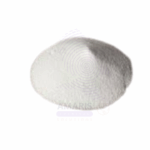
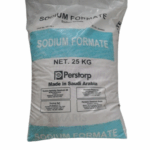

Sodium Formate Food Grade
Original price was: $ 3.09.$ 2.94Current price is: $ 2.94.
Sodium Formate Food Grade is the sodium salt of formic acid, typically available as a white crystalline powder or granules. It is widely used in various industrial applications due to its properties as a buffering agent, de-icing agent, and reducing agent. Sodium Formate is valued for its effectiveness in textile dyeing, leather tanning, and as a corrosion inhibitor in oil and gas drilling fluids.
Sodium Formate Food Grade
Primary Uses
- Textile Industry
- Used as a buffering agent and dye fixative in textile dyeing processes to improve color fastness.
- Acts as a neutralizer and pH regulator during fabric treatment.
- Leather Industry
- Employed in tanning processes to stabilize pH and enhance tanning efficiency.
- Functions as a pickling agent to improve leather quality.
- Oil & Gas Industry
- Utilized as a component in drilling fluids and completion fluids to reduce corrosion and control fluid properties.
- Acts as a scale inhibitor and lubricant additive.
- De-icing and Anti-icing Agent
- Used as an environmentally friendly alternative to traditional salts for de-icing roads and airport runways.
- Less corrosive and less harmful to vegetation compared to chloride salts.
Secondary Uses
- Chemical Synthesis
- Serves as a reducing agent in organic and inorganic chemical reactions.
- Used in the production of formic acid and other chemicals.
- Food Industry
- Employed as a food additive (E237) with preservative and acidity-regulating properties (subject to regulatory approval).
1. Basic Identification Attributes
- Chemical Name (IUPAC): Sodium formate
- Common/Trade Name: Sodium Formate
- CAS Number: 141-53-7
- HS Code: 2915.49
- Synonyms: Formic acid sodium salt
2. Physical & Chemical Properties
- Physical State: Solid (powder or granules)
- Color & Odor: White; odorless or slight vinegar-like odor
- Solubility: Highly soluble in water
- pH: Alkaline (around 8-9 in aqueous solution)
- Density: Approx. 1.6 g/cm³
3. Safety & Hazard Attributes
- GHS Classification: Not classified as hazardous under most regulations; may cause mild irritation
- Toxicity: Low toxicity; handle with normal precautions
- Exposure Limits: Follow industrial hygiene guidelines
4. Storage & Handling Attributes
- Storage Conditions: Store in a cool, dry, well-ventilated area away from moisture and incompatible substances such as strong acids
- Container Type: Supplied in sealed plastic or woven polypropylene bags (25kg)
- Shelf Life: Stable under recommended storage conditions
- Handling Precautions: Use gloves and dust mask if handling powder to avoid irritation
- Storage Measures: Keep containers tightly closed and stored in a dry environment
5. Regulatory & Compliance Attributes
- Complies with chemical safety regulations for industrial use
- Approved in certain jurisdictions for limited food additive use (check local regulations)
6. Environmental & Health Impact
- Biodegradability: Readily biodegradable
- Ecotoxicity: Low aquatic toxicity but avoid large discharges into waterways
- Bioaccumulation: Not expected
Safety Handling Precautions
- PPE Required: Gloves, goggles, dust mask recommended during handling
- Handling Guidelines: Avoid inhalation of dust; prevent skin and eye contact; use in well-ventilated areas
- Storage Measures: Store separately from acids and oxidizing agents
First Aid Measures
- Inhalation: Move to fresh air; seek medical attention if irritation occurs
- Skin Contact: Wash thoroughly with soap and water; seek medical advice if irritation persists
- Eye Contact: Rinse immediately with water for 15 minutes; get medical attention if irritation continues
- Ingestion: Rinse mouth; do not induce vomiting; seek medical help if discomfort occurs
Firefighting Measures
- Fire Hazards: Non-flammable and non-combustible
- Extinguishing Media: Use water spray, foam, dry chemical, or CO₂ for surrounding fire
- Special Precautions: Use protective equipment when fighting fire
- Hazardous Combustion Products: None known
Related products

Blueberry Toppings
Blueberry Toppings are sweet, fruit-based condiment preparations made primarily from blueberries, sugar, and thickening agents. They are characterized by a vibrant blue-purple color, fruity aroma, and a sweet-tart flavor profile. Typically semi-viscous with chunks or pureed pieces of blueberry, these toppings are used as finishing ingredients in desserts, breakfast foods, and beverages. Blueberry toppings may be prepared as preserves, syrups, or glazes and often contain natural flavors and preservatives to enhance shelf life and sensory appeal.
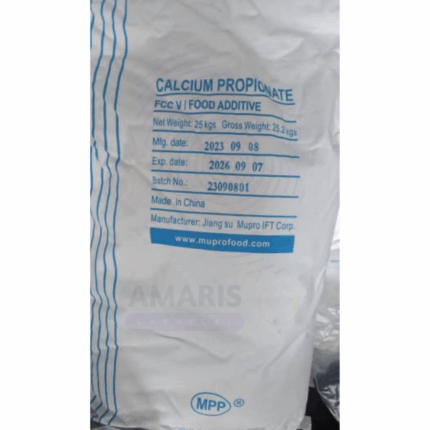
Calcium Propionate
Calcium Propionate is the calcium salt of propionic acid, appearing as a white, crystalline powder or granules with a slightly salty taste and low odor. It is highly soluble in water and used primarily as a food preservative and mold inhibitor. Calcium Propionate inhibits the growth of mold, bacteria, and fungi, making it especially valuable in baked goods, dairy products, and animal feed to extend shelf life and prevent spoilage. It also finds application in pharmaceuticals and cosmetics as a preservative and antimicrobial agent.
Cetirizine Dihydrochloride
Cetirizine Dihydrochloride is a second-generation antihistamine widely used to relieve allergy symptoms such as hay fever, urticaria (hives), and other allergic conditions. It is the dihydrochloride salt form of cetirizine, presenting as a white to off-white crystalline powder that is odorless or nearly odorless and slightly bitter in taste. Cetirizine Dihydrochloride acts as a selective antagonist of peripheral H1 histamine receptors, preventing the effects of histamine and thereby reducing allergic symptoms without causing significant sedation. It is a commonly prescribed active pharmaceutical ingredient (API) in oral tablets, syrups, and capsules.
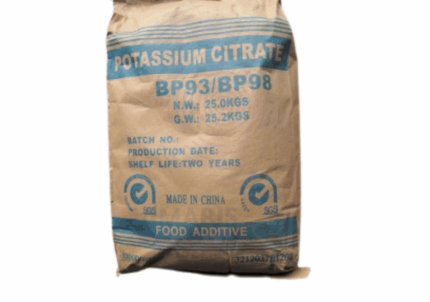
Potassium Citrate
Potassium Citrate is a potassium salt of citric acid, appearing as a white, crystalline, water-soluble powder. It is widely used in food, pharmaceutical, agricultural, and industrial applications due to its buffering, alkalizing, and sequestrant properties. Potassium Citrate helps regulate acidity and provides potassium ions critical for various biochemical and physiological functions.

Potassium Sorbate FCC
Potassium Sorbate FCC (Food Chemical Codex) is the potassium salt of sorbic acid, a white crystalline powder widely used as a food preservative. It effectively inhibits the growth of molds, yeasts, and some bacteria, thus extending the shelf life of various food and beverage products. Known for its low toxicity and minimal impact on flavor, Potassium Sorbate is a preferred preservative in food, cosmetics, and pharmaceutical industries.
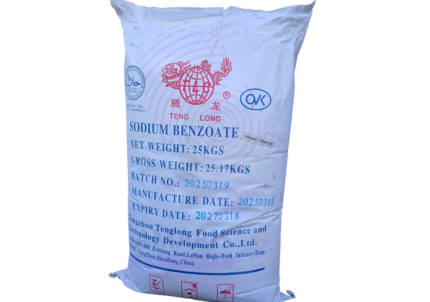
Sodium Benzoate
Sodium Benzoate is the sodium salt of benzoic acid, appearing as a white, crystalline powder that is highly soluble in water. It is widely used as a preservative due to its antimicrobial properties, especially effective against yeast and bacteria in acidic conditions. Sodium Benzoate is commonly employed in the food, beverage, pharmaceutical, and cosmetic industries to extend shelf life and maintain product quality. It meets food-grade and pharmaceutical-grade purity standards, ensuring safety for consumption and topical use.
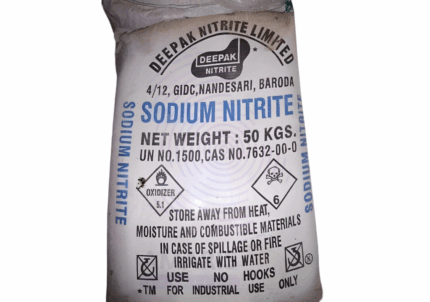
Sodium Nitrite
Sodium Nitrite is an inorganic white to slightly yellowish crystalline powder with the chemical formula NaNO₂. This versatile chemical serves as a powerful reducing agent, corrosion inhibitor, and food preservative, widely used in meat curing, pharmaceutical synthesis, and industrial applications. Its oxidative properties make it valuable for dye manufacturing and rubber processing while requiring careful handling due to its toxicity.

Sodium Sulphite (Blue)
Sodium Sulphite Blue is a white to bluish-white crystalline powder with the chemical formula Na₂SO₃. The “Blue” grade indicates a specific industrial quality often containing minor additives or impurities, used primarily in water treatment and chemical industries. It acts as an effective oxygen scavenger, reducing agent, and preservative. This 25kg packaged product is highly soluble in water, forming alkaline solutions, and is widely used in pulp and paper, water treatment, textile, and photographic industries.












