

 Preservatives(food)
 Flavors
 Acidulants
 Sweeteners
 Antioxidants
 Colorants(food)
 Nutraceutical Ingredients (food)
 Nutrient Supplements
 Emulsifiers
 Collectors
 Dust Suppressants
 Explosives and Blasting Agents
 Flocculants and Coagulants
 Frothers
 Leaching Agents
 pH Modifiers
 Precious Metal Extraction Agents
 Antioxidants(plastic)
 Colorants (Pigments, Dyes)
 Fillers and Reinforcements
 Flame Retardants
 Monomers
 Plasticizers
 Polymerization Initiators
 Stabilizers (UV, Heat)
 Antifoaming Agents
 Chelating Agents
 Coagulants and Flocculants
 Corrosion Inhibitors
 Disinfectants and Biocides
 Oxidizing Agents
 pH Adjusters
 Scale Inhibitors( water)
 Antioxidants(cosmetic)
 Emollients
 Oils
Oils Carrier Oills
 Essential Oils
 Humectants
 Preservatives
 Surfactants(cosmetic)
 Thickeners
 UV Filters
 Fertilizers
 Soil Conditioners
 Plant Growth Regulators
 Animal Feed Additives
 Biostimulants
 Pesticides (Herbicides, Insecticides, Fungicides)
 Active Pharmaceutical Ingredients (APIs)
 Excipients
 Solvents(pharmaceutical)
 Antibiotics
 Antiseptics and Disinfectants
 Vaccine Adjuvants
 Nutraceutical Ingredients (pharmaceutical)
 Analgesics & Antipyretics
 Analytical Reagents
 Solvents(lab)
 Chromatography Chemicals
 Spectroscopy Reagents
 microbiology-and-cell-culture-reagents
 Molecular Biology Reagents
 Biochemical Reagents
 Inorganic and Organic Standards
 Laboratory Safety Chemicals
 Specialty Laboratory Chemicals(Special Laboratory Equipment)
 Demulsifiers
 Hydraulic Fracturing Fluids
 Scale Inhibitors(oil)
 Surfactants(oil)
 Drilling Fluids
 Dyes and Pigments
 Bleaching Agents
 Softening Agents
 Finishing Agents
 Antistatic Agents
 Admixtures
 Waterproofing Agents
 Sealants and Adhesives
 Curing Compounds
 Concrete Repair Chemicals
 Anti-Corrosion Coatings
 Surfactants(cleaning)
 Builders
 Enzymes
 Solvents (Cleaning)
 Fragrances (Cleaning)
 Electronic Chemicals
 Catalysts
 Lubricants
 Photographic Chemicals
 Refrigerants
 Automotive chemicals
 Pyrotechnic Chemicals
 Biodegradable Surfactants
 Bio-based Solvents
 Renewable Polymers
 Carbon Capture Chemicals
 Wastewater Treatment Chemicals
 Pigments
 Solvents(paint)
 Specialty Coatings
 Binders/Resins
 Additives
 Driers
 Anti-Corrosion Agents
 Functional Coatings
 Application-Specific Coatings
 Leavening Agents
 Dough Conditioners
 Flour Treatments
 Fat Replacers
 Decoratives
 Preservatives(baking)
 Plasticizers & Softeners
 Reinforcing Agents
 Adhesion Promoters
 Vulcanizing Agents
 Antidegradants
 Blowing Agents
 Fillers & Extenders
 Accelerators & Retarders

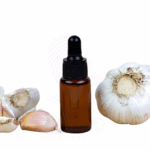
Flaxseed Oil
Flaxseed Oil, also known as Linseed Oil, is a cold-pressed oil extracted from the seeds of the Linum usitatissimum plant. Renowned for its high content of omega-3 fatty acids (particularly alpha-linolenic acid), it is widely valued for its nutritional, cosmetic, and therapeutic benefits. The oil has a light golden color and a mild, nutty aroma. It is commonly used in dietary supplements, skincare formulations, and industrial applications. Due to its drying properties, flaxseed oil also finds use in paints and varnishes.
Flaxseed Oil
Primary Uses
- Cosmetics and Personal Care
- Incorporated in skincare products for moisturizing, anti-inflammatory, and antioxidant effects
- Used in hair care formulations to improve hair strength and shine
- Included in massage oils and natural remedies for skin nourishment
- Pharmaceuticals
- Used as a dietary supplement rich in essential fatty acids for cardiovascular and joint health
- Formulated in nutraceutical capsules and functional foods for omega-3 enrichment
- Food and Beverage
- Added as a nutritional oil in salad dressings, smoothies, and fortified foods
- Used in health food products to improve nutritional profiles
- Industrial Applications
- Employed as a drying oil in paints, varnishes, and wood treatments
Secondary Uses
- Cleaning and Detergent Products
- Occasionally used in natural soaps and cleaners for skin-conditioning properties
1. Basic Identification Attributes
- Botanical Name: Linum usitatissimum
- Common/Trade Name: Flaxseed Oil / Linseed Oil
- INCI Name: Linum Usitatissimum (Linseed) Seed Oil
- CAS Number: 8001-26-1
- HS Code: 1512.19
2. Physical & Chemical Properties
- Physical State: Viscous liquid
- Color & Odor: Pale yellow; mild nutty aroma
- Solubility: Insoluble in water; soluble in alcohol and oils
- Specific Gravity: 0.930 – 0.940
- Acid Value: 0.5 – 4.0 mg KOH/g
- Iodine Value: 170 – 205 (indicates drying property)
3. Safety & Hazard Attributes
- GHS Classification: Generally regarded as safe; low hazard
- Toxicity: Non-toxic under normal use; avoid ingestion of oxidized or rancid oil
- Allergen Information: Rarely allergenic; patch test recommended for sensitive skin
- Storage & Handling: Store in a cool, dark place to prevent oxidation
4. Storage & Handling Attributes
- Storage Conditions: Keep in airtight containers away from heat and light
- Container Type: Amber glass bottles or food-grade plastic containers
- Shelf Life: 6-12 months under proper storage
- Handling Precautions: Use antioxidants or refrigeration to extend shelf life
5. Regulatory & Compliance Attributes
- Complies with food safety standards for edible oils
- Approved for cosmetic and pharmaceutical use under relevant regulations
- Produced in GMP-compliant facilities
6. Environmental & Health Impact
- Biodegradability: Biodegradable and environmentally friendly
- Ecotoxicity: Low; no known adverse environmental effects
- Bioaccumulation: Not expected
Safety Handling Precautions
- PPE Required: Standard gloves when handling bulk
- Handling Guidelines: Avoid prolonged skin contact with oxidized oil
First Aid Measures
- Inhalation: Not applicable; low volatility
- Skin Contact: Wash with soap and water if irritation occurs
- Eye Contact: Rinse with water if contact occurs
- Ingestion: Generally safe; seek medical advice if large quantities ingested
Firefighting Measures
- Fire Hazards: Combustible at high temperatures
- Extinguishing Media: Foam, dry chemical, CO₂
- Special Precautions: Avoid oil-soaked rags to prevent spontaneous combustion
- Hazardous Combustion Products: Carbon oxides
Related products
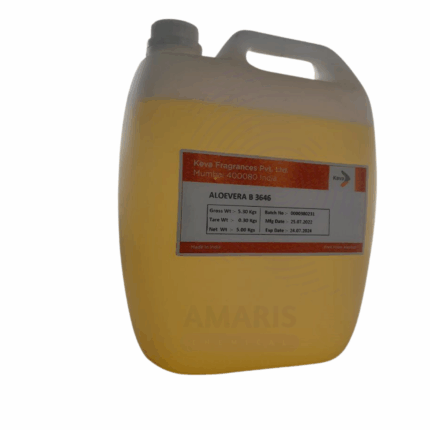
Aloe Vera Fragrance Oil
Aloe Vera Fragrance Oil is a synthetic fragrance blend that captures the fresh, clean, and soothing aroma of natural aloe vera. It is widely used to enhance the sensory appeal of cosmetic, personal care, and household products. The oil is concentrated, stable, and compatible with various formulations such as lotions, creams, soaps, and air fresheners, providing a calming and revitalizing fragrance experience.
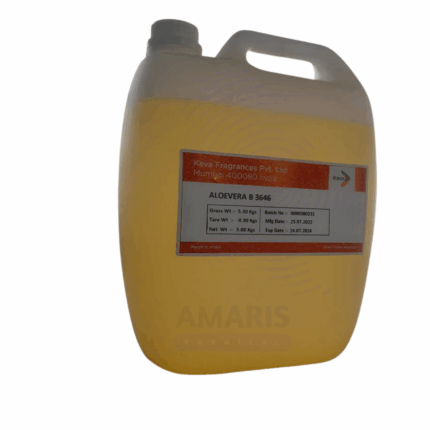
Aloe Vera Water Soluble Fragrance
Aloe Vera Water Soluble Fragrance is a gentle, refreshing aromatic compound designed to replicate the clean, green scent of aloe vera while offering excellent solubility in water-based formulations. It is ideal for use in cosmetic, personal care, household, and industrial applications where a subtle, calming, and naturally-inspired fragrance is desired. This fragrance oil is specifically formulated to maintain clarity and uniformity in water-based systems, ensuring a consistent scent release and superior performance in both rinse-off and leave-on products.
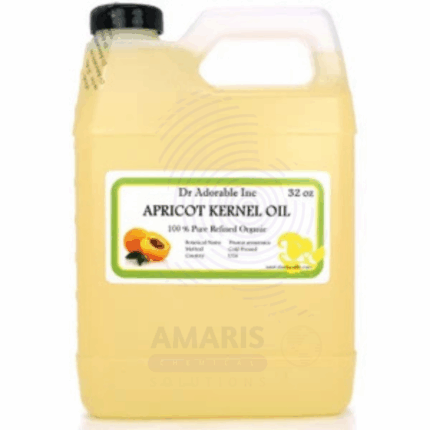
Apricot Fragrance Oil
Apricot Fragrance Oil is a concentrated synthetic blend designed to replicate the sweet, mellow, and slightly tangy scent of fresh apricots. This versatile fragrance oil is widely used in the cosmetic, personal care, and home care industries for its comforting and fruity aroma. It offers excellent scent retention and formulation compatibility across oil- and alcohol-based systems. With its warm, inviting character, Apricot Fragrance Oil enhances the sensory experience in a wide variety of end products, from skin care to environmental fragrance.

Camphor White Oil
Camphor White Oil is a steam-distilled essential oil obtained from the wood of the Camphor tree (Cinnamomum camphora), primarily from the white fraction, which is rich in 1,8-cineole, camphor, and linalool. This fraction is the most commonly used in aromatherapy and topical preparations due to its potent but relatively balanced composition compared to brown or yellow fractions. The oil has a sharp, penetrating aroma with a cooling, medicinal character.
Traditionally used in topical pain relief, respiratory care, and soothing balms, Camphor White Oil is known for its anti-inflammatory, decongestant, antiseptic, and stimulating effects. It is widely used in cosmetics, personal care, pharmaceuticals, and aromatherapy formulations.
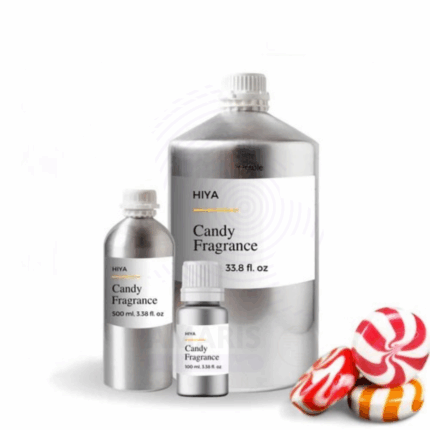
Candy Crush Fragrance Oil
Candy Crush Fragrance Oil is a sweet, gourmand fragrance that captures the irresistible aroma of sugary candy with hints of fruitiness and vanilla undertones. This oil-soluble fragrance is crafted to provide a warm, inviting scent that enhances various personal care and cosmetic products. Known for its excellent stability and strong sillage, Candu Crush is ideal for use in products where a rich, sweet aroma is desired, such as candles, lotions, soaps, and bath essentials.

cinnamon Bark Oil
Cinnamon Bark Oil is a potent essential oil obtained by steam distillation of the inner bark of the Cinnamomum verum (also known as Cinnamomum zeylanicum) tree, native to Sri Lanka and parts of Southeast Asia. This oil possesses a warm, spicy, and sweet aroma with a rich, woody undertone, and is prized for its high cinnamaldehyde content.
Renowned for its strong antimicrobial, antifungal, and antioxidant properties, Cinnamon Bark Oil has been used traditionally in natural medicine, culinary applications, and perfumery. It is frequently found in formulations aimed at immune support, pain relief, and emotional stimulation. In modern industries, it serves as a natural flavoring agent, a powerful aromatherapeutic component, and a natural preservative in cosmetics and personal care.

Cinnamon Leaf Oil
Cinnamon Leaf Oil is an essential oil obtained by steam distillation of the leaves of the Cinnamomum zeylanicum or Cinnamomum verum tree. It has a warm, spicy, and slightly sweet aroma, distinct from cinnamon bark oil, with high levels of eugenol. This oil is prized for its antimicrobial, antioxidant, and analgesic properties. It is widely used in perfumery, aromatherapy, personal care, and natural medicine.
Used traditionally for respiratory relief, oral health, and topical analgesia, cinnamon leaf oil is now integrated into natural formulations for skincare, oral hygiene, massage, and household cleaning products. Its invigorating scent and therapeutic versatility make it valuable across cosmetic, pharmaceutical, and cleaning industries.
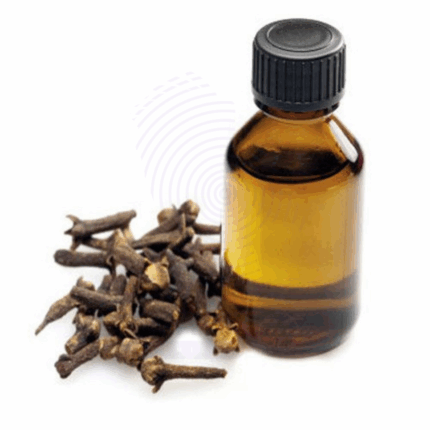
Clove Bud Oil
Clove Bud Oil is a potent essential oil obtained through steam distillation of the flower buds of the Syzygium aromaticum (formerly Eugenia caryophyllata) tree. Renowned for its strong, spicy, and warm aroma, it is rich in eugenol — a powerful natural compound with significant antiseptic, analgesic, and antimicrobial properties.
Used historically in dental care, traditional medicine, and perfumery, Clove Bud Oil is now widely applied in cosmetics, oral care, food flavoring, wellness, and natural cleaning products. It is also valued in aromatherapy for its grounding and energizing effects.












