Preservatives(food)
 Flavors
 Acidulants
 Sweeteners
 Antioxidants
 Colorants(food)
 Nutraceutical Ingredients (food)
 Nutrient Supplements
 Emulsifiers
 Collectors
 Dust Suppressants
 Explosives and Blasting Agents
 Flocculants and Coagulants
 Frothers
 Leaching Agents
 pH Modifiers
 Precious Metal Extraction Agents
 Antioxidants(plastic)
 Colorants (Pigments, Dyes)
 Fillers and Reinforcements
 Flame Retardants
 Monomers
 Plasticizers
 Polymerization Initiators
 Stabilizers (UV, Heat)
 Antifoaming Agents
 Chelating Agents
 Coagulants and Flocculants
 Corrosion Inhibitors
 Disinfectants and Biocides
 Oxidizing Agents
 pH Adjusters
 Scale Inhibitors( water)
 Antioxidants(cosmetic)
 Emollients
 Oils
Oils Carrier Oills
 Essential Oils
 Humectants
 Preservatives
 Surfactants(cosmetic)
 Thickeners
 UV Filters
 Fertilizers
 Soil Conditioners
 Plant Growth Regulators
 Animal Feed Additives
 Biostimulants
 Pesticides (Herbicides, Insecticides, Fungicides)
 Active Pharmaceutical Ingredients (APIs)
 Excipients
 Solvents(pharmaceutical)
 Antibiotics
 Antiseptics and Disinfectants
 Vaccine Adjuvants
 Nutraceutical Ingredients (pharmaceutical)
 Analgesics & Antipyretics
 Analytical Reagents
 Solvents(lab)
 Chromatography Chemicals
 Spectroscopy Reagents
 microbiology-and-cell-culture-reagents
 Molecular Biology Reagents
 Biochemical Reagents
 Inorganic and Organic Standards
 Laboratory Safety Chemicals
 Specialty Laboratory Chemicals(Special Laboratory Equipment)
 Demulsifiers
 Hydraulic Fracturing Fluids
 Scale Inhibitors(oil)
 Surfactants(oil)
 Drilling Fluids
 Dyes and Pigments
 Bleaching Agents
 Softening Agents
 Finishing Agents
 Antistatic Agents
 Admixtures
 Waterproofing Agents
 Sealants and Adhesives
 Curing Compounds
 Concrete Repair Chemicals
 Anti-Corrosion Coatings
 Surfactants(cleaning)
 Builders
 Enzymes
 Solvents (Cleaning)
 Fragrances (Cleaning)
 Electronic Chemicals
 Catalysts
 Lubricants
 Photographic Chemicals
 Refrigerants
 Automotive chemicals
 Pyrotechnic Chemicals
 Biodegradable Surfactants
 Bio-based Solvents
 Renewable Polymers
 Carbon Capture Chemicals
 Wastewater Treatment Chemicals
 Pigments
 Solvents(paint)
 Specialty Coatings
 Binders/Resins
 Additives
 Driers
 Anti-Corrosion Agents
 Functional Coatings
 Application-Specific Coatings
 Leavening Agents
 Dough Conditioners
 Flour Treatments
 Fat Replacers
 Decoratives
 Preservatives(baking)
 Plasticizers & Softeners
 Reinforcing Agents
 Adhesion Promoters
 Vulcanizing Agents
 Antidegradants
 Blowing Agents
 Fillers & Extenders
 Accelerators & Retarders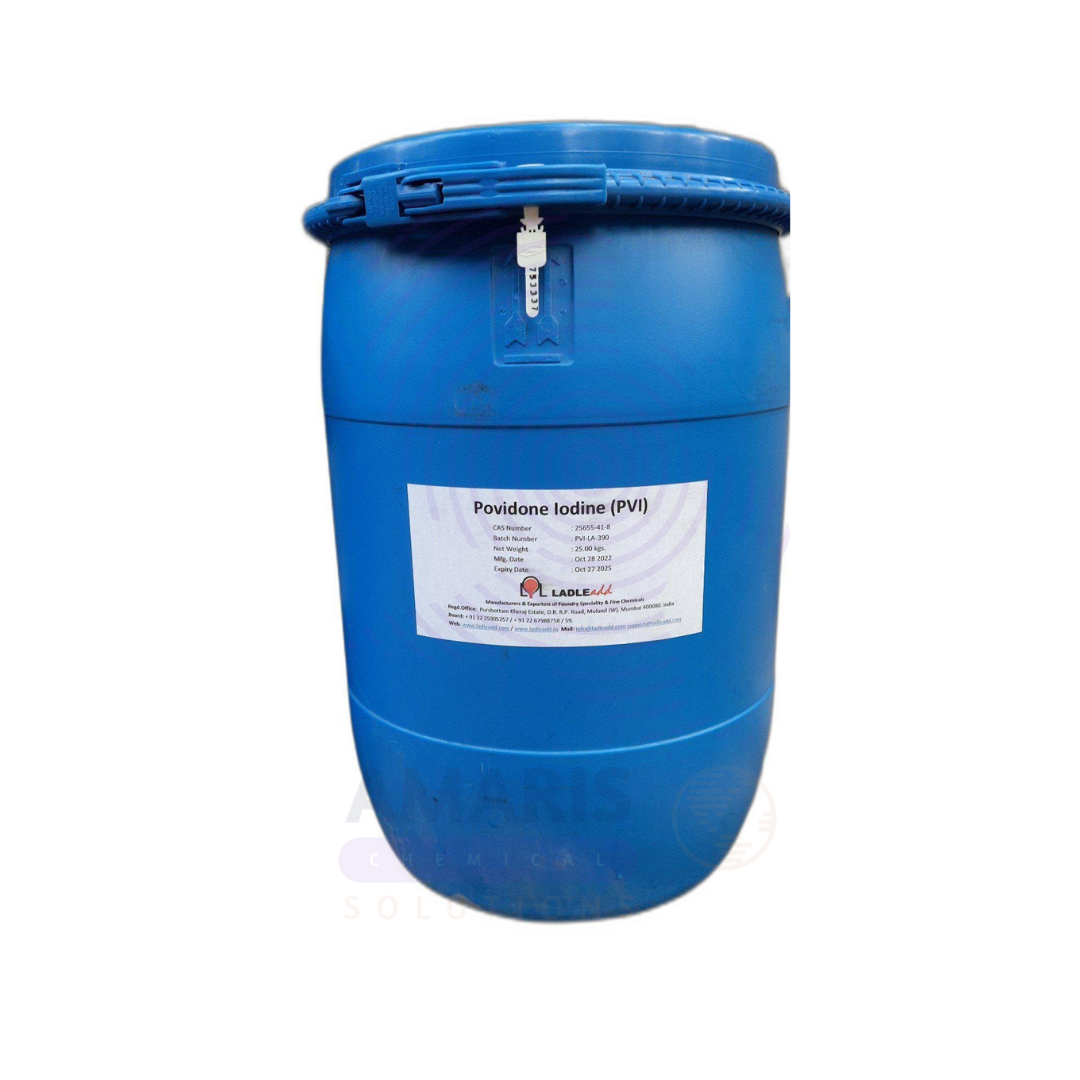
![Powder Sodium Mono Fluoro Phosphate [Na2PO3F] Amaris Chemicals](https://amarischemicalsolutions.com/wp-content/uploads/2025/09/Powder-Sodium-Mono-Fluoro-Phosphate-Na2PO3F-Amaris-Chemicals-150x150.png)


Povidone Iodide BP
Povidone Iodide BP is a water-soluble complex of iodine with the synthetic polymer polyvinylpyrrolidone (PVP). It acts as a broad-spectrum antiseptic effective against bacteria, fungi, viruses, and protozoa. Widely used in medical, pharmaceutical, and veterinary fields, Povidone Iodine provides sustained iodine release, minimizing irritation while offering rapid antimicrobial action. It is essential for wound care, surgical preparation, and infection control.
Povidone Iodide BP
Primary Uses
- Medical and Healthcare
- Used as a topical antiseptic for skin disinfection before and after surgery.
- Applied to minor wounds, cuts, and burns to prevent infection.
- Used in surgical scrubs and hand washes for healthcare personnel.
- Employed in mouthwashes and throat gargles for oral antisepsis.
- Veterinary Medicine
- Used for wound care and infection prevention in animals.
- Applied to surgical sites and during animal handling procedures.
- Pharmaceuticals
- Incorporated in antiseptic creams, ointments, and solutions for infection control.
Secondary Uses
- Water Treatment
- Used in low concentrations for water disinfection in emergency situations.
- Laboratory Use
- Employed as an antimicrobial agent in microbiological and histological preparations.
- Cosmetics
- Occasionally used in antiseptic skincare formulations.
1. Basic Identification Attributes
- Chemical Name (IUPAC): Povidone-iodine complex
- Common/Trade Name: Povidone Iodine BP
- CAS Number: 25655-41-8
- HS Code: 3004.90
- Synonyms: PVP-Iodine; Betadine (brand name)
2. Physical & Chemical Properties
- Physical State: Dark brown solution or ointment
- Color & Odor: Brown with characteristic iodine odor
- Solubility: Soluble in water
- pH: Typically 2.0 – 4.5 (aqueous solutions)
- Density: ~1.1 g/cm³ (solution)
- Stability: Stable under normal conditions; sensitive to light
3. Safety & Hazard Attributes
- GHS Classification: May cause skin and eye irritation; harmful if swallowed
- Toxicity: Low systemic toxicity when used topically; iodine sensitivity possible
- Exposure Limits: Avoid prolonged exposure; use gloves and eye protection
4. Storage & Handling Attributes
- Storage Conditions: Store in tightly closed containers away from light and heat
- Container Type: Plastic or glass bottles, tubes, or dispensers
- Shelf Life: Typically 2–3 years if stored properly
- Handling Precautions: Use gloves; avoid contact with eyes and mucous membranes
5. Regulatory & Compliance Attributes
- Complies with BP (British Pharmacopoeia) standards
- Approved for medical and pharmaceutical use worldwide
6. Environmental & Health Impact
- Biodegradability: Polyvinylpyrrolidone is biodegradable; iodine released degrades to iodide ions
- Ecotoxicity: Low environmental impact when used as directed
- Bioaccumulation: Not significant
Safety Handling Precautions
- PPE Required: Gloves and eye protection recommended
- Handling Guidelines: Avoid direct contact with skin and eyes; handle in well-ventilated areas
- Storage Measures: Keep container tightly closed and protected from light
First Aid Measures
- Inhalation: Move to fresh air; seek medical attention if respiratory irritation occurs
- Skin Contact: Wash thoroughly with water; seek medical advice if irritation develops
- Eye Contact: Rinse immediately with plenty of water for at least 15 minutes; seek urgent medical attention
- Ingestion: Rinse mouth; do not induce vomiting; seek medical help promptly
Firefighting Measures
- Fire Hazards: Non-flammable
- Extinguishing Media: Use water spray, foam, dry chemical, or CO₂
- Special Precautions: None specific to povidone iodine
- Hazardous Combustion Products: May release iodine vapors under fire conditions
Related products
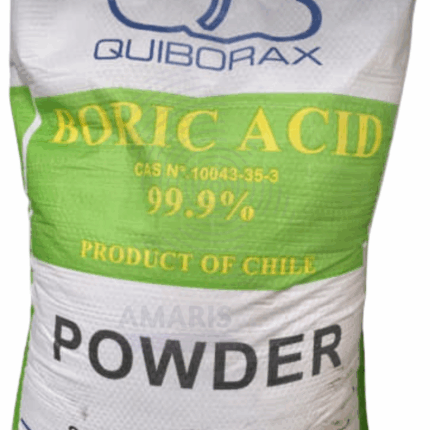
Boric Acid
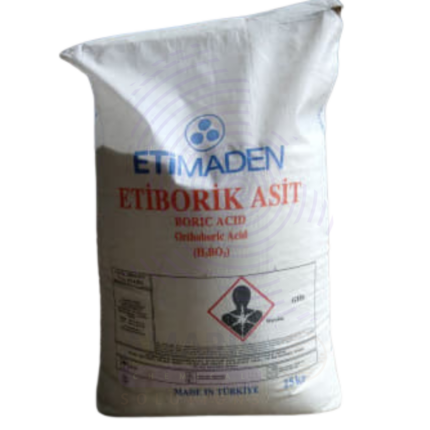
Boric Acid, chemically known as hydrogen borate or boracic acid, is a weak, monobasic Lewis acid of boron. It appears as a white, crystalline powder or granules that are odorless and slightly soluble in water. Boric Acid is commonly used in antiseptics, insecticides, flame retardants, and as a buffering agent in various industrial and pharmaceutical applications. Due to its mild antiseptic and antifungal properties, it is often used in ophthalmic, dermatologic, and other personal care formulations. It also plays a key role in glass and ceramics manufacturing as well as in agriculture.
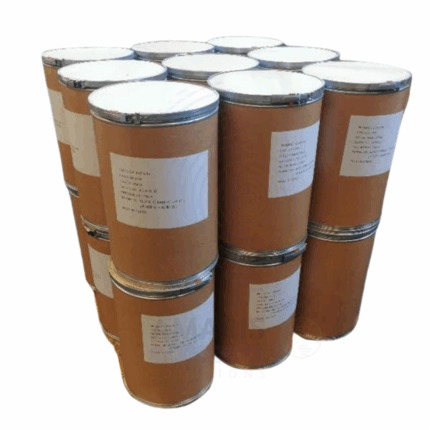
Chlorobutanol BP
Chlorobutanol BP (also known as 1,1,1-Trichloro-2-methyl-2-propanol) is a white crystalline solid or powder, with a slight camphor-like odor and a bitter taste. It is a multifunctional preservative, anesthetic, and antimicrobial agent commonly used in pharmaceutical, cosmetic, and personal care products. Chlorobutanol exhibits bacteriostatic and fungistatic properties, making it effective in preventing microbial contamination in aqueous formulations. It also possesses mild local anesthetic effects, frequently used in ophthalmic and injectable preparations as a preservative and stabilizer.
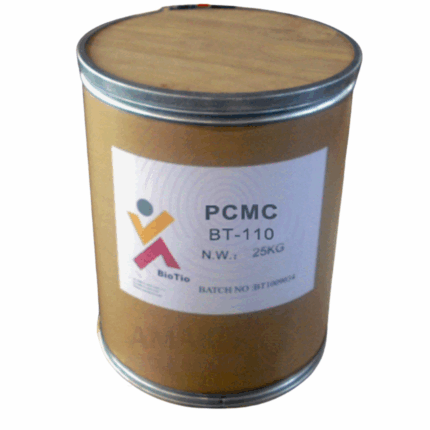
Chlorocresol BP
Chlorocresol BP, also known as PCMC (Para-Chlorometa-Cresol), is a white to off-white crystalline powder with a characteristic phenolic odor. It is a chlorinated phenol derivative widely used as a broad-spectrum antimicrobial preservative. It exhibits effective bactericidal and fungicidal activity, making it a preferred preservative in pharmaceutical, cosmetic, and personal care products. Chlorocresol is valued for its stability, solubility in aqueous and alcoholic systems, and compatibility with various formulation types. It helps inhibit microbial growth, thereby enhancing product shelf life and safety.
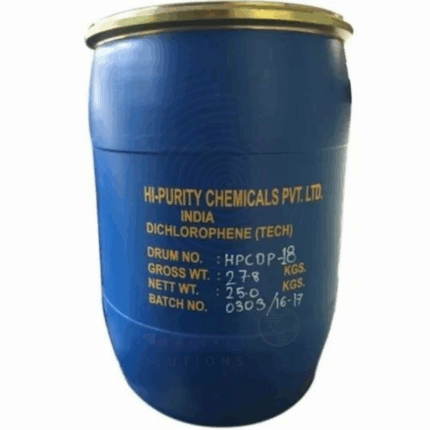
Dichlorophene Technical
Dichlorophene Technical (also known as 2,2'-Methylenebis(4-chlorophenol)) is a chlorinated phenolic compound used primarily as an antimicrobial agent and disinfectant. It appears as a white to pale yellow crystalline powder with a characteristic phenolic odor. Known for its potent bactericidal and fungicidal properties, Dichlorophene is widely used in pharmaceutical formulations, personal care products, and industrial disinfectants. The “Technical” grade refers to its industrial or bulk purity form used as a raw material in manufacturing.
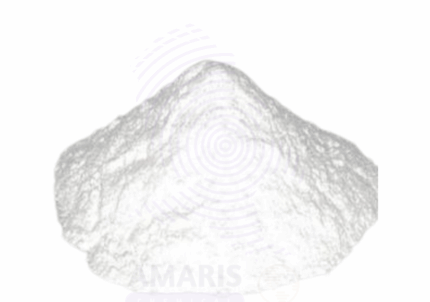
Naphazolin hCL USP
Naphazolin hCL USP (Naphazolin HCL) is a topical sympathomimetic agent commonly used as a nasal decongestant and ophthalmic vasoconstrictor. It is a white to off-white crystalline powder soluble in water and alcohol. Naphazolin HCL works by constricting blood vessels, reducing swelling and redness in mucous membranes and eyes. It is widely used in pharmaceutical formulations such as nasal sprays and eye drops.
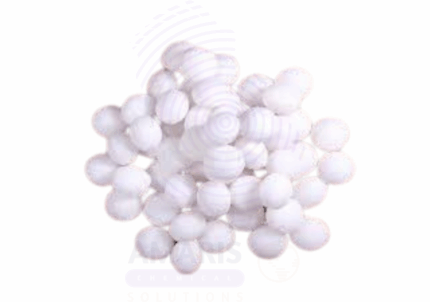
Naphthalene Balls
Napthalene Balls are solid, crystalline balls made primarily of naphthalene, a white, volatile, aromatic hydrocarbon derived from coal tar or petroleum refining. Known for their strong, distinctive odor, naphthalene balls are widely used as moth repellents and deodorizing agents. Due to their sublimation property, they slowly vaporize at room temperature, releasing fumes that are toxic to moths and insects. They find broad applications in household pest control, industrial storage protection, and chemical manufacturing.
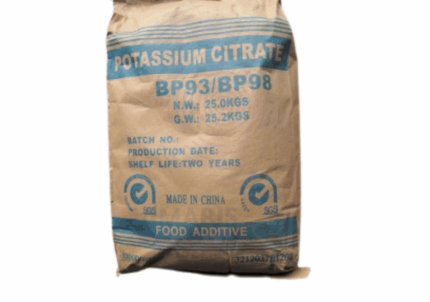
Potassium Citrate
Potassium Citrate is a potassium salt of citric acid, appearing as a white, crystalline, water-soluble powder. It is widely used in food, pharmaceutical, agricultural, and industrial applications due to its buffering, alkalizing, and sequestrant properties. Potassium Citrate helps regulate acidity and provides potassium ions critical for various biochemical and physiological functions.