

 Preservatives(food)
 Flavor Enhancers
 Acidulants
 Sweeteners
 Antioxidants
 Colorants(food)
 Nutraceutical Ingredients (food)
 Nutrient Supplements
 Emulsifiers
 Collectors
 Dust Suppressants
 Explosives and Blasting Agents
 Flocculants and Coagulants
 Frothers
 Leaching Agents
 pH Modifiers
 Precious Metal Extraction Agents
 Antioxidants(plastic)
 Colorants (Pigments, Dyes)
 Fillers and Reinforcements
 Flame Retardants
 Monomers
 Plasticizers
 Polymerization Initiators
 Stabilizers (UV, Heat)
 Antifoaming Agents
 Chelating Agents
 Coagulants and Flocculants
 Corrosion Inhibitors
 Disinfectants and Biocides
 Oxidizing Agents
 pH Adjusters
 Scale Inhibitors( water)
 Antioxidants(cosmetic)
 Emollients
 Fragrances and Essential Oils
 Humectants
 Preservatives
 Surfactants(cosmetic)
 Thickeners
 UV Filters
 Fertilizers
 Soil Conditioners
 Plant Growth Regulators
 Animal Feed Additives
 Biostimulants
 Pesticides (Herbicides, Insecticides, Fungicides)
 Active Pharmaceutical Ingredients (APIs)
 Excipients
 Solvents(pharmaceutical)
 Antibiotics
 Antiseptics and Disinfectants
 Vaccine Adjuvants
 Nutraceutical Ingredients (pharmaceutical)
 Analgesics & Antipyretics
 Analytical Reagents
 Solvents(lab)
 Chromatography Chemicals
 Spectroscopy Reagents
 microbiology-and-cell-culture-reagents
 Molecular Biology Reagents
 Biochemical Reagents
 Inorganic and Organic Standards
 Laboratory Safety Chemicals
 Specialty Laboratory Chemicals(Special Laboratory Equipment)
 Demulsifiers
 Hydraulic Fracturing Fluids
 Scale Inhibitors(oil)
 Surfactants(oil)
 Drilling Fluids
 Dyes and Pigments
 Bleaching Agents
 Softening Agents
 Finishing Agents
 Antistatic Agents
 Admixtures
 Waterproofing Agents
 Sealants and Adhesives
 Curing Compounds
 Concrete Repair Chemicals
 Anti-Corrosion Coatings
 Surfactants(cleaning)
 Builders
 Enzymes
 Solvents (Cleaning)
 Fragrances
 Electronic Chemicals
 Catalysts
 Lubricants
 Photographic Chemicals
 Refrigerants
 Automotive chemicals
 Pyrotechnic Chemicals
 Biodegradable Surfactants
 Bio-based Solvents
 Renewable Polymers
 Carbon Capture Chemicals
 Wastewater Treatment Chemicals
 Pigments
 Solvents(paint)
 Specialty Coatings
 Binders/Resins
 Additives
 Driers
 Anti-Corrosion Agents
 Functional Coatings
 Application-Specific Coatings
 Leavening Agents
 Dough Conditioners
 Flour Treatments
 Fat Replacers
 Decoratives
 Preservatives(baking)
 Plasticizers & Softeners
 Reinforcing Agents
 Adhesion Promoters
 Vulcanizing Agents
 Antidegradants
 Blowing Agents
 Fillers & Extenders
 Accelerators & Retarders


















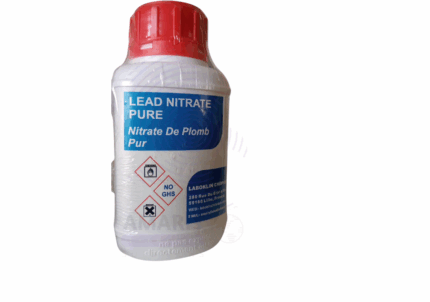
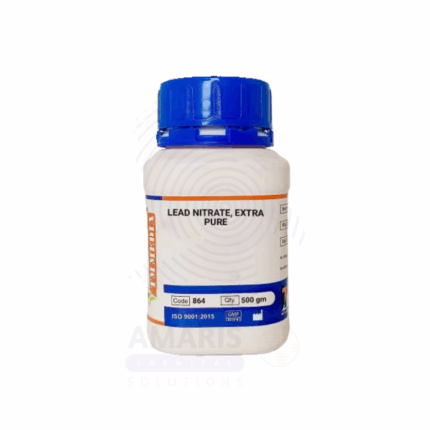
Lead Nitrate Extra Pure
Lead Nitrate Extra Pure is a white crystalline compound (Pb(NO₃)₂) known for its excellent solubility in water and reliable reactivity, making it a key reagent in analytical and industrial chemistry. It is frequently used in laboratory synthesis, qualitative analysis, and in the production of other lead compounds. In pyrotechnics, it's valued for its role as an oxidizing agent, while in metallurgy, it assists in gold leaching and ore processing. Its high purity ensures consistent performance in controlled experiments and manufacturing. Due to its toxic and oxidizing nature, it must be handled with careful PPE protocols and stored securely away from organics or combustible materials.
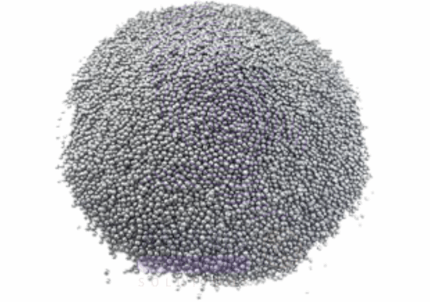
Lead Shot Extra Pure
Lead Shot Extra Pure consists of small, spherical pellets of high-purity lead, typically used in specialized industrial, laboratory, and ballistic applications. In laboratories, it serves as a dense, inert mass ideal for radiation shielding, counterweights, or ball-milling media due to its excellent malleability and high atomic mass. In metallurgy, it can be employed in alloy preparation or as a reducing agent under specific conditions. Its consistent size and purity make it especially useful where uniformity and minimal contamination are critical. Safe handling is essential, as lead is toxic, and prolonged exposure can pose serious health hazards. Proper PPE, ventilation, and disposal methods are mandatory.
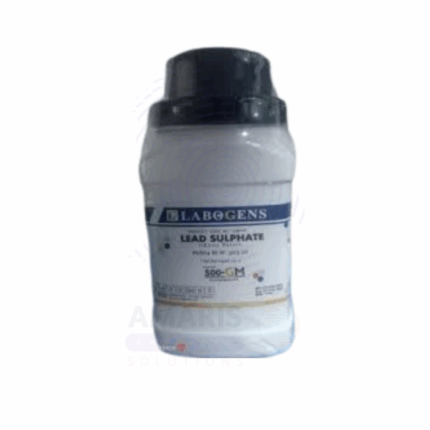
Lead Sulphate Extra Pure
Lead Sulphate Extra Pure is a fine, white crystalline powder composed of highly purified lead(II) sulfate (PbSO₄), valued for its stability and controlled chemical properties. It is primarily used in analytical chemistry, electrochemical research, and in the manufacture of lead-acid batteries, where it plays a key role in the discharge and recharge cycles. Its low solubility in water makes it suitable for precipitation reactions, and it's also utilized in the study of insoluble salts in academic laboratories. Despite its stability, lead sulphate is toxic if inhaled or ingested, and appropriate safety measures—such as gloves, masks, and proper ventilation—must be enforced during handling and storage.

Lens cleaning tissue
Lens Cleaning Tissue is a soft, lint-free paper designed specifically for cleaning optical lenses, microscope eyepieces, camera lenses, and other delicate glass or plastic surfaces. It effectively removes dust, fingerprints, oils, and smudges without scratching or leaving residue. Widely used in laboratories, photography, and electronics, lens cleaning tissue helps maintain clarity and prolong the lifespan of sensitive optical components.

Leslie cubes
Leslie Cubes are metal cubes used in physics laboratories to demonstrate the principles of thermal radiation and emissivity. Each face of the cube has a different surface finish—such as polished, blackened, or white—which affects its heat radiation properties. When heated, Leslie Cubes allow students and researchers to observe how surface texture and color influence heat emission, making them essential for studies in thermodynamics and heat transfer.

Linear expansion apparatus
Linear Expansion Apparatus is a laboratory device used to measure the expansion of materials when heated. It helps in studying the thermal expansion properties of solids by precisely quantifying the change in length as temperature varies. Typically made from durable metals and fitted with precise measurement scales or sensors, this apparatus is essential in physics and materials science labs for investigating thermal behavior of materials.
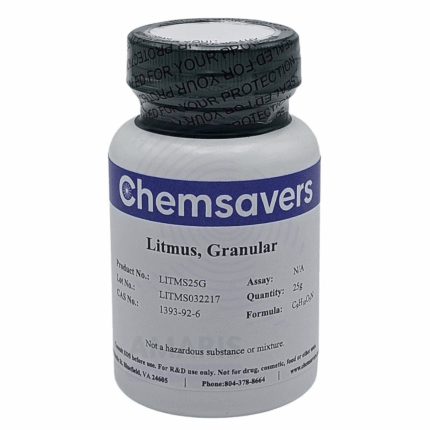
Litmus Granular Extra Pure
Litmus Granular Extra Pure is a premium-grade pH indicator widely used in laboratories for acid-base testing and educational demonstrations. Derived from natural sources like lichens, this granular form offers a stable, easy-to-handle format suitable for preparing litmus solutions or impregnating test papers. In acidic environments, it turns red, while in alkaline conditions, it turns blue, providing a clear visual response. Its high purity ensures reliable and repeatable results across various applications in chemistry, biology, and environmental testing. Store in a tightly sealed container away from moisture and direct sunlight to preserve its effectiveness.

Litmus Paper Blue
Litmus Paper Blue is a pH indicator paper used to detect acidic substances. It is impregnated with litmus dye extracted from lichens, which changes color when exposed to acidic or basic environments. Blue litmus paper turns red under acidic conditions (pH < 4.5) and remains blue in neutral or alkaline solutions. It is widely used in laboratories, education, environmental testing, and industrial processes for quick and easy pH testing.

Litmus paper red
Litmus paper red is a specialized pH indicator paper impregnated with red litmus dye derived from natural lichens. It serves as a quick and reliable qualitative tool for detecting alkaline (basic) conditions in various liquids and substances. Upon contact with an alkaline solution, the red paper undergoes a distinct color change to blue, signaling a pH above approximately 8.3. In neutral or acidic solutions, the paper retains its red color. This simple yet essential laboratory reagent is widely used in chemistry, biology, environmental science, clinical diagnostics, food industry, and educational settings for rapid acidity and alkalinity testing without the need for sophisticated instrumentation.
Red litmus paper is highly valued for its ease of use, portability, and cost-effectiveness, making it ideal for field testing, classroom demonstrations, and routine lab work. It provides immediate visual feedback, which is crucial for quick decision-making during experiments, quality control processes, and environmental monitoring. Packaged typically in convenient strips or sheets within moisture-proof packets, the paper is protected from contamination and degradation, ensuring long shelf life and consistent performance.
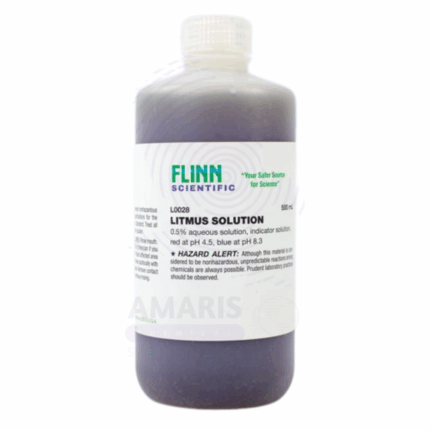
Litmus Solution Extra Pure
Litmus Solution Extra Pure is a high-quality, ready-to-use pH indicator solution designed for precise acid-base testing in laboratories and educational settings. Made from purified natural litmus dye, it changes color distinctly—red in acidic solutions and blue in alkaline solutions—making it an essential tool for quick and accurate pH assessments. Its extra pure formulation ensures consistent performance, clear color transitions, and reliability in analytical chemistry, biology experiments, and environmental monitoring. Ideal for titrations and classroom demonstrations, this solution should be stored in a cool, dark place to maintain stability and color accuracy.
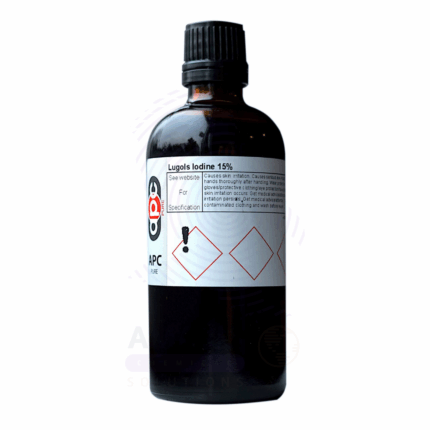
Lugols Iodine Extra Pure
Lugols Iodine Extra Pure is a superior-grade aqueous solution composed of elemental iodine and potassium iodide, known for its wide-ranging applications in laboratories, microscopy, and medical diagnostics. Valued for its strong staining properties, it is commonly used in biology to identify starch in plant cells and as a general-purpose cellular stain to enhance visibility under a microscope. Its extra pure formulation ensures high clarity, minimal impurities, and consistent results in sensitive applications. Additionally, it plays a role in preparing specimens, sterilization procedures, and certain medical antiseptic practices. Store tightly sealed, away from light and heat, to preserve potency.
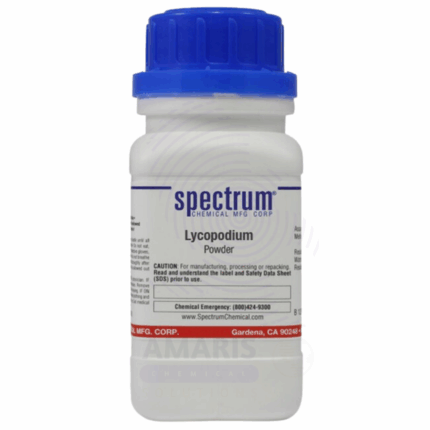
Lycopodium Powder Extra Pure
Lycopodium Powder Extra Pure is a fine, yellowish powder derived from the spores of club moss plants, prized for its exceptional purity and versatility in both scientific and industrial applications. In laboratories, it is frequently used to demonstrate Brownian motion, study spore dispersion, or simulate particulate flow in airflow experiments. Due to its high flammability, Lycopodium powder also serves as a dramatic visual aid in physics demonstrations involving flame propagation or combustion. Outside the lab, it has niche applications in pharmaceuticals, cosmetics, and even pyrotechnics. It should be handled with care and stored in a dry, cool, and non-igniting environment.
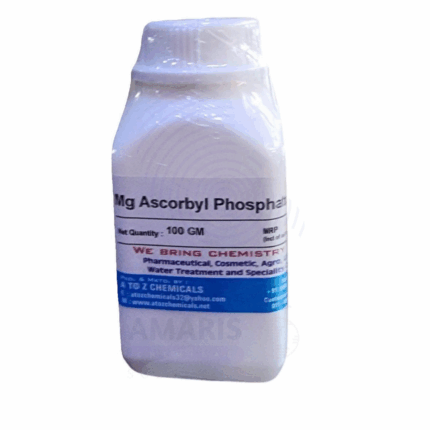
Magnesium Ascorbyl Phosphate Extra Pure
Magnesium Ascorbyl Phosphate Extra Pure is a highly stable, water-soluble derivative of Vitamin C, widely appreciated for its exceptional antioxidant properties and gentle skin compatibility. Commonly used in cosmetic and dermatological formulations, it helps brighten the skin, reduce hyperpigmentation, and support collagen synthesis—making it a valuable ingredient in anti-aging and skin-repair treatments. Its stability against oxidation allows it to retain potency longer than pure ascorbic acid, especially in aqueous solutions. With pharmaceutical and cosmetic grade purity, this compound is ideal for use in serums, lotions, and creams targeting a healthy, radiant complexion.
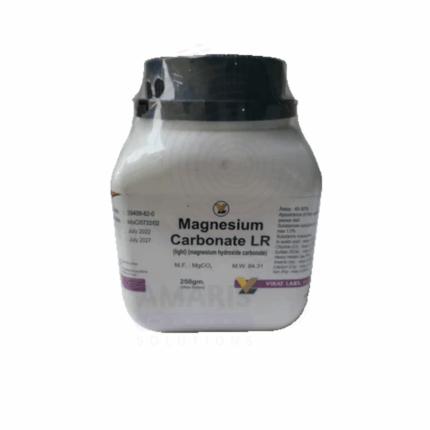
Magnesium Carbonate Extra Pure
Magnesium Carbonate Extra Pure is a high-purity, white powder valued for its excellent absorbent and antacid qualities. It is commonly used in pharmaceuticals as a magnesium supplement or antacid, and in food applications as a drying agent, anti-caking agent, or acidity regulator. In the cosmetics and personal care industry, it functions as a filler and a bulking agent in powders and creams. It is also employed in laboratory settings for analytical applications due to its consistent chemical composition. Its high absorbency and stability make it useful in rubber, ceramics, and sports grip products as well.
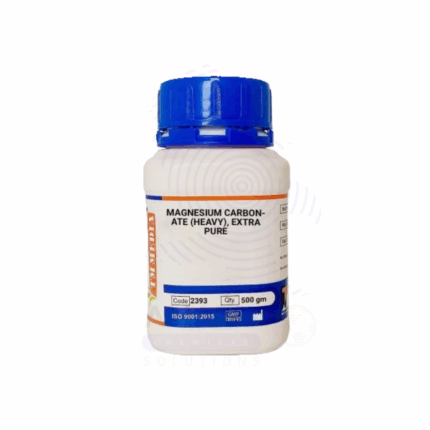
Magnesium Carbonate Heavy Extra Pure
Magnesium Carbonate Heavy Extra Pure is a denser, high-purity grade of magnesium carbonate known for its exceptional stability, low solubility in water, and high absorbent capacity. It is widely used in pharmaceutical formulations as an antacid and magnesium supplement, and in food processing as an anti-caking agent and food additive. Its heavier bulk density makes it ideal for industrial uses such as in rubber and plastic manufacturing, where it serves as a reinforcing filler. In cosmetics, it contributes to moisture control in powders and skin care products. It is also valued in laboratories for analytical applications where precision and consistency are essential.
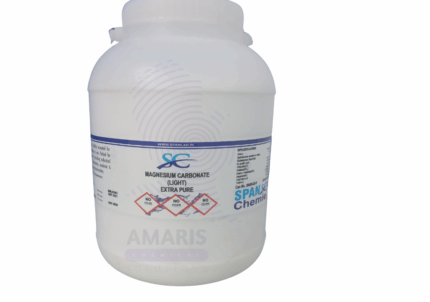
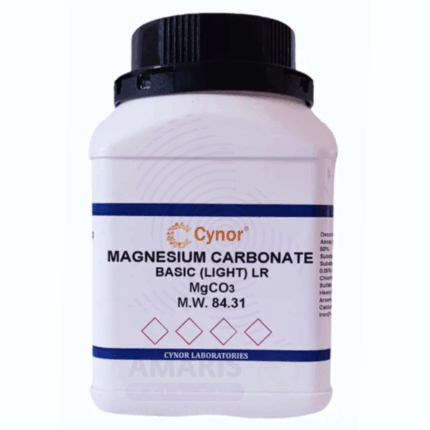
Magnesium Carbonate Light Extra Pure
Magnesium Carbonate Light Extra Pure is a fine, white, odorless powder known for its excellent absorbent, drying, and antacid properties. It is widely used in pharmaceutical formulations, cosmetics, food additives, and laboratory reagents. Its “light” form refers to its low bulk density, making it ideal for applications requiring a fluffy, easily dispersible powder. In personal care products, it serves as a filler and opacifier, while in pharmaceuticals, it acts as a mild antacid and magnesium supplement. Its high purity ensures consistent performance in analytical procedures and specialty chemical processes.

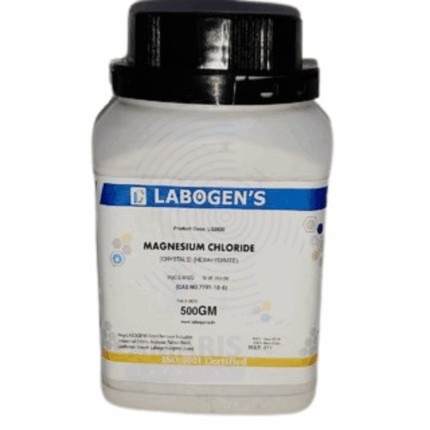
Magnesium Chloride Extra Pure
Magnesium Chloride Extra Pure is a highly soluble, refined chemical compound commonly used for its excellent hygroscopic and electrolyte properties. In laboratory and analytical settings, it is valued for preparing magnesium-based solutions and as a reagent in various chemical reactions. In pharmaceuticals, it serves as a magnesium supplement, aiding in nerve function and muscle health. It is also used in cosmetics and personal care products for its skin-conditioning benefits. Additionally, it finds applications in textile processing, dust control, and de-icing formulations, where its purity ensures minimal impurities in sensitive applications.
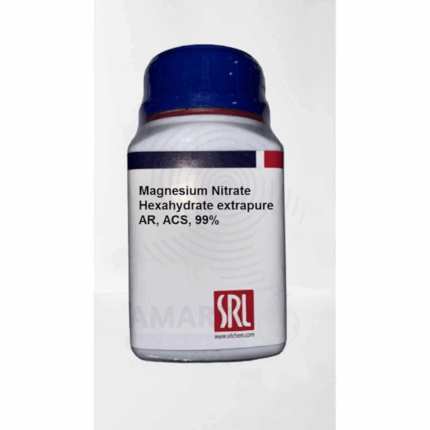
Magnesium Nitrate Hexahydrate Extra Pure
Magnesium Nitrate Hexahydrate Extra Pure is a crystalline compound known for its high solubility in water and exceptional purity, making it suitable for both laboratory and industrial applications. In analytical chemistry, it is commonly used as a reagent for preparing standard solutions and as a source of magnesium ions in various experimental procedures. Its oxidizing properties make it valuable in pyrotechnics and fertilizer formulations, where it provides essential nutrients for plant growth. This compound is also employed in ceramic production, textile treatments, and catalyst preparations, where a consistent, high-quality nitrate source is required. Its extra pure grade ensures minimal contamination, essential for high-precision work.
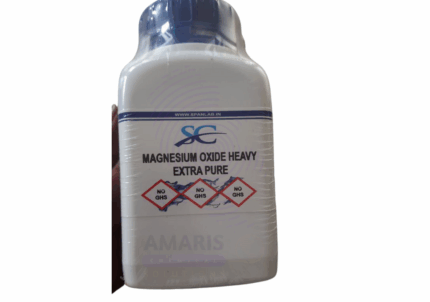
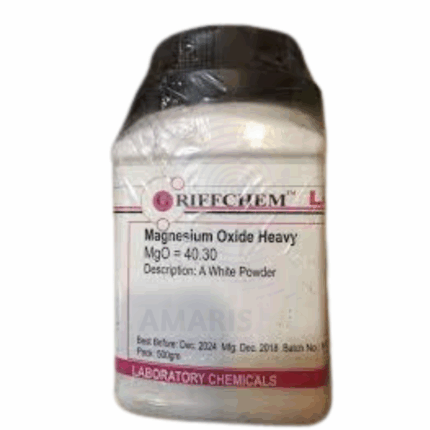
Magnesium Oxide Heavy Extra Pure
Magnesium Oxide Heavy Extra Pure is a high-purity, dense white powder prized for its excellent thermal stability, high melting point, and chemical inertness. It is widely used in laboratory applications as a standard reagent, pH adjuster, and desiccant. In pharmaceuticals, it functions as an antacid and a magnesium supplement, while in industrial processes, it is essential for producing refractory materials, ceramics, and insulating products due to its high heat resistance. The "heavy" form refers to its higher bulk density, making it particularly useful in applications where volume constraints are critical. Its extra pure grade ensures it meets the stringent demands of high-precision research and formulation work.
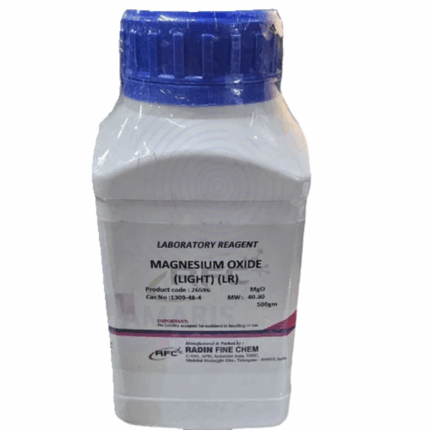
Magnesium Oxide Light Powder Extra Pure
Magnesium Oxide Light Powder Extra Pure is a fine, white, odorless powder with a lower bulk density compared to the heavy grade, offering high surface area and excellent reactivity. It is widely used in analytical laboratories, pharmaceuticals, and cosmetics due to its purity and gentle chemical behavior. In pharmaceutical formulations, it acts as an antacid and magnesium supplement, while in cosmetics, it is used for its absorbent and pH-adjusting properties. Its light, fluffy texture also makes it ideal for use in rubber, plastics, and coatings as a filler, stabilizer, or neutralizing agent. The extra pure grade ensures consistent quality for precise and sensitive applications.
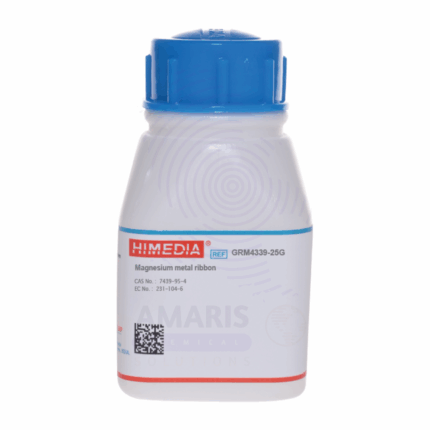
Magnesium Ribbon Extra Pure
Magnesium Ribbon Extra Pure is a highly reactive metallic strip known for its silvery appearance and clean-burning properties. It is widely used in laboratory demonstrations, particularly in combustion and oxidation experiments, where it burns with a bright white flame, showcasing exothermic reactions vividly. Due to its high purity, it ensures minimal contamination in analytical and research applications. Beyond academics, magnesium ribbon also finds niche uses in pyrotechnics, metal alloy production, and chemical synthesis where controlled reactivity and reliable performance are essential. Its lightweight and malleable nature make it easy to handle and ideal for precision experimental setups.

Magnet bar
A Magnet Bar, often called a stirring bar or magnetic stir bar, is a laboratory tool used to mix liquids efficiently by magnetic stirring. It consists of a small, coated magnetic rod, typically made from rare-earth magnets encased in chemically resistant materials like PTFE (polytetrafluoroethylene). When placed inside a container with liquid, the magnet bar rotates driven by a magnetic stirrer plate underneath the container, providing uniform and controlled mixing without contamination or the need for manual stirring. Magnet Bars are essential for experiments requiring gentle or continuous mixing, including chemical reactions, sample preparations, and biological assays. Their durable coating ensures resistance to chemicals, heat, and abrasion, making them suitable for diverse laboratory environments.

Magnet electrode u shape
The Magnet Electrode U Shape is a specialized laboratory electrode designed in a U-shaped configuration for precise measurements involving magnetic fields or electrochemical applications. Typically fabricated from corrosion-resistant metals or alloys, these electrodes are integrated into setups requiring stable electrical contact and magnetic influence, such as in electrolysis, magnetic field studies, and sensor calibration. The U-shape design facilitates easy mounting and positioning within experimental apparatuses, allowing efficient contact with solutions or materials. They are widely used in research, industrial testing, and educational laboratories for experiments involving electromagnetism and electrochemistry.

Magnet horse shoe
Product Description
The Magnet Horse Shoe is a classic U-shaped permanent magnet commonly used in laboratories for experiments involving magnetic fields and forces. Made typically from ferromagnetic materials like steel or rare-earth alloys, this magnet is designed with two poles positioned close together in a horseshoe shape to concentrate the magnetic field between them, creating a strong and uniform magnetic area. The compact design allows easy handling and application in physics demonstrations, magnetic field studies, and educational experiments. Its durable construction ensures long-lasting magnetic strength and resistance to mechanical wear.
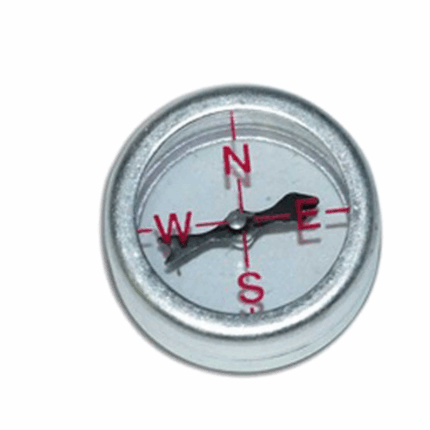
Magnetic plotting compass
The Magnetic Plotting Compass is a precision navigational and laboratory instrument designed to measure and plot directions and angles with accuracy. It features a magnetized needle that aligns with the Earth’s magnetic field, mounted on a rotating base marked with degree graduations for angular measurements. Commonly used in navigation, surveying, cartography, and educational demonstrations, the plotting compass aids in determining bearings and orientations. Its durable construction and clear scale markings make it suitable for fieldwork and laboratory settings where accurate directional data is required.
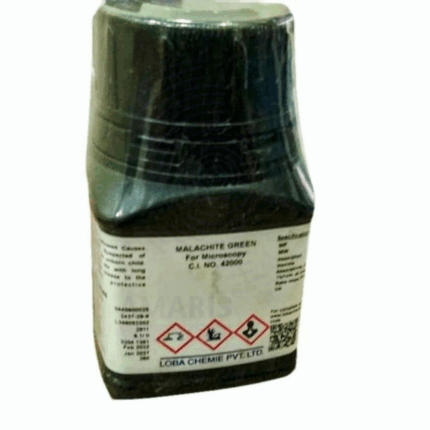
Malachite Green Extra Pure
Malachite Green Extra Pure is a synthetic dye of exceptional purity, recognized for its intense green coloration and versatile laboratory uses. It is commonly used as a biological stain, especially in microbiology for identifying and differentiating bacterial species, and in histology for staining cell structures. Additionally, Malachite Green serves as an effective fungicide and antiparasitic agent in aquaculture and laboratory testing. Its high purity ensures reliable performance in analytical applications, including redox titrations and as a pH indicator in specific chemical reactions. Its vivid color and chemical stability make it a valuable reagent in both teaching and professional research settings.
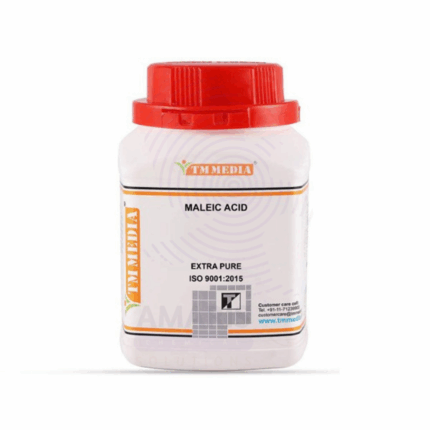
Maleic Acid Extra Pure
Maleic Acid Extra Pure is a high-purity organic compound valued for its strong acidic properties and wide range of laboratory and industrial applications. It appears as a white crystalline solid and is primarily used in organic synthesis, particularly in the production of polymers, resins, and plasticizers. In research laboratories, Maleic Acid serves as a buffering agent, a precursor to fumaric acid, and an intermediate in various chemical reactions. Its excellent solubility in water and compatibility with other reactants make it especially useful in biochemical and analytical procedures. The extra pure grade ensures minimal contamination, providing reliable results in sensitive experiments and high-precision manufacturing processes.
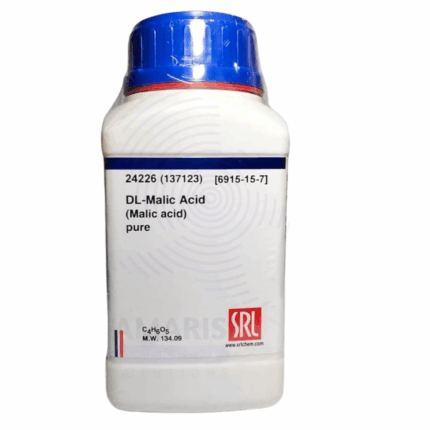
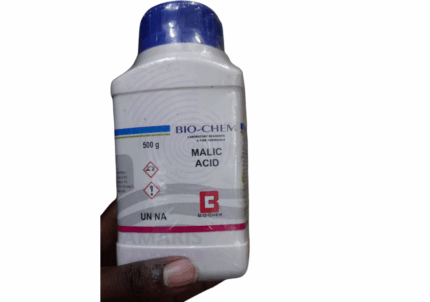
Malic Acid Extra Pure
Malic Acid Extra Pure is a high-grade, naturally occurring dicarboxylic acid known for its sharp, tart flavor and versatility in both laboratory and industrial settings. It is commonly found in fruits such as apples and is widely used as an acidulant in food and beverage formulations, where it enhances flavor, preserves freshness, and improves pH stability. In laboratory applications, Malic Acid is employed in biochemical research, particularly in studies involving the citric acid cycle, due to its role as an intermediate metabolite. Its excellent solubility in water and mild acidity also make it suitable for cosmetic formulations and pharmaceutical preparations. The extra pure grade ensures high analytical accuracy and consistent quality across applications requiring strict purity standards.
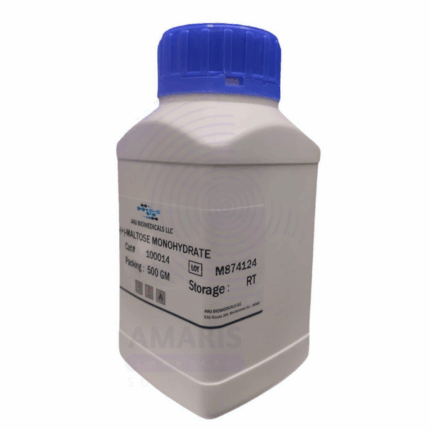
Maltose Extra Pure
Maltose Extra Pure is a disaccharide composed of two glucose units, commonly known as malt sugar. This extra pure grade ensures exceptional quality and consistency, making it ideal for use in biochemical research, fermentation studies, and laboratory analysis. In the food industry, maltose is valued for its mild sweetness and is often used in brewing, baking, and confectionery to promote fermentation and enhance flavor. It also plays a role in energy metabolism studies and is frequently used as a carbon source in microbiological media. Its stability and solubility in water make it easy to incorporate into various formulations, offering a dependable ingredient for scientific and industrial use where high purity is essential.
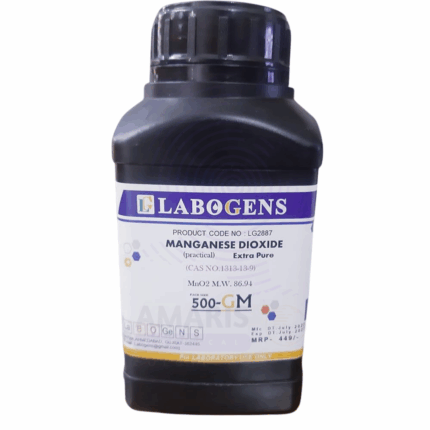
Manganese Dioxide Extra Pure
Manganese Dioxide Extra Pure is a high-purity, dark brown or black powder widely used in laboratories and industrial processes for its strong oxidizing properties. In analytical chemistry, it serves as an effective oxidizing agent and is often involved in the decomposition of hydrogen peroxide and other redox reactions. It is also used in the preparation of oxygen and chlorine gases in laboratory settings. Beyond the lab, manganese dioxide plays a crucial role in battery manufacturing, particularly in dry cell batteries, and in ceramics and glass production for coloring and decolorizing. Its consistent purity makes it ideal for sensitive experiments and formulations.
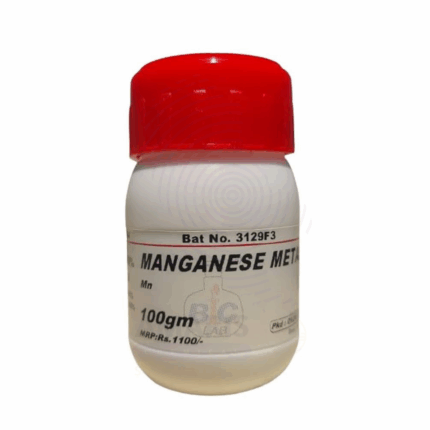
Manganese Metal Powder Extra Pure
Manganese Metal Powder Extra Pure is a fine, silvery-gray metallic powder known for its high reactivity and essential role in various chemical and metallurgical applications. In the laboratory, it is frequently used in redox reactions, alloy synthesis, and as a reagent for preparing manganese compounds. Its high surface area makes it particularly effective in catalysis and experimental procedures requiring fast reactivity. Industrially, manganese metal powder is integral to producing specialty steels and alloys, where it improves hardness, strength, and wear resistance. Its exceptional purity ensures consistent performance in research, metal refining, and advanced materials development.
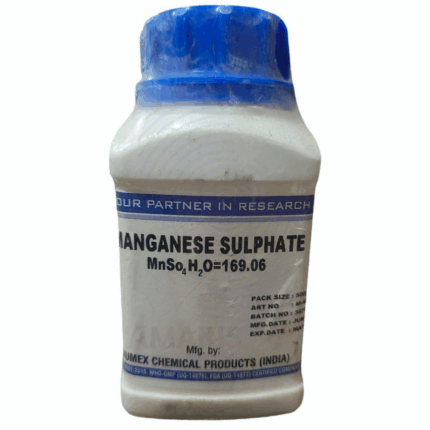
Manganese Sulphate Extra Pure
Manganese Sulphate Extra Pure is a highly refined, pale pink crystalline compound widely valued for its use in both laboratory and industrial applications. In the lab, it serves as a reliable source of manganese ions in analytical chemistry, synthesis of manganese-based catalysts, and as a micronutrient in biological research. Industrially, it plays a crucial role in fertilizers, where it addresses manganese deficiency in crops, and in animal feed formulations. Due to its high solubility and purity, this compound is also used in electroplating, ceramics, and pigment production, making it a versatile and essential chemical in many scientific and manufacturing settings.

Manganous Dihydrogen Phosphate Extra Pure
Manganous Dihydrogen Phosphate Extra Pure is a high-purity, white to pale pink crystalline compound composed of manganese and phosphate ions. It is primarily used in analytical chemistry, research laboratories, and specialized industrial processes where a precise and reliable manganese source is required. This compound is valued for its solubility in water and its role as a reagent in studies involving nutrient uptake, coordination chemistry, and phosphate-related reactions. Additionally, it finds niche applications in fertilizers and micronutrient formulations, particularly in controlled agricultural studies. Its extra pure grade ensures minimal contamination, making it suitable for sensitive experiments and formulations.

Manometer on stand
The Manometer on Stand is a precision laboratory instrument used to measure pressure differences in gases or liquids. It consists of a U-shaped or straight tube partially filled with a liquid (commonly mercury, water, or oil) mounted securely on a stable stand for ease of use and accurate readings. The manometer operates based on the principle of balancing pressure against the height of the liquid column. It is widely used in physics and engineering laboratories for experiments involving fluid mechanics, gas laws, and pressure calibration. The stand provides stability and convenient placement during measurements.
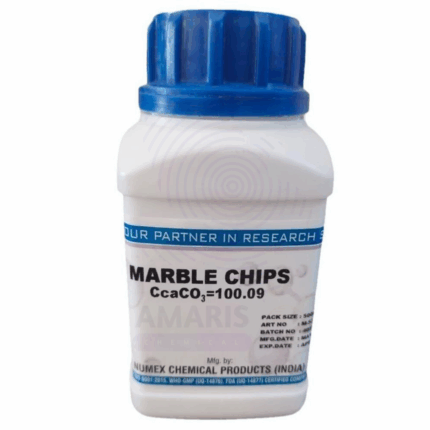
Marble Chips Extra Pure
Marble Chips Extra Pure are high-grade, naturally occurring calcium carbonate fragments that have been carefully processed to ensure exceptional purity. These white or off-white chips are widely used in laboratory experiments, especially in demonstrations involving acid-carbonate reactions where the release of carbon dioxide is observed. Beyond educational and research use, they also serve as a buffering agent, filtration medium, and mild abrasive in various industrial applications. Due to their chemical stability and high calcium content, marble chips are ideal for use in controlled environments where contaminants must be minimized.
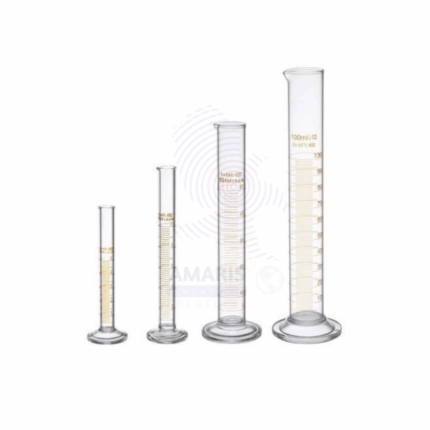
measuring cylinder glass
The Measuring Cylinder Glass is a fundamental laboratory apparatus specifically engineered for the precise measurement of liquid volumes. Constructed from high-quality, chemically resistant borosilicate glass, it ensures durability, resistance to chemical corrosion, and clarity for optimal visibility of liquid levels. The cylindrical shape provides a stable base and ergonomic design for ease of handling and pouring. Graduated volume markings, typically etched or printed with high contrast, allow accurate reading of liquid quantities down to the milliliter, supporting quantitative experiments and solution preparations. The transparent nature of the glass facilitates observation of the meniscus, which is critical for accuracy in volume measurement. Measuring cylinders vary in size, commonly ranging from small (10 mL) to large capacities (1000 mL or more), meeting diverse laboratory needs. They are widely used across chemical, biological, medical, educational, and industrial laboratories for tasks including volumetric analysis, solution preparation, and quality control. Their ability to withstand thermal fluctuations and autoclaving processes also makes them suitable for sterilized environments. Measuring Cylinder Glass is essential for maintaining precision and reproducibility in experimental and routine laboratory procedures.

Mechanical Balance
The Mechanical Balance is a precision laboratory instrument designed to measure the mass of objects through mechanical means. It operates using a system of levers, beams, and calibrated weights to determine mass with high accuracy without requiring electrical power. Mechanical balances typically feature a robust metal frame, a beam with a central pivot, and sliding weights or poises for balancing. The instrument provides reliable and repeatable mass measurements essential for quantitative analysis in chemistry, biology, physics, and industrial quality control. Known for its durability and ease of maintenance, the mechanical balance is widely used in educational settings, research laboratories, and production environments where precise weighing is necessary. Its mechanical operation ensures functionality even in environments where electronic devices may be unsuitable due to power constraints or interference.
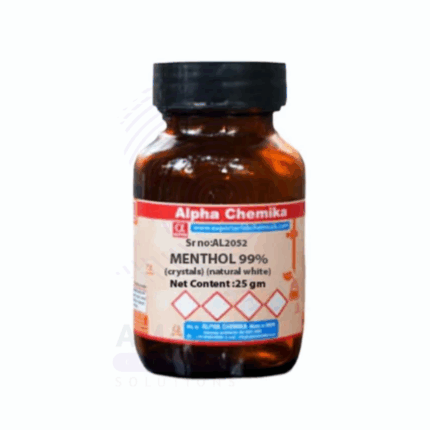
Menthol Crystals Extra Pure
Menthol Crystals Extra Pure are colorless to white, needle-like crystals derived from peppermint or other mint oils and refined to the highest purity. Known for their strong, refreshing minty aroma, they are widely used in pharmaceutical, cosmetic, and personal care formulations. These crystals provide a cooling sensation on the skin and mucous membranes, making them a common ingredient in balms, liniments, throat lozenges, and inhalants. In laboratories, menthol crystals are also used in sensory studies and product development. Their purity ensures consistent performance and minimal interference in sensitive formulations.

Mercury thermometer
The Mercury Thermometer is a precise laboratory instrument designed for accurate temperature measurement using mercury as the thermometric fluid. It consists of a narrow, sealed glass tube containing mercury that expands and contracts with temperature changes, moving along a calibrated scale etched or printed on the glass. Mercury thermometers offer excellent thermal conductivity and stability, enabling precise readings over a wide temperature range typically from -39°C to 357°C (the freezing and boiling points of mercury). The clear glass casing allows easy observation of mercury levels, while the robust design resists breakage under normal laboratory conditions. Mercury thermometers are widely used in scientific research, medical labs, industrial processes, and educational settings for their reliability and accuracy. Despite their benefits, mercury thermometers require careful handling due to the toxicity of mercury, and many labs are transitioning to safer alternatives in compliance with environmental regulations.
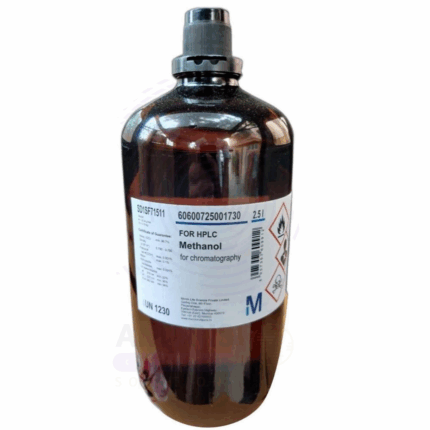
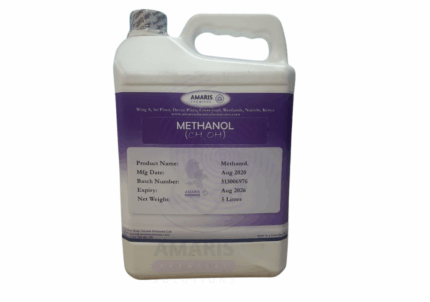
Methanol Extra Pure
Methanol Extra Pure is a clear, colorless, and highly volatile liquid with a mild alcohol-like odor, refined to an exceptional level of purity. It is widely used as a solvent in laboratories and industrial settings due to its excellent miscibility with water and many organic compounds. Methanol serves as a key reagent in chemical synthesis, particularly in the production of formaldehyde, methyl esters, and biodiesel. In analytical chemistry, it’s used for chromatography and spectroscopic applications where high purity is essential. Its rapid evaporation rate and strong solvency make it ideal for cleaning delicate equipment and preparing lab samples.
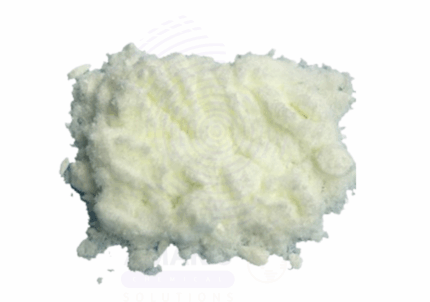
Methoxy Benzophenone Sulfonic Acid Extra Pure
Methoxy Benzophenone Sulfonic Acid Extra Pure is a high-purity, water-soluble organic compound primarily used as a UV filter in cosmetic and pharmaceutical formulations. This compound is valued for its ability to absorb harmful ultraviolet radiation, particularly in the UVB range, making it a key ingredient in sunscreens, lotions, and other personal care products requiring photo-stability. In laboratory settings, it is employed in research involving photochemistry and polymer stabilization. Its sulfonic acid group enhances water solubility, while the methoxy and benzophenone components provide strong UV-absorbing characteristics, ensuring effective and consistent performance in formulations demanding high safety and efficacy standards.
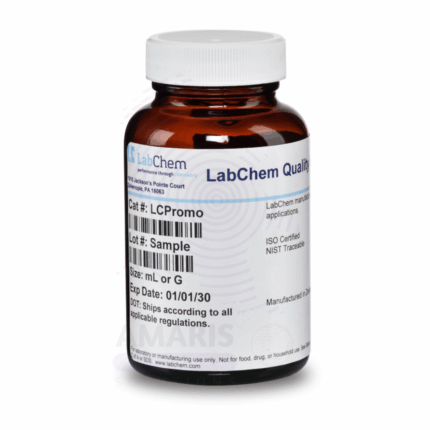
Methyl Orange Disodium Salt Extra Pure
Methyl Orange Disodium Salt Extra Pure is a high-purity pH indicator commonly used in titrations and analytical chemistry to determine acidity levels. It exhibits a sharp color change from red in acidic environments to yellow in alkaline conditions, typically within the pH range of 3.1 to 4.4. This disodium salt form ensures excellent solubility in water, making it especially reliable for use in aqueous solutions. Its stability and sensitivity make it ideal for laboratory applications involving strong acid–base reactions, particularly in titrations of mineral acids. Methyl Orange Disodium Salt Extra Pure is a trusted choice for consistent and accurate results in both educational and professional lab settings.

Methyl Orange Solutions Extra Pure
Methyl Orange Solutions Extra Pure is a ready-to-use, high-grade pH indicator solution widely utilized in acid-base titrations and general analytical chemistry. Known for its distinct and sharp color transition—from red in acidic environments to yellow in alkaline conditions—it provides rapid and clear visual cues for end-point detection. This extra pure formulation ensures maximum accuracy, reliability, and reproducibility in laboratory settings. It is especially effective in titrations involving strong acids and weak bases, commonly used in educational, research, and industrial labs. The solution is precisely prepared to standardized concentrations, eliminating the need for dilution or mixing, and is ideal for professionals seeking precision and ease of use.
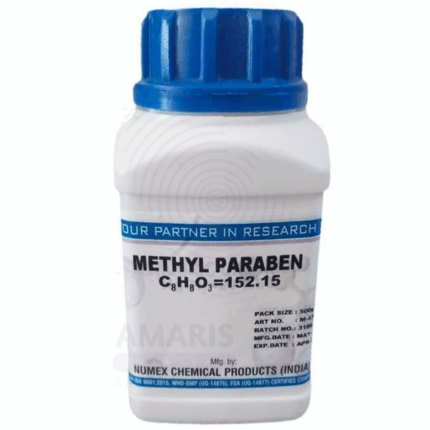
Methyl Paraben Extra Pure
Methyl Paraben Extra Pure is a high-purity chemical widely used as a preservative in pharmaceuticals, cosmetics, personal care products, and food applications. It is valued for its strong antimicrobial and antifungal properties, helping to extend the shelf life of various formulations by preventing the growth of bacteria and mold. In laboratories, it is commonly employed in microbiological media and analytical standards. Its excellent stability across a broad pH range, combined with low toxicity and high efficacy even at low concentrations, makes it a preferred choice in sensitive applications. This extra pure grade ensures consistent quality and performance for critical uses.
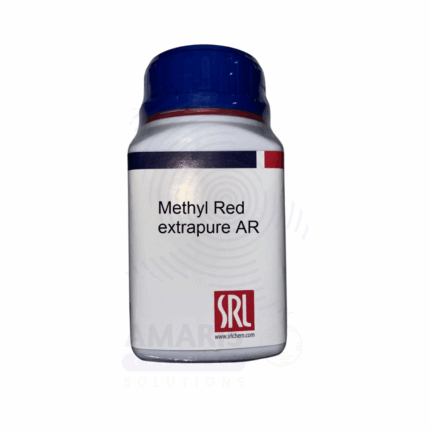
Methyl Red Extra Pure
Methyl Red Extra Pure is a high-grade pH indicator commonly used in analytical chemistry, especially in titration processes to identify the endpoint between acidic and basic solutions. It exhibits a clear color change from red in acidic environments (pH below 4.4) to yellow in alkaline conditions (pH above 6.2), making it ideal for monitoring pH transitions in laboratory procedures. Beyond titrations, it is also used in microbiological media to distinguish between types of bacterial metabolism. This extra pure quality ensures excellent sensitivity, precision, and reliability in both educational and professional scientific settings.
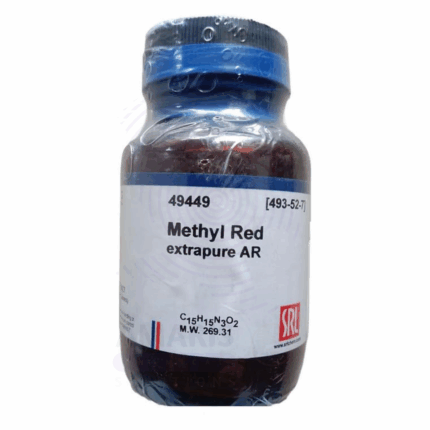
Methyl Red Solution Extra Pure
Methyl Red Solution Extra Pure is a ready-to-use, high-purity pH indicator solution widely used in laboratories for acid-base titrations and biochemical assays. It changes color from red at pH below 4.4 to yellow above pH 6.2, making it highly effective in detecting pH shifts with clear visual transitions. This solution is particularly valuable in analytical chemistry, microbiology (such as the methyl red test in bacterial identification), and educational experiments. Its extra pure grade ensures consistent performance, high accuracy, and minimal impurities, making it suitable for precise scientific applications.
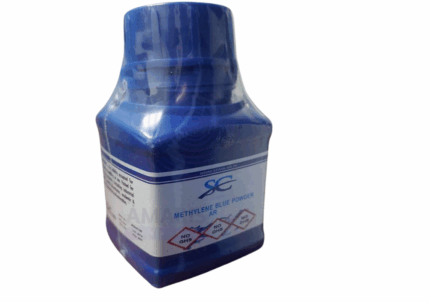
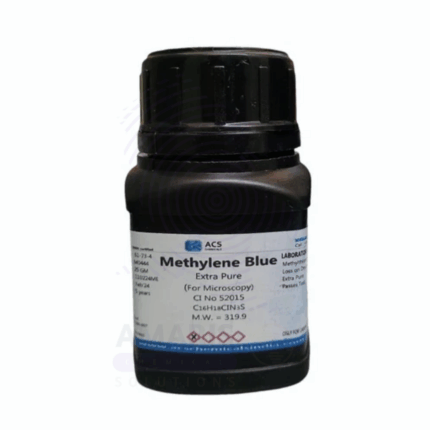
Methylene Blue Powder Extra Pure
Methylene Blue Powder Extra Pure is a high-grade dye with diverse laboratory and industrial applications. It is widely used as a biological stain in microscopy for highlighting cellular structures such as nuclei, bacteria, and parasites, particularly in blood smear and bacteriological studies. In chemistry, it serves as a redox indicator due to its distinct color change properties, and in aquaculture, it acts as a treatment for fungal and bacterial infections in fish. Its extra pure formulation ensures maximum staining clarity, minimal contamination, and reliable results in research, diagnostics, and educational settings.
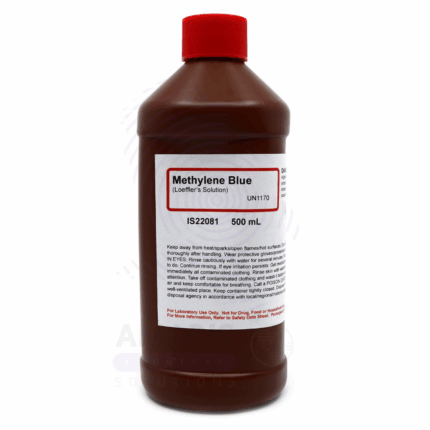
Methylene Blue Solution Extra Pure
Methylene Blue Solution Extra Pure is a ready-to-use aqueous formulation of high-purity methylene blue dye, ideal for laboratory, biological, and analytical applications. It is commonly employed as a vital stain in microscopy to highlight cellular components such as nuclei and mitochondria, especially in live or fixed cells. This solution also functions as a redox indicator in various chemical experiments and is used in microbiology for bacterial identification and differentiation. With its extra pure quality, the solution delivers consistent and precise staining results, making it a reliable tool for research, diagnostics, and teaching laboratories.

Microscope
A Microscope is an essential laboratory instrument designed to magnify and visualize small objects or specimens that are not visible to the naked eye. It uses a system of lenses—typically an objective lens and an eyepiece lens—to enlarge images of biological samples, materials, or microscopic particles for detailed examination. Microscopes come in various types including compound, stereo, electron, and digital, each suited for specific applications in biology, materials science, medicine, and research. High-quality microscopes offer adjustable magnification, fine focus controls, and illumination systems to enhance clarity and contrast. Widely used in clinical diagnostics, microbiology, pharmaceutical research, and education, microscopes are vital for studying cell structures, microorganisms, tissue samples, and more. They provide precise, reliable visualization crucial for scientific analysis and discovery.
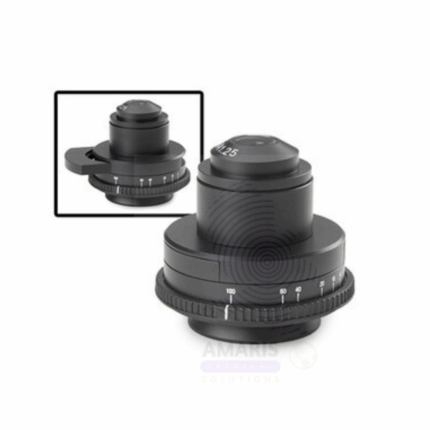
Microscope condenser
A Microscope Condenser is a vital optical component in a microscope designed to focus and concentrate light onto the specimen being observed. It is typically positioned beneath the microscope stage and plays a crucial role in controlling illumination intensity, contrast, and resolution during microscopic examination. The condenser gathers and directs light from the microscope’s illumination source into a cone of light focused on the specimen, enhancing image clarity and detail. Condensers often include adjustable diaphragms (such as iris diaphragms) to regulate the amount of light and improve contrast. Available in various designs including Abbe, achromatic, and aplanatic condensers, they cater to different magnification levels and imaging requirements. Microscope condensers are essential for achieving optimal image quality in biological, medical, and materials science applications.












