

 Preservatives(food)
 Flavor Enhancers
 Acidulants
 Sweeteners
 Antioxidants
 Colorants(food)
 Nutraceutical Ingredients (food)
 Nutrient Supplements
 Emulsifiers
 Collectors
 Dust Suppressants
 Explosives and Blasting Agents
 Flocculants and Coagulants
 Frothers
 Leaching Agents
 pH Modifiers
 Precious Metal Extraction Agents
 Antioxidants(plastic)
 Colorants (Pigments, Dyes)
 Fillers and Reinforcements
 Flame Retardants
 Monomers
 Plasticizers
 Polymerization Initiators
 Stabilizers (UV, Heat)
 Antifoaming Agents
 Chelating Agents
 Coagulants and Flocculants
 Corrosion Inhibitors
 Disinfectants and Biocides
 Oxidizing Agents
 pH Adjusters
 Scale Inhibitors( water)
 Antioxidants(cosmetic)
 Emollients
 Fragrances and Essential Oils
 Humectants
 Preservatives
 Surfactants(cosmetic)
 Thickeners
 UV Filters
 Fertilizers
 Soil Conditioners
 Plant Growth Regulators
 Animal Feed Additives
 Biostimulants
 Pesticides (Herbicides, Insecticides, Fungicides)
 Active Pharmaceutical Ingredients (APIs)
 Excipients
 Solvents(pharmaceutical)
 Antibiotics
 Antiseptics and Disinfectants
 Vaccine Adjuvants
 Nutraceutical Ingredients (pharmaceutical)
 Analgesics & Antipyretics
 Analytical Reagents
 Solvents(lab)
 Chromatography Chemicals
 Spectroscopy Reagents
 microbiology-and-cell-culture-reagents
 Molecular Biology Reagents
 Biochemical Reagents
 Inorganic and Organic Standards
 Laboratory Safety Chemicals
 Specialty Laboratory Chemicals(Special Laboratory Equipment)
 Demulsifiers
 Hydraulic Fracturing Fluids
 Scale Inhibitors(oil)
 Surfactants(oil)
 Drilling Fluids
 Dyes and Pigments
 Bleaching Agents
 Softening Agents
 Finishing Agents
 Antistatic Agents
 Admixtures
 Waterproofing Agents
 Sealants and Adhesives
 Curing Compounds
 Concrete Repair Chemicals
 Anti-Corrosion Coatings
 Surfactants(cleaning)
 Builders
 Enzymes
 Solvents (Cleaning)
 Fragrances
 Electronic Chemicals
 Catalysts
 Lubricants
 Photographic Chemicals
 Refrigerants
 Automotive chemicals
 Pyrotechnic Chemicals
 Biodegradable Surfactants
 Bio-based Solvents
 Renewable Polymers
 Carbon Capture Chemicals
 Wastewater Treatment Chemicals
 Pigments
 Solvents(paint)
 Specialty Coatings
 Binders/Resins
 Additives
 Driers
 Anti-Corrosion Agents
 Functional Coatings
 Application-Specific Coatings
 Leavening Agents
 Dough Conditioners
 Flour Treatments
 Fat Replacers
 Decoratives
 Preservatives(baking)
 Plasticizers & Softeners
 Reinforcing Agents
 Adhesion Promoters
 Vulcanizing Agents
 Antidegradants
 Blowing Agents
 Fillers & Extenders
 Accelerators & Retarders



















Microscope cover slips
Microscope Cover Slips are thin, flat pieces of transparent glass or plastic used in microscopy to cover specimens placed on microscope slides. They serve to protect the specimen from contamination, prevent drying, and provide a uniform thickness for improved optical clarity during examination. Cover slips help to flatten the specimen, ensuring even focus and minimizing distortion under the microscope lens. They are typically made from high-quality borosilicate or soda-lime glass to offer excellent optical transparency and chemical resistance. Available in various sizes and thicknesses, cover slips are essential in biological, medical, and research laboratories for preparing wet mounts, fixed samples, and stained slides. Their use enhances image resolution and protects both the specimen and microscope objective lenses.
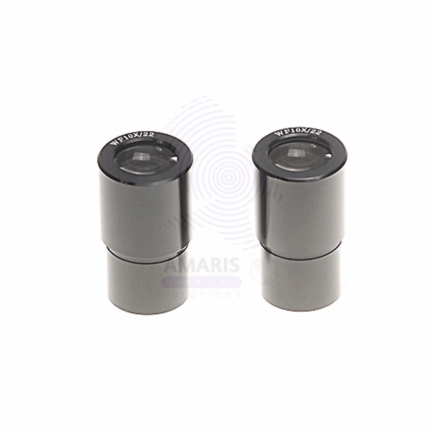
Microscope eye piece
A Microscope Eye Piece, also known as the ocular lens, is the lens or group of lenses located at the top of a microscope through which the user views the magnified specimen. It typically provides an additional magnification—commonly 5x, 10x, or 15x—working in conjunction with the objective lenses to achieve total magnification. The eyepiece contains optical components designed to enhance image clarity, brightness, and field of view. Modern eyepieces may include features such as reticles for measurement, adjustable diopters for individual eye correction, and wide-field optics for increased viewing comfort. Made from precision optical glass and durable housing, microscope eyepieces are essential for delivering a clear, sharp, and comfortable viewing experience in scientific, medical, educational, and industrial laboratories.
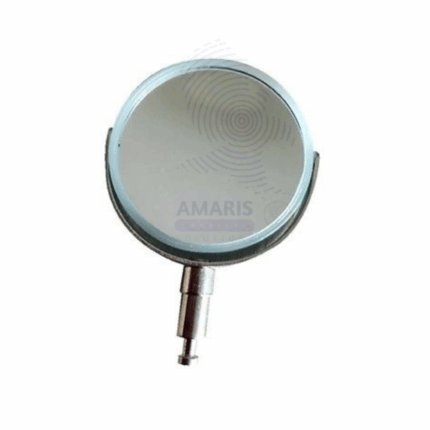
Microscope mirror
A Microscope Mirror is an optical accessory used to direct and focus external light onto the specimen being examined under a microscope. Traditionally mounted beneath the microscope stage, the mirror reflects ambient or artificial light upward through the condenser and specimen to illuminate the sample. Microscope mirrors typically have one flat and one concave reflective surface, allowing users to adjust the intensity and focus of the light beam. Made from highly polished glass or metal with reflective coatings, these mirrors are essential in microscopes lacking built-in illumination systems or as backup lighting aids. They enhance visibility, contrast, and detail, making them valuable in educational, medical, and research laboratory settings.
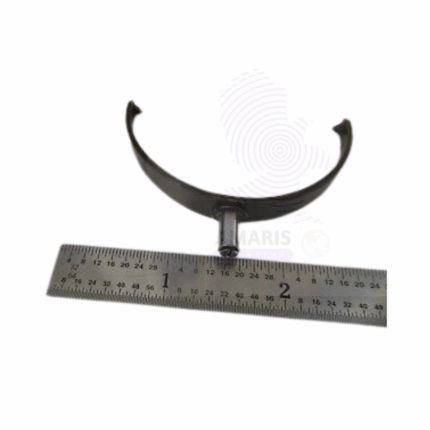
Microscope mirror holder
A Microscope Mirror Holder is a precision laboratory accessory designed to securely mount and position the microscope mirror beneath the stage. It allows for adjustable angling and stable placement of the mirror to direct light optimally onto specimens during microscopic examination. Typically made from durable metal or plastic, the holder features clamps or brackets to hold the mirror firmly while enabling smooth rotational and tilt movements. This accessory is essential for microscopes without built-in illumination systems, facilitating better light control, improved specimen visibility, and enhanced image contrast. Widely used in educational, medical, and research laboratories, the microscope mirror holder aids in consistent and effective lighting setup.
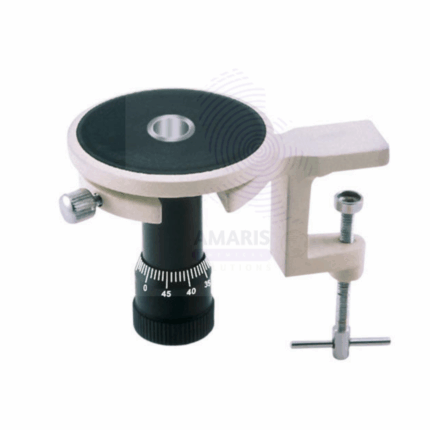
Microtone hand type
Product Description
The Microtone Hand Type is a precision manual laboratory instrument designed for fine and controlled cutting or sectioning of specimens, particularly in biological and histological applications. It allows users to prepare thin slices or sections of tissues for microscopic examination, ensuring uniform thickness and minimal damage to samples. Typically handheld and ergonomically designed, this device is made from durable materials with sharp blades that can be replaced or adjusted as needed. The Microtone Hand Type is essential in pathology labs, research facilities, and educational settings where detailed tissue analysis is required.
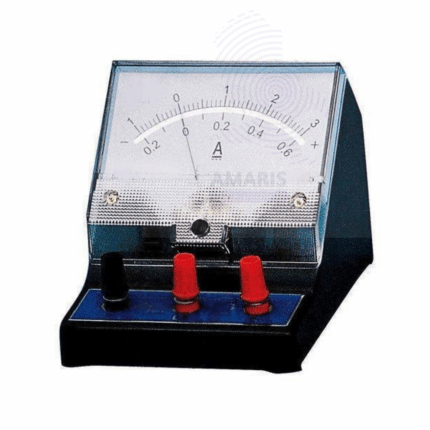
Millie ammeter
A Millie Ammeter is a precision laboratory instrument used to measure very small electrical currents in the milliampere (mA) range. It is essential for experiments and procedures requiring accurate current measurements, particularly in physics and electronics labs. The device typically features a sensitive needle gauge or digital display, calibrated for fine resolution of low current levels. Compact and robust, millie ammeters are designed for easy integration into circuits and offer reliable performance for research, educational, and industrial applications.
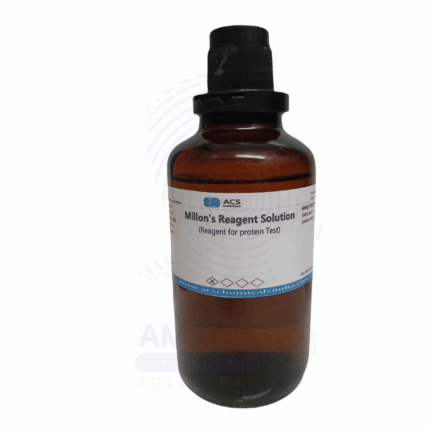
Millions Reagent Extra Pure
Millions Reagent Extra Pure is a specialized analytical solution primarily used to detect phenolic amino acids, particularly tyrosine, in proteins. It functions by producing a reddish-brown coloration when heated with compounds containing phenol groups, making it highly valuable in biochemical testing and protein analysis. This reagent is a mixture of mercury(I) and mercury(II) nitrates in nitric acid, and its high purity ensures sharp, interference-free results, especially in sensitive laboratory experiments or educational demonstrations.
Due to its toxic and corrosive nature, proper handling is essential. It must be used in a fume hood with appropriate personal protective equipment such as gloves, goggles, and lab coats. Millon’s Reagent remains a reliable and well-established tool for identifying proteins with tyrosine residues and is commonly found in chemical, clinical, and educational labs.
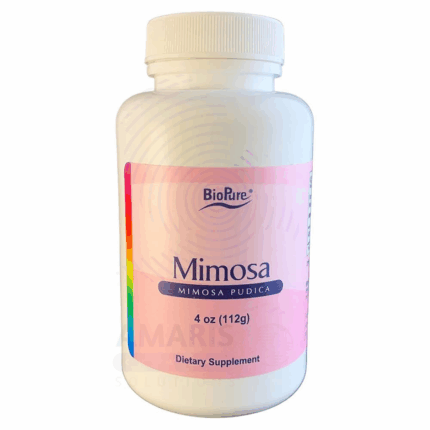
Mimosa Powder Extra Pure
Mimosa Powder Extra Pure is a finely ground, high-purity botanical extract derived from the bark or leaves of Acacia spp. (commonly known as mimosa). This extra pure grade is meticulously processed to retain key phytochemicals—such as tannins, flavonoids, and phenolic compounds—in highly consistent concentrations. In laboratory settings, it is prized for use in phytochemical analysis, antioxidant testing, and evaluation of anti-inflammatory or antimicrobial activity.
With minimal impurities, Mimosa Powder is well-suited for biochemical assays, formulation trials, and comparative research on natural extracts. It may also be used in cosmetic formulations, nutraceutical studies, or dietary supplement development, where standardization and safety are critical. Proper storage in cool, dry, and dark conditions is recommended to maintain potency and prevent degradation.

Mineral Lick Rock Salt Extra Pure
Mineral Lick Rock Salt Extra Pure is a high-purity, natural crystalline salt product specially processed for scientific, veterinary, and nutritional applications. Composed primarily of sodium chloride (NaCl), this form of rock salt may also contain trace essential minerals such as calcium, magnesium, and potassium in controlled amounts. Its extra pure grade ensures minimal contaminants, making it ideal for controlled laboratory experiments, animal nutrition studies, and formulation testing where purity and consistency are critical.
In agricultural research and veterinary science, Mineral Lick is commonly used to study electrolyte balance, mineral supplementation, and livestock behavior related to mineral intake. The solid, stable nature of the product allows for long shelf life and ease of handling, and it may also be used in comparative tests involving natural versus synthetic mineral supplements. For best results, it should be stored in a dry, cool place away from moisture.
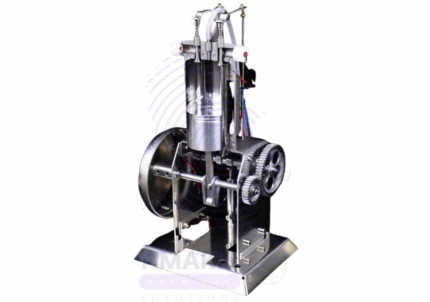
Model Diesel Engine
A Model Diesel Engine is a precision laboratory instrument used to measure very small electrical currents in the milliampere (mA) range. It is essential for experiments and procedures requiring accurate current measurements, particularly in physics and electronics labs. The device typically features a sensitive needle gauge or digital display, calibrated for fine resolution of low current levels. Compact and robust, millie ammeters are designed for easy integration into circuits and offer reliable performance for research, educational, and industrial applications.

Model steam engine
A Model Steam Engine is a scaled-down, functional representation of a steam-powered engine used primarily for educational, demonstration, and hobbyist purposes. This apparatus demonstrates the basic principles of thermodynamics, mechanical energy conversion, and steam power operation in a compact, visible form. Typically constructed from metal components such as brass and steel, the model includes key parts like a boiler, piston, cylinder, crankshaft, and flywheel. Steam generated in the boiler expands and pushes the piston, converting thermal energy into mechanical motion that turns the flywheel. Model steam engines are invaluable tools for physics and engineering education, illustrating steam mechanics, energy transfer, and engine operation clearly and tangibly. They are also popular among collectors and model enthusiasts.
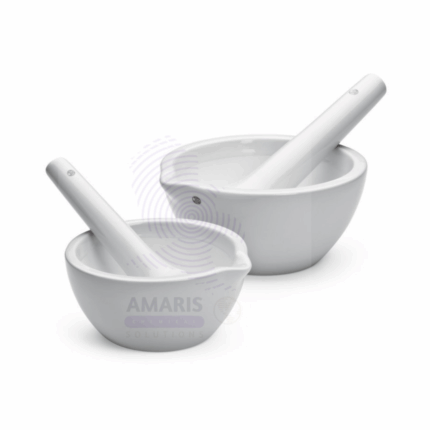
Mortar and pestle
Mortar and Pestle is a traditional laboratory apparatus consisting of a bowl (mortar) and a heavy club-shaped tool (pestle) used to manually grind, crush, and mix solid substances into fine powders or pastes. Made from durable materials such as ceramic, glass, porcelain, or stone, this tool facilitates the preparation of samples for chemical analysis, pharmaceutical compounding, and food laboratory testing. The mortar’s thick walls and the pestle’s sturdy design allow effective pulverization without contamination. Mortar and pestle sets are essential in laboratories for homogenizing powders, breaking down crystals, and preparing reagents and mixtures. Their simplicity and reliability make them a staple in chemistry, biology, pharmacology, and food science labs worldwide.
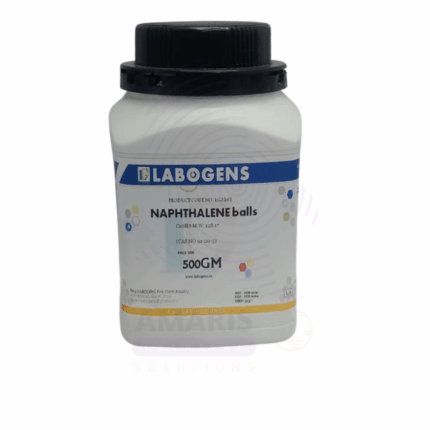
Naphthalene Balls Extra Pure
Naphthalene Balls Extra Pure are solid, white crystalline spheres composed of high-purity naphthalene (C₁₀H₈), refined for laboratory, industrial, and specialized household uses. Known for their strong, distinctive odor, these balls sublimate—changing directly from solid to vapor—making them exceptionally effective as fumigants and insect repellents, particularly against moths, silverfish, and mold in stored fabrics and books.
In laboratory settings, extra pure naphthalene balls are often used as a standard hydrocarbon compound for melting point determination, sublimation studies, and chemical synthesis. Their consistent purity and volatile nature also make them suitable for organic chemistry demonstrations and reactions. For safety, they should be handled in well-ventilated areas, kept away from flames or heat sources, and stored in airtight containers to minimize inhalation and fire risks.
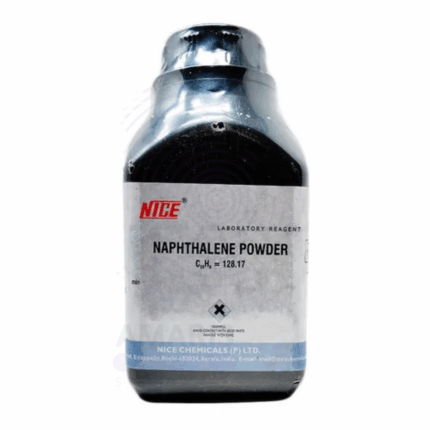
Naphthalene Powder Extra Pure
Naphthalene Powder Extra Pure is a fine, white to pale crystalline powder composed of high-purity naphthalene (C₁₀H₈), valued for its consistent quality and volatile aromatic properties. This form is particularly suitable for laboratory use, where controlled dosing and faster sublimation are required. The powder is widely utilized in organic synthesis, standardization experiments, and melting point calibration, owing to its stable molecular structure and high sublimation rate.
In industrial and technical contexts, naphthalene powder serves as a precursor in dye manufacturing, plasticizer production, and pesticide formulation. It is also used as a fumigant for controlling pests in storage environments, similar to its use in ball form, but with faster release due to the increased surface area. Despite its utility, the powder must be handled with care—used in well-ventilated areas, kept away from ignition sources, and stored in sealed containers—due to its flammability and potential health effects from prolonged inhalation.
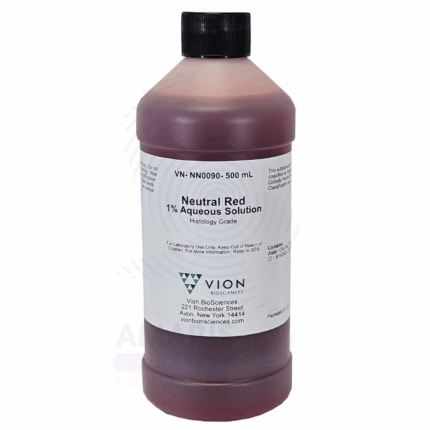
Neutral Red Solution Extra Pure
Neutral Red Solution Extra Pure is a high-purity, ready-to-use solution of the pH indicator dye Neutral Red, widely employed in biological, biochemical, and analytical laboratories. Known for its distinct color change—red in acidic environments and yellow in alkaline—it is commonly used to stain lysosomes in viable cells, making it invaluable in cell viability assays, cytotoxicity studies, and microscopic cell structure investigations.
This Extra Pure grade ensures excellent clarity and precision in results, especially in sensitive microbiological and histological procedures. It is frequently used in conjunction with culture media to observe metabolic activities and in vital staining techniques to differentiate between live and dead cells. Proper handling involves storing it in tightly sealed amber containers away from light and heat to maintain its stability and effectiveness.
![Nickel Sulphate [NiSO4(H2O)6] Extra Pure Amaris Chemicals](https://amarischemicalsolutions.com/wp-content/uploads/2025/08/Nickel-Sulphate-NiSO4H2O6-Extra-Pure-Amaris-Chemicals-430x430.png)
Nickel Sulphate Extra Pure
Nickel Sulphate Extra Pure is a crystalline, green-colored compound of high purity, widely utilized in analytical, electrochemical, and industrial applications. It is primarily used in electroplating processes to deposit a uniform layer of nickel onto metal surfaces, enhancing corrosion resistance and aesthetic appeal. Its consistent composition makes it ideal for high-precision electroforming and battery component manufacturing, especially in nickel-cadmium and nickel-metal hydride batteries.
In laboratories, it serves as a reagent for chemical analysis, particularly in qualitative and quantitative detection of nickel ions. It is also involved in catalyst production, ceramic coloring, and metal surface treatment. The Extra Pure grade guarantees minimal impurities, ensuring reliable performance in sensitive experimental setups. Due to its toxic and irritant nature, it should be handled with appropriate personal protective equipment and stored in a cool, dry place in tightly closed containers.
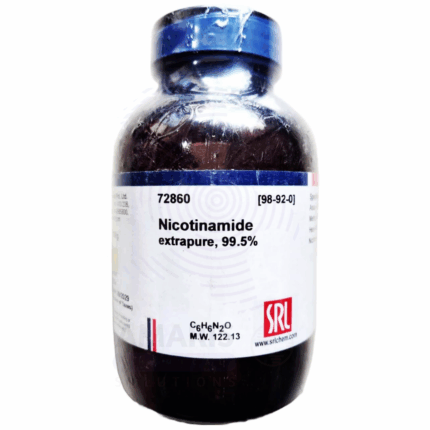
Nicotinamide Extra Pure
Nicotinamide Extra Pure is a refined, high-purity form of vitamin B3, widely recognized for its essential role in human and animal health. It serves as a vital component in the synthesis of NAD⁺ and NADP⁺, coenzymes that are fundamental to numerous metabolic and enzymatic reactions in living cells. In laboratory settings, it is frequently used in biochemical research, cell culture media, and vitamin assays due to its stable and bioactive nature.
In pharmaceutical applications, nicotinamide is commonly used in the formulation of supplements and dermatological treatments, where it supports skin barrier function, reduces inflammation, and helps alleviate acne and hyperpigmentation. Its presence in cosmetic products is valued for promoting smoother, more even-toned skin. The Extra Pure grade guarantees minimal impurities, making it ideal for sensitive applications in health care, research, and personal care products. It should be stored in a cool, dry environment away from light to maintain its integrity.
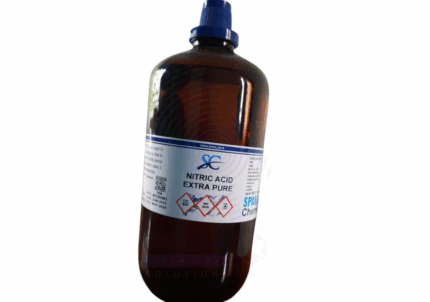
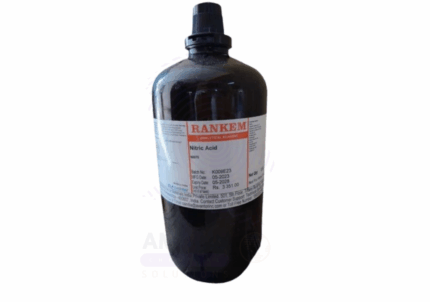
Nitric Acid Extra pure
Nitric Acid Extra pure is a high-purity, concentrated mineral acid supplied in a secure 2.5-litre packaging, ideal for laboratory and industrial applications requiring precision and consistency. Known for its strong oxidizing properties, nitric acid (HNO₃) is widely used in analytical chemistry, metal etching, sample digestion, and nitrate salt preparation.
This Extra Pure grade ensures minimal contaminants, making it especially suitable for trace analysis, high-purity synthesis, and quality control laboratories. Its sharp, acrid odor and highly corrosive nature demand careful handling with proper personal protective equipment (PPE), including acid-resistant gloves, goggles, and fume hoods. It must be stored in tightly sealed, compatible containers away from organic materials, bases, and flammable substances. This reagent is essential in both academic research and industrial processes involving nitration reactions, fertilizer formulation, and explosives development.
Octyl Methoxycinnamate Extra Pure
Octyl Methoxycinnamate Extra Pure is a high-purity organic compound widely used as a UV-B filter in sunscreen formulations and personal care products. Known chemically as Ethylhexyl Methoxycinnamate, it functions by absorbing ultraviolet light in the 280–320 nm range, thereby protecting skin from sunburn and photoaging.
In its Extra Pure form, OMC offers exceptional quality for cosmetic-grade applications, pharmaceutical formulations, and research requiring stringent purity levels. It is typically a clear, oily liquid with good solubility in oils and alcohols, making it ideal for incorporation into emulsions, creams, and lotions. Aside from its cosmetic uses, it is occasionally used in plastic and polymer stabilization where UV protection is needed. It should be stored in cool, dark conditions to maintain its stability and efficacy.

OVEN ELECTRICAL
An Electrical Oven is a laboratory apparatus designed to provide controlled heating for drying, sterilizing, and heat-treating samples or equipment. Using electrically powered heating elements, the oven offers precise temperature regulation and uniform heat distribution within its insulated chamber. Electrical ovens are essential in chemical, biological, and industrial laboratories for applications such as drying glassware, curing materials, sterilizing instruments, and conducting thermal experiments. Constructed with durable materials and safety features, they ensure reliable and safe operation under various laboratory conditions.
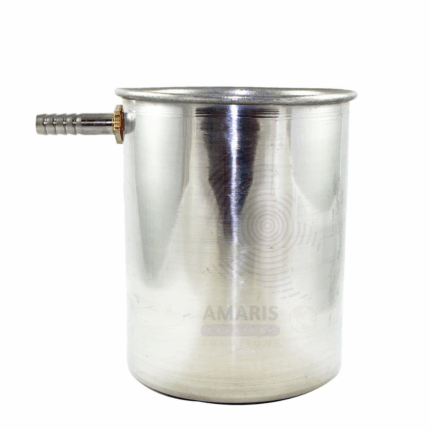
OVERFLOW CAN
An Overflow Can is a laboratory apparatus designed to measure the volume of irregularly shaped solid objects using the water displacement method. It typically consists of a container with a spout or outlet near the top to allow excess water to overflow when a solid object is submerged inside. Overflow cans are usually made from durable, chemically resistant materials such as plastic or stainless steel. This device is essential in physics and material science laboratories for determining volume and density accurately by capturing displaced fluid and measuring its
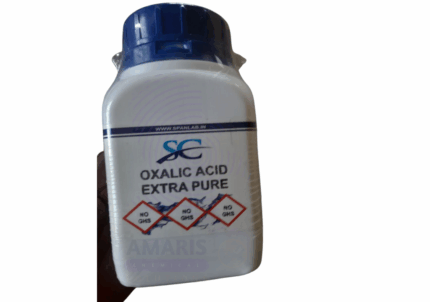
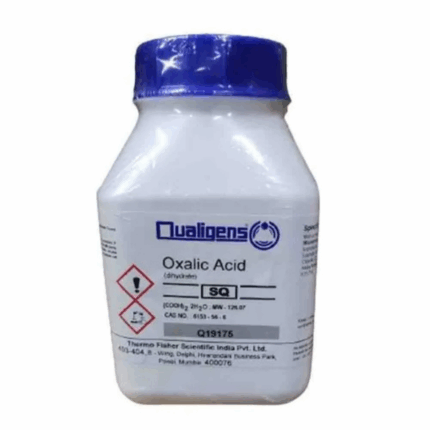
Oxalic Acid Extra Pure
Oxalic Acid Extra Pure is a high-purity, crystalline organic compound known for its strong reducing and chelating properties. Appearing as a white, odorless solid, it is highly soluble in water and widely utilized in both laboratory and industrial settings.
This Extra Pure grade ensures reliable performance in analytical chemistry, metal cleaning, rust removal, and rare earth element processing. In the laboratory, it is commonly used to precipitate calcium ions and to prepare standard solutions for titration. In industries, Oxalic Acid is valued for its effectiveness in bleaching wood, cleaning marble, and removing iron stains from surfaces and textiles. Due to its toxicity and corrosiveness, it must be handled with appropriate personal protective equipment and stored securely in a cool, dry, well-ventilated area.
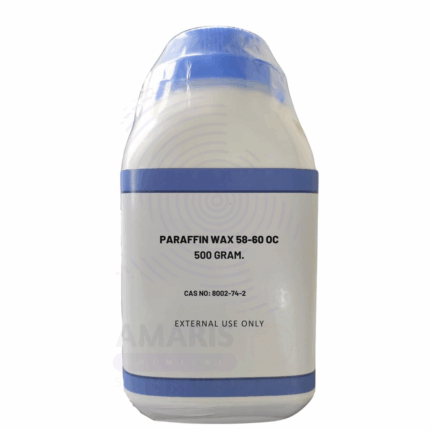
Paraffin Wax Extra Pure
Paraffin Wax Extra Pure is a refined, high-purity hydrocarbon compound derived from petroleum. It appears as a white, odorless, and tasteless solid with a smooth, waxy texture and a relatively low melting point, making it easy to mold and blend with other substances.
This Extra Pure grade is especially suited for laboratory use, cosmetic formulations, pharmaceutical applications, and specialized industrial processes. It is commonly employed in the preparation of ointments, candles, sealing agents, and coating materials due to its excellent insulating, water-repellent, and moisture-barrier properties. Its chemical inertness also makes it a safe choice for embedding biological samples and for use as a lubricant or mold-release agent. Paraffin Wax should be stored in a cool, dry place, away from heat sources, and handled with care to prevent unwanted melting or contamination.

PENCIL JOCKEY
A Pencil Jockey is a small laboratory tool designed to securely hold and manipulate pencils or fine writing instruments during detailed drawing, drafting, or note-taking tasks. Commonly used in scientific laboratories, drafting rooms, and educational settings, it ensures precision and comfort during use. Typically made from lightweight, durable
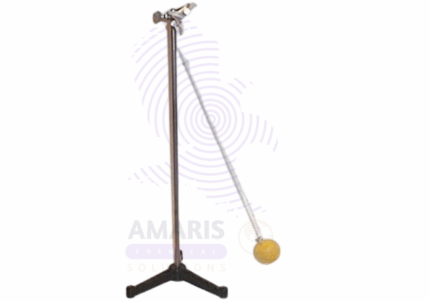
pendilum Bob
pendilum bob is a weighted mass attached to the end of a pendulum string or rod, used in physics laboratories to study oscillatory motion, harmonic motion, and related principles. Typically made from dense metals such as brass or steel, the bob provides the necessary mass for consistent and measurable swinging motion. Pendulum bobs come in various sizes and shapes, often spherical or cylindrical, and are designed for

Pepsin Extra Pure
Pepsin Extra Pure is a highly refined proteolytic enzyme derived from porcine gastric mucosa, widely recognized for its ability to break down proteins into peptides. Appearing as a white to off-white, amorphous powder, it retains strong enzymatic activity and is soluble in dilute acids, making it ideal for biological and analytical applications.
This Extra Pure grade is extensively used in biochemical research, pharmaceutical formulations, digestive studies, and food processing, particularly in the production of protein hydrolysates. It plays a crucial role in simulating gastric digestion in lab experiments and is also employed in diagnostic preparations and enzyme assays. Pepsin should be stored in a tightly sealed container under refrigerated conditions to maintain its activity, and care should be taken to avoid exposure to moisture and alkaline conditions, which can denature the enzyme.
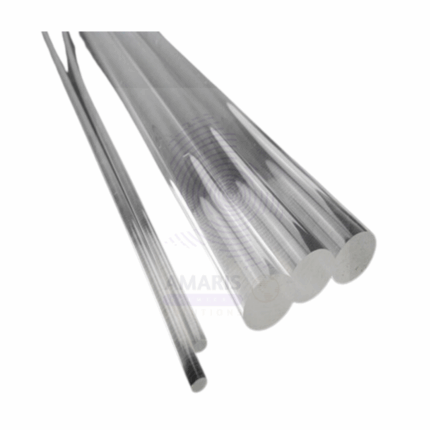
PERSPEX ROD
A Perspex Rod is a solid cylindrical rod made from Perspex (also known as acrylic or polymethyl methacrylate, PMMA), a transparent thermoplastic material widely used in laboratories, industrial applications, and educational demonstrations. Perspex rods are prized for their clarity, strength, and ease of machining, making them ideal for experiments requiring optical transparency or lightweight, durable components.
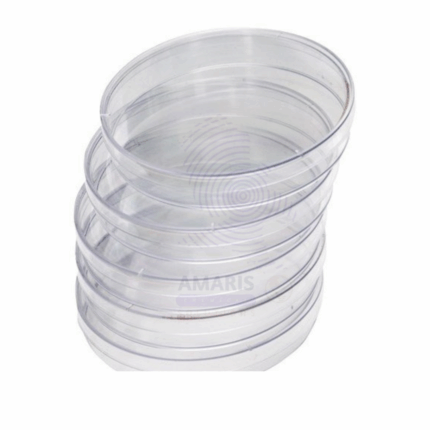
Petri Dish Plastic
Petri Dish Plastic is a shallow, cylindrical laboratory container made from clear, chemically resistant plastic materials such as polystyrene or polypropylene. Designed for single-use or limited reuse, plastic Petri dishes provide a convenient and cost-effective alternative to glass, especially in applications where sterility and disposability are priorities. These dishes are commonly used in microbiology, cell
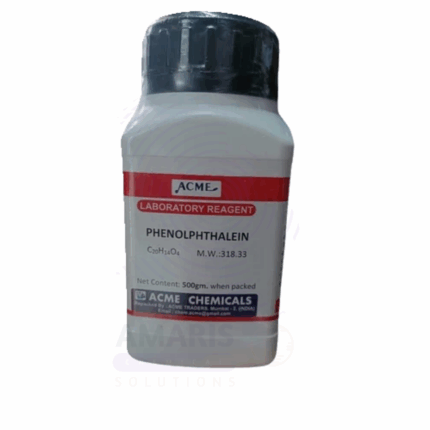
Phenolphthalein Powder Extra Pure
Phenolphthalein Powder Extra Pure is a high-purity pH indicator extensively used in analytical chemistry and laboratory applications. This fine, white to pale pink crystalline powder is colorless in acidic solutions but turns a vivid pink to deep magenta in basic environments, typically transitioning around a pH of 8.2 to 10.0. Its sharp and distinct color change makes it ideal for acid-base titrations, particularly in educational, industrial, and research settings.
In addition to its primary role in titrations, Phenolphthalein is also used in various chemical formulations, soil pH testing, and sometimes as a dye component in forensic applications. Although previously used as a laxative, it is now restricted to laboratory use due to health concerns. It should be handled with care—using gloves, protective eyewear, and in well-ventilated areas—to avoid inhalation or prolonged contact. Store in a cool, dry place, away from strong oxidizers and light.
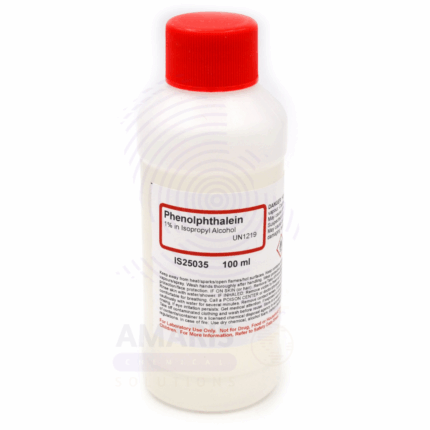
Phenolphthalein Solution Extra Pure
Phenolphthalein Solution Extra Pure is a laboratory-grade pH indicator solution, commonly used in titration procedures to determine the endpoint of acid-base reactions. It is prepared by dissolving phenolphthalein powder in an appropriate solvent, typically ethanol or water-alcohol mixtures, resulting in a clear, colorless solution that turns vivid pink in basic conditions—usually in the pH range of 8.2 to 10.0.
This high-purity solution offers excellent sensitivity and reliability for analytical chemistry, quality control, and educational demonstrations. It is especially favored in alkalinity testing, neutralization reactions, and various standard laboratory protocols. Proper handling is essential, including the use of gloves and eye protection, as the solution may cause skin or eye irritation upon contact. Store tightly sealed, away from direct light and incompatible substances like strong acids or oxidizers, to maintain its stability and effectiveness.
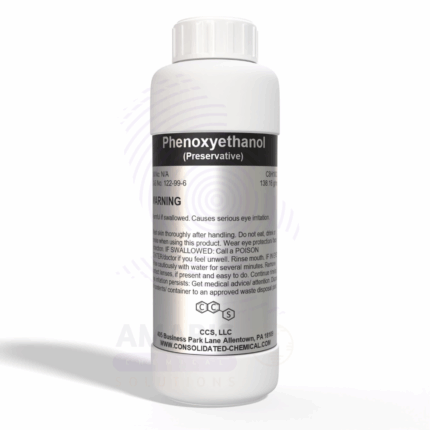
Phenoxyethano Extra Pure
Phenoxyethano Extra Pure is a high-purity aromatic glycol ether widely used as a preservative, solvent, and stabilizer in pharmaceutical, cosmetic, and laboratory formulations. This colorless, slightly viscous liquid possesses a mild pleasant odor and offers effective antimicrobial properties, particularly against Gram-negative bacteria.
Due to its excellent solvency and low volatility, Phenoxyethanol is ideal for use in creams, lotions, serums, and vaccines, where it extends shelf life by preventing microbial growth. In laboratory settings, it serves as a dependable solvent for dyes, resins, and plasticizers. Its low toxicity and compatibility with other preservatives make it a preferred alternative to parabens in personal care products.
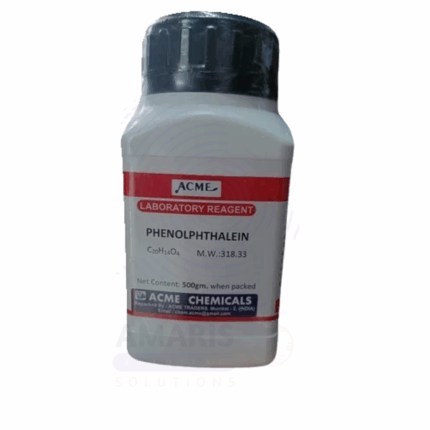
Phloretin Extra Pure
Phloretin Extra Pure is a high-grade dihydrochalcone flavonoid renowned for its antioxidant, anti-inflammatory, and skin-penetration-enhancing properties. Derived from apples and certain other fruits, this compound appears as a pale-yellow crystalline powder and is sparingly soluble in water but dissolves well in ethanol and other organic solvents.
In cosmetic and dermatological applications, Phloretin is used to combat oxidative stress, brighten skin tone, and reduce the appearance of fine lines, pigmentation, and UV-induced damage. It also enhances the absorption of active ingredients across the skin barrier, making it a valuable addition to advanced skincare formulations.
In laboratory and pharmaceutical settings, it is utilized for research into cell signaling, anti-cancer mechanisms, and metabolic modulation, given its biological activity on various enzyme systems.
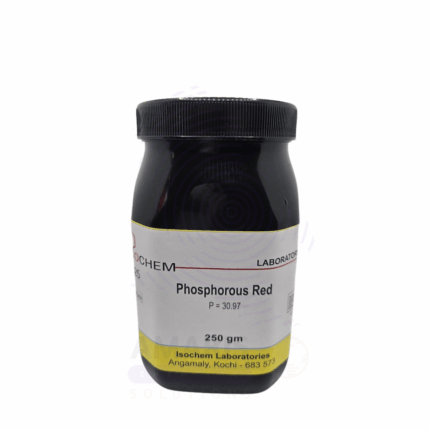
Phosphorous Red Extra Pure
Phosphorous Red Extra Pure is a high-purity allotrope of elemental phosphorus, presented as a dark red to violet amorphous powder. Unlike its white counterpart, red phosphorus is significantly more stable and less reactive at room temperature, making it safer to handle under controlled conditions. It is insoluble in water and most organic solvents and must be stored under inert conditions due to its flammability in finely divided form.
This grade of red phosphorus is commonly used in laboratories for chemical synthesis, pyrotechnics, match production, and flame retardant formulations. In education and research, it is employed in demonstrations of allotropy and in preparing organophosphorus compounds.
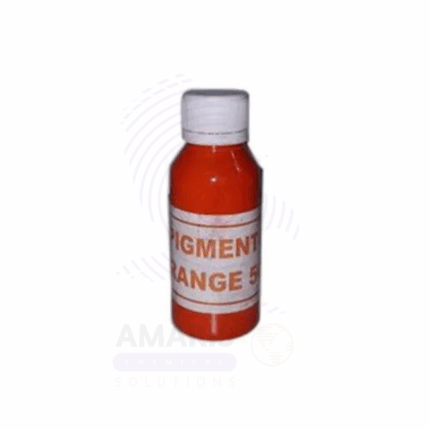
Pigment Orange Extra Pure
Pigment Orange Extra Pure is a high-quality organic pigment known for its bright, vibrant orange hue and excellent tinting strength. Comprising 20% active pigment content in a stable carrier base, this formulation ensures consistent dispersion and color intensity in various applications. It is finely milled for enhanced performance in both aqueous and solvent-based systems.
This pigment is widely used in paints, plastics, inks, coatings, and cosmetic formulations, where color consistency, purity, and chemical stability are critical. Its resistance to light, heat, and chemical degradation makes it ideal for both indoor and outdoor applications, particularly in artistic, industrial, and educational settings.
Due to its powdery nature, appropriate dust control and personal protective equipment (PPE) are recommended during handling. Store it in a cool, dry place away from direct sunlight and moisture to maintain its quality and performance.

PIN HOLE CAMERA
A Pin Hole Camera is a simple optical device that demonstrates the fundamental principles of image formation through a small aperture, without the use of lenses. It consists of a light-tight box or container with a tiny hole on one side and a translucent screen or photographic paper on the opposite side where the inverted image is projected. Widely used in physics and educational demonstrations, the pin hole camera helps illustrate how light travels in straight lines and how images are formed. It’s a foundational tool in optics, enabling students and learners to explore the behavior of light and basic photography principles.
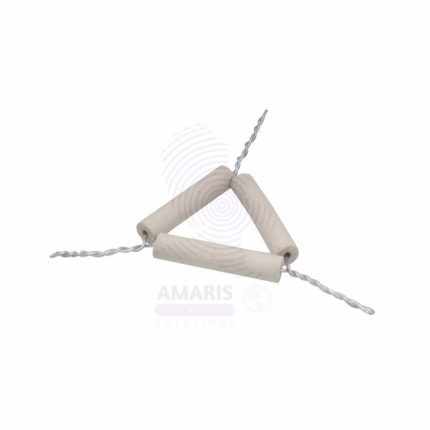
Pipe Clay Triangles
Pipe Clay Triangles are heat-resistant supports used in laboratory setups to hold crucibles over a Bunsen burner or other heat sources. They consist of three lengths of ceramic (pipe clay) tubing threaded over a triangular metal wire frame, typically made of galvanized iron or nickel-chromium alloy. These ceramic-coated wires provide stable and high-temperature-resistant platforms, allowing crucibles to be heated directly during ashing, calcination, or other high-temperature experiments. Widely used in chemistry labs and educational institutions, they are essential components for supporting small containers while minimizing heat transfer loss or instability.
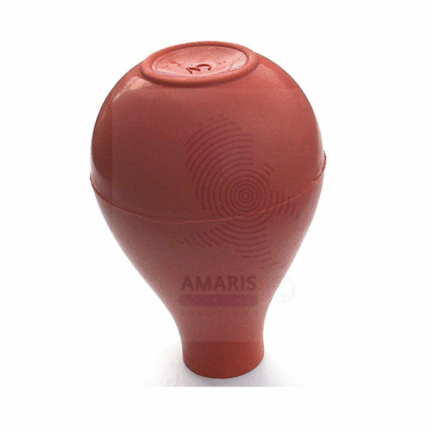
PIPETTE BULB
A Pipette Bulb is a flexible, hand-operated rubber or silicone device designed to safely draw and dispense liquids into pipettes without the need for mouth pipetting. It functions by creating a vacuum when squeezed and released, allowing for controlled aspiration and expulsion of liquids in laboratory settings. Pipette bulbs are widely used in analytical, clinical, chemical, and educational laboratories to ensure safety and precision when working with chemical or biological samples. They are compatible with various types of pipettes, including volumetric, graduated, and serological pipettes.
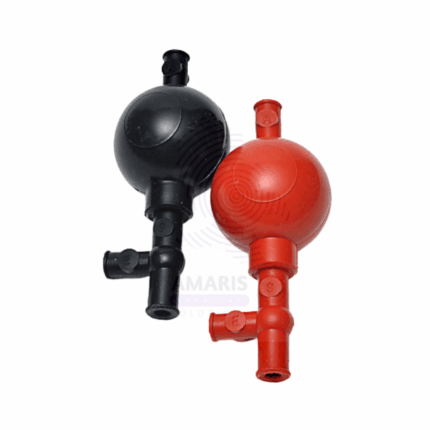
PIPETTE FILLER BULB TYPE
The Pipette Filler Bulb Type is a manual, rubber-based liquid handling accessory designed to provide safe and precise control over the aspiration and dispensing of liquids using pipettes. It is shaped like a bulb and typically includes one-way valves or a three-valve mechanism (Aspirate, Dispense, and Air Release) to regulate fluid movement. This tool eliminates the hazardous practice of mouth pipetting and ensures user safety when working with corrosive, toxic, or infectious substances. Compatible with both glass and plastic pipettes, the bulb-type pipette filler is widely used in educational, clinical, pharmaceutical, and analytical laboratories.
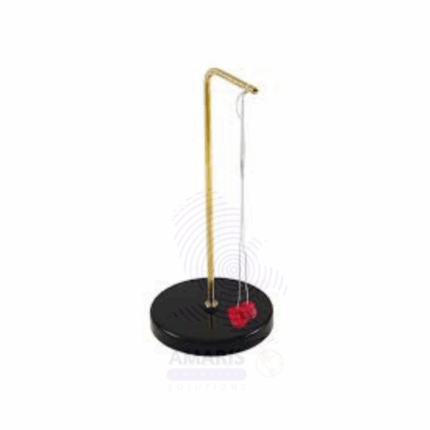
PITH BALLS ON STAND
Product Description
Pith Balls on Stand are lightweight, spherical objects typically made from dried plant pith (spongy plant tissue), suspended from insulating threads and mounted on a non-conductive support structure. These classical electrostatics demonstration tools are used in physics laboratories to visually illustrate principles of static electricity, charge induction, electric forces, and Coulomb’s Law. The balls are extremely lightweight and react readily to electrostatic forces when charged objects are brought nearby, making them ideal for teaching foundational electricity concepts. The stand is usually composed of a plastic or acrylic base and vertical support to ensure stability and electrical insulation during experiments.
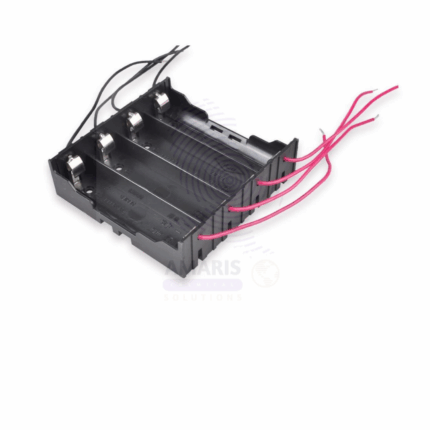
Plastic Cell Holder
A Plastic Cell Holder is a laboratory accessory used to securely hold electrochemical or dry cells (batteries) in place during physics or electrical experiments. It is typically made from non-conductive, durable plastic and may feature metal terminals or spring-loaded clips for electrical connections. These holders provide a stable and safe platform to integrate batteries into circuits for educational demonstrations, testing setups, or prototyping purposes. Designed for use with common battery sizes (such as D, C, AA, or specialized cells), the holder ensures easy insertion, removal, and reliable connection of power sources without short-circuiting. It is widely used in physics labs, electronics training, and school science kits.
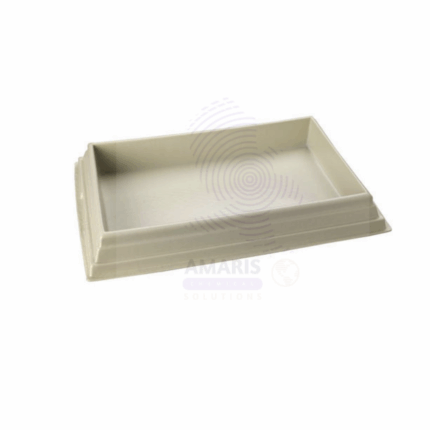
PLASTIC DISSECTING TRAY WITHOUT WAX
The Plastic Dissecting Tray without Wax is a laboratory instrument used to hold specimens during dissection procedures in biology, zoology, anatomy, and educational labs. Unlike traditional dissecting trays that include a wax layer for pinning specimens, this tray offers a reusable, wax-free surface, typically designed to accommodate separate pinning pads or mats (e.g., rubber or foam inserts). It is made from high-grade, chemical-resistant plastic such as polypropylene or ABS, offering a lightweight, durable, and easy-to-clean platform. The tray typically features raised sides to contain fluids and provide a controlled
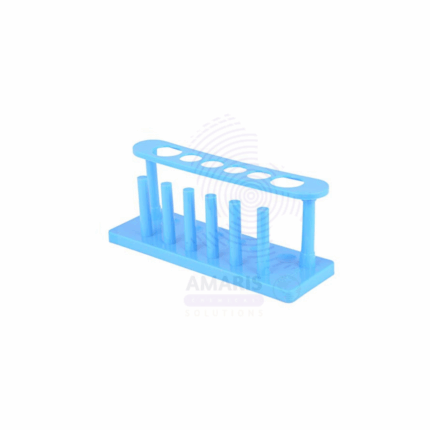
PLASTIC TEST TUBE STAND 6HOLE
The Plastic Test Tube Stand 6Hole is a laboratory support accessory designed to securely hold test tubes in an upright position during experimental procedures, storage, or drying. This version features six equally spaced holes, each capable of accommodating standard-size test tubes. Constructed from chemical-resistant, durable plastic such as polypropylene or ABS, the stand is lightweight, stable, and easy to clean. Often used in educational, analytical, and clinical laboratories, it provides a convenient and organized way to manage test tubes during chemical reactions, sample handling, or heating processes. The design may also include drying pegs or smaller side holes for inverted tube drying.

PLASTIC WASH BOTTLE
A Plastic Wash Bottle is a squeezable laboratory container designed to dispense liquids—usually water or solvents—in a controlled stream through a narrow nozzle or spout. Made from chemical-resistant, semi-flexible plastic such as low-density polyethylene (LDPE), polypropylene (PP), or fluoropolymer materials, the bottle allows for precision rinsing or washing of laboratory glassware, instruments, or surfaces without direct contact. The cap and nozzle are typically screw-fitted and designed to prevent leaks while enabling directional flow. It is a standard utility item in chemical, biological, educational, and analytical laboratories.
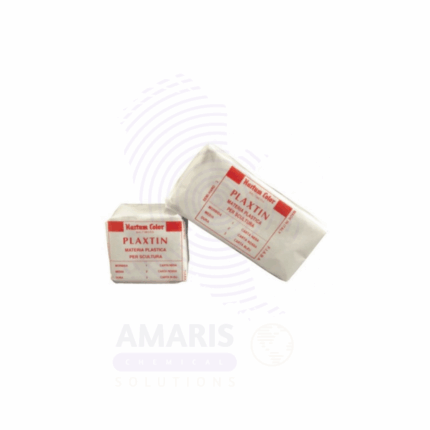
Plasticine Extra Pure
Plasticine Extra Pure is a soft, pliable, and non-drying modeling compound formulated for precision use in educational, artistic, and scientific applications. Unlike traditional clays, this extra pure grade contains high-quality, non-toxic ingredients that ensure safety, smooth texture, and ease of molding without hardening over time.
It is commonly used in schools, laboratories, design studios, and animation, offering excellent workability for crafting models, prototypes, or anatomical structures. Its stable composition allows repeated reuse without loss of quality, making it both economical and environmentally friendly.
Plasticine should be kept sealed in a cool, dust-free environment to preserve its flexibility. Although non-toxic, it should not be ingested, and basic hygiene should be practiced after handling, especially in laboratory or classroom settings.
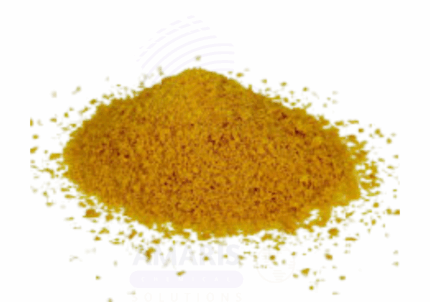
Poly Aluminium Chloride Extra Pure
Poly Aluminium Chloride Extra Pure is a high-efficiency inorganic coagulant widely used in water treatment, paper manufacturing, and various industrial processes. In its extra pure grade, PAC is characterized by a high degree of purity, minimal impurities, and consistent performance, making it suitable for critical applications requiring stringent quality control.
PAC works by neutralizing the negative charges on suspended particles, allowing them to coagulate and settle quickly. It is highly effective in clarifying drinking water, treating industrial and municipal wastewater, and removing heavy metals, organic matter, and pathogens. Additionally, in the paper industry, PAC improves paper strength and retention of fillers.
This compound should be handled with appropriate PPE, including gloves and eye protection, and stored in a cool, dry, and well-ventilated area, away from reactive substances. PAC is non-flammable but may cause irritation on contact with skin or eyes.
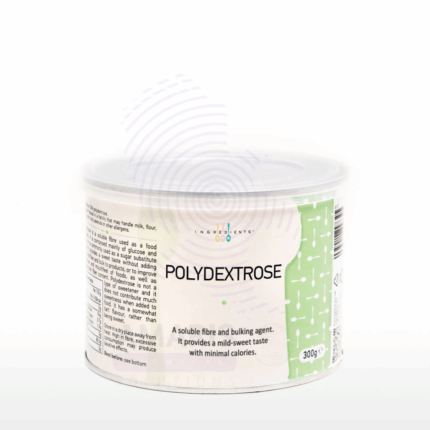
Polydextrose Extra Pure
Polydextrose Extra Pure is a premium-grade synthetic polymer of glucose, widely used as a dietary fiber, bulking agent, and low-calorie carbohydrate substitute in food, pharmaceutical, and nutraceutical applications. Its high purity ensures suitability for laboratory, formulation, and quality-sensitive uses.
This compound is valued for its excellent solubility, neutral taste, and stability across a wide pH range and temperatures. It is commonly incorporated into sugar-free, low-calorie, or high-fiber food products such as baked goods, beverages, and nutritional supplements. In pharmaceutical formulations, it may serve as an excipient or filler in tablets and capsules.
Polydextrose is generally recognized as safe (GRAS) and well-tolerated, though excessive intake may have a mild laxative effect. It should be stored in a cool, dry place, sealed tightly to avoid moisture absorption.
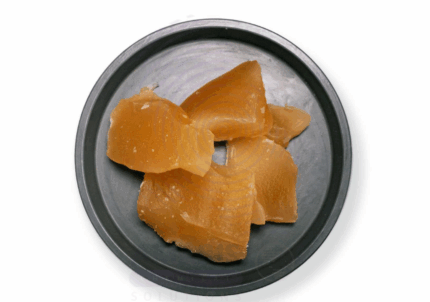
Polyglyceryl Extra Pure
Polyglyceryl Extra Pure refers to a high-purity class of non-ionic surfactants and emulsifiers derived from glycerol units. These compounds are widely used in cosmetics, pharmaceuticals, and food formulations due to their excellent skin compatibility, emulsifying properties, and biodegradability.
Polyglyceryls come in various forms (e.g., Polyglyceryl-3, Polyglyceryl-6, Polyglyceryl-10), each offering different levels of hydrophilicity and emulsifying strength. In cosmetics, they help create stable oil-in-water emulsions, ideal for lotions, creams, cleansers, and sunscreens. In pharmaceuticals, their non-toxic and non-irritating nature makes them suitable carriers for active ingredients. In food products, they function as safe emulsifiers and stabilizers, supporting clean-label and natural product development.
This extra pure grade ensures low impurity levels, minimal odor, and consistent performance, making it ideal for sensitive applications. Store tightly sealed in a cool, dry place away from heat and light to maintain its stability and quality.
Porcelain Boat
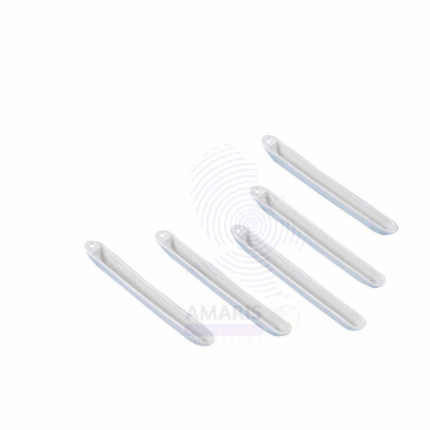
A Porcelain Boat is a small, shallow, boat-shaped laboratory vessel made from high-quality, heat-resistant porcelain. It is designed primarily for the safe heating, drying, and combustion of solid substances. The smooth, glazed surface of the porcelain resists chemical corrosion and thermal shock, allowing for direct application of heat using burners such as Bunsen flames. Porcelain Boats are widely used in chemical analysis, qualitative testing, and sample preparation to hold small quantities of powders, crystals, or other solids during ignition or ashing procedures. Their shape facilitates easy pouring and transfer of materials and is ideal for use in muffle furnaces or over direct flames.

Porous Pot
A Porous Pot is a cylindrical or tubular laboratory apparatus made from sintered or fired ceramic material that features a permeable structure allowing the passage of gases or liquids while retaining solids or particulates. This highly porous ceramic vessel is commonly used in laboratory and industrial settings for filtration, diffusion, and separation processes. The pot’s micro-porous walls facilitate controlled fluid flow, making it ideal for applications such as gas absorption, water softening, and chemical diffusion experiments. Porous Pots are chemically inert, mechanically stable, and resistant to high temperatures, making them durable tools in analytical and preparative laboratory procedures.
Portable Gas Burner
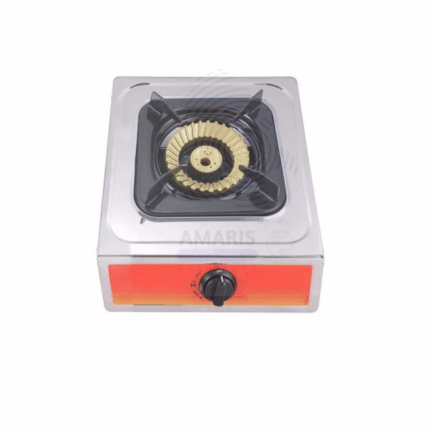
Portable Gas Burner is a compact, lightweight burner designed specifically for laboratory and field applications requiring a reliable heat source. Typically fueled by LPG or butane gas, it provides a clean, adjustable flame suitable for heating, sterilization, and combustion tasks. Constructed from durable materials with heat-resistant finishes, this burner features safety valves and flame controls for precise operation. Its portability allows for easy transport and use in diverse environments, including classrooms, research sites, and outdoor experiments.












