

 Preservatives(food)
 Flavors
 Acidulants
 Sweeteners
 Antioxidants
 Colorants(food)
 Nutraceutical Ingredients (food)
 Nutrient Supplements
 Emulsifiers
 Collectors
 Dust Suppressants
 Explosives and Blasting Agents
 Flocculants and Coagulants
 Frothers
 Leaching Agents
 pH Modifiers
 Precious Metal Extraction Agents
 Antioxidants(plastic)
 Colorants (Pigments, Dyes)
 Fillers and Reinforcements
 Flame Retardants
 Monomers
 Plasticizers
 Polymerization Initiators
 Stabilizers (UV, Heat)
 Antifoaming Agents
 Chelating Agents
 Coagulants and Flocculants
 Corrosion Inhibitors
 Disinfectants and Biocides
 Oxidizing Agents
 pH Adjusters
 Scale Inhibitors( water)
 Antioxidants(cosmetic)
 Emollients
 Oils
Oils Carrier Oills
 Essential Oils
 Humectants
 Preservatives
 Surfactants(cosmetic)
 Thickeners
 UV Filters
 Fragrance (Cosmetics)
 Fertilizers
 Soil Conditioners
 Plant Growth Regulators
 Animal Feed Additives
 Biostimulants
 Pesticides (Herbicides, Insecticides, Fungicides)
 Active Pharmaceutical Ingredients (APIs)
 Excipients
 Solvents(pharmaceutical)
 Antibiotics
 Antiseptics and Disinfectants
 Vaccine Adjuvants
 Nutraceutical Ingredients (pharmaceutical)
 Analgesics & Antipyretics
 Analytical Reagents
 Solvents(lab)
 Chromatography Chemicals
 Spectroscopy Reagents
 microbiology-and-cell-culture-reagents
 Molecular Biology Reagents
 Biochemical Reagents
 Inorganic and Organic Standards
 Laboratory Safety Chemicals
 Specialty Laboratory Chemicals(Special Laboratory Equipment)
 Demulsifiers
 Hydraulic Fracturing Fluids
 Scale Inhibitors(oil)
 Surfactants(oil)
 Drilling Fluids
 Dyes and Pigments
 Bleaching Agents
 Softening Agents
 Finishing Agents
 Antistatic Agents
 Admixtures
 Waterproofing Agents
 Sealants and Adhesives
 Curing Compounds
 Concrete Repair Chemicals
 Anti-Corrosion Coatings
 Surfactants(cleaning)
 Builders
 Enzymes
 Solvents (Cleaning)
 Electronic Chemicals
 Catalysts
 Lubricants
 Photographic Chemicals
 Refrigerants
 Automotive chemicals
 Pyrotechnic Chemicals
 Biodegradable Surfactants
 Bio-based Solvents
 Renewable Polymers
 Carbon Capture Chemicals
 Wastewater Treatment Chemicals
 Pigments
 Solvents(paint)
 Specialty Coatings
 Binders/Resins
 Additives
 Driers
 Anti-Corrosion Agents
 Functional Coatings
 Application-Specific Coatings
 Leavening Agents
 Dough Conditioners
 Flour Treatments
 Fat Replacers
 Decoratives
 Preservatives(baking)
 Plasticizers & Softeners
 Reinforcing Agents
 Adhesion Promoters
 Vulcanizing Agents
 Antidegradants
 Blowing Agents
 Fillers & Extenders
 Accelerators & Retarders

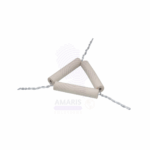

PIN HOLE CAMERA
Original price was: $ 11.79.$ 11.61Current price is: $ 11.61.
A Pin Hole Camera is a simple optical device that demonstrates the fundamental principles of image formation through a small aperture, without the use of lenses. It consists of a light-tight box or container with a tiny hole on one side and a translucent screen or photographic paper on the opposite side where the inverted image is projected. Widely used in physics and educational demonstrations, the pin hole camera helps illustrate how light travels in straight lines and how images are formed. It’s a foundational tool in optics, enabling students and learners to explore the behavior of light and basic photography principles.
PIN HOLE CAMERA
Primary Uses
- Educational and Demonstrational Applications
- Demonstrating basic optical principles such as image formation and light travel.
- Teaching the concept of camera obscura and the behavior of light rays.
- Introducing students to early photographic techniques and analog imaging.
- Conducting safe solar observations (e.g., viewing solar eclipses) when constructed with proper safety precautions.
Secondary Uses
- Art and Hobby Applications
- Used in artistic photography for creating soft-focus, wide-depth images.
- DIY camera projects and creative analog image-making.
1.Basic Identification Attributes
- Material: Cardboard, plastic, or metal (light-tight construction).
- Structure: Enclosed box with a very small aperture (pinhole) and a screen or film opposite the hole.
- Image Output: Inverted real image projected on a viewing surface or photographic medium.
- Portability: Lightweight and easy to construct or transport.
2.Physical & Chemical Properties
- Optical Clarity: Produces soft yet accurate representations of scenes.
- Durability: Varies depending on build material; cardboard models are less durable than metal or plastic versions.
3.Safety & Hazard Attributes
- Safe to use when constructed properly.
- Not suitable for direct viewing of intense light sources (like the sun) without additional filters.
4.Storage & Handling Attributes
- Store in dry, dust-free environments to avoid damage to the body or viewing surface.
- Handle gently to maintain the integrity of the pinhole and prevent light leaks.
5.Regulatory & Compliance Attributes
- No specific regulatory constraints; commonly used in educational environments.
6.Environmental & Health Impact
- Often made from recyclable or reusable materials (cardboard, paper, etc.).
- No hazardous waste generated under normal use.
Safety Handling Precautions
- Do not point at bright light sources without proper shielding to avoid eye strain or damage.
- Handle with care to avoid damaging the pinhole or internal surface.
First Aid Measures
- Not applicable under normal use.
Firefighting Measures
- Cardboard-based models are flammable—use standard extinguishing agents such as water, foam, or CO₂.
Related products
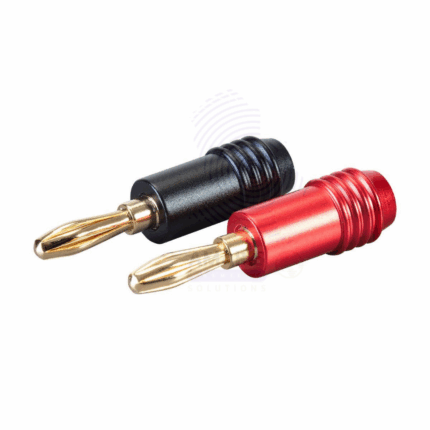
Banana Plug
The Banana Plug is a single-wire electrical connector used to join wires to equipment in testing, measuring, and laboratory applications. It features a cylindrical metal pin with a spring mechanism to ensure a secure and reliable connection. The plug is widely used for quick and easy connections in electronic testing devices, audio systems, and laboratory instruments. Made from high-conductivity metals such as brass or copper and often gold- or nickel-plated for corrosion resistance, the Banana Plug provides consistent electrical conductivity and durability.
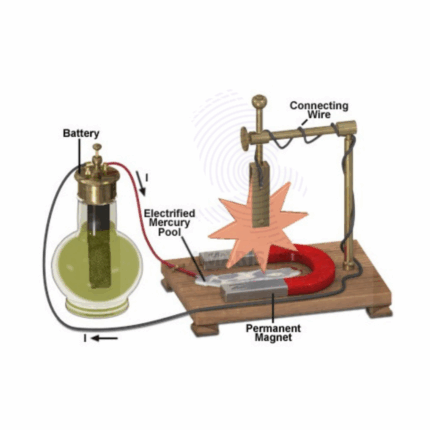
Barlows Wheel Apparatus
Barlows Wheel Apparatus is a classic physics demonstration device used to illustrate electromagnetic effects, specifically the principles of electric motors and the interaction between magnetic fields and electric current. It consists of a rotating wheel in contact with an electric circuit and a magnetic field, demonstrating motion generated by electromagnetic forces. The apparatus is widely used in educational laboratories to teach fundamental concepts of electromagnetism and motor action, as well as in industrial training for understanding motor components and operation.
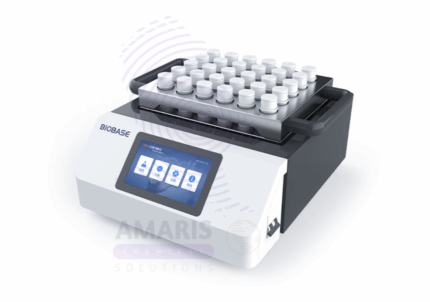
Bio-Waste Digester Kit
The Bio-Waste Digester Kit (1 Liter) is a compact, ready-to-use microbial solution designed to accelerate the decomposition of organic waste through natural biodegradation. This kit contains a high-activity blend of non-pathogenic microorganisms and enzymes capable of breaking down a wide range of biodegradable materials including food scraps, plant matter, and organic sludge. It is formulated for efficient use in laboratory-scale digestion experiments as well as small-scale industrial or institutional bio-waste treatment systems. The product supports environmentally responsible waste management by reducing organic load, minimizing odors, and converting waste into more manageable byproducts such as methane, carbon dioxide, and stabilized compost.
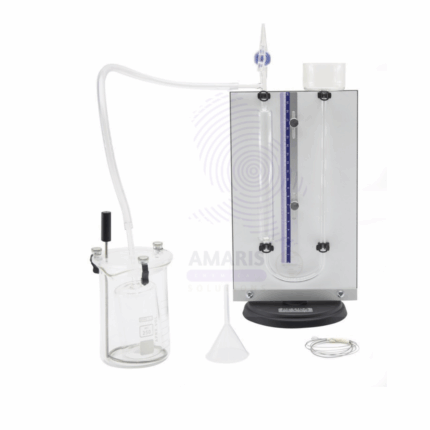
Charles law apparatus
Product Description
Charles Law Apparatus is a scientific device used to demonstrate and study Charles's Law, which states that the volume of a gas is directly proportional to its temperature at constant pressure. The apparatus typically consists of a sealed container connected to a graduated tube or syringe, allowing measurement of gas volume changes as temperature varies. It is widely used in physics and chemistry laboratories for educational and experimental purposes, helping users understand gas behavior under thermal changes.
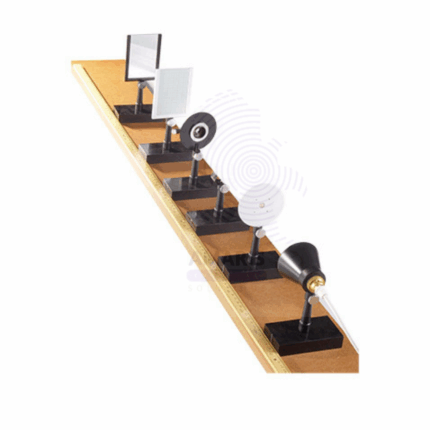
Complete optical bench
Product Description
Complete Optical Bench is a precision laboratory apparatus designed to facilitate experiments involving optics, such as the study of lenses, mirrors, light refraction, reflection, and focal lengths. It consists of a rigid, graduated base rail with movable holders for optical components like lenses, mirrors, prisms, and light sources. The modular design allows flexible setup of various optical experiments, making it an essential tool in physics laboratories for teaching and research.
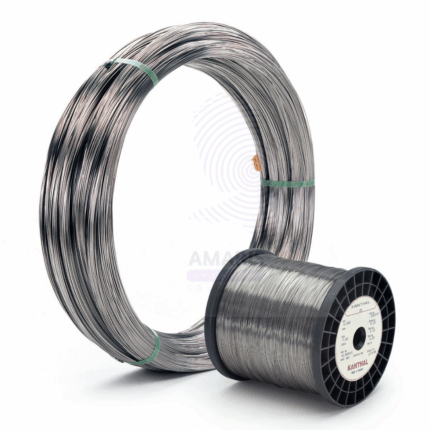
Constantine wire
Constantine Wire is an alloy wire composed primarily of copper, nickel, and zinc, known for its high electrical conductivity, corrosion resistance, and durability. It is widely used in electrical applications requiring reliable conduction and mechanical strength. The wire exhibits excellent resistance to oxidation and mechanical wear, making it suitable for various laboratory and industrial uses.
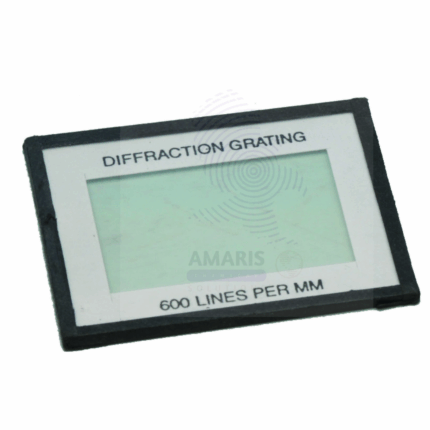
Diffraction Gratings
Diffraction Gratings are precision optical components used to disperse light into its component wavelengths for spectral analysis. These gratings consist of a surface with a series of closely spaced lines or grooves that diffract incoming light at specific angles depending on wavelength, enabling separation and measurement of spectral bands. Available in transmission or reflection formats, diffraction gratings are made from materials like glass or quartz and are often coated for enhanced optical performance. They are widely used in laboratories, research institutions, and industrial applications involving spectroscopy, photonics, and laser systems.
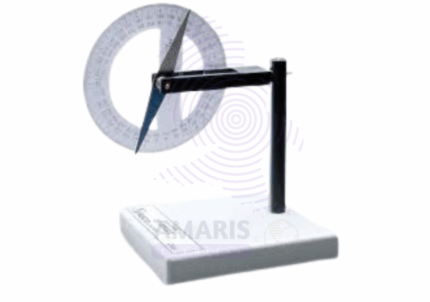
Dip Needle Complete
Dip Needle Complete is a fully assembled and calibrated magnetic dip measurement instrument used for precise determination of the Earth’s magnetic inclination angle. This complete apparatus includes a magnetized dip needle mounted on a low-friction pivot within a protective housing, accompanied by a graduated circular scale for accurate angular readings. The instrument is designed for use in geophysical surveys, educational labs, and research institutions to study Earth’s magnetic field behavior. The complete setup ensures reliable, repeatable measurements with enhanced durability and ease of use, suitable for both field and laboratory environments.












