

 Preservatives(food)
 Flavors
 Acidulants
 Sweeteners
 Antioxidants
 Colorants(food)
 Nutraceutical Ingredients (food)
 Nutrient Supplements
 Emulsifiers
 Collectors
 Dust Suppressants
 Explosives and Blasting Agents
 Flocculants and Coagulants
 Frothers
 Leaching Agents
 pH Modifiers
 Precious Metal Extraction Agents
 Antioxidants(plastic)
 Colorants (Pigments, Dyes)
 Fillers and Reinforcements
 Flame Retardants
 Monomers
 Plasticizers
 Polymerization Initiators
 Stabilizers (UV, Heat)
 Antifoaming Agents
 Chelating Agents
 Coagulants and Flocculants
 Corrosion Inhibitors
 Disinfectants and Biocides
 Oxidizing Agents
 pH Adjusters
 Scale Inhibitors( water)
 Antioxidants(cosmetic)
 Emollients
 Oils
Oils Carrier Oills
 Essential Oils
 Humectants
 Preservatives
 Surfactants(cosmetic)
 Thickeners
 UV Filters
 Fragrance (Cosmetics)
 Fertilizers
 Soil Conditioners
 Plant Growth Regulators
 Animal Feed Additives
 Biostimulants
 Pesticides (Herbicides, Insecticides, Fungicides)
 Active Pharmaceutical Ingredients (APIs)
 Excipients
 Solvents(pharmaceutical)
 Antibiotics
 Antiseptics and Disinfectants
 Vaccine Adjuvants
 Nutraceutical Ingredients (pharmaceutical)
 Analgesics & Antipyretics
 Analytical Reagents
 Solvents(lab)
 Chromatography Chemicals
 Spectroscopy Reagents
 microbiology-and-cell-culture-reagents
 Molecular Biology Reagents
 Biochemical Reagents
 Inorganic and Organic Standards
 Laboratory Safety Chemicals
 Specialty Laboratory Chemicals(Special Laboratory Equipment)
 Demulsifiers
 Hydraulic Fracturing Fluids
 Scale Inhibitors(oil)
 Surfactants(oil)
 Drilling Fluids
 Dyes and Pigments
 Bleaching Agents
 Softening Agents
 Finishing Agents
 Antistatic Agents
 Admixtures
 Waterproofing Agents
 Sealants and Adhesives
 Curing Compounds
 Concrete Repair Chemicals
 Anti-Corrosion Coatings
 Surfactants(cleaning)
 Builders
 Enzymes
 Solvents (Cleaning)
 Electronic Chemicals
 Catalysts
 Lubricants
 Photographic Chemicals
 Refrigerants
 Automotive chemicals
 Pyrotechnic Chemicals
 Biodegradable Surfactants
 Bio-based Solvents
 Renewable Polymers
 Carbon Capture Chemicals
 Wastewater Treatment Chemicals
 Pigments
 Solvents(paint)
 Specialty Coatings
 Binders/Resins
 Additives
 Driers
 Anti-Corrosion Agents
 Functional Coatings
 Application-Specific Coatings
 Leavening Agents
 Dough Conditioners
 Flour Treatments
 Fat Replacers
 Decoratives
 Preservatives(baking)
 Plasticizers & Softeners
 Reinforcing Agents
 Adhesion Promoters
 Vulcanizing Agents
 Antidegradants
 Blowing Agents
 Fillers & Extenders
 Accelerators & Retarders



PH METER STRIPS
pH Meter Strips, also known as pH indicator strips or litmus strips, are thin strips of paper or plastic impregnated with pH-sensitive dyes that change color in response to the acidity or alkalinity of a solution. These strips provide a quick, convenient, and cost-effective method to measure the pH level of liquids in laboratories, educational settings, and industrial processes. They are widely used for routine pH testing in chemistry, biology, environmental monitoring, water treatment, and quality control applications. The color change on the strips can be compared against a color chart to determine the approximate pH value of the tested solution.
PH METER STRIPS
Primary Uses
- Laboratory and Educational Applications
- Rapid determination of pH in aqueous solutions.
- Monitoring pH in chemical reactions and experiments.
- Testing soil or water pH in environmental science.
- Teaching acid-base concepts in schools and colleges.
Secondary Uses
- Industrial and Quality Control Applications
- Monitoring pH in food and beverage production.
- Checking water quality in water treatment plants.
- Testing pH in cosmetic and pharmaceutical formulations.
1.Basic Identification Attributes
- Material: Paper or plastic strips impregnated with pH-sensitive dyes.
- Format: Strips cut to standardized sizes for easy handling.
- Color Range: Changes color across a broad pH range (commonly pH 1–14).
- Packaging: Typically supplied in bottles or packets with color charts.
2.Physical & Chemical Properties
- Sensitivity: Provides semi-quantitative pH measurement with color comparison.
- Chemical Stability: Stable under normal storage conditions; sensitive to moisture.
- Shelf Life: Typically 1–2 years when stored properly.
3.Safety & Hazard Attributes
- Non-toxic and safe to handle under normal conditions.
- Avoid ingestion or prolonged skin contact with chemicals on strips.
4.Storage & Handling Attributes
- Store in a cool, dry place away from direct sunlight and moisture.
- Keep containers tightly closed to maintain strip effectiveness.
- Handle with clean, dry hands or gloves to prevent contamination.
5.Regulatory & Compliance Attributes
- Manufactured according to laboratory quality and safety standards.
6.Environmental & Health Impact
- Paper-based strips are biodegradable.
- Dispose of used strips according to local waste regulations.
Safety Handling Precautions
- Use gloves if handling chemicals or unknown samples.
- Avoid contact with eyes and mouth.
First Aid Measures
- In case of skin contact, wash thoroughly with water.
- If irritation occurs, seek medical advice.
- If ingested, seek immediate medical attention.
Firefighting Measures
- Non-flammable.
Related products
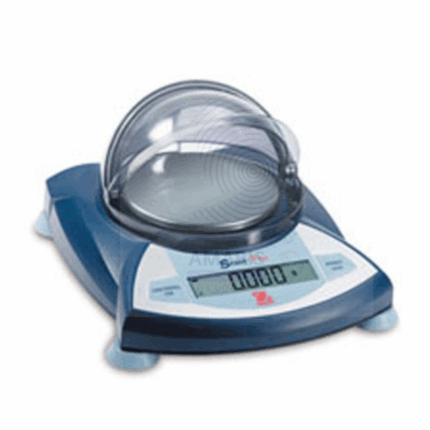
Balance Electronic Ohaus Scout Pro
The Balance Electronic Ohaus Scout Pro is a versatile, high-performance laboratory balance designed for precision weighing in demanding laboratory and industrial environments. Featuring a durable stainless steel housing, intuitive user interface, and a bright backlit LCD display, the Scout Pro offers fast, accurate measurements with high repeatability. It includes multiple weighing units, built-in applications such as parts counting, check weighing, formulation, and dynamic weighing, making it ideal for a broad range of scientific, educational, and quality control tasks. Its robust design supports both bench-top and portable use, powered by AC or rechargeable battery, providing flexibility and reliability in various operational settings.
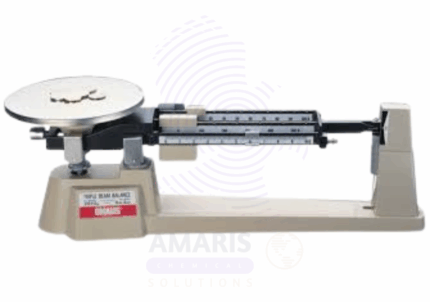
Balance Mechanical Ohaus Triple Beam
The Balance Mechanical Ohaus Triple Beam is a precision manual weighing instrument designed for laboratory and industrial environments requiring accurate measurement of various sample masses. Featuring three adjustable beams for incremental weight measurement, it offers ease of calibration and durability with a robust metal construction. This mechanical balance operates without electricity, making it ideal for environments where power supply may be limited. Its reliable and repeatable measurements support diverse applications from research to quality control.
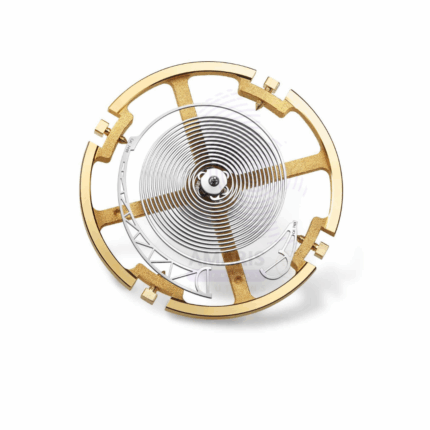
Balance Spring
The Balance Spring is a fundamental mechanical component used in balances and scales to measure weight through elastic deformation. It converts force into measurable displacement, enabling precise weight determination in various laboratory and industrial balances. Manufactured from high-quality, durable metals with excellent elastic properties, the balance spring ensures consistent performance and longevity under repeated use. It is essential for maintaining accuracy and reliability in mechanical weighing devices.
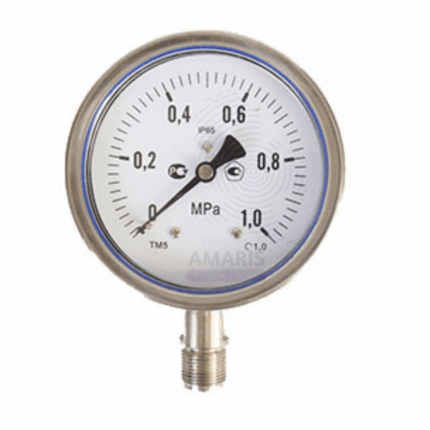
Bourdan Gauge
The Bourdon Gauge is a mechanical pressure measuring instrument widely used to measure medium to high pressure of gases and liquids in various laboratory and industrial applications. It consists of a curved, hollow metal tube which straightens as pressure increases, causing a pointer to move over a calibrated scale for easy reading. Known for its durability, reliability, and precision, the Bourdon Gauge is essential in pressure monitoring, process control, and safety systems. It operates without electrical power, making it ideal for harsh environments.
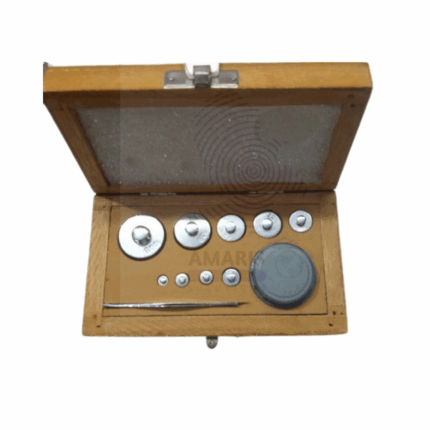
Chemical balance weight box
The Chemical Balance Weight Box is a sturdy, protective container designed to store and organize standard balance weights used for chemical and laboratory measurements. Made from durable materials like wood, metal, or plastic, it ensures the secure keeping of precision weights, protecting them from dust, moisture, and damage. It is essential for maintaining the accuracy and longevity of laboratory weights.

conductivity rods
Conductivity rods are laboratory instruments used to measure the electrical conductivity of liquids, which indicates the ionic content and purity of a solution. Typically made from corrosion-resistant materials like stainless steel or graphite, these rods serve as electrodes immersed in liquid samples to detect the flow of electric current. Conductivity rods are essential for water quality testing, chemical analysis, and various industrial processes where monitoring solution conductivity is critical.
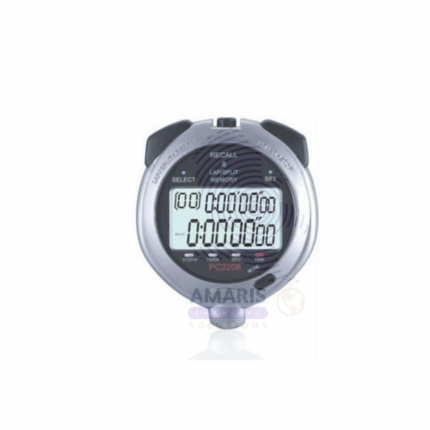
Laboratory stop watch
The Laboratory Stop Watch is a precision timing device used in laboratories to accurately measure time intervals during experiments and processes. Designed for reliability and ease of use, it features start, stop, and reset functions, often with digital or analog displays. This stopwatch is essential for kinetic studies, reaction timing, process control, and any experiment requiring precise time measurement. Durable and portable, it is suitable for various scientific, educational, and industrial laboratory applications.
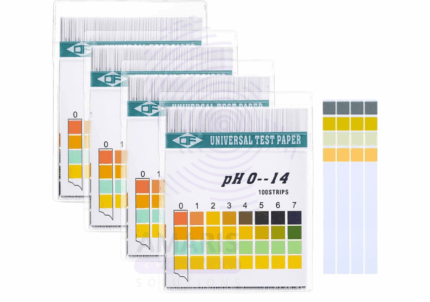
Universal pH Chart 1 To 14
Universal pH Chart 1 to 14 is a standardized reference chart displaying the full pH scale from acidic (1) to basic (14) conditions. This chart is an essential tool in laboratories, classrooms, and industrial settings for quick identification and comparison of pH levels in various solutions. Printed on durable, waterproof material, it provides clear color gradations corresponding to pH values, aiding in the interpretation of pH test results from indicators, strips, or probes. The Universal pH Chart assists scientists, students, and technicians in chemical analysis, water quality testing, environmental monitoring, and educational demonstrations.












