Preservatives(food)
 Flavor Enhancers
 Acidulants
 Sweeteners
 Antioxidants
 Colorants(food)
 Nutraceutical Ingredients (food)
 Nutrient Supplements
 Emulsifiers
 Collectors
 Dust Suppressants
 Explosives and Blasting Agents
 Flocculants and Coagulants
 Frothers
 Leaching Agents
 pH Modifiers
 Precious Metal Extraction Agents
 Antioxidants(plastic)
 Colorants (Pigments, Dyes)
 Fillers and Reinforcements
 Flame Retardants
 Monomers
 Plasticizers
 Polymerization Initiators
 Stabilizers (UV, Heat)
 Antifoaming Agents
 Chelating Agents
 Coagulants and Flocculants
 Corrosion Inhibitors
 Disinfectants and Biocides
 Oxidizing Agents
 pH Adjusters
 Scale Inhibitors( water)
 Antioxidants(cosmetic)
 Emollients
 Fragrances and Essential Oils
 Humectants
 Preservatives
 Surfactants(cosmetic)
 Thickeners
 UV Filters
 Fertilizers
 Soil Conditioners
 Plant Growth Regulators
 Animal Feed Additives
 Biostimulants
 Pesticides (Herbicides, Insecticides, Fungicides)
 Active Pharmaceutical Ingredients (APIs)
 Excipients
 Solvents(pharmaceutical)
 Antibiotics
 Antiseptics and Disinfectants
 Vaccine Adjuvants
 Nutraceutical Ingredients (pharmaceutical)
 Analgesics & Antipyretics
 Analytical Reagents
 Solvents(lab)
 Chromatography Chemicals
 Spectroscopy Reagents
 microbiology-and-cell-culture-reagents
 Molecular Biology Reagents
 Biochemical Reagents
 Inorganic and Organic Standards
 Laboratory Safety Chemicals
 Specialty Laboratory Chemicals(Special Laboratory Equipment)
 Demulsifiers
 Hydraulic Fracturing Fluids
 Scale Inhibitors(oil)
 Surfactants(oil)
 Drilling Fluids
 Dyes and Pigments
 Bleaching Agents
 Softening Agents
 Finishing Agents
 Antistatic Agents
 Admixtures
 Waterproofing Agents
 Sealants and Adhesives
 Curing Compounds
 Concrete Repair Chemicals
 Anti-Corrosion Coatings
 Surfactants(cleaning)
 Builders
 Enzymes
 Solvents (Cleaning)
 Fragrances
 Electronic Chemicals
 Catalysts
 Lubricants
 Photographic Chemicals
 Refrigerants
 Automotive chemicals
 Pyrotechnic Chemicals
 Biodegradable Surfactants
 Bio-based Solvents
 Renewable Polymers
 Carbon Capture Chemicals
 Wastewater Treatment Chemicals
 Pigments
 Solvents(paint)
 Specialty Coatings
 Binders/Resins
 Additives
 Driers
 Anti-Corrosion Agents
 Functional Coatings
 Application-Specific Coatings
 Leavening Agents
 Dough Conditioners
 Flour Treatments
 Fat Replacers
 Decoratives
 Preservatives(baking)
 Plasticizers & Softeners
 Reinforcing Agents
 Adhesion Promoters
 Vulcanizing Agents
 Antidegradants
 Blowing Agents
 Fillers & Extenders
 Accelerators & Retarders
Petroleum Resin: The Versatile Industrial Polymer Enhancing Adhesives, Coatings, and Modern Manufacturing ⚙️🧪🏭

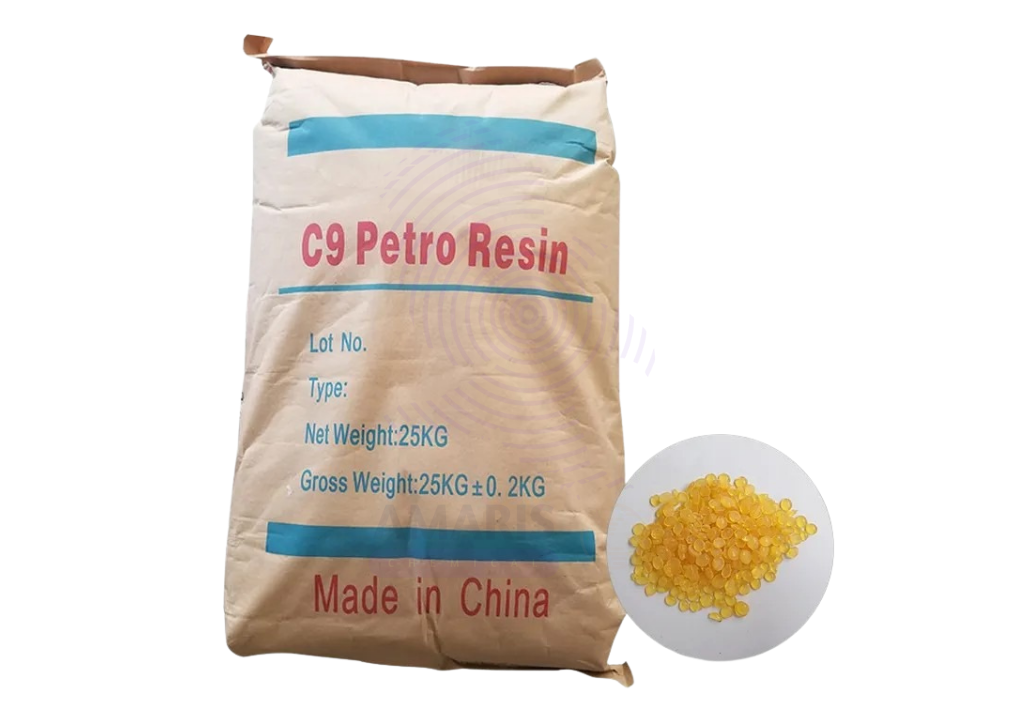
In the world of industrial chemicals and advanced manufacturing, Petroleum Resin has become one of the most important synthetic resins used across multiple industries. Known for its excellent adhesive properties, durability, and compatibility with many industrial materials, petroleum resin plays a major role in the production of adhesives, paints, coatings, printing inks, rubber products, and construction materials.
Although it often works behind the scenes in manufacturing processes, petroleum resin significantly improves the performance and quality of many everyday products. Its ability to enhance tackiness, flexibility, gloss, and resistance makes it a preferred ingredient in modern industrial formulations. From road marking paints and packaging adhesives to rubber processing and specialty coatings, petroleum resin continues to support industrial innovation worldwide.
What is Petroleum Resin?
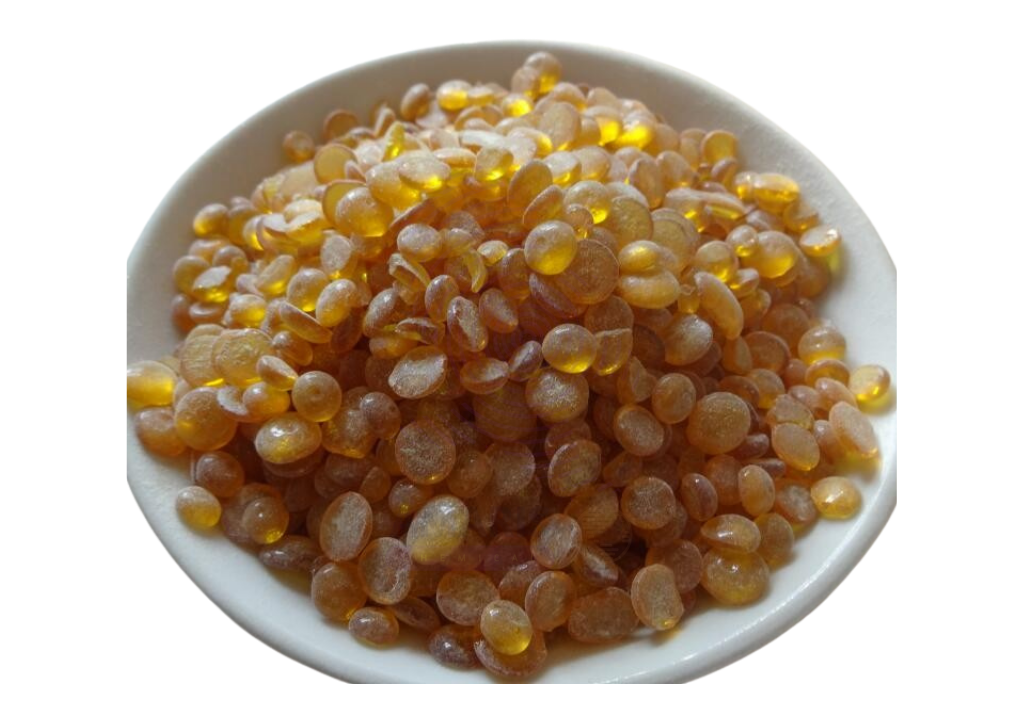
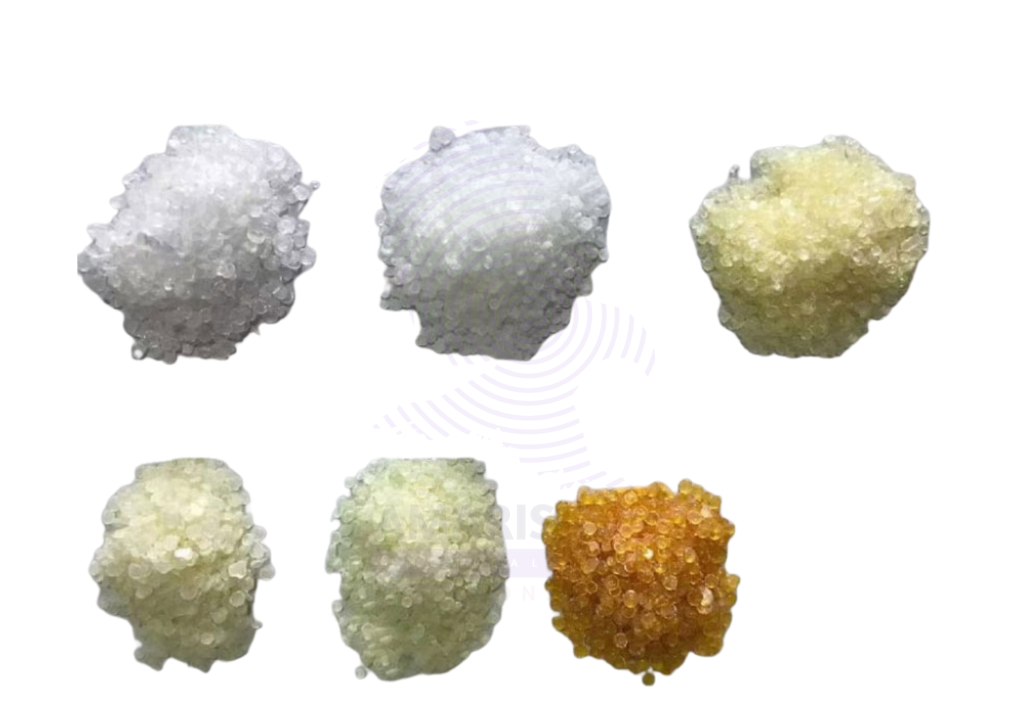
Petroleum resin is a synthetic hydrocarbon resin produced from petroleum-derived raw materials during petrochemical processing. It is usually available as a pale yellow to amber-colored solid in the form of flakes, granules, or lumps. Manufacturers value petroleum resin because of its strong adhesive characteristics, good thermal stability, and excellent compatibility with other polymers and industrial materials.
One of the reasons petroleum resin is so widely used is its versatility. Depending on the formulation and processing method, it can improve product flexibility, increase surface gloss, strengthen adhesion, and enhance resistance to moisture and chemicals. These qualities make it useful in a broad range of manufacturing industries.
Applications in Adhesives and Coatings 🧴🎨
One of the largest applications of petroleum resin is in the adhesive industry. It is commonly used as a tackifier in hot melt adhesives and pressure-sensitive adhesives because it improves bonding strength and overall adhesive performance. Packaging materials, bookbinding products, industrial tapes, and many other adhesive systems rely on petroleum resin to achieve stronger and more reliable bonding.
In the paints and coatings industry, petroleum resin contributes to improved gloss, durability, and surface finish. It helps coatings dry efficiently while improving adhesion to surfaces. Because of these properties, it is widely used in industrial paints, decorative coatings, and road marking paints that require durability and resistance to environmental exposure.
Importance in Printing Inks and Rubber Industry 🖨️⚙️
Petroleum resin also plays an important role in the production of printing inks. It improves color development, ink adhesion, and print quality, helping manufacturers produce sharper and longer-lasting printed materials. Packaging inks, industrial printing systems, and publication inks frequently incorporate petroleum resin for enhanced performance.
In the rubber and tire industry, petroleum resin is used to improve flexibility, processing performance, and mechanical strength. It enhances tackiness during manufacturing and contributes to the durability of finished rubber products such as tires, seals, footwear, and industrial rubber materials.
Construction and Industrial Uses 🏗️
The construction industry also benefits greatly from petroleum resin. It is used in road marking materials, waterproofing products, sealants, and construction adhesives where strong adhesion and weather resistance are essential. Its durability under harsh environmental conditions makes it suitable for infrastructure and outdoor applications.
Because petroleum resin resists moisture and many chemicals, it performs well in demanding industrial environments. This reliability has made it an important component in modern industrial processing and manufacturing systems.
Advantages of Petroleum Resin
One of the biggest advantages of petroleum resin is its ability to improve the overall performance of industrial products without significantly increasing production costs. It provides excellent adhesion, strong compatibility with different polymers, improved flexibility, enhanced gloss, and good resistance to wear and environmental conditions.
Its versatility allows manufacturers to use it across multiple industries, making it one of the most valuable industrial resins available today.
Final Thoughts
Petroleum Resin continues to play a critical role in modern manufacturing and industrial technology. Its contribution to adhesives, coatings, printing inks, rubber processing, and construction materials highlights its importance as a multifunctional industrial resin.
As industries continue to seek stronger, more durable, and higher-performing materials, petroleum resin will remain an essential ingredient in improving product quality and supporting industrial innovation across the globe. ⚙️🧪🏭