

 Preservatives(food)
 Flavor Enhancers
 Acidulants
 Sweeteners
 Antioxidants
 Colorants(food)
 Nutraceutical Ingredients (food)
 Nutrient Supplements
 Emulsifiers
 Collectors
 Dust Suppressants
 Explosives and Blasting Agents
 Flocculants and Coagulants
 Frothers
 Leaching Agents
 pH Modifiers
 Precious Metal Extraction Agents
 Antioxidants(plastic)
 Colorants (Pigments, Dyes)
 Fillers and Reinforcements
 Flame Retardants
 Monomers
 Plasticizers
 Polymerization Initiators
 Stabilizers (UV, Heat)
 Antifoaming Agents
 Chelating Agents
 Coagulants and Flocculants
 Corrosion Inhibitors
 Disinfectants and Biocides
 Oxidizing Agents
 pH Adjusters
 Scale Inhibitors( water)
 Antioxidants(cosmetic)
 Emollients
 Fragrances and Essential Oils
 Humectants
 Preservatives
 Surfactants(cosmetic)
 Thickeners
 UV Filters
 Fertilizers
 Soil Conditioners
 Plant Growth Regulators
 Animal Feed Additives
 Biostimulants
 Pesticides (Herbicides, Insecticides, Fungicides)
 Active Pharmaceutical Ingredients (APIs)
 Excipients
 Solvents(pharmaceutical)
 Antibiotics
 Antiseptics and Disinfectants
 Vaccine Adjuvants
 Nutraceutical Ingredients (pharmaceutical)
 Analgesics & Antipyretics
 Analytical Reagents
 Solvents(lab)
 Chromatography Chemicals
 Spectroscopy Reagents
 microbiology-and-cell-culture-reagents
 Molecular Biology Reagents
 Biochemical Reagents
 Inorganic and Organic Standards
 Laboratory Safety Chemicals
 Specialty Laboratory Chemicals(Special Laboratory Equipment)
 Demulsifiers
 Hydraulic Fracturing Fluids
 Scale Inhibitors(oil)
 Surfactants(oil)
 Drilling Fluids
 Dyes and Pigments
 Bleaching Agents
 Softening Agents
 Finishing Agents
 Antistatic Agents
 Admixtures
 Waterproofing Agents
 Sealants and Adhesives
 Curing Compounds
 Concrete Repair Chemicals
 Anti-Corrosion Coatings
 Surfactants(cleaning)
 Builders
 Enzymes
 Solvents (Cleaning)
 Fragrances
 Electronic Chemicals
 Catalysts
 Lubricants
 Photographic Chemicals
 Refrigerants
 Automotive chemicals
 Pyrotechnic Chemicals
 Biodegradable Surfactants
 Bio-based Solvents
 Renewable Polymers
 Carbon Capture Chemicals
 Wastewater Treatment Chemicals
 Pigments
 Solvents(paint)
 Specialty Coatings
 Binders/Resins
 Additives
 Driers
 Anti-Corrosion Agents
 Functional Coatings
 Application-Specific Coatings
 Leavening Agents
 Dough Conditioners
 Flour Treatments
 Fat Replacers
 Decoratives
 Preservatives(baking)
 Plasticizers & Softeners
 Reinforcing Agents
 Adhesion Promoters
 Vulcanizing Agents
 Antidegradants
 Blowing Agents
 Fillers & Extenders
 Accelerators & Retarders

















Cleaning and detergent chemicals are specially formulated substances designed to remove dirt, stains, germs, and odors from surfaces, fabrics, and utensils. They include surfactants (which break down grease and grime), alkalis (like sodium hydroxide for tough stains), acids (such as citric acid for limescale removal), disinfectants (e.g., bleach or hydrogen peroxide), and enzymes (to break down protein or starch-based stains). Proper use ensures effective sanitation while minimizing skin irritation or chemical residues. Industrial and household cleaners vary in strength, with regulations ensuring safety in food-contact and residential spaces.
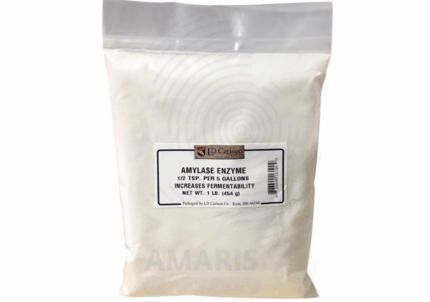
Amylase Baking Enzyme
Amylase Baking Enzyme is a class of enzymes that catalyzes the hydrolysis of starch into sugars such as maltose and glucose. In the baking industry, amylases are widely used to improve dough handling, enhance fermentation, increase loaf volume, improve crumb softness, and extend shelf life. The enzyme is typically derived from microbial (fungal or bacterial) sources like Aspergillus oryzae or Bacillus subtilis. Commercial baking amylase products may include α-amylase, β-amylase, and glucoamylase, depending on application needs.
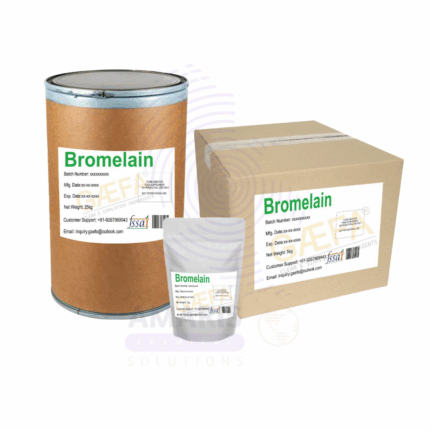
Bromelain
Bromelain is a natural mixture of proteolytic enzymes derived primarily from the stem and fruit of the pineapple plant (Ananas comosus). It appears as a pale yellow to off-white powder with a characteristic mild odor and is water-soluble. Bromelain exhibits protease activity, breaking down proteins into peptides and amino acids, making it valuable in medical, food, and industrial applications. It is widely used as an anti-inflammatory agent, digestive aid, meat tenderizer, and in cosmetic formulations due to its enzymatic and therapeutic properties.
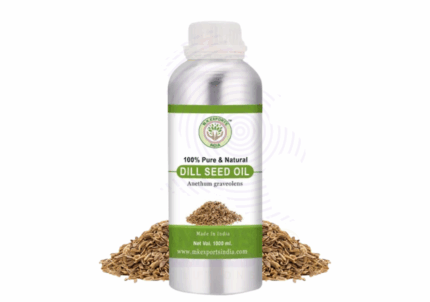
Dill Seed Oil Terpeneless
Dill Seed Oil Terpeneless is a refined essential oil obtained by steam distillation of the seeds of Anethum graveolens, with terpenes removed to reduce its sharpness and volatility. It has a mild, sweet, herbaceous aroma with faint spicy undertones. This oil is prized for its improved stability, softer fragrance profile, and enhanced suitability in cosmetic, pharmaceutical, and cleaning applications. Traditionally used for digestive support and antimicrobial properties, dill seed oil terpeneless is incorporated in natural personal care products, aromatherapy, and household formulations.
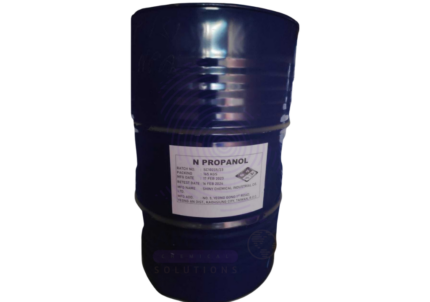
N-Propanol
N-Propanol, also known as n-Propyl Alcohol or 1-Propanol, is a clear, colorless, low-viscosity liquid with a characteristic mild alcohol-like odor. It is a primary alcohol with the molecular formula C₃H₈O, fully miscible with water and common organic solvents such as alcohols, ketones, ethers, glycols, and hydrocarbons. This high-purity, semi-volatile, polar solvent serves as both a versatile solvent and a chemical intermediate across multiple industrial sectors. N-Propanol has a flash point of 15–23°C and is classified as a highly flammable liquid. Technical grade N-Propanol is manufactured for industrial applications and is not intended for direct human consumption unless specifically certified as USP or Food Grade.
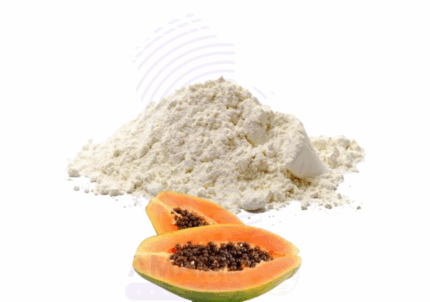
papain
Papain is a proteolytic enzyme extracted from the latex of the papaya fruit (Carica papaya). It breaks down proteins into peptides and amino acids, making it widely used in various industries. Papain has excellent catalytic activity and works effectively across a broad pH range, especially in neutral to slightly alkaline conditions. It is valued for its meat tenderizing, digestive aid, and therapeutic properties.
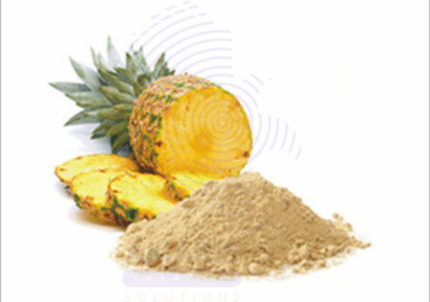
Pineapple Enzyme Powder
Pineapple Enzyme Powder is a fine, light-colored powder derived from the fruit and stem of the pineapple (Ananas comosus), containing the proteolytic enzyme bromelain. It is produced via extraction and subsequent drying (usually spray or freeze-drying) to preserve enzymatic activity. Known for its protein-digesting, anti-inflammatory, and exfoliating properties, this enzyme is widely used across food, nutraceutical, cosmetic, and pharmaceutical industries.
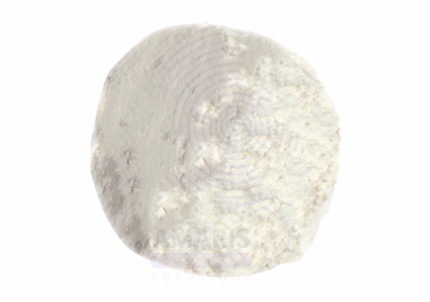
Protease Baking Enzymes
Protease Baking Enzymes are specialized enzymes that catalyze the breakdown of proteins into peptides and amino acids. In baking, these enzymes improve dough handling, texture, and volume by modifying gluten structure and enhancing gas retention. They help produce softer crumb, better crust, and increased shelf life of baked goods. Protease enzymes are essential for consistent quality and efficiency in commercial baking operations.
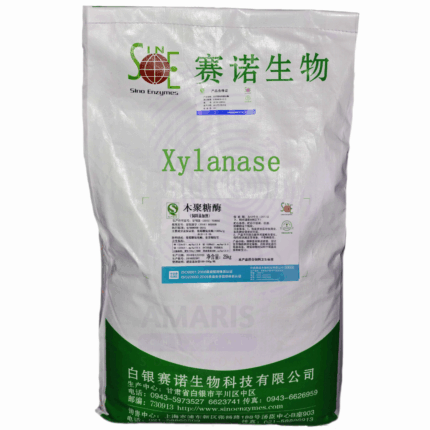
Xylanase Baking Enzymes
Xylanase Baking Enzymes are specialized enzymes used in the baking industry to improve dough handling, bread volume, crumb structure, and overall product quality. These enzymes catalyze the breakdown of xylans (non-starch polysaccharides in cereal cell walls), reducing dough viscosity and enhancing gas retention during fermentation. This results in improved texture, softness, and shelf life of baked goods.












