

 Preservatives(food)
 Flavors
 Acidulants
 Sweeteners
 Antioxidants
 Colorants(food)
 Nutraceutical Ingredients (food)
 Nutrient Supplements
 Emulsifiers
 Collectors
 Dust Suppressants
 Explosives and Blasting Agents
 Flocculants and Coagulants
 Frothers
 Leaching Agents
 pH Modifiers
 Precious Metal Extraction Agents
 Antioxidants(plastic)
 Colorants (Pigments, Dyes)
 Fillers and Reinforcements
 Flame Retardants
 Monomers
 Plasticizers
 Polymerization Initiators
 Stabilizers (UV, Heat)
 Antifoaming Agents
 Chelating Agents
 Coagulants and Flocculants
 Corrosion Inhibitors
 Disinfectants and Biocides
 Oxidizing Agents
 pH Adjusters
 Scale Inhibitors( water)
 Antioxidants(cosmetic)
 Emollients
 Oils
Oils Carrier Oills
 Essential Oils
 Humectants
 Preservatives
 Surfactants(cosmetic)
 Thickeners
 UV Filters
 Fragrance (Cosmetics)
 Fertilizers
 Soil Conditioners
 Plant Growth Regulators
 Animal Feed Additives
 Biostimulants
 Pesticides (Herbicides, Insecticides, Fungicides)
 Active Pharmaceutical Ingredients (APIs)
 Excipients
 Solvents(pharmaceutical)
 Antibiotics
 Antiseptics and Disinfectants
 Vaccine Adjuvants
 Nutraceutical Ingredients (pharmaceutical)
 Analgesics & Antipyretics
 Analytical Reagents
 Solvents(lab)
 Chromatography Chemicals
 Spectroscopy Reagents
 microbiology-and-cell-culture-reagents
 Molecular Biology Reagents
 Biochemical Reagents
 Inorganic and Organic Standards
 Laboratory Safety Chemicals
 Specialty Laboratory Chemicals(Special Laboratory Equipment)
 Demulsifiers
 Hydraulic Fracturing Fluids
 Scale Inhibitors(oil)
 Surfactants(oil)
 Drilling Fluids
 Dyes and Pigments
 Bleaching Agents
 Softening Agents
 Finishing Agents
 Antistatic Agents
 Admixtures
 Waterproofing Agents
 Sealants and Adhesives
 Curing Compounds
 Concrete Repair Chemicals
 Anti-Corrosion Coatings
 Surfactants(cleaning)
 Builders
 Enzymes
 Solvents (Cleaning)
 Electronic Chemicals
 Catalysts
 Lubricants
 Photographic Chemicals
 Refrigerants
 Automotive chemicals
 Pyrotechnic Chemicals
 Biodegradable Surfactants
 Bio-based Solvents
 Renewable Polymers
 Carbon Capture Chemicals
 Wastewater Treatment Chemicals
 Pigments
 Solvents(paint)
 Specialty Coatings
 Binders/Resins
 Additives
 Driers
 Anti-Corrosion Agents
 Functional Coatings
 Application-Specific Coatings
 Leavening Agents
 Dough Conditioners
 Flour Treatments
 Fat Replacers
 Decoratives
 Preservatives(baking)
 Plasticizers & Softeners
 Reinforcing Agents
 Adhesion Promoters
 Vulcanizing Agents
 Antidegradants
 Blowing Agents
 Fillers & Extenders
 Accelerators & Retarders



Pineapple Enzyme Powder
Pineapple Enzyme Powder is a fine, light-colored powder derived from the fruit and stem of the pineapple (Ananas comosus), containing the proteolytic enzyme bromelain. It is produced via extraction and subsequent drying (usually spray or freeze-drying) to preserve enzymatic activity. Known for its protein-digesting, anti-inflammatory, and exfoliating properties, this enzyme is widely used across food, nutraceutical, cosmetic, and pharmaceutical industries.
Pineapple Enzyme Powder
Primary Uses
- Food & Beverage Industry
- Used as a meat tenderizer due to its ability to break down proteins (commonly in marinades and seasoning blends).
- Employed in brewing and baking to prevent protein haze and improve texture.
- Acts as a digestive aid in health drinks and enzyme supplements.
- NutraceutiPricals & Dietary Supplements
- Formulated in capsules and powders to support protein digestion and improve gut health.
- Promotes anti-inflammatory effects for joint support and post-exercise recovery.
- Included in systemic enzyme therapy for immune modulation and tissue repair.
- Cosmetics & Personal Care
- Used in facial scrubs, masks, and cleansers as a natural exfoliant, helping to remove dead skin cells.
- Aids in skin brightening and reducing hyperpigmentation.
- Applied in anti-acne formulations for its anti-inflammatory and antimicrobial benefits.
- Pharmaceuticals
- Utilized in wound debridement ointments to remove necrotic tissue.
- Aids in reducing swelling, bruising, and inflammation post-surgery or injury.
Secondary Uses
- Animal Feed Additive
- Added to animal diets to enhance protein digestion and nutrient absorption, especially in poultry and swine.
- Textile Industry
- Used in bio-scouring to remove starch, protein, and other sizing materials from fabrics naturally.
- Waste Management
- Employed in organic waste breakdown and composting processes due to its protease activity.
- Oral Care Products
- Used in enzymatic toothpastes and mouth rinses for plaque reduction and oral hygiene.
1. Basic Identification Attributes
- Botanical Source: Ananas comosus (Pineapple)
- Common/Trade Name: Pineapple Enzyme Powder
- CAS Number: 9001-00-7 (Bromelain)
- HS Code: 3507.90.90 (Enzymes and prepared enzymes, others)
- Synonyms: Bromelain powder, Pineapple protease, Natural proteolytic enzyme
2. Physical & Chemical Properties
- Physical State: Fine powder
- Color & Odor: Off-white to light yellow; slight pineapple-like or neutral odor
- Solubility: Soluble in water
- pH Range: Active in pH 4.5 – 7.5
- Enzymatic Activity: Typically measured in GDU (Gelatin Digesting Units) or FCC PU (Papain Units)
3. Safety & Hazard Attributes
- GHS Classification: Not classified as hazardous; may cause respiratory or skin sensitization in sensitive individuals
- Toxicity: Non-toxic when used as directed; avoid inhalation of dust
- Exposure Limits: Not established; standard handling precautions recommended
4. Storage & Handling Attributes
- Storage Conditions: Store in a cool, dry place (15–25°C); keep away from moisture and direct sunlight
- Container Type: Sealed, food-grade plastic or foil-lined drums
- Shelf Life: 12–24 months depending on packaging and storage conditions
- Handling Precautions: Avoid creating dust; use protective mask and gloves if handling in bulk
5. Regulatory & Compliance Attributes
- Complies with:
- FCC (Food Chemical Codex)
- USP (United States Pharmacopeia)
- GRAS (Generally Recognized as Safe) for food use
- Approved for cosmetic and supplement applications under global regulations
6. Environmental & Health Impact
- Biodegradability: Fully biodegradable
- Ecotoxicity: Not harmful to the environment in normal use concentrations
- Allergenic Potential: Possible sensitizer for individuals with enzyme sensitivities
Safety Handling Precautions
- PPE Required: Dust mask, gloves, and eye protection recommended
- Handling Guidelines: Avoid inhalation and contact with eyes; use in ventilated areas
- Storage Measures: Keep container tightly closed and moisture-free
First Aid Measures
- Inhalation: Remove to fresh air; seek medical attention if respiratory irritation persists
- Skin Contact: Wash with water; discontinue use if irritation occurs
- Eye Contact: Rinse thoroughly with water for 15 minutes; seek medical attention if irritation continues
- Ingestion: Non-toxic in small quantities; rinse mouth with water if discomfort arises
Firefighting Measures
- Fire Hazards: Non-flammable
- Extinguishing Media: Water spray, CO₂, foam, or dry chemical
- Special Precautions: Avoid dust formation; handle powder with care
- Hazardous Combustion Products: Carbon dioxide, carbon monoxide (in extreme heat)
Related products
Beta Carotene
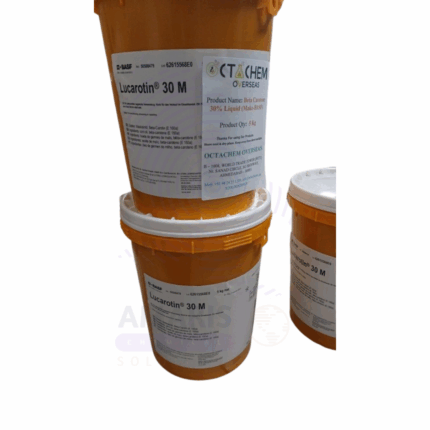
Beta Carotene is a concentrated formulation of beta carotene, a naturally occurring red-orange pigment found in plants and fruits. It is a precursor to vitamin A and a potent antioxidant that helps protect cells from oxidative damage. This product, typically suspended in an oil base or suitable carrier, is widely used as a natural colorant, nutritional supplement, and cosmetic ingredient. Beta Carotene 30% SUN offers enhanced stability under sunlight exposure, making it ideal for food, feed, and cosmetic applications where light stability is critical.

Bromelain
Bromelain is a natural mixture of proteolytic enzymes derived primarily from the stem and fruit of the pineapple plant (Ananas comosus). It appears as a pale yellow to off-white powder with a characteristic mild odor and is water-soluble. Bromelain exhibits protease activity, breaking down proteins into peptides and amino acids, making it valuable in medical, food, and industrial applications. It is widely used as an anti-inflammatory agent, digestive aid, meat tenderizer, and in cosmetic formulations due to its enzymatic and therapeutic properties.
Dextrose Monohydrate
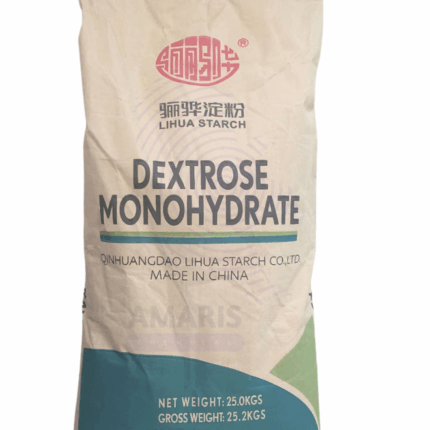
Dextrose Monohydrate is a crystalline form of glucose containing one molecule of water (monohydrate). It is a primary carbohydrate source widely used in pharmaceutical, food, and clinical nutrition applications. It provides readily available energy, serves as a sweetening agent, and acts as an osmotic agent in formulations. Dextrose Monohydrate meets pharmacopoeial standards (such as BP, USP) ensuring high purity, consistency, and safety for use in medical and food-grade products. Its solubility and stable crystalline form make it suitable for intravenous fluids, oral rehydration solutions, and food industry applications.
Distilled Monoglycerides Remosoft
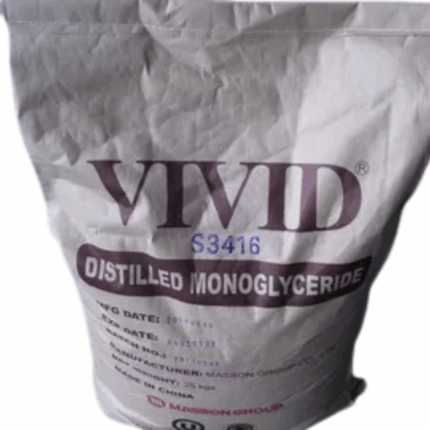
Distilled Monoglycerides Remosoft are purified monoglycerides derived from the glycerolysis of edible fats and oils, followed by a distillation process that removes impurities and enhances purity. They are colorless to pale yellow, odorless, and possess excellent emulsifying properties. DMG is widely used in food, pharmaceutical, and cosmetic industries due to its surface-active properties, ability to stabilize emulsions, and function as an anti-caking and lubricating agent. The distilled grade ensures high purity and low free fatty acid content, making it suitable for sensitive applications.
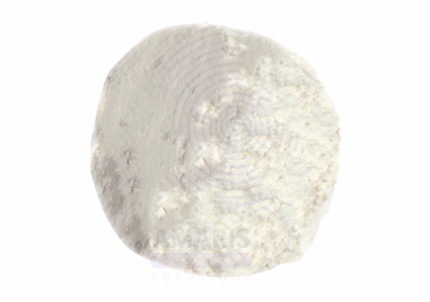
Protease Baking Enzymes
Protease Baking Enzymes are specialized enzymes that catalyze the breakdown of proteins into peptides and amino acids. In baking, these enzymes improve dough handling, texture, and volume by modifying gluten structure and enhancing gas retention. They help produce softer crumb, better crust, and increased shelf life of baked goods. Protease enzymes are essential for consistent quality and efficiency in commercial baking operations.
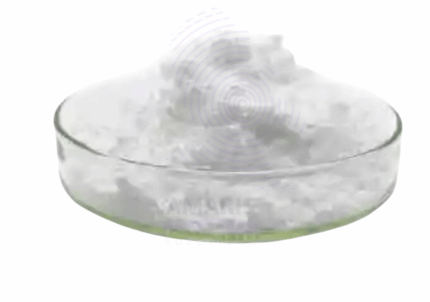
Vitamin B3 (Nicotinamide)
Vitamin B3 Nicotinamide, also known as Niacinamide, is a water-soluble amide form of vitamin B3. It plays a crucial role in cellular energy production and DNA repair by serving as a precursor for coenzymes NAD and NADP. Nicotinamide is preferred in many pharmaceutical and cosmetic applications due to its stability and lower side-effect profile compared to niacin. It is widely used in pharmaceuticals, nutraceuticals, cosmetics, and food fortification.
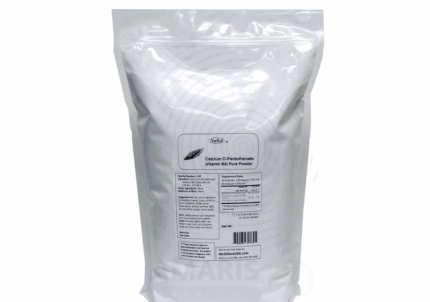
Vitamin B5 (d-pantothenate)
Vitamin B5 d-pantothenate, commonly referred to as D-Pantothenate, is the biologically active, water-soluble form of pantothenic acid. It is an essential nutrient involved in the synthesis of coenzyme A (CoA), critical for fatty acid metabolism and energy production. D-Pantothenate is used across pharmaceuticals, food, feed, cosmetics, and nutraceuticals due to its stability, bioavailability, and broad health benefits.
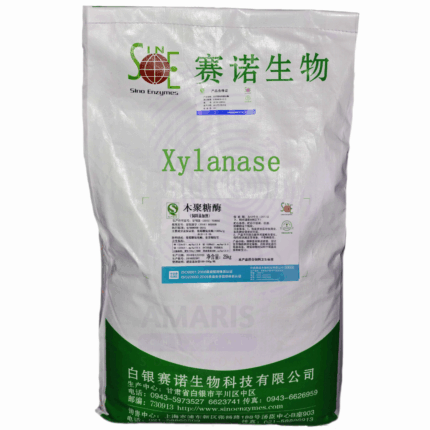
Xylanase Baking Enzymes
Xylanase Baking Enzymes are specialized enzymes used in the baking industry to improve dough handling, bread volume, crumb structure, and overall product quality. These enzymes catalyze the breakdown of xylans (non-starch polysaccharides in cereal cell walls), reducing dough viscosity and enhancing gas retention during fermentation. This results in improved texture, softness, and shelf life of baked goods.












