

 Preservatives(food)
 Flavors
 Acidulants
 Sweeteners
 Antioxidants
 Colorants(food)
 Nutraceutical Ingredients (food)
 Nutrient Supplements
 Emulsifiers
 Collectors
 Dust Suppressants
 Explosives and Blasting Agents
 Flocculants and Coagulants
 Frothers
 Leaching Agents
 pH Modifiers
 Precious Metal Extraction Agents
 Antioxidants(plastic)
 Colorants (Pigments, Dyes)
 Fillers and Reinforcements
 Flame Retardants
 Monomers
 Plasticizers
 Polymerization Initiators
 Stabilizers (UV, Heat)
 Antifoaming Agents
 Chelating Agents
 Coagulants and Flocculants
 Corrosion Inhibitors
 Disinfectants and Biocides
 Oxidizing Agents
 pH Adjusters
 Scale Inhibitors( water)
 Antioxidants(cosmetic)
 Emollients
 Oils
Oils Carrier Oills
 Essential Oils
 Humectants
 Preservatives
 Surfactants(cosmetic)
 Thickeners
 UV Filters
 Fragrance (Cosmetics)
 Fertilizers
 Soil Conditioners
 Plant Growth Regulators
 Animal Feed Additives
 Biostimulants
 Pesticides (Herbicides, Insecticides, Fungicides)
 Active Pharmaceutical Ingredients (APIs)
 Excipients
 Solvents(pharmaceutical)
 Antibiotics
 Antiseptics and Disinfectants
 Vaccine Adjuvants
 Nutraceutical Ingredients (pharmaceutical)
 Analgesics & Antipyretics
 Analytical Reagents
 Solvents(lab)
 Chromatography Chemicals
 Spectroscopy Reagents
 microbiology-and-cell-culture-reagents
 Molecular Biology Reagents
 Biochemical Reagents
 Inorganic and Organic Standards
 Laboratory Safety Chemicals
 Specialty Laboratory Chemicals(Special Laboratory Equipment)
 Demulsifiers
 Hydraulic Fracturing Fluids
 Scale Inhibitors(oil)
 Surfactants(oil)
 Drilling Fluids
 Dyes and Pigments
 Bleaching Agents
 Softening Agents
 Finishing Agents
 Antistatic Agents
 Admixtures
 Waterproofing Agents
 Sealants and Adhesives
 Curing Compounds
 Concrete Repair Chemicals
 Anti-Corrosion Coatings
 Surfactants(cleaning)
 Builders
 Enzymes
 Solvents (Cleaning)
 Electronic Chemicals
 Catalysts
 Lubricants
 Photographic Chemicals
 Refrigerants
 Automotive chemicals
 Pyrotechnic Chemicals
 Biodegradable Surfactants
 Bio-based Solvents
 Renewable Polymers
 Carbon Capture Chemicals
 Wastewater Treatment Chemicals
 Pigments
 Solvents(paint)
 Specialty Coatings
 Binders/Resins
 Additives
 Driers
 Anti-Corrosion Agents
 Functional Coatings
 Application-Specific Coatings
 Leavening Agents
 Dough Conditioners
 Flour Treatments
 Fat Replacers
 Decoratives
 Preservatives(baking)
 Plasticizers & Softeners
 Reinforcing Agents
 Adhesion Promoters
 Vulcanizing Agents
 Antidegradants
 Blowing Agents
 Fillers & Extenders
 Accelerators & Retarders


Dextrose Monohydrate
Original price was: $ 1.20.$ 1.08Current price is: $ 1.08.
Dextrose Monohydrate is a crystalline form of glucose containing one molecule of water (monohydrate). It is a primary carbohydrate source widely used in pharmaceutical, food, and clinical nutrition applications. It provides readily available energy, serves as a sweetening agent, and acts as an osmotic agent in formulations. Dextrose Monohydrate meets pharmacopoeial standards (such as BP, USP) ensuring high purity, consistency, and safety for use in medical and food-grade products. Its solubility and stable crystalline form make it suitable for intravenous fluids, oral rehydration solutions, and food industry applications.
Dextrose Monohydrate
Primary Uses
- Pharmaceutical and Clinical Nutrition
- Used as a carbohydrate source in intravenous fluids for energy provision and fluid-electrolyte balance.
- Serves as an energy substrate in total parenteral nutrition (TPN) formulations.
- Utilized in oral rehydration salts (ORS) formulations to aid hydration and energy replacement in diarrhea and dehydration cases.
- Used in pharmaceutical compounding as an excipient or stabilizer in oral syrups and solutions.
- Food and Beverage Industry
- Acts as a sweetener and texturizer in confectionery, baked goods, and beverages.
- Provides fermentable sugar for yeast in baking and brewing.
- Used as a bulking agent and humectant in processed foods.
- Laboratory and Research
- Serves as a glucose source in cell culture media and biochemical assays.
- Used in microbiological growth media for culturing bacteria and fungi.
Secondary Uses
- Cosmetics and Personal Care
- Employed as a humectant and moisturizer in skin care formulations.
- Used in oral care products for flavor and texture improvement.
- Veterinary Medicine
- Provides an energy source in veterinary parenteral and oral nutrition solutions.
- Industrial Applications
- Used in fermentation processes and as a feedstock for biotechnological products.
1. Basic Identification Attributes
- Chemical Name (IUPAC): D-Glucose monohydrate
- Common/Trade Name: Dextrose Monohydrate
- CAS Number: 5996-10-1
- HS Code: 1702.90.10
- Molecular Formula: C6H12O6·H2O
- Synonyms:
- Glucose Monohydrate
- D-Glucose hydrate
- Grape Sugar (common)
- Corn Sugar (commercial)
2. Physical & Chemical Properties
- Physical State: White crystalline powder or granules
- Solubility: Highly soluble in water (~909 g/L at 20°C)
- Melting Point: Approximately 100–103°C (loses water of crystallization)
- pH (1% aqueous solution): Slightly acidic to neutral (~4.0–6.0)
- Stability: Hygroscopic; stable under recommended storage
- Molecular Weight: 198.17 g/mol (including water)
- Appearance: White, odorless, sweet-tasting crystals
3. Safety & Hazard Attributes
- Hazard Class (GHS): Not classified as hazardous
- Toxicity: Non-toxic; excessive consumption may cause hyperglycemia in diabetic patients
- Irritation: Non-irritant in typical use
- Reactivity: Stable; avoid strong oxidizing agents and acids
4. Storage & Handling Attributes
- Storage Conditions: Store in a cool, dry, well-ventilated area away from moisture
- Container Type: Sealed moisture-proof packaging (poly bags, drums)
- Shelf Life: 2–3 years when stored properly
- Handling Precautions: Avoid dust formation and moisture exposure; use PPE if handling bulk powder
5. Regulatory & Compliance Attributes
- Regulatory Status: Complies with BP, USP, EP standards for pharmaceutical and food use
- Pharmacopoeia Standards: BP, USP certified
- Transportation: Non-hazardous material
- Controlled Substance: Not controlled
6. Environmental & Health Impact
- Biodegradability: Readily biodegradable
- Ecotoxicity: Low impact
- Bioaccumulation: Not expected
- Carcinogenicity/Mutagenicity: Not carcinogenic or mutagenic
Safety Handling Precautions
- PPE Required:
- Dust mask or respirator when handling bulk powder
- Safety goggles
- Gloves (nitrile or latex)
- Protective clothing
- Handling Guidelines:
- Minimize dust generation
- Avoid moisture contamination
- Handle in well-ventilated areas
- Storage Measures:
- Keep container tightly closed
- Protect from humidity and direct sunlight
First Aid Measures
- Inhalation: Move to fresh air if dust inhaled; seek medical help if irritation persists
- Skin Contact: Wash with soap and water; usually no irritation
- Eye Contact: Rinse thoroughly with water; seek medical advice if irritation occurs
- Ingestion: Non-toxic; seek medical attention if excessive consumption causes symptoms
Firefighting Measures
- Fire Hazards: Non-flammable; dust may form explosive mixtures in air under extreme conditions
- Extinguishing Media: Use water spray, foam, dry chemical, or CO₂
- Special Precautions: Avoid dust cloud formation during firefighting
- Decomposition Products: Carbon oxides if burned
Related products

Bitter Masking Pharmaceutical Liquid flavors
Bitter Masking Pharmaceutical Liquid Flavors are specially formulated liquid flavors designed to mask the bitter taste of active pharmaceutical ingredients (APIs). These flavors improve the palatability of oral syrups, suspensions, and liquid medications, enhancing patient compliance. Compatible with various pharmaceutical formulations, they exhibit excellent solubility and stability in aqueous systems and provide a pleasant taste profile without affecting the efficacy of the medication.
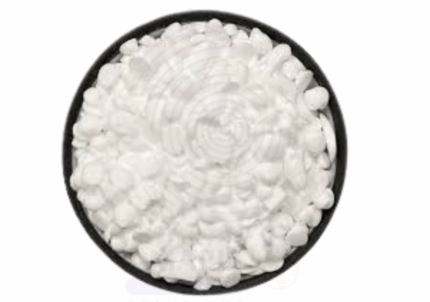
Cetyl Alcohol Flakes
Cetyl Alcohol Flakes is a high-purity fatty alcohol derived mainly from natural sources such as palm oil and coconut oil. Presented as white to off-white waxy flakes, this product contains at least 98% pure cetyl alcohol, ensuring consistent performance and quality. It is valued for its excellent emollient, thickening, and emulsifying properties and is widely used in personal care, pharmaceutical, and industrial formulations. The flake form facilitates easy handling, melting, and dosing in manufacturing processes. Cetyl Alcohol 98% Flakes contributes to the texture, stability, and moisturizing properties of various formulations, providing a non-greasy, smooth finish.
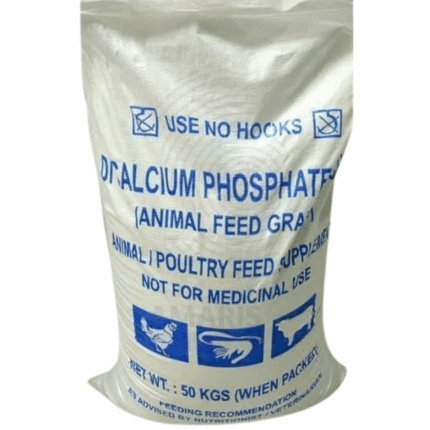
Dicalcium Phosphate
Dicalcium Phosphate (DCP) is an inorganic compound commonly used as a dietary supplement, food additive, and a key raw material in pharmaceuticals and animal nutrition. It appears as a white crystalline powder or granules and provides a highly bioavailable source of calcium and phosphorus, essential minerals for bone health, metabolic functions, and overall growth. DCP is widely used in the feed industry, pharmaceutical manufacturing, food processing, and various industrial applications, appreciated for its purity, stability, and nutritional value.
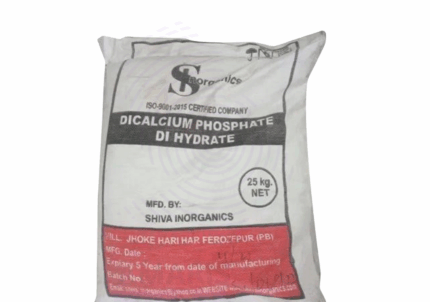
Dicalcium Phosphate Dihydrate
Dicalcium Phosphate Dihydrate (DCP Dihydrate) is an odorless, white crystalline powder or granule composed of calcium and phosphate in a hydrated form. It is widely used in the pharmaceutical, food, animal feed, and industrial sectors. It serves as a calcium and phosphorus supplement, excipient, and abrasive agent, valued for its stability, bioavailability, and neutral taste. DCP Dihydrate complies with various pharmacopeial standards (e.g., USP, BP, FCC) depending on the grade.
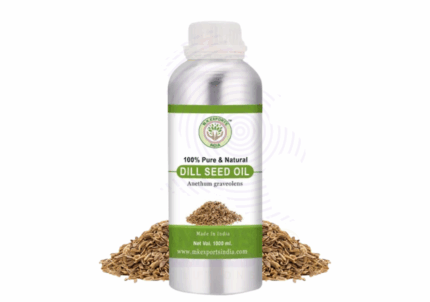
Dill Seed Oil Terpeneless
Dill Seed Oil Terpeneless is a refined essential oil obtained by steam distillation of the seeds of Anethum graveolens, with terpenes removed to reduce its sharpness and volatility. It has a mild, sweet, herbaceous aroma with faint spicy undertones. This oil is prized for its improved stability, softer fragrance profile, and enhanced suitability in cosmetic, pharmaceutical, and cleaning applications. Traditionally used for digestive support and antimicrobial properties, dill seed oil terpeneless is incorporated in natural personal care products, aromatherapy, and household formulations.
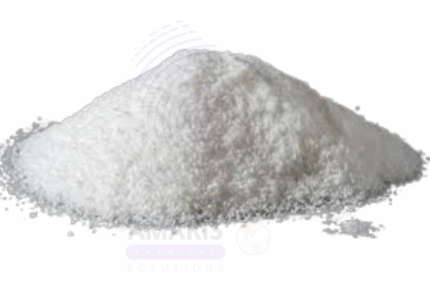
Methyl Cellulose 400mpc
Methyl Cellulose 400mpc is a chemically modified cellulose derivative in powder form. It is a non-ionic, water-soluble polymer widely used as a thickener, binder, emulsifier, and film former. It exhibits excellent water retention, viscosity control, and thermal gelation properties, making it ideal for applications in construction, pharmaceuticals, food, and cosmetics.
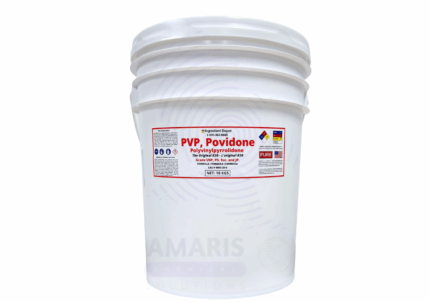
Povidone PVP25 USP
Povidone PVP25 USP is a synthetic polymer of vinylpyrrolidone with an average molecular weight of approximately 25,000. It is a water-soluble, non-toxic, and biodegradable polymer widely used as a binder, film former, stabilizer, and solubilizing agent in pharmaceutical, cosmetic, and industrial applications. Its excellent adhesive properties and compatibility with a wide range of substances make it essential in tablet formulations, topical products, and adhesives.
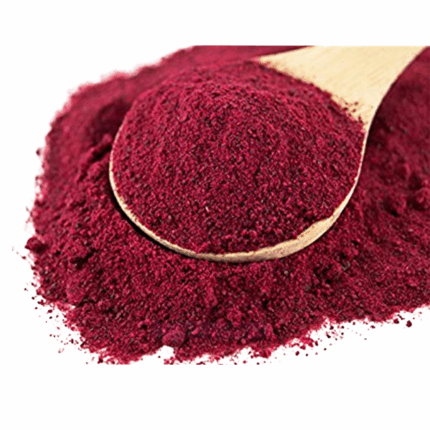
Red Cherry Powder Flavor
Red Cherry Powder Flavor is a high-quality, concentrated flavoring agent designed to impart a natural and vibrant cherry taste to a variety of food and beverage applications. This fine powder is made from carefully selected ingredients to ensure consistent flavor intensity, solubility, and stability. Ideal for use in dry mixes, confectionery, beverages, and baked goods, Red Cherry Powder Flavor provides a convenient and versatile way to enhance taste profiles without altering texture.












