

 Preservatives(food)
 Flavor Enhancers
 Acidulants
 Sweeteners
 Antioxidants
 Colorants(food)
 Nutraceutical Ingredients (food)
 Nutrient Supplements
 Emulsifiers
 Collectors
 Dust Suppressants
 Explosives and Blasting Agents
 Flocculants and Coagulants
 Frothers
 Leaching Agents
 pH Modifiers
 Precious Metal Extraction Agents
 Antioxidants(plastic)
 Colorants (Pigments, Dyes)
 Fillers and Reinforcements
 Flame Retardants
 Monomers
 Plasticizers
 Polymerization Initiators
 Stabilizers (UV, Heat)
 Antifoaming Agents
 Chelating Agents
 Coagulants and Flocculants
 Corrosion Inhibitors
 Disinfectants and Biocides
 Oxidizing Agents
 pH Adjusters
 Scale Inhibitors( water)
 Antioxidants(cosmetic)
 Emollients
 Fragrances and Essential Oils
 Humectants
 Preservatives
 Surfactants(cosmetic)
 Thickeners
 UV Filters
 Fertilizers
 Soil Conditioners
 Plant Growth Regulators
 Animal Feed Additives
 Biostimulants
 Pesticides (Herbicides, Insecticides, Fungicides)
 Active Pharmaceutical Ingredients (APIs)
 Excipients
 Solvents(pharmaceutical)
 Antibiotics
 Antiseptics and Disinfectants
 Vaccine Adjuvants
 Nutraceutical Ingredients (pharmaceutical)
 Analgesics & Antipyretics
 Analytical Reagents
 Solvents(lab)
 Chromatography Chemicals
 Spectroscopy Reagents
 microbiology-and-cell-culture-reagents
 Molecular Biology Reagents
 Biochemical Reagents
 Inorganic and Organic Standards
 Laboratory Safety Chemicals
 Specialty Laboratory Chemicals(Special Laboratory Equipment)
 Demulsifiers
 Hydraulic Fracturing Fluids
 Scale Inhibitors(oil)
 Surfactants(oil)
 Drilling Fluids
 Dyes and Pigments
 Bleaching Agents
 Softening Agents
 Finishing Agents
 Antistatic Agents
 Admixtures
 Waterproofing Agents
 Sealants and Adhesives
 Curing Compounds
 Concrete Repair Chemicals
 Anti-Corrosion Coatings
 Surfactants(cleaning)
 Builders
 Enzymes
 Solvents (Cleaning)
 Fragrances
 Electronic Chemicals
 Catalysts
 Lubricants
 Photographic Chemicals
 Refrigerants
 Automotive chemicals
 Pyrotechnic Chemicals
 Biodegradable Surfactants
 Bio-based Solvents
 Renewable Polymers
 Carbon Capture Chemicals
 Wastewater Treatment Chemicals
 Pigments
 Solvents(paint)
 Specialty Coatings
 Binders/Resins
 Additives
 Driers
 Anti-Corrosion Agents
 Functional Coatings
 Application-Specific Coatings
 Leavening Agents
 Dough Conditioners
 Flour Treatments
 Fat Replacers
 Decoratives
 Preservatives(baking)
 Plasticizers & Softeners
 Reinforcing Agents
 Adhesion Promoters
 Vulcanizing Agents
 Antidegradants
 Blowing Agents
 Fillers & Extenders
 Accelerators & Retarders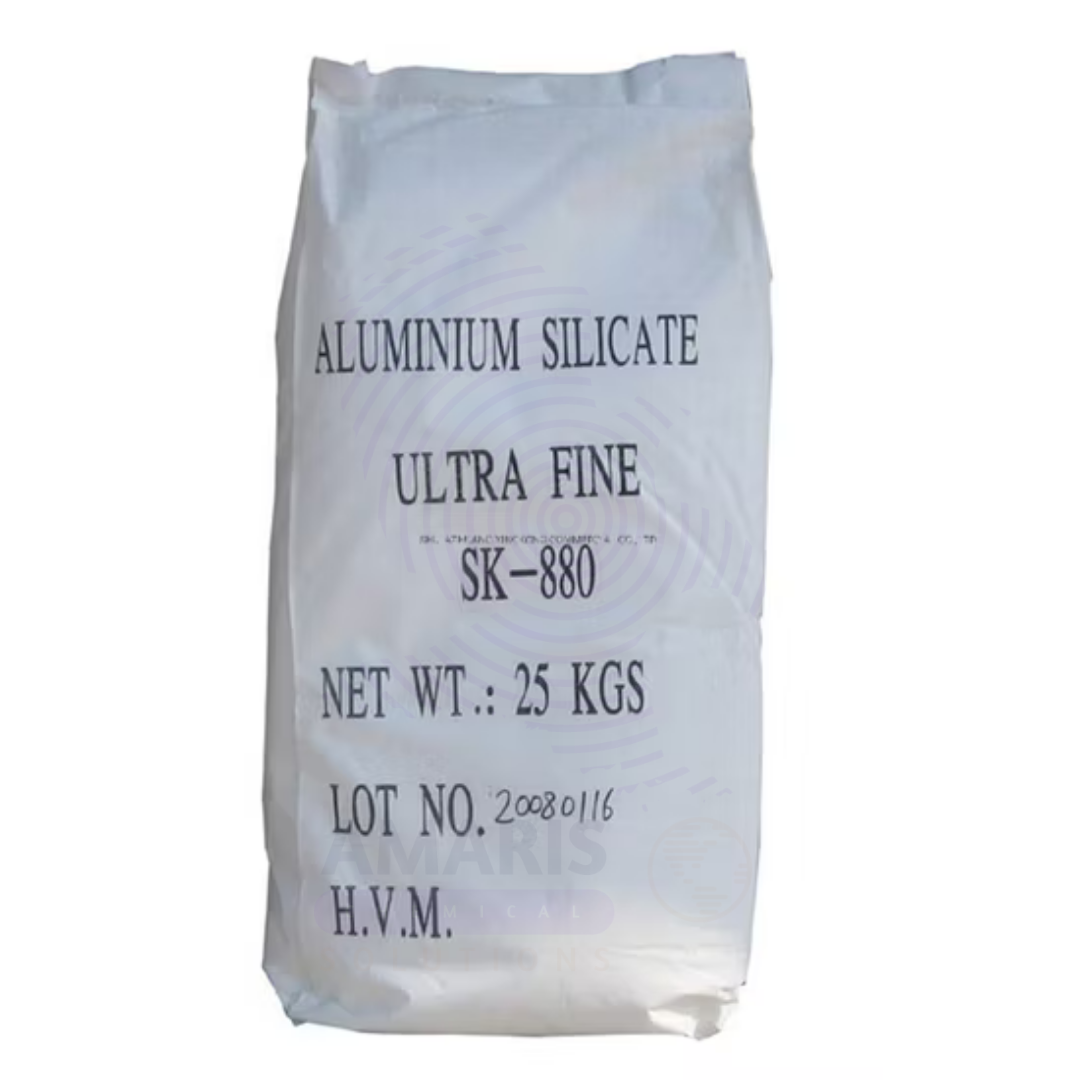


Aluminium Silicate
Original price was: $ 1.64.$ 1.55Current price is: $ 1.55.
Aluminium silicate is an inorganic compound composed of aluminum, silicon, and oxygen, often found naturally as a major component of clay minerals such as kaolinite, halloysite, and other aluminosilicates. It is a white to off-white powder with excellent thermal stability, chemical inertness, and physical durability. Due to its wide range of physicochemical properties—including high melting point, non-toxicity, and adsorptive capabilities—aluminium silicate is extensively used across diverse industries including ceramics, paints, paper, rubber, plastics, cosmetics, and pharmaceuticals. Its unique structure imparts benefits such as heat resistance, improved mechanical strength, and anti-caking properties, making it a vital raw material in both industrial and consumer products.
Aluminium Silicate
Primary Uses
- Ceramics & Refractories
- Essential raw material in porcelain, sanitary ware, tiles, and advanced ceramic products.
- Key ingredient in refractory bricks and kiln linings, providing resistance to heat, thermal shock, and chemical corrosion.
- Enhances mechanical strength and dimensional stability at high temperatures.
- Paints & Coatings
- Functions as an extender pigment, improving opacity, durability, and weather resistance.
- Improves adhesion and hardness of coatings, contributing to abrasion resistance and surface protection.
- Controls rheology and prevents cracking in dried paint films.
- Paper Industry
- Used as a coating pigment and filler to boost brightness, opacity, and smoothness of paper surfaces.
- Improves printability, ink holdout, and reduces dusting during handling.
- Contributes to paper’s tactile quality and strength.
- Rubber & Plastics
- Reinforcing filler in tires, hoses, belts, and molded plastic products to enhance strength, abrasion resistance, and durability.
- Improves thermal and dimensional stability of rubber and plastic compounds.
- Modifies electrical and thermal conductivity in specialized applications.
- Cosmetics & Pharmaceuticals
- Acts as an absorbent and anti-caking agent in powders, deodorants, face masks, and makeup products.
- Used in tablet and capsule formulations to improve flowability and manufacturing consistency.
- Its inertness makes it suitable for sensitive skin and topical formulations.
- Catalysts & Adsorbents
- Serves as a catalyst support in petrochemical refining and environmental applications.
- Used in purification processes for water treatment and gas filtration.
- Adsorbs heavy metals and organic contaminants due to its porous structure.
Secondary Uses
- Detergents
- Used as a builder and anti-caking agent in powdered detergents, enhancing cleaning efficiency and powder flow.
- Agriculture
- Acts as a soil conditioner and slow-release alumina/silica source in fertilizers.
- Prevents clumping in granular fertilizers.
- Construction Materials
- Added to cement and concrete to improve strength, chemical resistance, and reduce porosity.
- Used in adhesives, sealants, and insulating materials.
- Electronics & Electrical Applications
- Electrical insulator and dielectric material in microelectronics and circuit boards.
- Used in manufacturing capacitors and resistors due to thermal stability.
- Food Additive
- E559, used as an anti-caking agent in powdered foods like salt, spices, and drink mixes.
- Prevents clumping, improves flow properties, safe within regulatory limits.
- Animal Feed & Veterinary Uses
- Used as binder or anti-caking agent in animal feed powders.
- Carrier for veterinary supplements and medicines.
- Environmental Applications
- Soil remediation agent immobilizing heavy metals.
- Used in barriers and liners to prevent pollutant leaching.
- Textile Industry
- Filler and coating agent in textile finishing to improve smoothness, whiteness, and durability.
1. Basic Identification Attributes
- Chemical Name (IUPAC): Aluminium Silicate
- Common/Trade Names: Kaolin, Mullite (when heated), Aluminosilicate
- CAS Number: 12173-37-6 (kaolinite form)
- Molecular Formula: Variable; general formula Al₂O₃·2SiO₂·2H₂O (kaolin)
- HS Code: 2521.00.00 (varies by country)
- Synonyms: Kaolin, China clay, Aluminosilicate
2. Physical & Chemical Properties
- Physical State: Powder or granular solid
- Color & Odor: White to off-white, odorless
- Melting Point: Decomposes >1750°C
- Boiling Point: N/A (decomposes)
- Density: ~2.6 g/cm³ (varies by form)
- Solubility: Insoluble in water and most solvents
- pH: Slightly acidic to neutral (~4.5-7 depending on source)
- Thermal Stability: High, withstands high temperatures without melting
- Surface Area: Variable, often high surface area due to fine particle size
3. Safety & Hazard Attributes
- Hazard Class (GHS): Generally regarded as non-hazardous
- NFPA Ratings: Health 1 (slight irritant), Flammability 0, Reactivity 0
- Exposure Limits: No established limits; considered low toxicity
- Reactivity: Stable under normal conditions; inert
- Incompatibilities: Strong acids and bases can degrade
4. Storage & Handling Attributes
- Storage: Store in dry, cool environment to prevent moisture uptake
- Container: Sealed bags or drums, moisture-proof packaging recommended
- Shelf Life: Indefinite if stored properly
- Handling: Avoid dust generation; use dust masks and goggles if airborne particles present
5. Regulatory & Compliance Attributes
- FDA: Approved as a food additive (E559) for anti-caking
- EFSA: Approved as food additive
- OSHA/NIOSH: No specific limits
- Transportation: Non-hazardous for transport
- Disposal: Can be disposed of as non-hazardous solid waste, following local regulations
6. Environmental & Health Impact
- Ecotoxicity: Low toxicity to aquatic and terrestrial organisms
- Biodegradability: Non-biodegradable but inert and stable in environment
- Persistence: Persistent but minimal bioaccumulation
- Carcinogenicity: Not classified as carcinogenic or mutagenic
- Environmental Fate: Remains stable, does not readily leach
Safety Handling Precautions
- PPE: Use gloves, goggles, dust masks when handling powders.
- Ventilation: Handle in well-ventilated areas to reduce inhalation of dust.
- Hygiene: Wash hands after use; avoid eating/drinking/smoking while handling.
- Spills: Sweep up dry; avoid water dispersal to prevent dust cloud.
First Aid Measures
- Inhalation: Move to fresh air; seek medical attention if irritation persists.
- Skin Contact: Wash with soap and water; seek medical care if irritation continues.
- Eye Contact: Flush with water for 15 minutes; get medical advice if irritation persists.
- Ingestion: Rinse mouth; seek medical advice if large amounts ingested.
Firefighting Measures
- Fire Hazards: Non-flammable; dust may pose minor explosion risk in confined spaces.
- Extinguishing Media: Water, foam, dry chemical for surrounding fires.
- Special Precautions: Avoid dust clouds; wear respiratory protection if dust present.
Related products
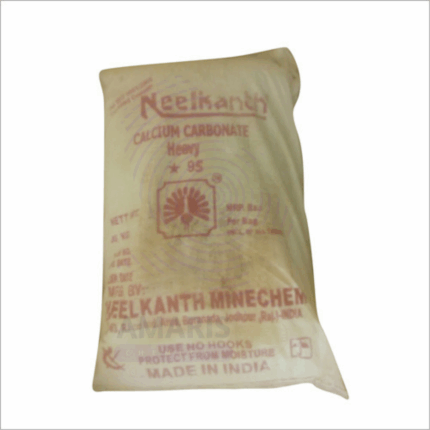
Calcium Carbonate Heavy
Calcium Carbonate Heavy is a high-density, finely ground, natural mineral primarily composed of calcium carbonate (CaCO₃). Known for its higher bulk density compared to regular grades, this filler is widely used in applications requiring enhanced weight, opacity, and strength. It is commonly employed as a functional filler and extender in industries such as plastics, paints, coatings, adhesives, rubber, paper, and construction materials. Its inert nature, whiteness, and particle size distribution make it suitable for improving mechanical properties and surface finish, while also offering cost efficiency by replacing more expensive raw materials.
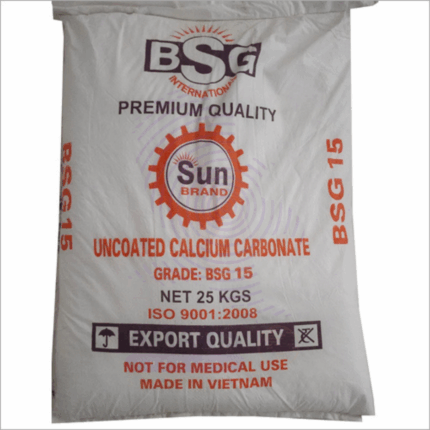
Calcium Carbonate Uncoated
Calcium Carbonate Uncoated is a naturally occurring mineral compound composed primarily of calcium, carbon, and oxygen with the chemical formula CaCO₃. It appears as a fine white powder or granules, widely used as a filler, pigment, and functional additive across various industries. The uncoated form means the calcium carbonate particles are not surface-treated, retaining their natural properties. It is valued for its high brightness, whiteness, and excellent compressibility. Uncoated calcium carbonate is used to enhance opacity, improve processing, and reduce costs in plastics, paints, coatings, adhesives, rubber, paper, and construction materials.
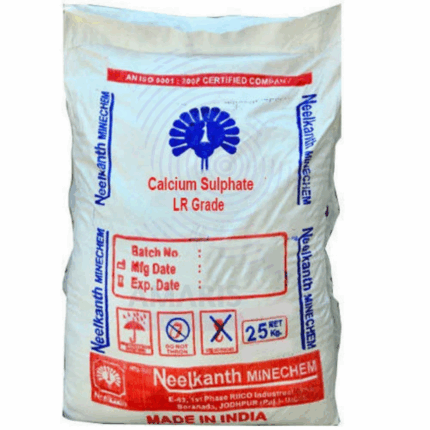
Calcium Sulphate
Calcium Sulphate is an inorganic compound composed of calcium, sulfur, and oxygen, commonly found in two forms: dihydrate (gypsum, CaSO4·2H2O) and anhydrous (CaSO4). It appears as a white or off-white crystalline powder or granules with low solubility in water. Calcium Sulphate is widely used in construction, agriculture, pharmaceuticals, food industry, and various industrial applications. It acts as a filler, hardening agent, and drying agent due to its physical and chemical properties. The dihydrate form (gypsum) is notable for use in plaster and cement, while the anhydrous form is often used as a drying agent and in refractory materials.
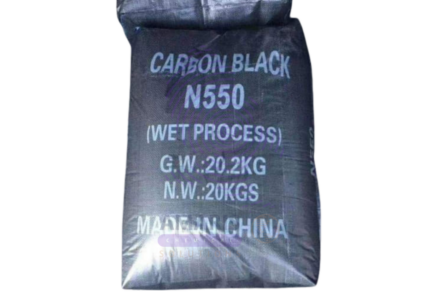
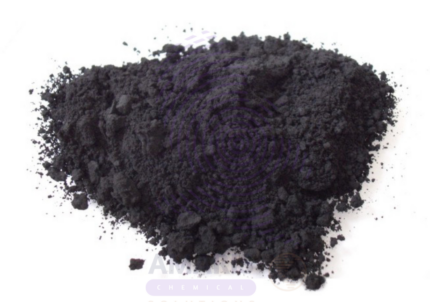
Carbon Black
Carbon Black Concentrate Dispersions are homogeneous, ready-to-use formulations consisting of high-quality carbon black uniformly dispersed in a compatible liquid or solid carrier system. These products are engineered to deliver precise, repeatable carbon black loading levels at concentrations of 15%, 25%, 40%, and 50%, enabling manufacturers to achieve consistent jetness, tint strength, UV protection, electrical conductivity, and reinforcement across a wide range of industrial applications. Each variant is identified by a unique product code (169FF, 121FF, 13FF, 32PP) denoting the specific carbon black grade, with the percentage indicating the exact weight concentration of carbon black in the dispersion. These products eliminate the handling hazards, dust contamination, and dispersion inconsistencies associated with raw powdered carbon black, while significantly improving manufacturing efficiency, color matching, and end-product performance. They are designed to be "let down" (diluted) into a compatible base material at recommended ratios to achieve the target carbon black level for specific formulation requirements. These are industrial-grade products and are not intended for food, pharmaceutical, or cosmetic applications unless explicitly certified otherwise.
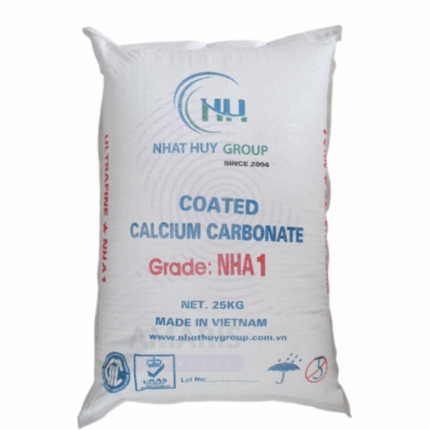
Coated Calcium Carbonate
Coated Calcium Carbonate is a fine, white, odorless powder consisting of naturally occurring ground calcium carbonate (CaCO₃) treated with a surface coating—typically stearic acid or other fatty acids—to enhance compatibility with non-polar matrices. This coating improves dispersion in plastic and rubber formulations, reduces moisture pickup, and enhances the physical properties of the final product. Compared to uncoated grades, coated calcium carbonate offers better hydrophobicity, improved flow properties, and stronger interfacial bonding in polymeric systems. It is widely used in plastics, rubber, paints, sealants, adhesives, paper, and more.
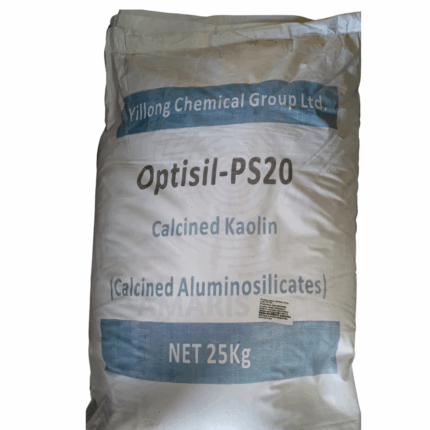
Kaolin
Kaolin is a naturally occurring, fine white clay mineral primarily composed of kaolinite. It features a soft, powdery texture and excellent absorbency. Kaolin is widely used across ceramics, paper, rubber, paint, and cosmetics industries due to its chemical inertness, whiteness, and plasticity. It acts as a filler, coating agent, and extender to enhance product quality and performance.
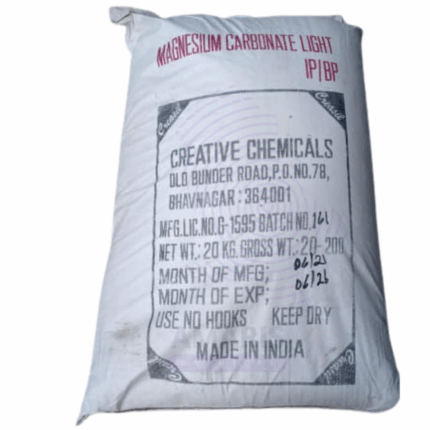
Magnesium Carbonate Light
Magnesium Carbonate Light is a fine, white, odorless powder primarily composed of magnesium carbonate (MgCO₃). It is characterized by its light texture and high purity. This mineral compound is widely used across various industries due to its excellent absorption properties, mild alkalinity, and non-toxic nature. Magnesium Carbonate Light is commonly employed as an antacid, drying agent, filler, and flow aid in food, pharmaceutical, cosmetic, and industrial applications.












