

 Preservatives(food)
 Flavors
 Acidulants
 Sweeteners
 Antioxidants
 Colorants(food)
 Nutraceutical Ingredients (food)
 Nutrient Supplements
 Emulsifiers
 Collectors
 Dust Suppressants
 Explosives and Blasting Agents
 Flocculants and Coagulants
 Frothers
 Leaching Agents
 pH Modifiers
 Precious Metal Extraction Agents
 Antioxidants(plastic)
 Colorants (Pigments, Dyes)
 Fillers and Reinforcements
 Flame Retardants
 Monomers
 Plasticizers
 Polymerization Initiators
 Stabilizers (UV, Heat)
 Antifoaming Agents
 Chelating Agents
 Coagulants and Flocculants
 Corrosion Inhibitors
 Disinfectants and Biocides
 Oxidizing Agents
 pH Adjusters
 Scale Inhibitors( water)
 Antioxidants(cosmetic)
 Emollients
 Oils
Oils Carrier Oills
 Essential Oils
 Humectants
 Preservatives
 Surfactants(cosmetic)
 Thickeners
 UV Filters
 Fragrance (Cosmetics)
 Fertilizers
 Soil Conditioners
 Plant Growth Regulators
 Animal Feed Additives
 Biostimulants
 Pesticides (Herbicides, Insecticides, Fungicides)
 Active Pharmaceutical Ingredients (APIs)
 Excipients
 Solvents(pharmaceutical)
 Antibiotics
 Antiseptics and Disinfectants
 Vaccine Adjuvants
 Nutraceutical Ingredients (pharmaceutical)
 Analgesics & Antipyretics
 Analytical Reagents
 Solvents(lab)
 Chromatography Chemicals
 Spectroscopy Reagents
 microbiology-and-cell-culture-reagents
 Molecular Biology Reagents
 Biochemical Reagents
 Inorganic and Organic Standards
 Laboratory Safety Chemicals
 Specialty Laboratory Chemicals(Special Laboratory Equipment)
 Demulsifiers
 Hydraulic Fracturing Fluids
 Scale Inhibitors(oil)
 Surfactants(oil)
 Drilling Fluids
 Dyes and Pigments
 Bleaching Agents
 Softening Agents
 Finishing Agents
 Antistatic Agents
 Admixtures
 Waterproofing Agents
 Sealants and Adhesives
 Curing Compounds
 Concrete Repair Chemicals
 Anti-Corrosion Coatings
 Surfactants(cleaning)
 Builders
 Enzymes
 Solvents (Cleaning)
 Electronic Chemicals
 Catalysts
 Lubricants
 Photographic Chemicals
 Refrigerants
 Automotive chemicals
 Pyrotechnic Chemicals
 Biodegradable Surfactants
 Bio-based Solvents
 Renewable Polymers
 Carbon Capture Chemicals
 Wastewater Treatment Chemicals
 Pigments
 Solvents(paint)
 Specialty Coatings
 Binders/Resins
 Additives
 Driers
 Anti-Corrosion Agents
 Functional Coatings
 Application-Specific Coatings
 Leavening Agents
 Dough Conditioners
 Flour Treatments
 Fat Replacers
 Decoratives
 Preservatives(baking)
 Plasticizers & Softeners
 Reinforcing Agents
 Adhesion Promoters
 Vulcanizing Agents
 Antidegradants
 Blowing Agents
 Fillers & Extenders
 Accelerators & Retarders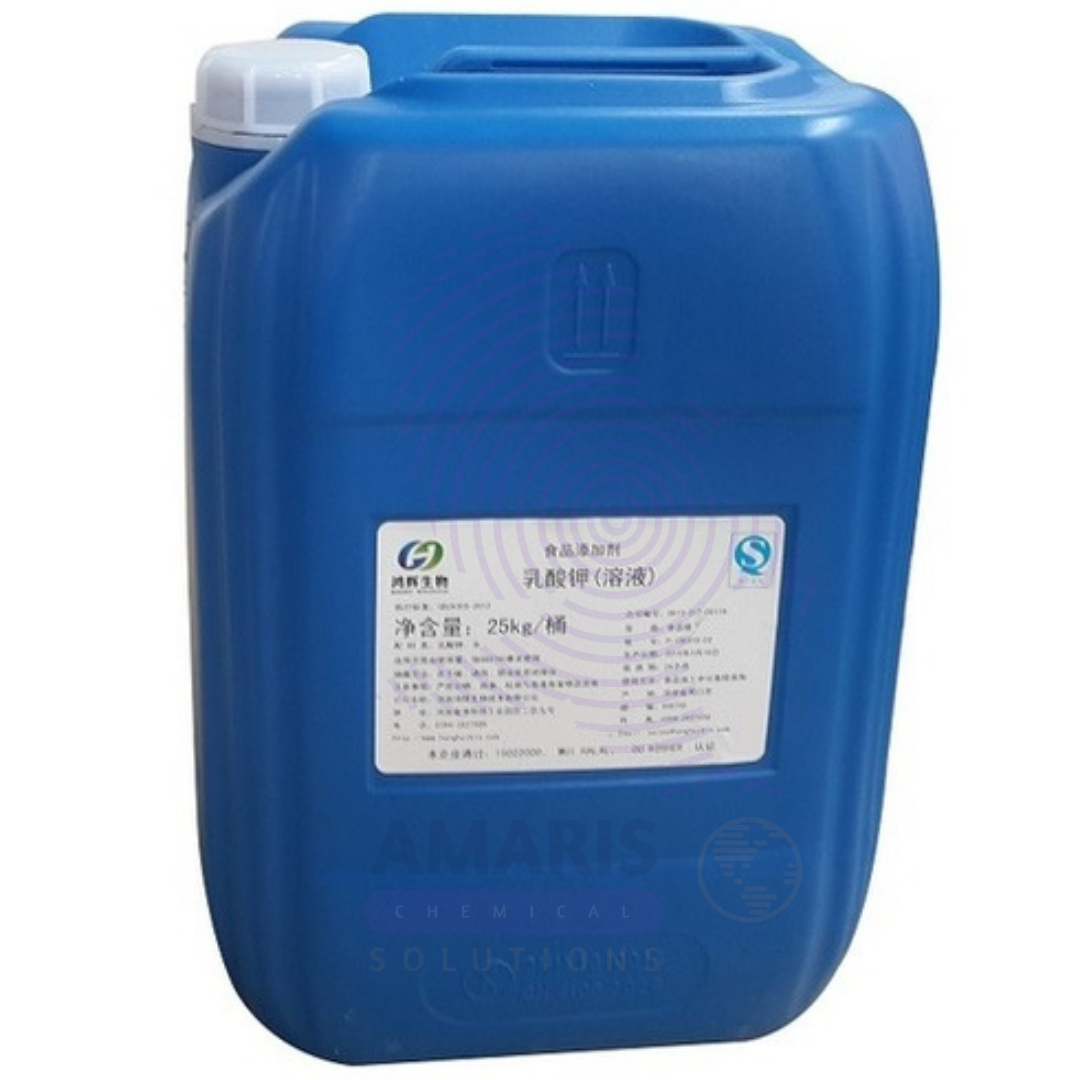

Ammonium Lactate
Original price was: $ 7.89.$ 7.78Current price is: $ 7.78.
Ammonium Lactate is the ammonium salt of lactic acid, appearing as a clear, hygroscopic liquid or syrupy solution. It is widely used in pharmaceutical, cosmetic, and food industries primarily for its moisturizing, pH adjusting, and antimicrobial properties. In topical formulations, it acts as a keratolytic agent to help exfoliate and hydrate skin, making it popular in treatments for dry, scaly, or ichthyotic skin conditions. Its biocompatibility and mild acidic nature make it a versatile ingredient in various industrial and personal care products.
Ammonium Lactate
Primary Uses
- Pharmaceutical & Dermatological Applications
- Used in topical formulations such as creams, lotions, and gels to treat xerosis (dry skin), ichthyosis, and keratosis pilaris.
- Acts as a humectant and exfoliant by promoting skin hydration and mild exfoliation of dead skin cells.
- Incorporated in moisturizers to improve skin softness and elasticity.
- Sometimes used in anti-aging and acne treatment products.
- Cosmetics & Personal Care
- Added to lotions, body washes, shampoos, and conditioners as a moisturizing agent.
- Adjusts pH to maintain skin-friendly levels in formulations.
- Enhances product stability and effectiveness.
- Food Industry
- Occasionally used as a food additive for pH regulation or as a flavor enhancer, though less common than lactic acid itself.
- May be found in fermented food processing or preservation.
Secondary Uses
- Chemical & Industrial Uses
- Used as a pH buffer and stabilizer in various chemical processes.
- Can act as a biodegradable acidulant in cleaning and detergent formulations.
- Agricultural Uses
- Employed in certain formulations for soil pH adjustment or as a biodegradable additive in fertilizers.
- Pharmaceutical Manufacturing
- Utilized in some drug formulations as a stabilizer or pH adjuster.
1. Basic Identification Attributes
- Chemical Name (IUPAC): Ammonium 2-hydroxypropanoate
- Common/Trade Names: Ammonium Lactate
- CAS Number: 78391-02-7
- HS Code: 2918.15.00
- Molecular Formula: C3H7NO3
- Synonyms: Ammonium 2-hydroxypropionate
2. Physical & Chemical Properties
- Physical State: Clear, colorless to slightly yellowish viscous liquid or syrup
- Odor: Mild, characteristic lactic acid odor
- Melting Point: Not applicable (liquid)
- Boiling Point: Approx. 200–220°C (decomposes)
- Density: ~1.1 g/cm³
- Solubility: Fully miscible with water; soluble in alcohol
- pH Level: Slightly acidic to neutral (typically 3.5–4.5 in solution)
- Vapor Pressure: Low
- Flash Point: Non-flammable
- Stability: Stable under normal storage conditions; sensitive to prolonged heat and light
3. Safety & Hazard Attributes
- Hazard Class (GHS): Generally regarded as safe; mild irritant
- NFPA Ratings: Health 1, Flammability 0, Reactivity 0
- Exposure Limits: No established occupational exposure limits; low toxicity
- Reactivity: Stable; no hazardous reactions under normal conditions
- Incompatible Materials: Strong oxidizers, strong acids, and bases
4. Storage & Handling Attributes
- Storage Conditions: Store in a cool, dry place away from direct sunlight and heat sources
- Container Type: Sealed plastic or glass containers recommended
- Shelf Life: Typically 2–3 years if stored properly
- Special Handling: Use protective gloves and eyewear when handling concentrated solutions
5. Regulatory & Compliance Attributes
- Regulatory Status: Approved for cosmetic and pharmaceutical use in many countries
- FDA (USA): Generally recognized as safe (GRAS) for cosmetic use
- REACH (EU): Registered chemical substance
- Transportation: Not classified as hazardous for transport
- Waste Disposal: Dispose according to local regulations; biodegradable
6. Environmental & Health Impact
- Ecotoxicity: Low toxicity to aquatic life
- Persistence: Biodegradable under aerobic conditions
- Carcinogenicity: Not carcinogenic or mutagenic
- Biodegradability: Readily biodegradable
Safety Handling Precautions
- PPE: Wear gloves and safety goggles to avoid skin and eye contact with concentrated solutions.
- Handling: Avoid inhaling vapors; handle in well-ventilated areas.
- Storage: Keep containers tightly closed; store away from incompatible substances.
- Hygiene: Wash hands thoroughly after handling; avoid ingestion or contact with eyes.
First Aid Measures
- Inhalation: Move to fresh air; seek medical attention if respiratory irritation occurs.
- Skin Contact: Rinse affected area with water; remove contaminated clothing; seek medical advice if irritation persists.
- Eye Contact: Flush eyes with plenty of water for at least 15 minutes; consult a physician if irritation continues.
- Ingestion: Rinse mouth; drink water; seek medical attention if large amounts ingested.
Firefighting Measures
- Fire Hazards: Non-flammable and non-combustible; may emit irritating fumes if heated to decomposition.
- Extinguishing Media: Use water spray, foam, dry chemical, or CO₂ to extinguish surrounding fires.
- Special Precautions: Firefighters should wear protective gear to avoid inhalation of fumes.
Related products
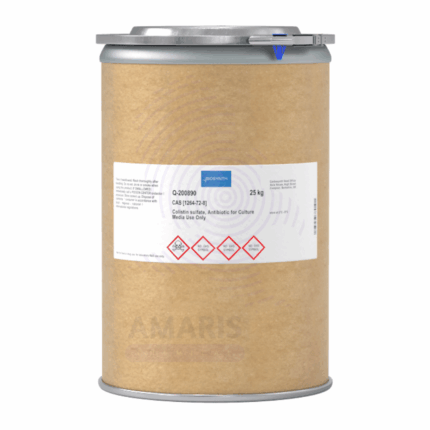
Colistin Sulphate BP
Colistin Sulphate BP is an antibiotic belonging to the polymyxin class, derived from the bacterium Paenibacillus polymyxa. It is a white to pale yellow powder, soluble in water, and used primarily for its potent bactericidal activity against Gram-negative bacteria, including multidrug-resistant strains. Colistin Sulphate BP is used in both human and veterinary medicine, often as a last-resort treatment for serious infections caused by multidrug-resistant Pseudomonas, Acinetobacter, and Klebsiella species. Due to its efficacy and narrow therapeutic index, its use is carefully monitored. The “BP” denotes compliance with the British Pharmacopoeia standards.
Dicyclomine Hydrochloride
Dicyclomine Hydrochloride is an anticholinergic and antispasmodic agent used primarily to relieve smooth muscle spasms in the gastrointestinal tract. It works by blocking muscarinic receptors, thereby reducing muscle contractions and spasms, which helps alleviate symptoms of irritable bowel syndrome (IBS) and other functional bowel disorders. It is commonly available in oral tablets, capsules, and injectable formulations.
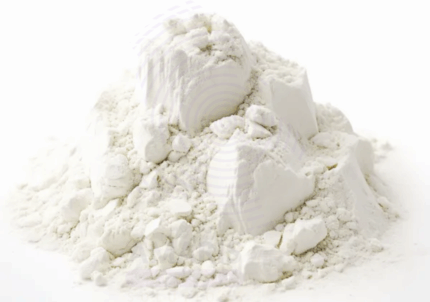
Ferulic Acid
Ferulic Acid is a naturally occurring hydroxycinnamic acid classified as a phenolic compound with potent antioxidant properties. It exists as a pale yellow to light brown crystalline powder with a faint characteristic odor. Ferulic Acid is commonly found in the cell walls of various plants such as rice bran, wheat, oats, coffee, apples, and fruits, where it plays a role in plant structural integrity and defense against environmental stress. It is valued across multiple industries—cosmetics, pharmaceuticals, nutraceuticals, food, and agriculture—due to its ability to neutralize free radicals, absorb UV radiation, and exhibit anti-inflammatory and antimicrobial activities.
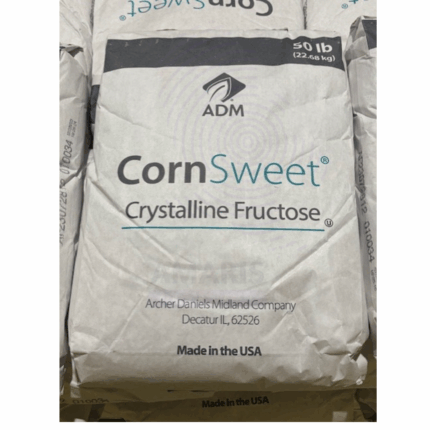
Fructose
Fructose, also known as fruit sugar, is a naturally occurring monosaccharide found in many plants, fruits, honey, and root vegetables. It is a simple sugar with a sweet taste and is one of the three dietary monosaccharides, alongside glucose and galactose. Fructose appears as a white crystalline powder, highly soluble in water, and is commonly used as a sweetener in food and beverage industries due to its high relative sweetness. It plays important roles in metabolism and is used extensively in the production of high-fructose corn syrup (HFCS) and other sweetening agents.
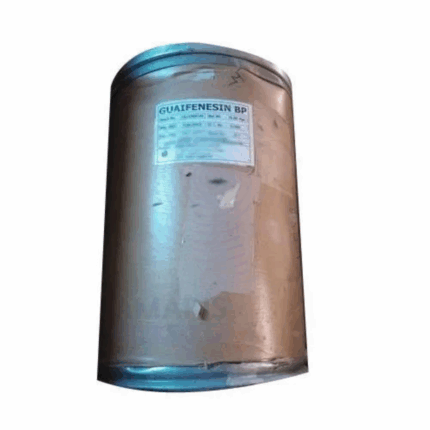
Guaiphenesin BP
Guaiphenesin BP is a white crystalline powder or granules with a faint characteristic odor, classified as an expectorant used primarily in pharmaceutical formulations to relieve chest congestion. It works by loosening and thinning mucus in the airways, making it easier to cough up and clear from the respiratory tract. It is widely utilized in cough syrups, tablets, and cold remedies. Recognized for its mucolytic and muscle-relaxant properties, Guaiphenesin is included in both prescription and over-the-counter medications worldwide.
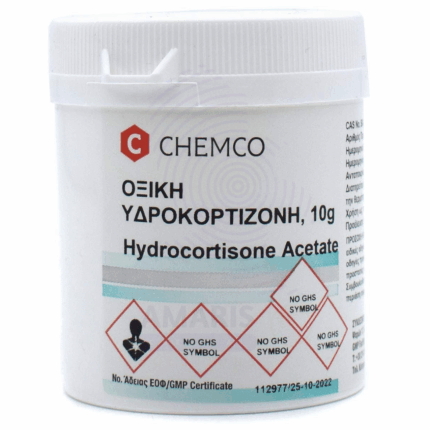
Hydrocortisone Acetate
Hydrocortisone Acetate is a synthetic corticosteroid ester derived from hydrocortisone (cortisol). It is a white to off-white crystalline powder, practically insoluble in water but soluble in alcohol and acetone. This compound exhibits potent anti-inflammatory, immunosuppressive, and anti-allergic properties, making it widely used in pharmaceutical and dermatological formulations. Hydrocortisone Acetate acts by modulating gene expression to reduce the production of inflammatory mediators, thereby alleviating symptoms in various inflammatory and autoimmune conditions.
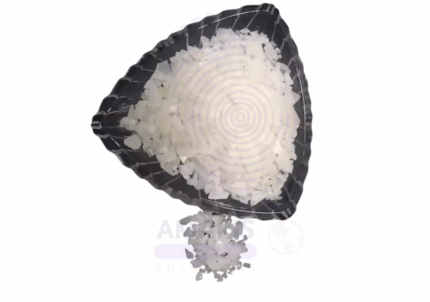
Polyethyl Glycol( PEG 6000)
Polyethyl Glycol( PEG 6000) is a high-molecular-weight polymer derived from ethylene oxide. It appears as a white, waxy solid or flake and is non-toxic, water-soluble, and chemically stable. PEG 6000 is widely used in pharmaceuticals, cosmetics, food processing, industrial formulations, and biotechnology, valued for its lubricating, solubilizing, binding, and moisturizing properties. It is odorless and tasteless, making it suitable for sensitive formulations.

Sorbitol
Sorbitol is a sugar alcohol with the chemical formula C₆H₁₄O₆, appearing as a white, crystalline, hygroscopic powder or syrup. It is widely used as a sweetener, humectant, and texturizing agent in food, pharmaceutical, and cosmetic industries. This 25kg packaged product offers high purity sorbitol, soluble in water with a mildly sweet taste and low caloric value, making it a popular sugar substitute and stabilizer.












