

 Preservatives(food)
 Flavors
 Acidulants
 Sweeteners
 Antioxidants
 Colorants(food)
 Nutraceutical Ingredients (food)
 Nutrient Supplements
 Emulsifiers
 Collectors
 Dust Suppressants
 Explosives and Blasting Agents
 Flocculants and Coagulants
 Frothers
 Leaching Agents
 pH Modifiers
 Precious Metal Extraction Agents
 Antioxidants(plastic)
 Colorants (Pigments, Dyes)
 Fillers and Reinforcements
 Flame Retardants
 Monomers
 Plasticizers
 Polymerization Initiators
 Stabilizers (UV, Heat)
 Antifoaming Agents
 Chelating Agents
 Coagulants and Flocculants
 Corrosion Inhibitors
 Disinfectants and Biocides
 Oxidizing Agents
 pH Adjusters
 Scale Inhibitors( water)
 Antioxidants(cosmetic)
 Emollients
 Oils
Oils Carrier Oills
 Essential Oils
 Humectants
 Preservatives
 Surfactants(cosmetic)
 Thickeners
 UV Filters
 Fragrance (Cosmetics)
 Fertilizers
 Soil Conditioners
 Plant Growth Regulators
 Animal Feed Additives
 Biostimulants
 Pesticides (Herbicides, Insecticides, Fungicides)
 Active Pharmaceutical Ingredients (APIs)
 Excipients
 Solvents(pharmaceutical)
 Antibiotics
 Antiseptics and Disinfectants
 Vaccine Adjuvants
 Nutraceutical Ingredients (pharmaceutical)
 Analgesics & Antipyretics
 Analytical Reagents
 Solvents(lab)
 Chromatography Chemicals
 Spectroscopy Reagents
 microbiology-and-cell-culture-reagents
 Molecular Biology Reagents
 Biochemical Reagents
 Inorganic and Organic Standards
 Laboratory Safety Chemicals
 Specialty Laboratory Chemicals(Special Laboratory Equipment)
 Demulsifiers
 Hydraulic Fracturing Fluids
 Scale Inhibitors(oil)
 Surfactants(oil)
 Drilling Fluids
 Dyes and Pigments
 Bleaching Agents
 Softening Agents
 Finishing Agents
 Antistatic Agents
 Admixtures
 Waterproofing Agents
 Sealants and Adhesives
 Curing Compounds
 Concrete Repair Chemicals
 Anti-Corrosion Coatings
 Surfactants(cleaning)
 Builders
 Enzymes
 Solvents (Cleaning)
 Electronic Chemicals
 Catalysts
 Lubricants
 Photographic Chemicals
 Refrigerants
 Automotive chemicals
 Pyrotechnic Chemicals
 Biodegradable Surfactants
 Bio-based Solvents
 Renewable Polymers
 Carbon Capture Chemicals
 Wastewater Treatment Chemicals
 Pigments
 Solvents(paint)
 Specialty Coatings
 Binders/Resins
 Additives
 Driers
 Anti-Corrosion Agents
 Functional Coatings
 Application-Specific Coatings
 Leavening Agents
 Dough Conditioners
 Flour Treatments
 Fat Replacers
 Decoratives
 Preservatives(baking)
 Plasticizers & Softeners
 Reinforcing Agents
 Adhesion Promoters
 Vulcanizing Agents
 Antidegradants
 Blowing Agents
 Fillers & Extenders
 Accelerators & Retarders


Fructose
Fructose, also known as fruit sugar, is a naturally occurring monosaccharide found in many plants, fruits, honey, and root vegetables. It is a simple sugar with a sweet taste and is one of the three dietary monosaccharides, alongside glucose and galactose. Fructose appears as a white crystalline powder, highly soluble in water, and is commonly used as a sweetener in food and beverage industries due to its high relative sweetness. It plays important roles in metabolism and is used extensively in the production of high-fructose corn syrup (HFCS) and other sweetening agents.
Fructose
Primary Uses
- Food and Beverage Industry
- Widely used as a natural sweetener in beverages, soft drinks, fruit juices, baked goods, and confectionery.
- Key ingredient in high-fructose corn syrup (HFCS), which is used to sweeten processed foods and drinks due to cost-effectiveness and intense sweetness.
- Used in low-calorie and reduced-fat food formulations to enhance sweetness without adding bulk.
- Functions as a humectant to retain moisture and improve texture in baked goods and processed foods.
- Acts as a fermentation substrate in the production of alcoholic beverages such as beer and wine.
- Pharmaceutical and Nutraceutical Industry
- Incorporated into syrups, lozenges, and chewable tablets as a sweetening agent to mask unpleasant tastes.
- Used as a source of quick energy in medical nutrition and oral rehydration solutions.
- Studied for potential prebiotic effects supporting gut health.
- Cosmetics and Personal Care
- Used in formulations as a humectant and skin-conditioning agent in lotions, creams, and hair care products.
- Functions as a natural exfoliant when combined with alpha hydroxy acids (AHAs).
- Biotechnology and Fermentation
- Employed as a carbon source in microbial fermentation processes for the production of biofuels, organic acids, and enzymes.
- Used as a substrate in enzymatic and microbial bioconversions.
Secondary Uses
- Animal Feed
- Added as an energy source in specialized animal feeds and supplements.
- Food Preservation
- Helps inhibit crystallization in frozen desserts and ice creams, improving texture and shelf life.
- Research and Analytical Chemistry
- Used as a reference standard in carbohydrate research and in quality control of food products.
1. Basic Identification Attributes
- Chemical Name (IUPAC): (3S,4R,5R)-1,3,4,5,6-Pentahydroxyhexan-2-one
- Common/Trade Name: Fructose, Fruit sugar
- CAS Number: 57-48-7
- HS Code: 1702.90
- Molecular Formula: C6H12O6
- Synonyms: D-Fructose, Levulose, Fruit sugar
2. Physical & Chemical Properties
- Physical State: Crystalline powder
- Color & Odor: White to off-white; odorless or faint sweet aroma
- Melting Point: 103–105 °C (anhydrous)
- Solubility: Highly soluble in water, slightly soluble in ethanol
- Sweetness: Approximately 1.2 to 1.8 times sweeter than sucrose
- Stability: Stable under dry conditions; susceptible to caramelization and Maillard reactions when heated with amino acids
3. Safety & Hazard Attributes
- Hazard Class (GHS): Not classified as hazardous
- Toxicity: Generally recognized as safe (GRAS) for consumption
- Exposure Limits: No occupational exposure limits; safe for handling under normal conditions
4. Storage & Handling Attributes
- Storage Conditions: Store in a cool, dry, well-ventilated area, away from moisture and heat
- Container Type: Food-grade sealed containers, typically polyethylene or glass
- Shelf Life: Up to 24 months if stored properly
- Handling Precautions: Avoid moisture absorption; keep container tightly closed
5. Regulatory & Compliance Attributes
- Approved for use as a sweetener and food additive by FDA, EFSA, and other regulatory agencies
- Listed as Generally Recognized As Safe (GRAS) by FDA
- Usage limits regulated based on product type and country
6. Environmental & Health Impact
- Biodegradability: Readily biodegradable and environmentally friendly
- Ecotoxicity: Low environmental impact; non-toxic to aquatic organisms
- Bioaccumulation: Not bioaccumulative
- Carcinogenicity/Mutagenicity: Not carcinogenic or mutagenic
Safety Handling Precautions
- PPE Required: Standard food handling gloves recommended
- Handling Guidelines: Use good hygiene practices; avoid contamination
- Storage Measures: Prevent exposure to moisture to avoid clumping and microbial growth
- Hygiene Practices: Wash hands after handling; ensure clean food-grade environment
First Aid Measures
- Inhalation: Not applicable; low dust potential
- Skin Contact: Not irritating; wash if exposed to dust
- Eye Contact: Rinse with water if dust causes irritation
- Ingestion: Safe for consumption; no adverse effects at normal dietary levels
Firefighting Measures
- Fire Hazards: Combustible sugar powder; dust may form explosive mixtures in air
- Extinguishing Media: Use water spray, foam, dry chemical, or CO₂
- Special Precautions: Avoid dust dispersion and ignition sources
- Decomposition Products: Carbon monoxide, carbon dioxide on burning
Related products

Blueberry Toppings
Blueberry Toppings are sweet, fruit-based condiment preparations made primarily from blueberries, sugar, and thickening agents. They are characterized by a vibrant blue-purple color, fruity aroma, and a sweet-tart flavor profile. Typically semi-viscous with chunks or pureed pieces of blueberry, these toppings are used as finishing ingredients in desserts, breakfast foods, and beverages. Blueberry toppings may be prepared as preserves, syrups, or glazes and often contain natural flavors and preservatives to enhance shelf life and sensory appeal.
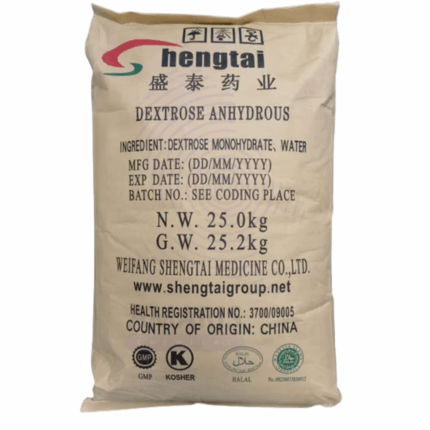
Dextrose Anhydrous BP Injectable
Dextrose Anhydrous BP Injectable is a sterile, highly purified crystalline form of glucose that serves as a critical energy source in intravenous therapy. It is widely used in parenteral nutrition, rehydration, and hypoglycemia management. The anhydrous form contains no water, allowing precise control of concentration in injectable solutions. Meeting British Pharmacopoeia (BP) standards, it ensures pharmaceutical-grade purity and sterility, suitable for direct injection or as a component in compounded IV fluids. It provides readily available carbohydrates metabolized to supply energy, regulate osmolarity, and maintain fluid-electrolyte balance in clinical care.
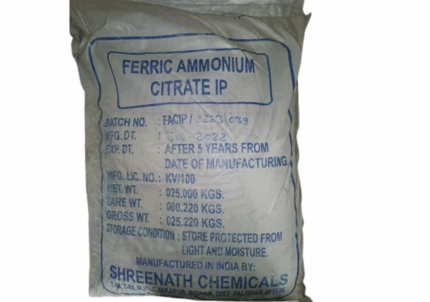
Ferric Ammonium Citrate
Ferric Ammonium Citrate is a dark green to black crystalline or granular inorganic compound composed of iron, ammonium ions, and citrate ions. It is a complex salt of citric acid with ferric iron (Fe³⁺) and ammonium. This compound is highly soluble in water, forming a greenish solution, and is widely utilized as a source of iron in various chemical, pharmaceutical, photographic, and food applications. It acts as a mild oxidizing agent and an iron supplement, valued for its bioavailability and ease of incorporation into formulations. Ferric Ammonium Citrate is typically available in different formulations distinguished by their water and ammonium content, such as green and brown types.

Ferulic Acid
Ferulic Acid is a naturally occurring hydroxycinnamic acid classified as a phenolic compound with potent antioxidant properties. It exists as a pale yellow to light brown crystalline powder with a faint characteristic odor. Ferulic Acid is commonly found in the cell walls of various plants such as rice bran, wheat, oats, coffee, apples, and fruits, where it plays a role in plant structural integrity and defense against environmental stress. It is valued across multiple industries—cosmetics, pharmaceuticals, nutraceuticals, food, and agriculture—due to its ability to neutralize free radicals, absorb UV radiation, and exhibit anti-inflammatory and antimicrobial activities.
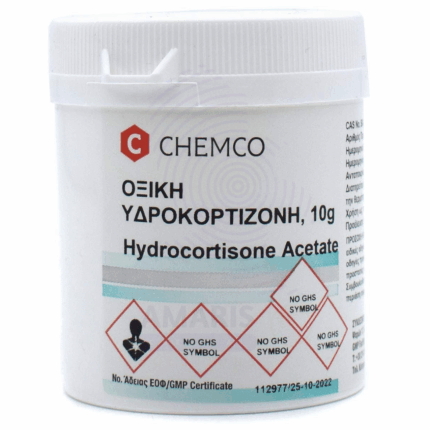
Hydrocortisone Acetate
Hydrocortisone Acetate is a synthetic corticosteroid ester derived from hydrocortisone (cortisol). It is a white to off-white crystalline powder, practically insoluble in water but soluble in alcohol and acetone. This compound exhibits potent anti-inflammatory, immunosuppressive, and anti-allergic properties, making it widely used in pharmaceutical and dermatological formulations. Hydrocortisone Acetate acts by modulating gene expression to reduce the production of inflammatory mediators, thereby alleviating symptoms in various inflammatory and autoimmune conditions.
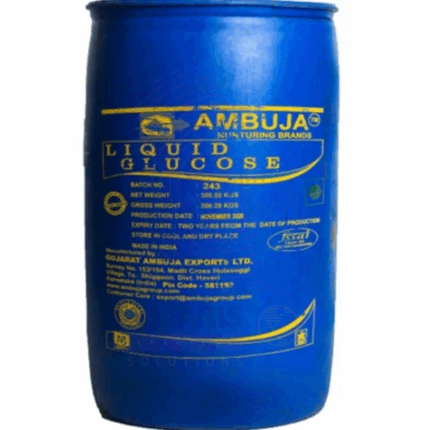
Liquid Glucose
Liquid Glucose is a viscous, clear to pale amber syrup primarily composed of glucose and other saccharides. It is produced by the enzymatic hydrolysis of starch derived from corn, wheat, or potatoes. Known for its high sweetness and excellent moisture-retention properties, Liquid Glucose is widely used in the food and beverage industry to enhance texture, sweetness, and shelf life. It also acts as a humectant and crystallization inhibitor, improving the quality and consistency of various processed foods.
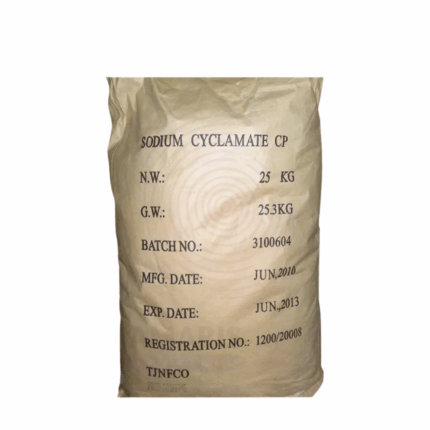
Sodium Cyclamate
Sodium Cyclamate 80 Mesh is a white, crystalline powder used as an artificial sweetener. It is approximately 30 to 50 times sweeter than sucrose (table sugar) and provides a low-calorie sugar substitute. Due to its high sweetness and stability under heat and acidic conditions, it is commonly used in food and beverage formulations, pharmaceuticals, and personal care products as a sugar alternative.

Stevia
Stevia 25kg refers to a bulk packaging format of high-purity stevia extract, a natural, zero-calorie sweetener derived from the leaves of Stevia rebaudiana. It contains steviol glycosides—primarily Rebaudioside A and Stevioside—which are responsible for its intense sweetness. Stevia is widely used as a sugar substitute in food and beverage formulations, offering a healthier alternative for calorie-conscious and diabetic consumers. This product is typically available in powder or granular form, suitable for large-scale commercial use.












