

 Preservatives(food)
 Flavors
 Acidulants
 Sweeteners
 Antioxidants
 Colorants(food)
 Nutraceutical Ingredients (food)
 Nutrient Supplements
 Emulsifiers
 Collectors
 Dust Suppressants
 Explosives and Blasting Agents
 Flocculants and Coagulants
 Frothers
 Leaching Agents
 pH Modifiers
 Precious Metal Extraction Agents
 Antioxidants(plastic)
 Colorants (Pigments, Dyes)
 Fillers and Reinforcements
 Flame Retardants
 Monomers
 Plasticizers
 Polymerization Initiators
 Stabilizers (UV, Heat)
 Antifoaming Agents
 Chelating Agents
 Coagulants and Flocculants
 Corrosion Inhibitors
 Disinfectants and Biocides
 Oxidizing Agents
 pH Adjusters
 Scale Inhibitors( water)
 Antioxidants(cosmetic)
 Emollients
 Oils
Oils Carrier Oills
 Essential Oils
 Humectants
 Preservatives
 Surfactants(cosmetic)
 Thickeners
 UV Filters
 Fragrance (Cosmetics)
 Fertilizers
 Soil Conditioners
 Plant Growth Regulators
 Animal Feed Additives
 Biostimulants
 Pesticides (Herbicides, Insecticides, Fungicides)
 Active Pharmaceutical Ingredients (APIs)
 Excipients
 Solvents(pharmaceutical)
 Antibiotics
 Antiseptics and Disinfectants
 Vaccine Adjuvants
 Nutraceutical Ingredients (pharmaceutical)
 Analgesics & Antipyretics
 Analytical Reagents
 Solvents(lab)
 Chromatography Chemicals
 Spectroscopy Reagents
 microbiology-and-cell-culture-reagents
 Molecular Biology Reagents
 Biochemical Reagents
 Inorganic and Organic Standards
 Laboratory Safety Chemicals
 Specialty Laboratory Chemicals(Special Laboratory Equipment)
 Demulsifiers
 Hydraulic Fracturing Fluids
 Scale Inhibitors(oil)
 Surfactants(oil)
 Drilling Fluids
 Dyes and Pigments
 Bleaching Agents
 Softening Agents
 Finishing Agents
 Antistatic Agents
 Admixtures
 Waterproofing Agents
 Sealants and Adhesives
 Curing Compounds
 Concrete Repair Chemicals
 Anti-Corrosion Coatings
 Surfactants(cleaning)
 Builders
 Enzymes
 Solvents (Cleaning)
 Electronic Chemicals
 Catalysts
 Lubricants
 Photographic Chemicals
 Refrigerants
 Automotive chemicals
 Pyrotechnic Chemicals
 Biodegradable Surfactants
 Bio-based Solvents
 Renewable Polymers
 Carbon Capture Chemicals
 Wastewater Treatment Chemicals
 Pigments
 Solvents(paint)
 Specialty Coatings
 Binders/Resins
 Additives
 Driers
 Anti-Corrosion Agents
 Functional Coatings
 Application-Specific Coatings
 Leavening Agents
 Dough Conditioners
 Flour Treatments
 Fat Replacers
 Decoratives
 Preservatives(baking)
 Plasticizers & Softeners
 Reinforcing Agents
 Adhesion Promoters
 Vulcanizing Agents
 Antidegradants
 Blowing Agents
 Fillers & Extenders
 Accelerators & Retarders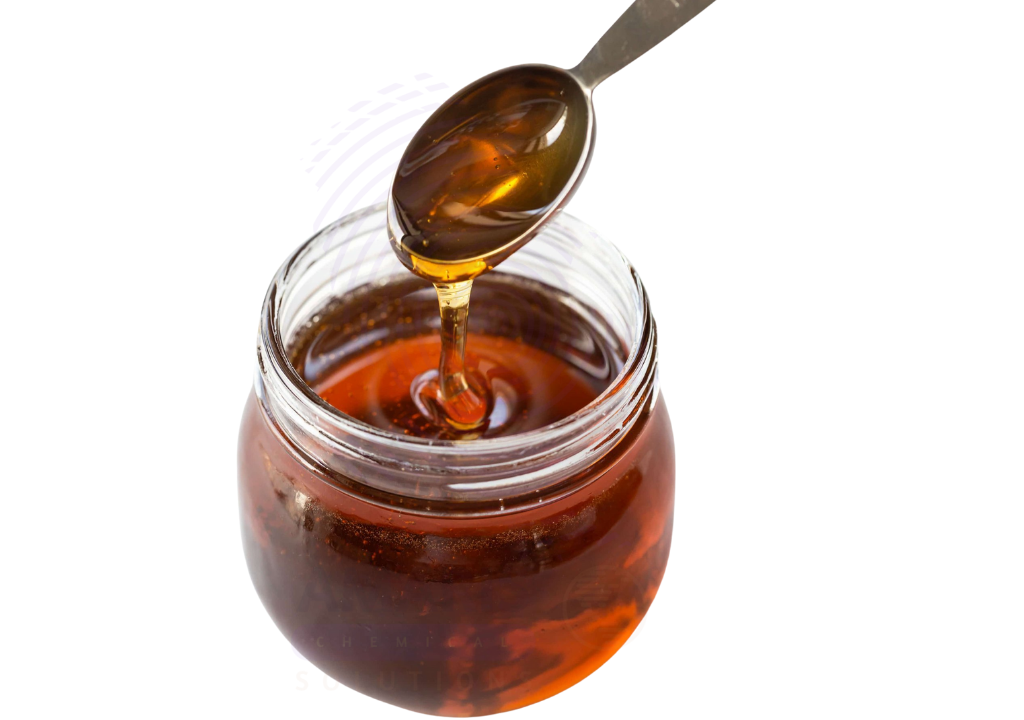

Sugar Slurry
Sugar Slurry is a concentrated aqueous solution of sucrose, prepared by dissolving refined sugar in water to create a viscous, pumpable syrup. It is used extensively in food, beverage, and industrial applications where liquid sweeteners are preferred over granulated sugar for ease of mixing, consistency, and handling. Sugar slurry ensures uniform sweetness and rapid dissolution in various processes and formulations.
Sugar Slurry
Primary Uses
- Food & Beverage Industry
- Sweetening Agent: Used in soft drinks, fruit juices, flavored beverages, and syrups for uniform sweetness and easy blending.
- Bakery & Confectionery: Incorporated in dough conditioners, fillings, glazes, and icings to provide moisture and sweetness.
- Dairy Products: Used in flavored milk, yogurts, and ice creams to improve taste and texture.
- Canning & Preserving: Acts as a sugar source in jams, jellies, and canned fruits for sweetness and preservation.
- Industrial Food Processing
- Fermentation Substrate: Provides fermentable sugar in brewing, distilling, and bioethanol production processes.
- Ingredient in Liquid Food Preparations: Used for soups, sauces, and ready-to-drink products requiring sweetening and viscosity control.
Secondary Uses
- Pharmaceuticals & Nutraceuticals
- Syrup Base: Utilized as a sweetener and carrier in medicinal syrups and oral solutions.
- Cosmetics & Personal Care
- Humectant & Sweetener: Used in lotions and creams to provide moisture retention and mild sweetness.
- Animal Feed
- Energy Source: Added in liquid feed formulations to improve palatability and energy content.
1. Basic Identification Attributes
- Chemical Name (IUPAC): Aqueous sucrose solution
- Common/Trade Name: Sugar Slurry
- CAS Number: Not applicable (mixture)
- HS Code: 1702.90.00
- Synonyms: Sugar syrup, Liquid sugar, Sugar solution
2. Physical & Chemical Properties
- Physical State: Viscous liquid
- Color & Odor: Clear to light amber; sweet odor
- Concentration: Typically 65–75% sucrose by weight (Brix)
- Solubility: Fully soluble in water (already dissolved)
- Density: Approx. 1.3–1.4 g/cm³ depending on concentration
- pH: Neutral to slightly acidic (pH 6–7)
3. Safety & Hazard Attributes
- GHS Classification: Not classified as hazardous
- Toxicity: Non-toxic and food-safe
- Exposure Limits: No occupational exposure limits established
4. Storage & Handling Attributes
- Storage Conditions: Store in food-grade tanks or containers at controlled temperature to prevent fermentation or microbial growth
- Container Type: Food-grade drums, tanks, or bulk liquid containers
- Shelf Life: Typically 6–12 months under proper refrigerated or cool storage
- Handling Precautions: Prevent microbial contamination; avoid prolonged storage at high temperatures
5. Regulatory & Compliance Attributes
- Complies with FDA, EFSA, and other international food additive and ingredient standards
- Produced under Good Manufacturing Practices (GMP)
- Suitable for use in food, beverage, pharmaceutical, and cosmetic products
6. Environmental & Health Impact
- Biodegradability: Readily biodegradable
- Ecotoxicity: Low environmental impact; natural carbohydrate solution
- Bioaccumulation: Not significant
Safety Handling Precautions
- PPE Required: Gloves recommended when handling large volumes
- Handling Guidelines: Use sanitary practices to prevent contamination
- Storage Measures: Keep containers sealed and refrigerated if possible
First Aid Measures
- Inhalation: Not applicable (liquid)
- Skin Contact: Wash with water if irritation occurs
- Eye Contact: Flush with water if splashed; seek medical attention if irritation persists
- Ingestion: Generally safe; no special treatment required
Firefighting Measures
- Fire Hazards: Non-flammable liquid
- Extinguishing Media: Use water, foam, or dry chemical if fire nearby
- Hazardous Combustion Products: None under normal conditions
Related products
Calcium Saccharin
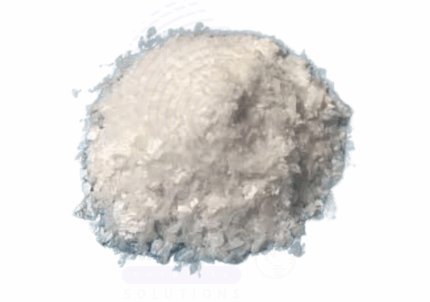
Calcium Saccharin is the calcium salt form of saccharin, a synthetic sweetener. It appears as a white to off-white crystalline powder with a sweet taste that is several hundred times sweeter than sucrose (table sugar). Calcium Saccharin is water-soluble and widely used as a non-nutritive sweetener in food and beverage products, pharmaceuticals, and oral care formulations. Due to its stability under heat and acidic conditions, it is ideal for baked goods and beverages. It serves as a sugar substitute for diabetic and calorie-restricted diets and is often used in combination with other sweeteners to improve taste profiles.

Maltitol Powder
Maltitol Powder is a white, crystalline polyol (sugar alcohol) derived from hydrogenated maltose obtained from starch sources like corn or wheat. It is a low-calorie, high-sweetness sugar substitute with about 90% the sweetness of sucrose but significantly fewer calories (approximately 2.1 kcal/g vs. 4 kcal/g for sugar). It has excellent solubility, low hygroscopicity, and provides a clean, sweet taste without an aftertaste. Maltitol Powder is widely used in food, pharmaceutical, and nutraceutical applications for its sugar-like properties, making it suitable for diabetic, low-carb, and dental-friendly formulations.
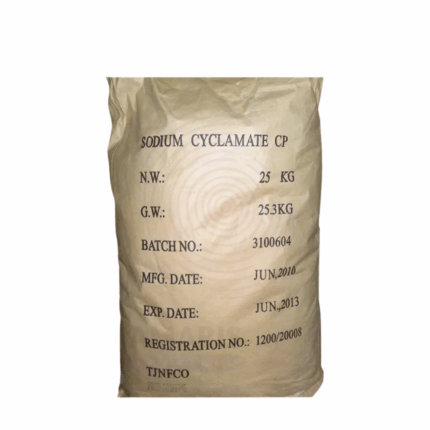
Sodium Cyclamate
Sodium Cyclamate 80 Mesh is a white, crystalline powder used as an artificial sweetener. It is approximately 30 to 50 times sweeter than sucrose (table sugar) and provides a low-calorie sugar substitute. Due to its high sweetness and stability under heat and acidic conditions, it is commonly used in food and beverage formulations, pharmaceuticals, and personal care products as a sugar alternative.

Sodium Saccharin
Sodium Saccharin is a white crystalline powder or granule with the chemical formula C₇H₄NNaO₃S·2H₂O. It is the sodium salt of saccharin, an artificial sweetener approximately 300–500 times sweeter than sucrose. This non-nutritive, zero-calorie sweetener is widely used in food, beverage, pharmaceutical, and personal care industries. Packaged in 25kg containers, it is highly soluble in water, heat-stable, and has excellent shelf life, making it a cost-effective and versatile sweetening agent.

Sorbitol
Sorbitol is a sugar alcohol with the chemical formula C₆H₁₄O₆, appearing as a white, crystalline, hygroscopic powder or syrup. It is widely used as a sweetener, humectant, and texturizing agent in food, pharmaceutical, and cosmetic industries. This 25kg packaged product offers high purity sorbitol, soluble in water with a mildly sweet taste and low caloric value, making it a popular sugar substitute and stabilizer.

Stevia
Stevia 25kg refers to a bulk packaging format of high-purity stevia extract, a natural, zero-calorie sweetener derived from the leaves of Stevia rebaudiana. It contains steviol glycosides—primarily Rebaudioside A and Stevioside—which are responsible for its intense sweetness. Stevia is widely used as a sugar substitute in food and beverage formulations, offering a healthier alternative for calorie-conscious and diabetic consumers. This product is typically available in powder or granular form, suitable for large-scale commercial use.

Sucralose
Sucralose is a high-intensity, zero-calorie artificial sweetener derived from sucrose through selective chlorination. It is approximately 600 times sweeter than sugar, making it an effective sugar substitute in a wide range of food and beverage applications. Sucralose is stable under heat and across a broad pH range, suitable for cooking, baking, and long shelf-life products. It delivers sweetness without calories or glycemic impact, favored in health-conscious and diabetic-friendly formulations.

Xylitol
Xylitol is a naturally occurring sugar alcohol used as a low-calorie sweetener. It is derived primarily from plant materials such as birch wood and corn cobs. Xylitol has sweetness comparable to sucrose but with fewer calories, making it popular in sugar-free and diabetic-friendly food products. It also exhibits dental health benefits by reducing the risk of cavities.












