

 Preservatives(food)
 Flavors
 Acidulants
 Sweeteners
 Antioxidants
 Colorants(food)
 Nutraceutical Ingredients (food)
 Nutrient Supplements
 Emulsifiers
 Collectors
 Dust Suppressants
 Explosives and Blasting Agents
 Flocculants and Coagulants
 Frothers
 Leaching Agents
 pH Modifiers
 Precious Metal Extraction Agents
 Antioxidants(plastic)
 Colorants (Pigments, Dyes)
 Fillers and Reinforcements
 Flame Retardants
 Monomers
 Plasticizers
 Polymerization Initiators
 Stabilizers (UV, Heat)
 Antifoaming Agents
 Chelating Agents
 Coagulants and Flocculants
 Corrosion Inhibitors
 Disinfectants and Biocides
 Oxidizing Agents
 pH Adjusters
 Scale Inhibitors( water)
 Antioxidants(cosmetic)
 Emollients
 Oils
Oils Carrier Oills
 Essential Oils
 Humectants
 Preservatives
 Surfactants(cosmetic)
 Thickeners
 UV Filters
 Fragrance (Cosmetics)
 Fertilizers
 Soil Conditioners
 Plant Growth Regulators
 Animal Feed Additives
 Biostimulants
 Pesticides (Herbicides, Insecticides, Fungicides)
 Active Pharmaceutical Ingredients (APIs)
 Excipients
 Solvents(pharmaceutical)
 Antibiotics
 Antiseptics and Disinfectants
 Vaccine Adjuvants
 Nutraceutical Ingredients (pharmaceutical)
 Analgesics & Antipyretics
 Analytical Reagents
 Solvents(lab)
 Chromatography Chemicals
 Spectroscopy Reagents
 microbiology-and-cell-culture-reagents
 Molecular Biology Reagents
 Biochemical Reagents
 Inorganic and Organic Standards
 Laboratory Safety Chemicals
 Specialty Laboratory Chemicals(Special Laboratory Equipment)
 Demulsifiers
 Hydraulic Fracturing Fluids
 Scale Inhibitors(oil)
 Surfactants(oil)
 Drilling Fluids
 Dyes and Pigments
 Bleaching Agents
 Softening Agents
 Finishing Agents
 Antistatic Agents
 Admixtures
 Waterproofing Agents
 Sealants and Adhesives
 Curing Compounds
 Concrete Repair Chemicals
 Anti-Corrosion Coatings
 Surfactants(cleaning)
 Builders
 Enzymes
 Solvents (Cleaning)
 Electronic Chemicals
 Catalysts
 Lubricants
 Photographic Chemicals
 Refrigerants
 Automotive chemicals
 Pyrotechnic Chemicals
 Biodegradable Surfactants
 Bio-based Solvents
 Renewable Polymers
 Carbon Capture Chemicals
 Wastewater Treatment Chemicals
 Pigments
 Solvents(paint)
 Specialty Coatings
 Binders/Resins
 Additives
 Driers
 Anti-Corrosion Agents
 Functional Coatings
 Application-Specific Coatings
 Leavening Agents
 Dough Conditioners
 Flour Treatments
 Fat Replacers
 Decoratives
 Preservatives(baking)
 Plasticizers & Softeners
 Reinforcing Agents
 Adhesion Promoters
 Vulcanizing Agents
 Antidegradants
 Blowing Agents
 Fillers & Extenders
 Accelerators & Retarders
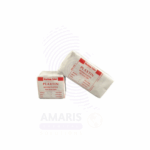
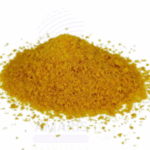

Sodium Saccharin
Original price was: $ 10.90.$ 10.84Current price is: $ 10.84.
Sodium Saccharin is a white crystalline powder or granule with the chemical formula C₇H₄NNaO₃S·2H₂O. It is the sodium salt of saccharin, an artificial sweetener approximately 300–500 times sweeter than sucrose. This non-nutritive, zero-calorie sweetener is widely used in food, beverage, pharmaceutical, and personal care industries. Packaged in 25kg containers, it is highly soluble in water, heat-stable, and has excellent shelf life, making it a cost-effective and versatile sweetening agent.
Sodium Saccharin
Primary Uses
- Food & Beverage Industry
- Tabletop Sweeteners: Used in sachets, tablets, and liquid sugar substitutes.
- Beverages: Common in diet sodas, flavored waters, and powdered drink mixes.
- Baked Goods: Provides sweetness without affecting caloric content.
- Canned Fruits & Syrups: Adds sweetness in sugar-free or low-calorie variants.
- Dairy Products: Used in low-calorie yogurts, flavored milks, and desserts.
- Chewing Gum & Confectionery: Enhances sweetness and prolongs flavor release.
- Processed Foods: Found in salad dressings, sauces, and pickled products.
- Jams, Jellies & Marmalades: Used in sugar-free and diabetic-friendly versions.
- Pharmaceutical Industry
- Syrups & Oral Suspensions: Masks bitter taste of active pharmaceutical ingredients.
- Chewable Tablets & Lozenges: Enhances palatability for pediatric and geriatric patients.
- Nutraceuticals & Supplements: Used in protein powders, effervescent tablets, and gummies.
- Toothpastes & Mouthwashes: Improves taste while maintaining stability in formulations.
- Cough Drops & Throat Lozenges: Provides sweetness without promoting tooth decay.
- Personal Care & Oral Hygiene
- Toothpaste: Adds sweetness without fermentable sugars; widely accepted in fluoride formulas.
- Mouthwash & Oral Rinses: Provides long-lasting sweet taste without affecting pH.
- Lip Balms & Glosses: Used to enhance flavor profile.
- Medicated Creams & Ointments: Occasionally used to improve user acceptability in topical products.
- Tobacco Industry
- Flavor Enhancer in Smokeless Tobacco: Improves taste and palatability of chewing tobacco.
- Cigarette Filters & Papers: Sometimes used in flavor-treated components.
- Animal Feed & Pet Products
- Pet Foods & Treats: Occasionally used to mask bitterness in medicated feeds.
- Livestock Supplements: Improves palatability of mineral and vitamin premixes.
Secondary Uses
- Electroplating Industry
- Brightener in Nickel Electroplating Baths: Enhances deposit brightness and leveling properties.
- Cosmetics & Fragrance
- Lip Products & Flavored Cosmetics: Adds a sweet taste to flavored glosses and balms.
- Industrial Applications
- Chemical Intermediate: Used in synthesis of other sweetener-related compounds.
- Analytical Reagent: Occasionally used in lab tests requiring trace detection or sweetening markers.
- Laboratory & Research
- Taste Research: Used in sensory studies related to sweet taste perception.
- Pharmacokinetics Studies: Employed as a safe, traceable marker compound.
1. Basic Identification Attributes
- Chemical Name (IUPAC): Sodium 1,2-benzisothiazol-3(2H)-one-1,1-dioxide
- Common/Trade Name: Sodium Saccharin
- CAS Number: 6155-57-3
- HS Code: 2925.11.00
- Synonyms: Saccharin sodium salt dihydrate, Benzoic sulfimide sodium salt
2. Physical & Chemical Properties
- Physical State: Crystalline powder or granules
- Color & Odor: White; odorless or slightly sweet odor
- Solubility: Freely soluble in water (1g dissolves in ~1.5 mL water at 20°C)
- Sweetness Intensity: 300–500 times sweeter than sucrose
- Melting Point: Decomposes above 228°C
- pH (1% solution): 6.5–7.5
- Molecular Weight: 241.19 g/mol (dihydrate)
3. Safety & Hazard Attributes
- GHS Classification: Not classified as hazardous under GHS
- Toxicity: LD₅₀ (oral, rat) > 17,000 mg/kg
- Exposure Limits: No established occupational limits; minimize dust generation
- Allergen Status: Non-allergenic; generally well tolerated
4. Storage & Handling Attributes
- Storage Conditions: Store in a cool, dry place; protect from moisture and light
- Container Type: 25kg fiber drums or HDPE-lined bags
- Shelf Life: 36 months in sealed packaging
- Handling Precautions: Avoid inhalation of dust; handle using standard hygiene practices
5. Regulatory & Compliance Attributes
- REACH Registered
- FDA Approved (21 CFR 180.37) – Permitted in specific food categories
- JECFA & Codex Alimentarius – Approved internationally as sweetener
- E Number: E954
- Complies with: USP/NF, FCC, EP, BP standards (depending on grade)
- GRAS Status: Generally Recognized as Safe (when used as directed)
6. Environmental & Health Impact
- Biodegradability: Slowly biodegradable
- Ecotoxicity: Low environmental impact at normal use concentrations
- Bioaccumulation: Not bioaccumulative
- Aquatic Impact: Minimal toxicity in aquatic organisms at standard concentrations
Safety Handling Precautions
- PPE Required: Gloves, goggles, dust mask (in bulk handling)
- Handling Guidelines: Use local ventilation in dust-prone areas
- Storage Measures: Keep container tightly closed; segregate from acids and oxidizers
First Aid Measures
- Inhalation: Remove to fresh air; seek medical attention if symptoms persist
- Skin Contact: Wash with soap and water
- Eye Contact: Rinse thoroughly with clean water for several minutes
- Ingestion: Rinse mouth; seek medical advice if large quantity ingested
Firefighting Measures
- Fire Hazards: Non-flammable; may decompose at high temperatures
- Extinguishing Media: Use water spray, dry chemical, or CO₂
- Hazardous Combustion Products: Oxides of sulfur, carbon, and nitrogen
Related products
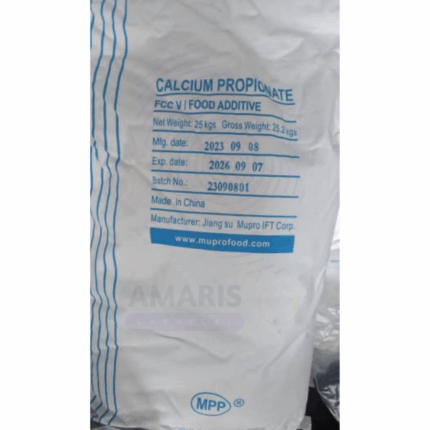
Calcium Propionate
Calcium Propionate is the calcium salt of propionic acid, appearing as a white, crystalline powder or granules with a slightly salty taste and low odor. It is highly soluble in water and used primarily as a food preservative and mold inhibitor. Calcium Propionate inhibits the growth of mold, bacteria, and fungi, making it especially valuable in baked goods, dairy products, and animal feed to extend shelf life and prevent spoilage. It also finds application in pharmaceuticals and cosmetics as a preservative and antimicrobial agent.
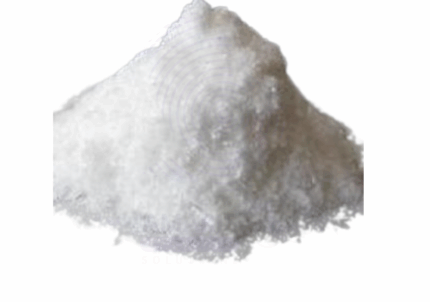
Carbocisteine AJI 92
Carbocisteine AJI 92 is a high-purity pharmaceutical-grade amino acid derivative, chemically known as S-carboxymethyl-L-cysteine. It is a white to off-white crystalline powder with a slightly sulfurous odor and is freely soluble in water. Carbocisteine functions primarily as a mucolytic agent—reducing the viscosity of mucus and promoting expectoration in respiratory tract infections. The "AJI 92" specification refers to its compliance with the purity standards established by Ajinomoto's amino acid quality benchmarks, ensuring it meets stringent pharmaceutical-grade quality control for active pharmaceutical ingredients (APIs). It is widely used in oral syrups, tablets, and granules in both human and veterinary medicine.
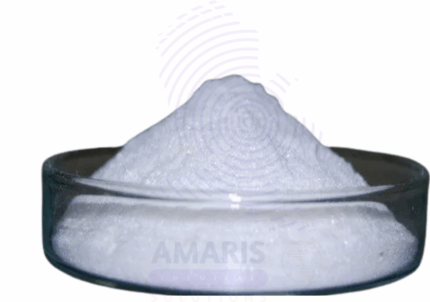
Cetirizine Hydrochloride
Cetirizine Hydrochloride is a widely used second-generation antihistamine effective for treating allergic conditions such as allergic rhinitis, chronic urticaria, and other allergy symptoms. It is the hydrochloride salt form of cetirizine, existing as a white to off-white crystalline powder with a slightly bitter taste. Cetirizine HCl acts by selectively blocking peripheral H1 histamine receptors, thereby reducing allergic symptoms without significant sedation or central nervous system depression. It is commonly formulated into tablets, syrups, and capsules as an active pharmaceutical ingredient.
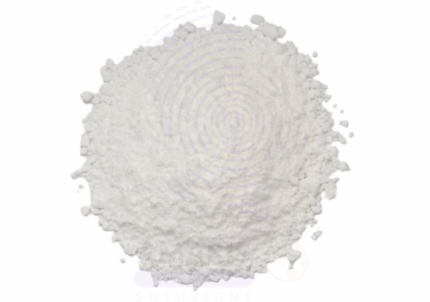
Clotrimazole BP2000
Clotrimazole BP2000 is a broad-spectrum antifungal agent belonging to the imidazole class. It appears as a white to off-white crystalline powder that is practically insoluble in water but soluble in organic solvents like ethanol and chloroform. Clotrimazole is widely used in pharmaceutical formulations for the treatment of fungal infections affecting the skin, mucous membranes, and nails. Its mechanism involves inhibition of ergosterol synthesis, a vital component of fungal cell membranes, leading to increased cell permeability and fungal cell death. BP2000 indicates compliance with British Pharmacopoeia standards ensuring high purity and consistent quality suitable for pharmaceutical applications.
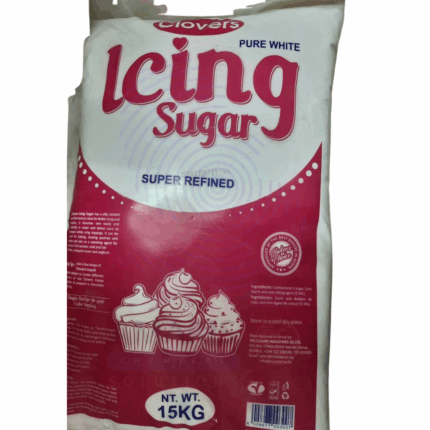
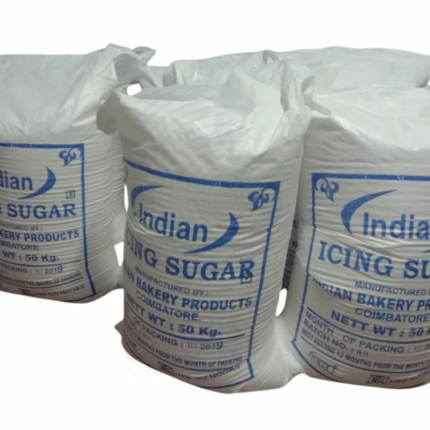
Icing Sugar
Icing Sugar, also known as powdered sugar or confectioners’ sugar, is a finely ground sugar with a powdery consistency. It is typically made by milling granulated sugar into a fine powder and blending it with a small amount of anti-caking agent (usually cornstarch or tricalcium phosphate) to prevent clumping. Icing Sugar is white, odorless, and has a sweet taste. It is widely used in baking, confectionery, and culinary applications to provide sweetness, texture, and decorative finishes.
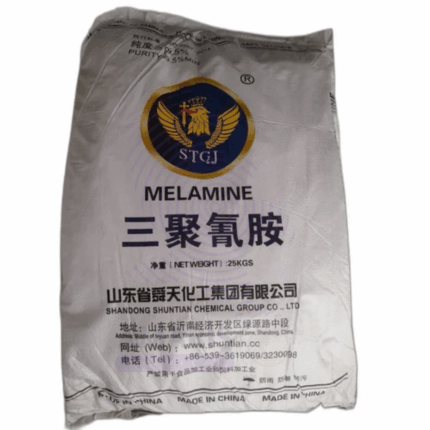
Melamine
Melamine is an organic compound widely used as a raw material in the production of melamine-formaldehyde resins, laminates, adhesives, coatings, and flame retardants. It offers excellent hardness, thermal stability, and chemical resistance. Supplied in 25kg bags, melamine is a white crystalline powder with high nitrogen content, making it a valuable additive in plastics, construction materials, and surface treatments.
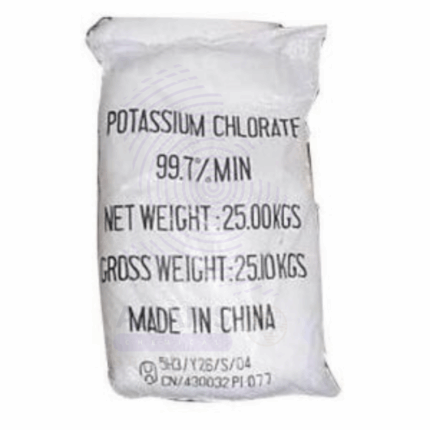
Potassium Chlorate
Potassium Chlorate is a strong oxidizing agent and crystalline chemical compound widely used in various industrial, laboratory, and commercial applications. It appears as a white, odorless, and water-soluble solid. Potassium Chlorate serves primarily as a source of oxygen in chemical reactions and is critical in the manufacture of explosives, matches, fireworks, and disinfectants. Due to its reactive nature, it requires careful handling and storage.
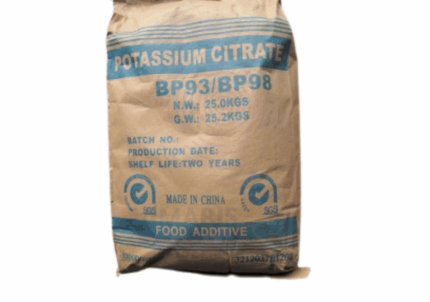
Potassium Citrate
Potassium Citrate is a potassium salt of citric acid, appearing as a white, crystalline, water-soluble powder. It is widely used in food, pharmaceutical, agricultural, and industrial applications due to its buffering, alkalizing, and sequestrant properties. Potassium Citrate helps regulate acidity and provides potassium ions critical for various biochemical and physiological functions.












