

 Preservatives(food)
 Flavors
 Acidulants
 Sweeteners
 Antioxidants
 Colorants(food)
 Nutraceutical Ingredients (food)
 Nutrient Supplements
 Emulsifiers
 Collectors
 Dust Suppressants
 Explosives and Blasting Agents
 Flocculants and Coagulants
 Frothers
 Leaching Agents
 pH Modifiers
 Precious Metal Extraction Agents
 Antioxidants(plastic)
 Colorants (Pigments, Dyes)
 Fillers and Reinforcements
 Flame Retardants
 Monomers
 Plasticizers
 Polymerization Initiators
 Stabilizers (UV, Heat)
 Antifoaming Agents
 Chelating Agents
 Coagulants and Flocculants
 Corrosion Inhibitors
 Disinfectants and Biocides
 Oxidizing Agents
 pH Adjusters
 Scale Inhibitors( water)
 Antioxidants(cosmetic)
 Emollients
 Oils
Oils Carrier Oills
 Essential Oils
 Humectants
 Preservatives
 Surfactants(cosmetic)
 Thickeners
 UV Filters
 Fragrance (Cosmetics)
 Fertilizers
 Soil Conditioners
 Plant Growth Regulators
 Animal Feed Additives
 Biostimulants
 Pesticides (Herbicides, Insecticides, Fungicides)
 Active Pharmaceutical Ingredients (APIs)
 Excipients
 Solvents(pharmaceutical)
 Antibiotics
 Antiseptics and Disinfectants
 Vaccine Adjuvants
 Nutraceutical Ingredients (pharmaceutical)
 Analgesics & Antipyretics
 Analytical Reagents
 Solvents(lab)
 Chromatography Chemicals
 Spectroscopy Reagents
 microbiology-and-cell-culture-reagents
 Molecular Biology Reagents
 Biochemical Reagents
 Inorganic and Organic Standards
 Laboratory Safety Chemicals
 Specialty Laboratory Chemicals(Special Laboratory Equipment)
 Demulsifiers
 Hydraulic Fracturing Fluids
 Scale Inhibitors(oil)
 Surfactants(oil)
 Drilling Fluids
 Dyes and Pigments
 Bleaching Agents
 Softening Agents
 Finishing Agents
 Antistatic Agents
 Admixtures
 Waterproofing Agents
 Sealants and Adhesives
 Curing Compounds
 Concrete Repair Chemicals
 Anti-Corrosion Coatings
 Surfactants(cleaning)
 Builders
 Enzymes
 Solvents (Cleaning)
 Electronic Chemicals
 Catalysts
 Lubricants
 Photographic Chemicals
 Refrigerants
 Automotive chemicals
 Pyrotechnic Chemicals
 Biodegradable Surfactants
 Bio-based Solvents
 Renewable Polymers
 Carbon Capture Chemicals
 Wastewater Treatment Chemicals
 Pigments
 Solvents(paint)
 Specialty Coatings
 Binders/Resins
 Additives
 Driers
 Anti-Corrosion Agents
 Functional Coatings
 Application-Specific Coatings
 Leavening Agents
 Dough Conditioners
 Flour Treatments
 Fat Replacers
 Decoratives
 Preservatives(baking)
 Plasticizers & Softeners
 Reinforcing Agents
 Adhesion Promoters
 Vulcanizing Agents
 Antidegradants
 Blowing Agents
 Fillers & Extenders
 Accelerators & Retarders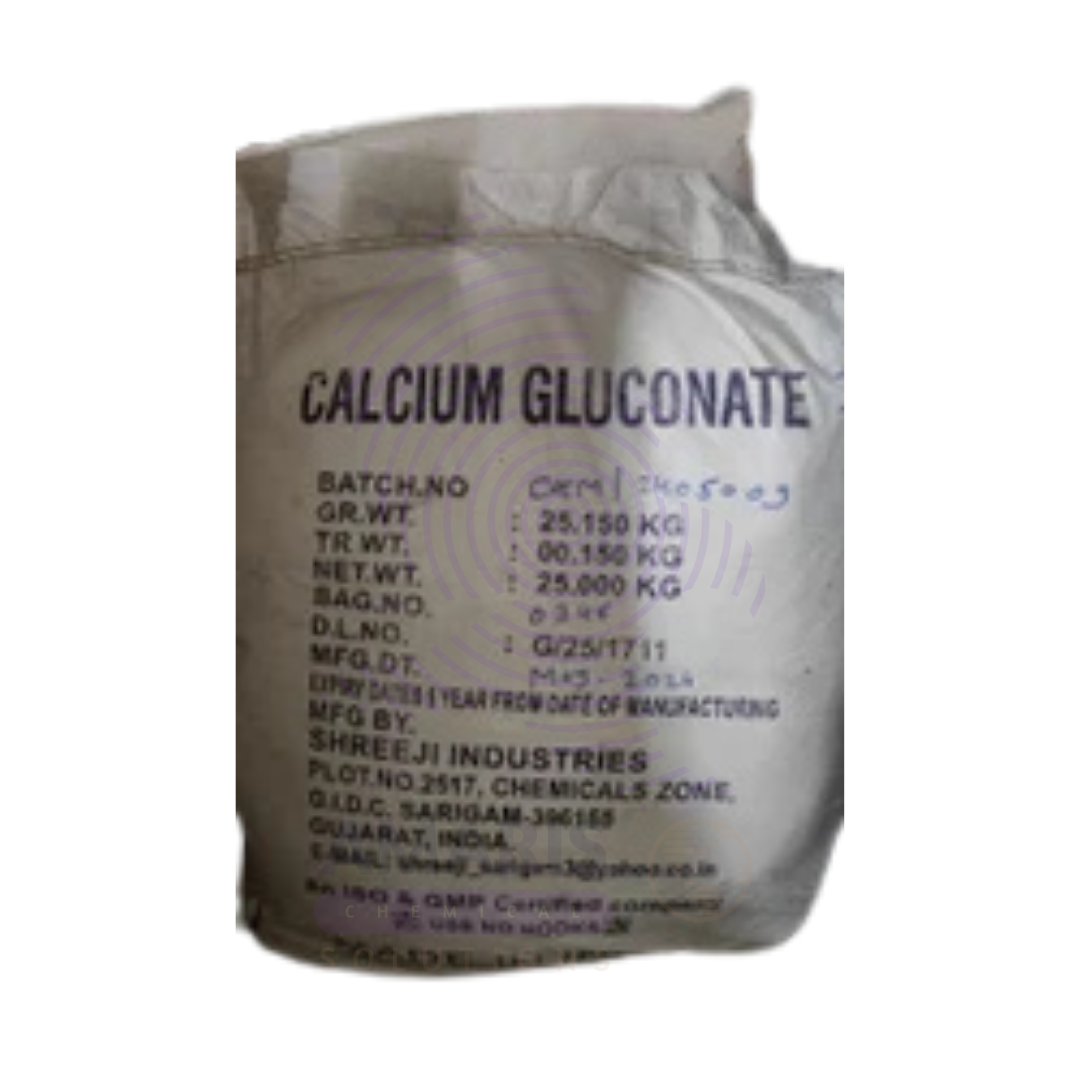


Calcium Gluconate
Calcium Gluconate is a calcium salt of gluconic acid appearing as a white, odorless, crystalline powder or colorless crystals. It is highly soluble in water and commonly used as a calcium supplement in pharmaceuticals and food products. Calcium Gluconate plays a critical role in medicine for treating calcium deficiencies, hypocalcemia, and as an antidote for hydrofluoric acid burns. Its excellent bioavailability makes it a preferred calcium source in oral and intravenous formulations. Additionally, it is utilized in food fortification and cosmetic applications due to its safety and compatibility.
Calcium Gluconate
Primary Uses
- Pharmaceuticals
- Used as a calcium supplement to treat calcium deficiencies and hypocalcemia.
- Administered intravenously in emergency cases like cardiac arrest due to hyperkalemia or calcium channel blocker overdose.
- Employed as an antidote for hydrofluoric acid burns and toxicity.
- Incorporated in oral supplements and fortified food products for bone health and metabolic functions.
- Food & Beverage
- Used as a food additive and mineral fortifier in beverages, dairy products, and nutritional supplements.
- Acts as a firming agent in canned vegetables and processed foods.
- Cosmetics & Personal Care
- Utilized in skin care formulations for its calcium content and mild astringent properties.
- Included in toothpaste and mouthwash formulations to promote dental health.
Secondary Uses
- Veterinary Medicine
- Used in animal supplements to prevent calcium deficiency and metabolic disorders.
- Industrial Applications
- Occasionally used in fermentation processes and as a coagulating agent in some manufacturing applications.
1. Basic Identification Attributes
- Chemical Name (IUPAC): Calcium D-gluconate
- Common/Trade Name: Calcium Gluconate
- CAS Number: 299-28-5
- HS Code: 2836.50.00
- Molecular Formula: C12H22CaO14
- Synonyms:
- Calcium D-gluconate
- Calcium gluconate USP
- Calcium (2R,3S,4R,5R)-2,3,4,5,6-pentahydroxyhexanoate
- D-Calcium gluconate
2. Physical & Chemical Properties
- Physical State: Crystalline powder or colorless crystals
- Color & Odor: White; odorless
- Melting Point: Approximately 190–200°C (decomposes)
- Boiling Point: Not applicable (decomposes)
- Density: About 1.7 g/cm³
- Solubility: Freely soluble in water; insoluble in ethanol and organic solvents
- pH: Neutral to slightly alkaline (aqueous solution)
- Stability: Stable under normal conditions; hygroscopic
3. Safety & Hazard Attributes
- Hazard Class (GHS): Not classified as hazardous; generally recognized as safe (GRAS)
- NFPA Ratings:
- Health: 1
- Flammability: 0
- Reactivity: 0
- Exposure Limits: No established OSHA or ACGIH limits; handle with standard precautions
- Toxicity: Low acute toxicity; excessive intake may cause hypercalcemia
- Reactivity: Stable; avoid strong acids and bases
4. Storage & Handling Attributes
- Storage Conditions: Store in a cool, dry place protected from moisture
- Container Type: Airtight, moisture-resistant containers such as HDPE or glass bottles
- Shelf Life: Typically 3–5 years when stored properly
- Special Handling: Avoid dust generation; use PPE during handling
5. Regulatory & Compliance Attributes
- FDA Status: Approved as a calcium supplement and food additive (GRAS)
- Pharmacopoeia Compliance: Listed in USP, BP, EP
- Transportation: Not classified as hazardous
- Waste Disposal: Dispose as non-hazardous pharmaceutical or food waste according to regulations
6. Environmental & Health Impact
- Ecotoxicity: Minimal environmental impact
- Persistence: Biodegradable and naturally occurring mineral
- Bioaccumulation: Not expected to bioaccumulate
- Carcinogenicity/Mutagenicity: Not classified as carcinogenic or mutagenic
- Biodegradability: Biodegradable
Safety Handling Precautions
Personal Protective Equipment (PPE):
- Gloves
- Safety goggles
- Dust mask (if powder is handled in large amounts)
Handling Measures:
- Avoid inhalation of dust
- Prevent prolonged skin and eye contact
- Work in well-ventilated areas
Storage Measures:
- Keep container tightly closed
- Protect from humidity and moisture
Hygiene Practices:
- Wash hands after handling
- Do not eat, drink, or smoke while handling
First Aid Measures
- Inhalation: Move to fresh air; seek medical attention if irritation occurs
- Skin Contact: Wash with soap and water; seek medical advice if irritation develops
- Eye Contact: Rinse thoroughly with water for at least 15 minutes; seek medical attention if irritation persists
- Ingestion: Generally safe in recommended doses; seek medical attention if large amounts ingested
Firefighting Measures
- Fire Hazards: Non-flammable
- Extinguishing Media: Use water spray, foam, dry chemical, or CO₂ as appropriate for surrounding fire
- Special Precautions: Firefighters should wear protective gear and breathing apparatus if needed
- Decomposition Products: May produce carbon oxides and calcium oxides under extreme heat
Related products
Chloramphenicol Palmitate Micronised
Chloramphenicol Palmitate Micronised is a micronized, lipophilic ester derivative of chloramphenicol, designed for improved solubility and bioavailability compared to the parent drug. It appears as a fine, white to off-white powder with enhanced surface area due to micronization. This antibiotic is widely used for oral formulations, particularly pediatric suspensions, due to its palatability and controlled release properties. Chloramphenicol Palmitate exhibits broad-spectrum antibacterial activity against both Gram-positive and Gram-negative bacteria. Its ester form offers better stability and reduced bitterness, making it a preferred choice in pharmaceutical preparations.

Diphenhydramine HCL BP
Diphenhydramine HCL BP is a first-generation antihistamine with potent anticholinergic, sedative, and antiemetic properties. It is commonly used to relieve symptoms associated with allergies, hay fever, the common cold, and motion sickness. Diphenhydramine HCL is a white crystalline powder, highly soluble in water, making it suitable for oral, topical, and injectable pharmaceutical formulations. Due to its ability to cross the blood-brain barrier, it causes sedation and is often used as a sleep aid and for managing Parkinson’s disease symptoms.
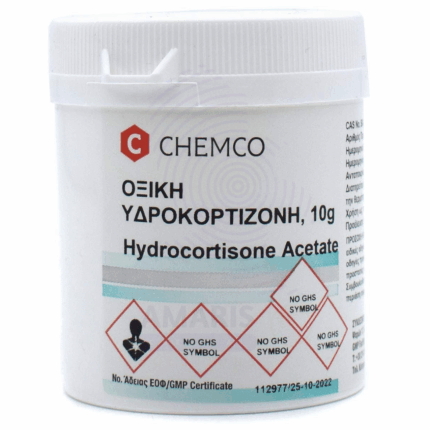
Hydrocortisone Acetate
Hydrocortisone Acetate is a synthetic corticosteroid ester derived from hydrocortisone (cortisol). It is a white to off-white crystalline powder, practically insoluble in water but soluble in alcohol and acetone. This compound exhibits potent anti-inflammatory, immunosuppressive, and anti-allergic properties, making it widely used in pharmaceutical and dermatological formulations. Hydrocortisone Acetate acts by modulating gene expression to reduce the production of inflammatory mediators, thereby alleviating symptoms in various inflammatory and autoimmune conditions.
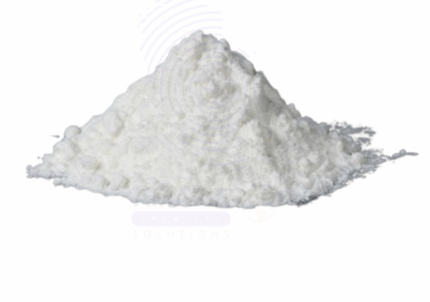
Lidocaine HCL BP
Lidocaine HCL BP is a white crystalline powder or granules that are highly soluble in water. It is a local anesthetic and antiarrhythmic agent widely used in medical and dental fields. Lidocaine HCL BP acts by blocking nerve signal transmission, providing rapid and effective numbing of targeted areas. It conforms to British Pharmacopoeia (BP) standards, ensuring pharmaceutical-grade purity and consistency. It is commonly formulated into injections, topical gels, creams, and patches for pain relief and arrhythmia treatment.
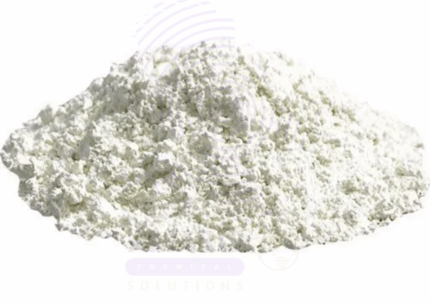
Mepyramine Maleate BP
Mepyramine Maleate BP is an antihistamine drug commonly used to relieve allergic symptoms such as hay fever, urticaria, and other allergic reactions. It works by blocking histamine H1 receptors, reducing allergic responses like itching, swelling, and redness. This compound is a white or off-white crystalline powder, soluble in water and alcohol, widely used in pharmaceutical formulations including tablets, creams, and injectables.
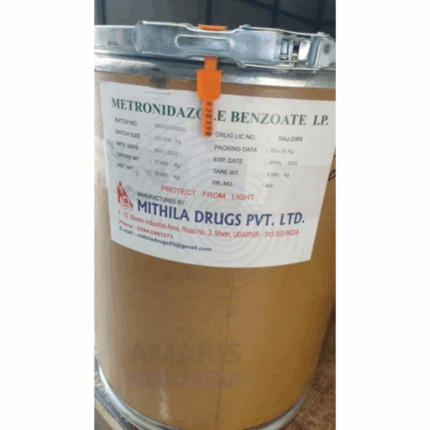
Metronidazole Benzoate BP
Metronidazole Benzoate BP is a benzoate ester derivative of metronidazole, used primarily as an antiprotozoal and antibacterial agent. It is a prodrug that hydrolyzes in the body to release metronidazole, making it more palatable for pediatric and geriatric oral suspensions. It complies with the British Pharmacopoeia (BP) standards for purity and efficacy.
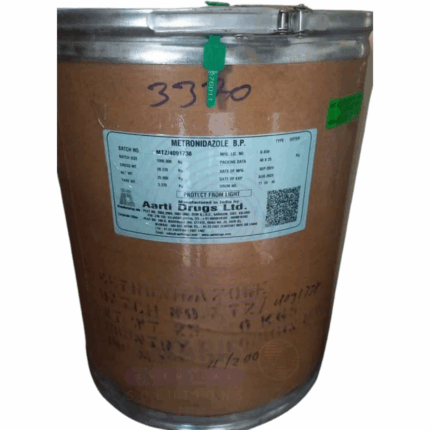
Metronidazole BP
Metronidazole BP is a benzoate ester derivative of metronidazole, used primarily as an antiprotozoal and antibacterial agent. It is a prodrug that hydrolyzes in the body to release metronidazole, making it more palatable for pediatric and geriatric oral suspensions. It complies with the British Pharmacopoeia (BP) standards for purity and efficacy.
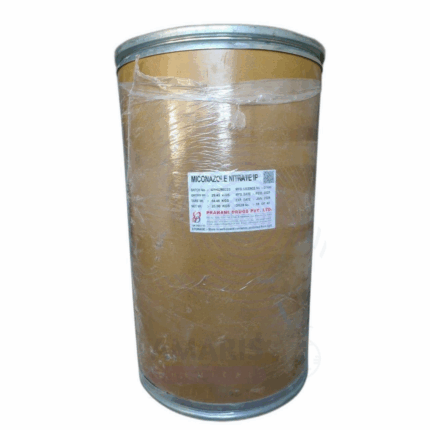
Miconazole Nitrate BP
Miconazole Nitrate BP is a high-purity, pharmaceutical-grade antifungal agent conforming to British Pharmacopoeia (BP) specifications. It is widely used in the formulation of topical and oral pharmaceutical products for the treatment of fungal infections caused by dermatophytes and yeasts, including Candida species. Miconazole Nitrate functions by inhibiting the biosynthesis of ergosterol, a vital component of fungal cell membranes, leading to cell death.
This white to off-white crystalline powder is highly effective and exhibits broad-spectrum antifungal and some antibacterial activity. It is commonly utilized in creams, ointments, powders, and gel formulations.












