

 Preservatives(food)
 Flavor Enhancers
 Acidulants
 Sweeteners
 Antioxidants
 Colorants(food)
 Nutraceutical Ingredients (food)
 Nutrient Supplements
 Emulsifiers
 Collectors
 Dust Suppressants
 Explosives and Blasting Agents
 Flocculants and Coagulants
 Frothers
 Leaching Agents
 pH Modifiers
 Precious Metal Extraction Agents
 Antioxidants(plastic)
 Colorants (Pigments, Dyes)
 Fillers and Reinforcements
 Flame Retardants
 Monomers
 Plasticizers
 Polymerization Initiators
 Stabilizers (UV, Heat)
 Antifoaming Agents
 Chelating Agents
 Coagulants and Flocculants
 Corrosion Inhibitors
 Disinfectants and Biocides
 Oxidizing Agents
 pH Adjusters
 Scale Inhibitors( water)
 Antioxidants(cosmetic)
 Emollients
 Fragrances and Essential Oils
 Humectants
 Preservatives
 Surfactants(cosmetic)
 Thickeners
 UV Filters
 Fertilizers
 Soil Conditioners
 Plant Growth Regulators
 Animal Feed Additives
 Biostimulants
 Pesticides (Herbicides, Insecticides, Fungicides)
 Active Pharmaceutical Ingredients (APIs)
 Excipients
 Solvents(pharmaceutical)
 Antibiotics
 Antiseptics and Disinfectants
 Vaccine Adjuvants
 Nutraceutical Ingredients (pharmaceutical)
 Analgesics & Antipyretics
 Analytical Reagents
 Solvents(lab)
 Chromatography Chemicals
 Spectroscopy Reagents
 microbiology-and-cell-culture-reagents
 Molecular Biology Reagents
 Biochemical Reagents
 Inorganic and Organic Standards
 Laboratory Safety Chemicals
 Specialty Laboratory Chemicals(Special Laboratory Equipment)
 Demulsifiers
 Hydraulic Fracturing Fluids
 Scale Inhibitors(oil)
 Surfactants(oil)
 Drilling Fluids
 Dyes and Pigments
 Bleaching Agents
 Softening Agents
 Finishing Agents
 Antistatic Agents
 Admixtures
 Waterproofing Agents
 Sealants and Adhesives
 Curing Compounds
 Concrete Repair Chemicals
 Anti-Corrosion Coatings
 Surfactants(cleaning)
 Builders
 Enzymes
 Solvents (Cleaning)
 Fragrances
 Electronic Chemicals
 Catalysts
 Lubricants
 Photographic Chemicals
 Refrigerants
 Automotive chemicals
 Pyrotechnic Chemicals
 Biodegradable Surfactants
 Bio-based Solvents
 Renewable Polymers
 Carbon Capture Chemicals
 Wastewater Treatment Chemicals
 Pigments
 Solvents(paint)
 Specialty Coatings
 Binders/Resins
 Additives
 Driers
 Anti-Corrosion Agents
 Functional Coatings
 Application-Specific Coatings
 Leavening Agents
 Dough Conditioners
 Flour Treatments
 Fat Replacers
 Decoratives
 Preservatives(baking)
 Plasticizers & Softeners
 Reinforcing Agents
 Adhesion Promoters
 Vulcanizing Agents
 Antidegradants
 Blowing Agents
 Fillers & Extenders
 Accelerators & Retarders


Aquaguard
Aquaguard is a brand name commonly associated with water purification products and filtration systems designed to provide safe, clean drinking water. These systems typically use technologies such as UV purification, RO (reverse osmosis), UF (ultrafiltration), and activated carbon filters to remove contaminants including bacteria, viruses, dissolved salts, heavy metals, and suspended particles. Aquaguard products are widely used in residential, commercial, and industrial settings to improve water quality, taste, and safety. The brand encompasses water purifiers, filters, and treatment units tailored to different water sources and purity requirements.
Aquaguard
Primary Uses
- Residential Water Purification
- Provides safe drinking water by removing microbial pathogens and chemical contaminants.
- Improves taste, odor, and clarity of tap or well water.
- Reduces hardness and dissolved solids via reverse osmosis technology.
- Commercial and Institutional Water Treatment
- Used in offices, schools, hospitals, and hotels to ensure potable water supply.
- Large capacity units serve cafeterias, canteens, and foodservice establishments.
- Helps maintain hygiene and prevent waterborne diseases in community settings.
- Industrial Applications
- Pre-treatment of water for manufacturing processes requiring pure water.
- Removal of impurities to protect machinery and improve product quality in pharma, food & beverage industries.
- Wastewater recycling and reuse after purification stages.
Secondary Uses
- Emergency and Portable Water Purification
- Portable Aquaguard units used in disaster relief and outdoor expeditions to provide safe drinking water on-site.
- Aquaculture and Agriculture
- Purified water used in fish farming and crop irrigation to reduce pathogen risks.
- Bottled Water Industry
- Aquaguard purification tech integrated into bottled water plants to ensure high-quality water.
1. Basic Identification Attributes
- Chemical Name (IUPAC): N/A (brand name for water purification technology)
- Common/Trade Name: Aquaguard
- CAS Number: N/A
- HS Code: N/A
- Molecular Formula: N/A
- Synonyms: Water purifier, water filtration system
2. Physical & Chemical Properties
- Physical State: Device/system containing filters and electronic components
- Color & Odor: Varies by model; no inherent odor
- Operating Parameters:
- Input water pressure: Typically 0.1–4 bar
- Flow rate: Varies by model, from 1 L/min (small units) to 20+ L/min (commercial units)
- Removal Efficiency:
- Bacteria/virus removal: >99.99% (UV and RO-based systems)
- TDS reduction: Up to 95–99% in RO models
- Chlorine and odor removal: Activated carbon filters
3. Safety & Hazard Attributes
- Hazard Class (GHS): Not applicable
- NFPA Ratings: Not applicable
- Exposure Limits: N/A
- Reactivity: Non-reactive; electronic devices with plastic/metal components
- Electrical Safety: Must comply with electrical standards for safe operation
4. Storage & Handling Attributes
- Storage Conditions: Store in dry, dust-free area, avoid extreme temperatures
- Handling: Installation by certified technicians recommended
- Shelf Life: Filters typically replaced every 6–12 months depending on usage and water quality
- Special Handling: Follow manufacturer’s instructions for maintenance and filter replacement
5. Regulatory & Compliance Attributes
- Certifications: ISI mark, NSF, WQA, and local regulatory approvals depending on region
- FDA (USA): Not applicable (device, not food additive)
- EPA (USA): Standards for water purification devices
- Transportation: Non-hazardous; standard shipping for electronic appliances
- Waste Disposal: Dispose used filters and electronic components according to local e-waste regulations
6. Environmental & Health Impact
- Ecotoxicity: Minimal, device-based product
- Persistence: Components may persist as electronic waste
- Health Benefits: Reduces incidence of waterborne diseases; improves overall hydration safety
- Biodegradability: Plastic and electronic parts are not biodegradable; recycling recommended
Safety Handling Precautions
- PPE: Use gloves when handling used filters or cleaning system components.
- Handling: Follow user manual for installation, cleaning, and filter replacement to avoid contamination.
- Electrical Safety: Ensure device is unplugged before maintenance; avoid water contact with electrical parts.
- Hygiene: Regular cleaning recommended to prevent microbial growth.
- Disposal: Dispose filters and components responsibly; avoid environmental pollution.
First Aid Measures
- Ingestion/Inhalation: Not applicable (device/product)
- Skin Contact: Wash hands if contact with dirty filters occurs
- Eye Contact: Rinse if exposed to dust or contaminants during maintenance
- Seek medical advice if allergic reactions or irritation occurs from exposure to contaminated water or filters
Firefighting Measures
- Fire Hazards: Electrical components pose low risk; no flammable chemicals used
- Extinguishing Media: Use CO₂ or dry powder extinguishers for electrical fires
- Special Precautions: Disconnect power before firefighting; avoid water on electrical parts
Related products
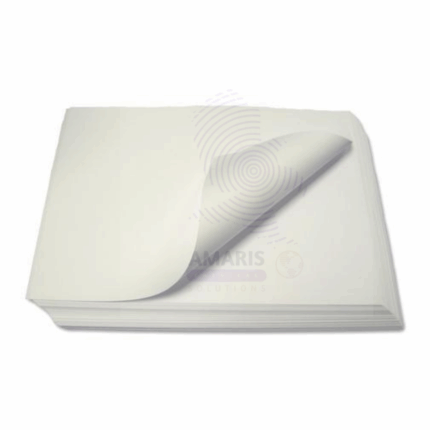
Blotting Paper
Blotting Paper is a highly absorbent, unsized paper made from purified cellulose, used primarily for absorbing excess liquids such as ink, oils, and solvents. In laboratory and industrial settings, it is critical for procedures requiring rapid and uniform absorption without chemical interference. Its porous and capillary-active nature makes it ideal for blotting techniques in analytical chemistry, biology (such as electrophoresis or Western blotting), and precision cleaning tasks. Blotting paper is available in various thicknesses and porosities to suit specific tasks, from fine analytical work to heavy-duty industrial absorption needs.
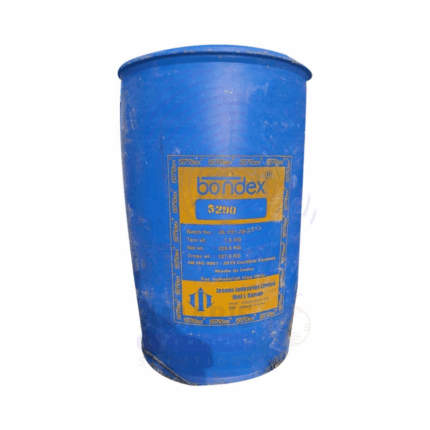
Bondex 5299
Bondex 5299 is a solvent-based, high-performance industrial adhesive formulated to provide strong, durable bonds on a wide variety of substrates such as metals, plastics, rubber, and composites. It appears as a clear to amber viscous liquid with a characteristic solvent odor. Known for excellent resistance to heat, moisture, and chemicals, Bondex 5299 cures by solvent evaporation to form a flexible, resilient bond. It is widely used in automotive, aerospace, electronics, and heavy machinery industries due to its reliable bonding strength and quick curing properties.

Chlorinated Paraffin
Chlorinated paraffins are complex mixtures of polychlorinated n-alkanes produced by reacting chlorine gas with unbranched paraffin fractions derived from petroleum distillation. They appear as colorless or yellowish viscous liquids or solids depending on chain length and chlorine content. Chlorinated paraffins are classified based on carbon chain length into short-chain, medium-chain, and long-chain varieties. Technical grade chlorinated paraffins are manufactured for industrial applications including plasticizers, flame retardants, metalworking additives, and surface coatings. They exhibit excellent compatibility with polymers, high thermal stability, water resistance, and chemical resistance.
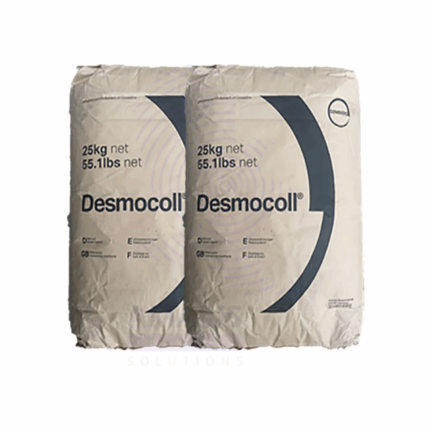
Desmocol
Desmocol is a trade name for Cocamido Propyl Betaine (CAPB), a mild amphoteric surfactant derived from coconut oil and dimethylaminopropylamine. It is widely used in personal care and cleaning formulations due to its excellent foaming, thickening, and conditioning properties. Desmocol is known for its skin-friendly nature, compatibility with a broad range of surfactants, and ability to reduce irritation potential in formulations. It appears as a viscous, amber-colored liquid or paste with a characteristic mild coconut odor.
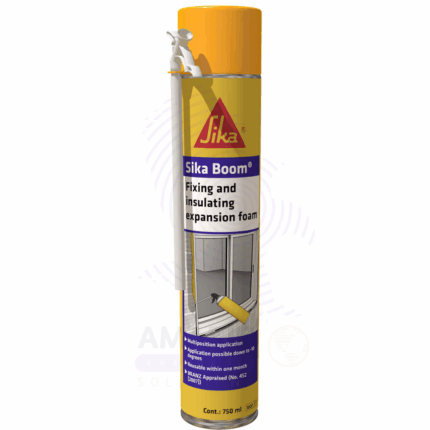
Sika Boom Expanding Foam
Sika Boom Expanding Foam is a one-component, polyurethane-based, fast-curing foam designed for sealing, filling, insulating, and bonding applications in construction and renovation. It expands rapidly upon dispensing to fill cavities, gaps, and voids, providing excellent thermal and acoustic insulation. The foam adheres well to most common building materials such as wood, concrete, metal, and plastics. It is moisture-curing and offers good resistance to aging, shrinking, and water.
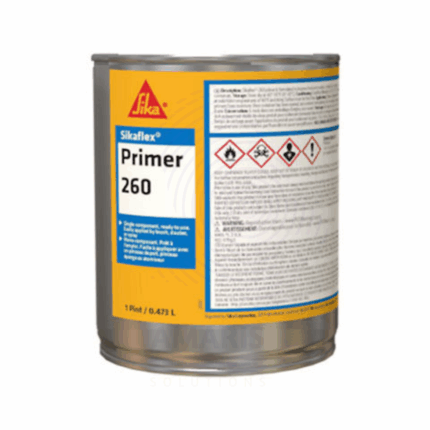
Sika Flex 260 Primer
Sika Flex 260 Primer is a high-performance, solvent-based primer designed to enhance adhesion of polyurethane and other elastic sealants on porous and non-porous substrates. It provides excellent bonding on surfaces such as concrete, metal, wood, and various plastics, ensuring durable and long-lasting sealant performance. The fast-drying formula allows for efficient application in construction and industrial sealing projects.
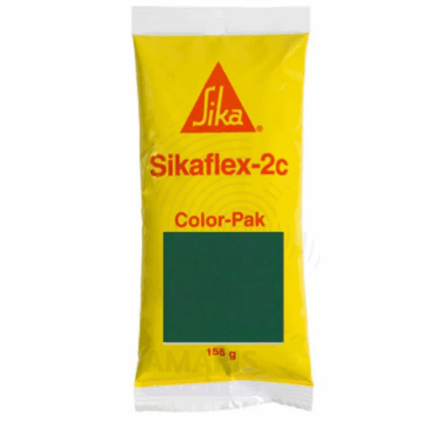
Sika Flex 2c Color Pack
Sika Flex 2c Color Pack is a high-quality, ready-to-use colorant additive designed specifically to tint two-component polyurethane and hybrid sealants and adhesives. It provides consistent, vibrant, and durable colors that enhance the aesthetic appeal and blend seamlessly with construction materials. This color pack is compatible with Sika Flex 2c sealants, enabling customized color matching for joints and sealing applications in construction, automotive, and industrial projects.
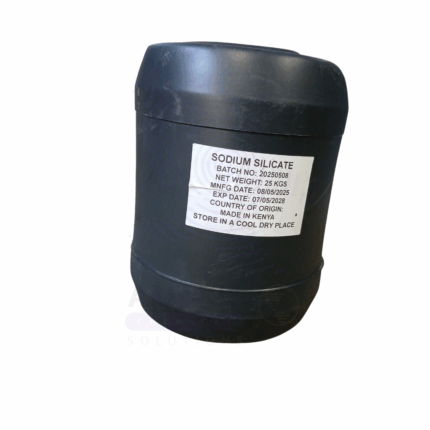
Sodium Silicate
Sodium Silicate is a water-soluble, viscous alkaline liquid with the general formula Na₂SiO₃ (ratios vary). Commonly referred to as water glass or liquid glass, it appears as a clear to slightly cloudy solution. This 20-litre packaged product is known for its excellent adhesive, binding, and sealing properties. It is widely used in industrial, construction, detergent, and water treatment applications. Sodium silicate forms a glassy film upon drying and resists high temperatures and chemical attack, making it extremely versatile across many industries.












