

 Preservatives(food)
 Flavor Enhancers
 Acidulants
 Sweeteners
 Antioxidants
 Colorants(food)
 Nutraceutical Ingredients (food)
 Nutrient Supplements
 Emulsifiers
 Collectors
 Dust Suppressants
 Explosives and Blasting Agents
 Flocculants and Coagulants
 Frothers
 Leaching Agents
 pH Modifiers
 Precious Metal Extraction Agents
 Antioxidants(plastic)
 Colorants (Pigments, Dyes)
 Fillers and Reinforcements
 Flame Retardants
 Monomers
 Plasticizers
 Polymerization Initiators
 Stabilizers (UV, Heat)
 Antifoaming Agents
 Chelating Agents
 Coagulants and Flocculants
 Corrosion Inhibitors
 Disinfectants and Biocides
 Oxidizing Agents
 pH Adjusters
 Scale Inhibitors( water)
 Antioxidants(cosmetic)
 Emollients
 Fragrances and Essential Oils
 Humectants
 Preservatives
 Surfactants(cosmetic)
 Thickeners
 UV Filters
 Fertilizers
 Soil Conditioners
 Plant Growth Regulators
 Animal Feed Additives
 Biostimulants
 Pesticides (Herbicides, Insecticides, Fungicides)
 Active Pharmaceutical Ingredients (APIs)
 Excipients
 Solvents(pharmaceutical)
 Antibiotics
 Antiseptics and Disinfectants
 Vaccine Adjuvants
 Nutraceutical Ingredients (pharmaceutical)
 Analgesics & Antipyretics
 Analytical Reagents
 Solvents(lab)
 Chromatography Chemicals
 Spectroscopy Reagents
 microbiology-and-cell-culture-reagents
 Molecular Biology Reagents
 Biochemical Reagents
 Inorganic and Organic Standards
 Laboratory Safety Chemicals
 Specialty Laboratory Chemicals(Special Laboratory Equipment)
 Demulsifiers
 Hydraulic Fracturing Fluids
 Scale Inhibitors(oil)
 Surfactants(oil)
 Drilling Fluids
 Dyes and Pigments
 Bleaching Agents
 Softening Agents
 Finishing Agents
 Antistatic Agents
 Admixtures
 Waterproofing Agents
 Sealants and Adhesives
 Curing Compounds
 Concrete Repair Chemicals
 Anti-Corrosion Coatings
 Surfactants(cleaning)
 Builders
 Enzymes
 Solvents (Cleaning)
 Fragrances
 Electronic Chemicals
 Catalysts
 Lubricants
 Photographic Chemicals
 Refrigerants
 Automotive chemicals
 Pyrotechnic Chemicals
 Biodegradable Surfactants
 Bio-based Solvents
 Renewable Polymers
 Carbon Capture Chemicals
 Wastewater Treatment Chemicals
 Pigments
 Solvents(paint)
 Specialty Coatings
 Binders/Resins
 Additives
 Driers
 Anti-Corrosion Agents
 Functional Coatings
 Application-Specific Coatings
 Leavening Agents
 Dough Conditioners
 Flour Treatments
 Fat Replacers
 Decoratives
 Preservatives(baking)
 Plasticizers & Softeners
 Reinforcing Agents
 Adhesion Promoters
 Vulcanizing Agents
 Antidegradants
 Blowing Agents
 Fillers & Extenders
 Accelerators & Retarders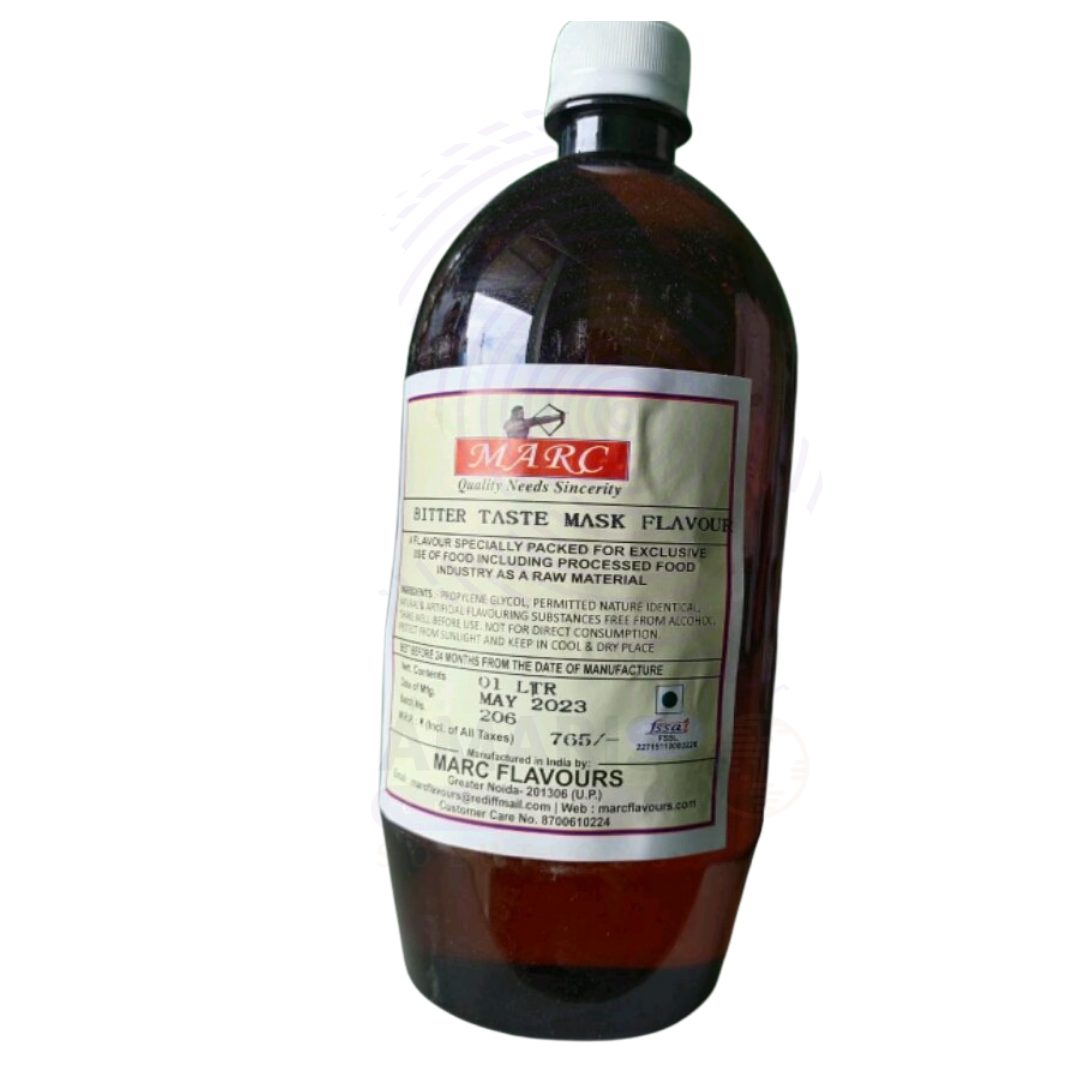

Bitter Masking Pharmaceutical Liquid Flavors Extra Pure
Original price was: $ 15.00.$ 14.56Current price is: $ 14.56.
Bitter Masking Pharmaceutical Liquid Flavors Extra Pure is a high-quality formulation designed to effectively mask unpleasant or bitter tastes in oral pharmaceutical preparations during laboratory research and development. This flavoring agent is essential in the compounding of liquid medications, syrups, and suspensions, particularly for pediatric and geriatric studies, where palatability is crucial for compliance. It is crafted to maintain chemical compatibility with active ingredients while preserving the stability and efficacy of the formulation. The extra pure grade ensures low impurity levels, consistent performance, and safety in sensitive pharmaceutical applications. It should be stored in a tightly sealed container, away from light and heat, to preserve its flavor integrity and quality.
Bitter Masking Pharmaceutical Liquid Flavors Extra Pure
Primary Uses
- Flavor Masking in Oral Pharmaceutical Formulations
- Used to neutralize or reduce bitterness in liquid medications, syrups, and suspensions, especially those containing APIs with unpleasant taste (e.g., antibiotics, alkaloids).
- Sensory Evaluation and Taste Panel Testing
- Employed in controlled organoleptic studies to optimize flavor profiles of new drug formulations, ensuring patient compliance.
- Prototype Development in Pediatric and Geriatric Medicines
- Added during lab-scale formulation of palatable dosage forms tailored to sensitive populations who often reject bitter medicines.
- Stability Testing of Flavored Compounds
- Used in accelerated and real-time stability testing to assess flavor retention and interaction with active pharmaceutical ingredients (APIs).
Secondary Uses
- Training Aid in Pharmaceutical Compounding Education
- Demonstrates taste-masking strategies to pharmacy and formulation science students in practical lab courses.
- Comparative Studies of Masking Agents
- Used in research comparing natural vs synthetic flavor masks, or evaluating efficacy against different bitter compounds.
- Veterinary Pharmaceutical Testing
- Assessed in lab formulations for animal medications, where bitterness must also be suppressed for oral administration.
- Nutraceutical & Supplement Development
- Sometimes tested in liquid dietary supplements or herbal extracts that require taste masking.
| PACK SIZE | 500ml glass bottle |
|---|
1. Basic Identification Attributes
- Product Name: Bitter Masking Pharmaceutical Liquid Flavors (Extra Pure)
- General Description: A specialized liquid flavor formulation designed to mask bitterness in pharmaceutical and nutraceutical preparations for lab development and formulation work.
- CAS Number: Mixture – not assigned a single CAS (contains natural and/or synthetic flavoring agents)
- HS Code: 3302.10.90 (Mixtures of odoriferous substances for industrial use)
- Composition:
- Blend of food-grade or pharmaceutical-grade esters, aldehydes, alcohols, and emulsifiers
- May include vanillin, ethyl maltol, glycyrrhizin, or sucralose derivatives (non-active ingredients)
2. Physical & Chemical Properties
- Physical State: Liquid
- Appearance: Clear to slightly amber liquid
- Odor: Mild to strong sweet or fruity aroma
- Boiling Point: Varies (approx. 80–150 °C depending on formulation)
- Density: ~0.9–1.1 g/cm³
- Solubility:
- Water: Miscible or partially miscible (depends on emulsifier content)
- Ethanol: Generally soluble
- pH (if aqueous): ~5.0–7.0
- Flash Point: May vary (check SDS – typically 60–100 °C for components)
- Vapor Pressure: Low to moderate depending on volatiles
- Viscosity: Low to medium (syrup-like if sugar alcohols included)
3. Safety & Hazard Attributes
- Hazard Class (GHS): Typically Not classified as hazardous if food/pharma-grade
- May contain trace components with mild irritant potential
- GHS Pictograms: None normally required
- NFPA Ratings (typical for flavoring liquids):
- Health: 1
- Flammability: 2 (if alcohol-based)
- Reactivity: 0
- Exposure Limits:
- No established exposure limits for blends
- Avoid inhalation of concentrated vapors
- Reactivity:
- Stable under normal conditions
- Avoid high heat or open flame if alcohol-based
4. Storage & Handling Attributes
- Storage Conditions:
- Store in a cool, dry area
- Protect from light and air exposure
- Keep tightly sealed
- Incompatible Materials:
- Strong oxidizers, acids, or alkalis
- Container Type:
- Amber glass or food-grade HDPE containers recommended
- Shelf Life:
- Typically 12–24 months unopened
- Special Handling Requirements:
- Use gloves and safety glasses when handling in concentrated form
- Work in well-ventilated area
5. Regulatory & Compliance Attributes
- Regulatory Status:
- GRAS (Generally Recognized As Safe) if used in permitted concentrations
- Compliant with pharmacopeia/USP excipient use guidelines (when specified)
- Transportation Restrictions:
- Generally non-hazardous for shipping
- If alcohol-based, may require flammable labeling
- Waste Disposal Method:
- Small quantities may be flushed with plenty of water
- Large quantities should be disposed of according to local environmental regulations
6. Environmental & Health Impact
- Ecotoxicity: Minimal in small lab volumes
- Persistence in Environment: Depends on organic components; generally biodegradable
- Carcinogenicity/Mutagenicity: Not known to be carcinogenic (individual components assessed)
- Biodegradability: Most components readily biodegradable
SAFETY PRECAUTIONS
- Personal Protective Equipment (PPE):
- Wear lab coat, disposable gloves, and safety goggles.
- Ensure good ventilation or work under a fume hood.
- Handling:
- Avoid inhalation and direct contact with skin or eyes.
- Keep away from heat, open flames, and oxidizers.
- Handle with clean instruments to avoid contamination.
- Storage:
- Store tightly sealed in a cool, dry place, away from direct sunlight.
- Avoid extreme temperatures and exposure to air, which may degrade flavor integrity.
- Keep away from reactive substances (e.g., strong acids/bases or oxidizers).
- Hygiene Measures:
- Wash hands thoroughly after handling.
- Do not eat, drink, or smoke in the laboratory area.
FIRST AID MEASURES
- Inhalation:
- Remove to fresh air.
- If discomfort or irritation persists, seek medical attention.
- Skin Contact:
- Wash with soap and water.
- Seek medical advice if irritation develops.
- Eye Contact:
- Rinse thoroughly with water for at least 15 minutes.
- Seek medical help if symptoms persist.
- Ingestion:
- Rinse mouth with water (if conscious).
- Although generally considered non-toxic in small quantities, seek medical attention due to concentrated formulation.
FIRE FIGHTING MEASURES
- Extinguishing Media:
- Use CO₂, dry chemical, or alcohol-resistant foam.
- Water spray may be used to cool surroundings, but not directly on product.
- Fire Hazards:
- May be flammable, depending on solvent base (often alcohols or esters).
- Combustion may release irritating vapors or toxic fumes.
- Protective Equipment:
- Wear self-contained breathing apparatus (SCBA) and full fire protective gear.
Related products

Bitumen Primer Extra Pure
Bitumen Primer Extra Pure is a high-purity, low-viscosity liquid used in laboratory and industrial research involving adhesion studies, waterproofing technologies, and material compatibility testing. It consists primarily of refined bitumen dissolved in a suitable solvent, allowing it to penetrate and seal porous substrates like concrete, masonry, or metal. In laboratory contexts, it is used to study the behavior of protective coatings, surface treatments, and corrosion resistance. The extra pure grade ensures minimal impurities and uniform consistency, supporting accurate and reproducible test results. Bitumen Primer should be stored in a tightly closed container in a well-ventilated area, away from heat sources, sparks, and open flames
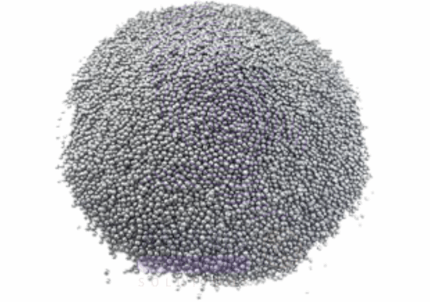
Lead Shot Extra Pure
Lead Shot Extra Pure consists of small, spherical pellets of high-purity lead, typically used in specialized industrial, laboratory, and ballistic applications. In laboratories, it serves as a dense, inert mass ideal for radiation shielding, counterweights, or ball-milling media due to its excellent malleability and high atomic mass. In metallurgy, it can be employed in alloy preparation or as a reducing agent under specific conditions. Its consistent size and purity make it especially useful where uniformity and minimal contamination are critical. Safe handling is essential, as lead is toxic, and prolonged exposure can pose serious health hazards. Proper PPE, ventilation, and disposal methods are mandatory.
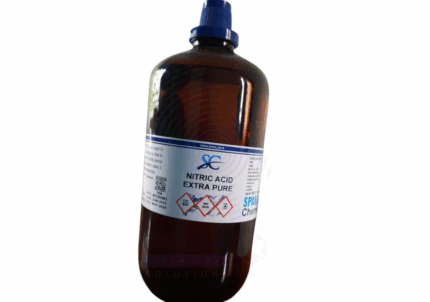
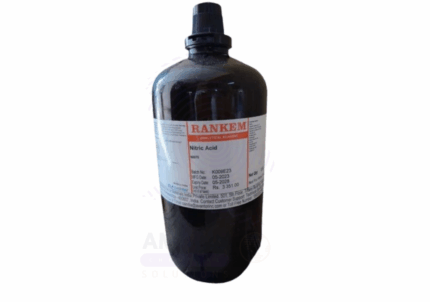
Nitric Acid Extra pure
Nitric Acid Extra pure is a high-purity, concentrated mineral acid supplied in a secure 2.5-litre packaging, ideal for laboratory and industrial applications requiring precision and consistency. Known for its strong oxidizing properties, nitric acid (HNO₃) is widely used in analytical chemistry, metal etching, sample digestion, and nitrate salt preparation.
This Extra Pure grade ensures minimal contaminants, making it especially suitable for trace analysis, high-purity synthesis, and quality control laboratories. Its sharp, acrid odor and highly corrosive nature demand careful handling with proper personal protective equipment (PPE), including acid-resistant gloves, goggles, and fume hoods. It must be stored in tightly sealed, compatible containers away from organic materials, bases, and flammable substances. This reagent is essential in both academic research and industrial processes involving nitration reactions, fertilizer formulation, and explosives development.
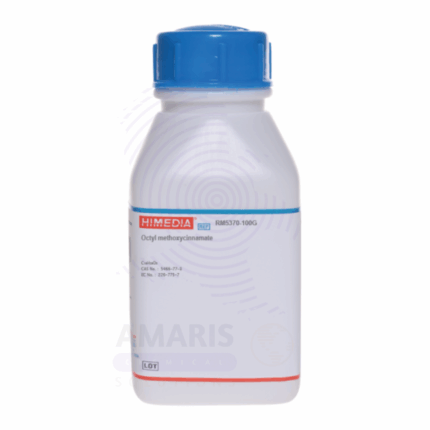
Octyl Methoxycinnamate Extra Pure
Octyl Methoxycinnamate Extra Pure is a high-purity organic compound widely used as a UV-B filter in sunscreen formulations and personal care products. Known chemically as Ethylhexyl Methoxycinnamate, it functions by absorbing ultraviolet light in the 280–320 nm range, thereby protecting skin from sunburn and photoaging.
In its Extra Pure form, OMC offers exceptional quality for cosmetic-grade applications, pharmaceutical formulations, and research requiring stringent purity levels. It is typically a clear, oily liquid with good solubility in oils and alcohols, making it ideal for incorporation into emulsions, creams, and lotions. Aside from its cosmetic uses, it is occasionally used in plastic and polymer stabilization where UV protection is needed. It should be stored in cool, dark conditions to maintain its stability and efficacy.
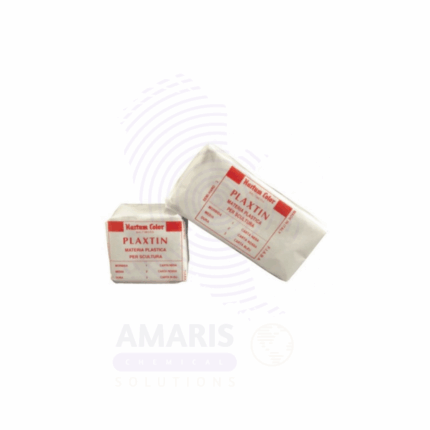
Plasticine Extra Pure
Plasticine Extra Pure is a soft, pliable, and non-drying modeling compound formulated for precision use in educational, artistic, and scientific applications. Unlike traditional clays, this extra pure grade contains high-quality, non-toxic ingredients that ensure safety, smooth texture, and ease of molding without hardening over time.
It is commonly used in schools, laboratories, design studios, and animation, offering excellent workability for crafting models, prototypes, or anatomical structures. Its stable composition allows repeated reuse without loss of quality, making it both economical and environmentally friendly.
Plasticine should be kept sealed in a cool, dust-free environment to preserve its flexibility. Although non-toxic, it should not be ingested, and basic hygiene should be practiced after handling, especially in laboratory or classroom settings.
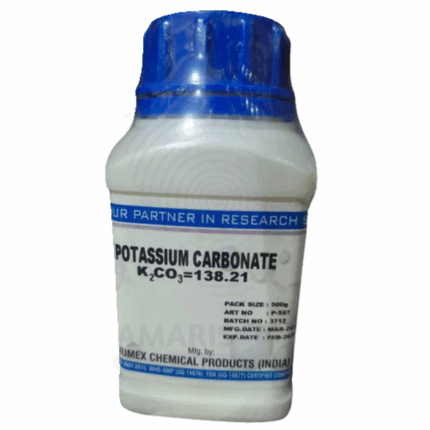
Potassium Carbonate Extra Pure
Potassium Carbonate Extra Pure is a high-purity, white, hygroscopic, water-soluble salt with the chemical formula K₂CO₃. It is known for its alkaline properties and exceptional solubility in water, forming a strongly basic solution that is widely used in laboratory and industrial processes. Its Extra Pure grade ensures it meets stringent standards for research, analytical, and high-spec formulation work.
This compound is essential in buffer preparation, pH adjustment, and titration analysis in laboratory chemistry. It also serves as a drying agent for certain solvents and gases due to its moisture-absorbing nature. In industrial applications, Potassium Carbonate is a key ingredient in the manufacture of glass, soaps, and dyes, and is also used in fermentation processes to control acidity. In the food industry, it functions as a food additive (E501), commonly used as a buffering or raising agent in baking.
To maintain its quality, Potassium Carbonate Extra Pure should be stored in a tightly sealed container, in a dry and cool environment, away from acids and moisture, as it readily absorbs water and carbon dioxide from the air. Proper handling using protective gloves and eye protection is advised, especially in concentrated solutions, due to its caustic nature.
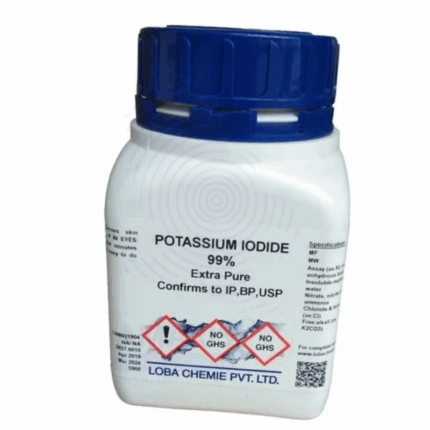
Potassium Iodide Extra Pure
Potassium Iodide Extra Pure is a high-purity, white crystalline salt widely recognized for its excellent solubility in water and its versatile applications. In laboratories, it is commonly used as a reagent in iodometric titrations and for preparing iodine solutions. In the medical field, it serves as a key source of iodine and is used for thyroid protection against radioactive iodine exposure. Its antioxidant properties also make it valuable in pharmaceutical formulations and as a stabilizer in various chemical processes. The extra pure grade ensures maximum consistency and reliability for precise experimental and industrial outcomes.

Sodium Oxalate Extra Pure
Sodium Oxalate Extra Pure is a high-purity, white crystalline powder widely used as a primary standard in analytical chemistry, particularly for titrations involving potassium permanganate. It serves as a reducing agent and precipitant for metal ions, with additional applications in chemical synthesis and textile processing. The compound requires careful handling due to its irritant properties and should be stored away from oxidizing agents in a dry environment. Sodium Oxalate Extra Pure’s stable nature and moderate solubility make it valuable for precise laboratory applications.












