

 Preservatives(food)
 Flavor Enhancers
 Acidulants
 Sweeteners
 Antioxidants
 Colorants(food)
 Nutraceutical Ingredients (food)
 Nutrient Supplements
 Emulsifiers
 Collectors
 Dust Suppressants
 Explosives and Blasting Agents
 Flocculants and Coagulants
 Frothers
 Leaching Agents
 pH Modifiers
 Precious Metal Extraction Agents
 Antioxidants(plastic)
 Colorants (Pigments, Dyes)
 Fillers and Reinforcements
 Flame Retardants
 Monomers
 Plasticizers
 Polymerization Initiators
 Stabilizers (UV, Heat)
 Antifoaming Agents
 Chelating Agents
 Coagulants and Flocculants
 Corrosion Inhibitors
 Disinfectants and Biocides
 Oxidizing Agents
 pH Adjusters
 Scale Inhibitors( water)
 Antioxidants(cosmetic)
 Emollients
 Fragrances and Essential Oils
 Humectants
 Preservatives
 Surfactants(cosmetic)
 Thickeners
 UV Filters
 Fertilizers
 Soil Conditioners
 Plant Growth Regulators
 Animal Feed Additives
 Biostimulants
 Pesticides (Herbicides, Insecticides, Fungicides)
 Active Pharmaceutical Ingredients (APIs)
 Excipients
 Solvents(pharmaceutical)
 Antibiotics
 Antiseptics and Disinfectants
 Vaccine Adjuvants
 Nutraceutical Ingredients (pharmaceutical)
 Analgesics & Antipyretics
 Analytical Reagents
 Solvents(lab)
 Chromatography Chemicals
 Spectroscopy Reagents
 microbiology-and-cell-culture-reagents
 Molecular Biology Reagents
 Biochemical Reagents
 Inorganic and Organic Standards
 Laboratory Safety Chemicals
 Specialty Laboratory Chemicals(Special Laboratory Equipment)
 Demulsifiers
 Hydraulic Fracturing Fluids
 Scale Inhibitors(oil)
 Surfactants(oil)
 Drilling Fluids
 Dyes and Pigments
 Bleaching Agents
 Softening Agents
 Finishing Agents
 Antistatic Agents
 Admixtures
 Waterproofing Agents
 Sealants and Adhesives
 Curing Compounds
 Concrete Repair Chemicals
 Anti-Corrosion Coatings
 Surfactants(cleaning)
 Builders
 Enzymes
 Solvents (Cleaning)
 Fragrances
 Electronic Chemicals
 Catalysts
 Lubricants
 Photographic Chemicals
 Refrigerants
 Automotive chemicals
 Pyrotechnic Chemicals
 Biodegradable Surfactants
 Bio-based Solvents
 Renewable Polymers
 Carbon Capture Chemicals
 Wastewater Treatment Chemicals
 Pigments
 Solvents(paint)
 Specialty Coatings
 Binders/Resins
 Additives
 Driers
 Anti-Corrosion Agents
 Functional Coatings
 Application-Specific Coatings
 Leavening Agents
 Dough Conditioners
 Flour Treatments
 Fat Replacers
 Decoratives
 Preservatives(baking)
 Plasticizers & Softeners
 Reinforcing Agents
 Adhesion Promoters
 Vulcanizing Agents
 Antidegradants
 Blowing Agents
 Fillers & Extenders
 Accelerators & Retarders


Calcium Hydroxide Hydrated Lime
Original price was: $ 1.21.$ 1.09Current price is: $ 1.09.
Calcium Hydroxide Hydrated Lime, commonly known as Hydrated Lime or Slaked Lime, is an inorganic compound with the chemical formula Ca(OH)₂. It appears as a white, odorless, powder or crystalline solid. It is produced by treating quicklime (calcium oxide) with water in a process called slaking. Calcium Hydroxide is moderately soluble in water, forming a strongly alkaline solution known as limewater. It is widely used in construction, environmental, chemical, agricultural, and water treatment applications due to its caustic, neutralizing, and flocculating properties.
Calcium Hydroxide Hydrated Lime
Primary Uses
- Construction & Building Materials
- Used as a key ingredient in mortar, plaster, and cement for masonry and plastering works.
- Acts as a stabilizing agent in soil stabilization and road construction.
- Water Treatment
- Employed to raise pH and neutralize acidic water in municipal and industrial water treatment plants.
- Used as a flocculant to remove impurities and heavy metals from wastewater.
- Chemical Industry
- Utilized as a neutralizing agent in chemical processes and as a raw material for calcium salts production.
- Used in the manufacture of bleaching powder and other calcium compounds.
- Agriculture
- Applied to adjust soil pH (liming) to improve fertility and reduce soil acidity.
- Used as a pesticide and fungicide to control pests and diseases in crops.
Secondary Uses
- Food Industry
- Used in food processing as a firming agent, for example, in pickling and in the production of certain sugar syrups.
- Environmental Applications
- Applied in flue gas desulfurization to reduce sulfur dioxide emissions from power plants.
- Leather Industry
- Utilized in the tanning process for removing hair and impurities from hides.
1. Basic Identification Attributes
- Chemical Name (IUPAC): Calcium hydroxide
- Common/Trade Name: Calcium Hydroxide, Hydrated Lime, Slaked Lime
- CAS Number: 1305-62-0
- HS Code: 2825.90.00
- Molecular Formula: Ca(OH)₂
- Synonyms:
- Slaked lime
- Hydrated lime
- Calcium dihydroxide
- Lime hydrate
2. Physical & Chemical Properties
- Physical State: Fine powder or crystalline solid
- Color & Odor: White; odorless
- Melting Point: Decomposes at ~580°C (releases water and forms calcium oxide)
- Boiling Point: Not applicable (decomposes)
- Density: Approx. 2.2 g/cm³ (powder bulk density varies)
- Solubility: Slightly soluble in water (about 1.73 g/L at 20°C), producing a strongly alkaline solution (pH ~12.4)
- pH: Strongly alkaline (in aqueous suspension)
- Stability: Stable under normal conditions; reacts with acids and carbon dioxide
3. Safety & Hazard Attributes
- Hazard Class (GHS): Corrosive (Skin and eye irritant)
- NFPA Ratings:
- Health: 3
- Flammability: 0
- Reactivity: 1
- Exposure Limits: OSHA PEL: 5 mg/m³ (respirable dust), 15 mg/m³ (total dust)
- Toxicity: Irritant to skin, eyes, and respiratory tract; ingestion of large amounts can cause severe irritation
- Reactivity: Reacts vigorously with acids; reacts with carbon dioxide forming calcium carbonate
4. Storage & Handling Attributes
- Storage Conditions: Store in a cool, dry, well-ventilated area away from moisture and acids
- Container Type: Airtight, moisture-resistant containers such as HDPE bags or drums
- Shelf Life: Stable for several years if stored properly
- Special Handling: Use PPE; avoid dust inhalation and contact with skin/eyes
5. Regulatory & Compliance Attributes
- FDA Status: Generally recognized as safe (GRAS) for specific food applications
- Pharmacopoeia Compliance: Listed in USP and BP as a reagent and pharmaceutical excipient
- Transportation: Not classified as hazardous under most regulations but handle as irritant material
- Waste Disposal: Dispose according to local environmental regulations; neutralize before disposal
6. Environmental & Health Impact
- Ecotoxicity: Low to moderate; high pH in water can harm aquatic life if released in large quantities
- Persistence: Inorganic mineral; does not biodegrade
- Bioaccumulation: Not expected to bioaccumulate
- Carcinogenicity/Mutagenicity: Not classified as carcinogenic or mutagenic
- Biodegradability: Not biodegradable
Safety handling precautions
Personal Protective Equipment (PPE):
- Protective gloves
- Safety goggles or face shield
- Dust mask or respirator (for powder handling)
- Protective clothing
Handling Measures:
- Avoid generating dust
- Handle in well-ventilated areas
- Prevent skin and eye contact
Storage Measures:
- Keep containers tightly closed
- Store away from moisture and acids
Hygiene Practices:
- Wash hands and exposed skin thoroughly after handling
- Do not eat, drink, or smoke during handling
First Aid Measures
- Inhalation: Move to fresh air immediately; seek medical attention if breathing difficulty occurs
- Skin Contact: Rinse with plenty of water for at least 15 minutes; remove contaminated clothing; seek medical attention if irritation persists
- Eye Contact: Rinse immediately with plenty of water for at least 15 minutes; seek urgent medical care
- Ingestion: Do not induce vomiting; rinse mouth and seek immediate medical attention
Firefighting Measures
- Fire Hazards: Non-flammable but may react with water or acids producing heat
- Extinguishing Media: Use water spray, dry chemical, foam, or CO₂ for surrounding fire
- Special Precautions: Firefighters should wear full protective gear and SCBA
- Decomposition Products: May release calcium oxide and hydroxide vapors under extreme heat
Related products
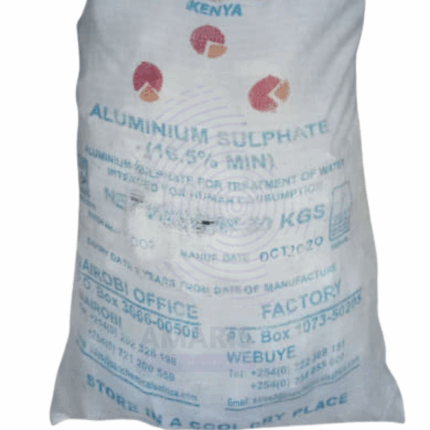
Aluminium Sulphate Alum Rock
Aluminium Sulphate Alum Rock, commonly referred to as simply Aluminum Sulphate or Alum Rock, is a white crystalline solid widely used across various industries. It is primarily known for its strong coagulating properties, making it essential in water purification, wastewater treatment, and paper manufacturing. When dissolved in water, it reacts to form aluminum hydroxide, which binds with impurities and suspended particles, facilitating their removal. In addition, alum rock finds applications in dyeing, tanning, and as a mordant in textile industries. It has astringent and antiseptic properties, making it useful in cosmetics and personal care products such as deodorants and styptic pencils. Its cost-effectiveness and multifunctionality make it a staple chemical in environmental, industrial, and consumer sectors.
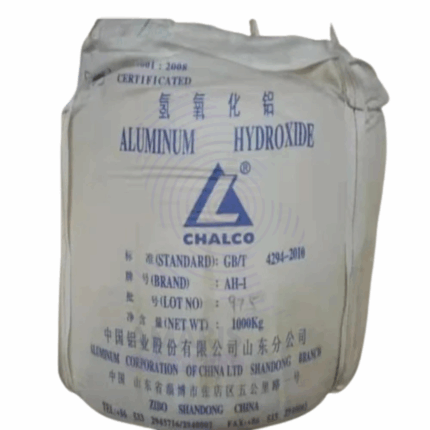
Aluminum hydroxide
Aluminum Hydroxide, chemically known as Al(OH)₃, is a white, odorless, and odorless powder or gelatinous substance. It is widely used in pharmaceuticals as an antacid to neutralize stomach acid and relieve indigestion and heartburn. Beyond healthcare, aluminum hydroxide is a crucial component in water purification, fire retardants, and as a precursor or filler in various industrial applications. It functions as a flame retardant by releasing water upon heating, thus cooling the material and diluting flammable gases. Due to its amphoteric nature, it can react both as an acid and base, enhancing its versatility. Aluminum hydroxide is often utilized in manufacturing aluminum salts and in producing aluminum oxide.
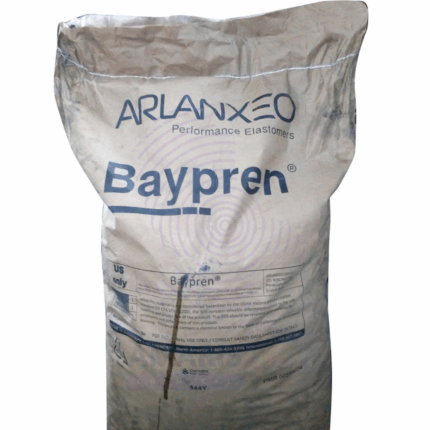
Bayprene
Bayprene is a high-quality, synthetic rubber polymer belonging to the class of nitrile butadiene rubbers (NBR). It is widely used for its excellent resistance to oils, fuels, chemicals, and abrasion, making it ideal for sealing, gasketing, hoses, and industrial applications where durability and chemical resistance are required. Bayprene exhibits good mechanical properties, high tensile strength, and resistance to swelling and degradation, especially in petroleum-based environments. It is commonly supplied as solid rubber sheets, molded parts, or raw polymer for compounding.

Calcium Chloride
Calcium Chloride is an inorganic salt composed of calcium and chlorine with the chemical formula CaCl₂. It typically appears as a white crystalline solid or granular powder, highly soluble in water and exhibiting strong hygroscopic properties. Calcium Chloride is widely used for its moisture-absorbing ability, de-icing, dust control, and as a firming agent in food processing. It finds extensive applications across industrial, pharmaceutical, agricultural, and food sectors due to its efficacy in modifying physical and chemical properties of products and environments.
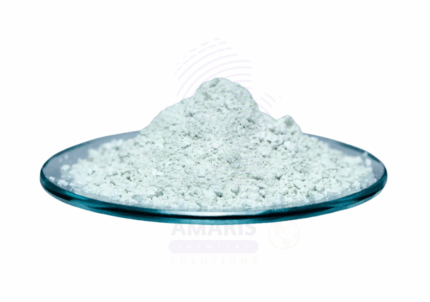
Cupric Sulphate Anhydrous
Cupric Sulphate Anhydrous (Copper(II) sulfate, anhydrous form) is a blue to green crystalline powder that is highly soluble in water. It is an inorganic compound consisting of copper, sulfur, and oxygen with the formula CuSO₄. Unlike its hydrated counterpart (CuSO₄·5H₂O), the anhydrous form contains no water molecules. It is widely used in agriculture, industry, and chemical manufacturing due to its fungicidal, algicidal, and chemical reactivity properties. The compound serves as a precursor to many copper salts and catalysts.
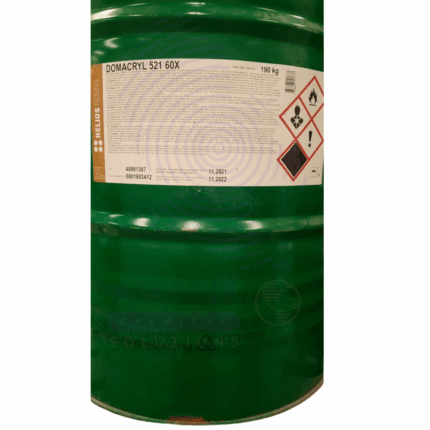
Domacryl
Domacryl is a high-performance acrylic polymer latex designed for use as a binder in water-based coatings, adhesives, sealants, and construction materials. It is a styrene-acrylic copolymer emulsion offering excellent film formation, adhesion, durability, and chemical resistance. Domacryl provides superior mechanical strength and flexibility in formulated products, making it ideal for applications requiring long-lasting protection and enhanced aesthetic qualities. The polymer is supplied as a stable aqueous dispersion with approximately 50% solids content, packed in bulk (190 kg drums) for industrial use.
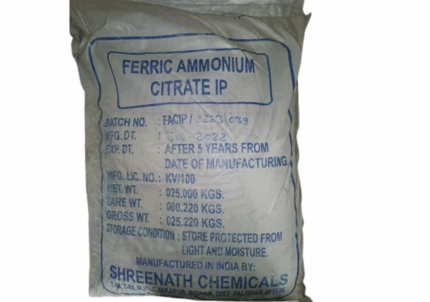
Ferric Ammonium Citrate
Ferric Ammonium Citrate is a dark green to black crystalline or granular inorganic compound composed of iron, ammonium ions, and citrate ions. It is a complex salt of citric acid with ferric iron (Fe³⁺) and ammonium. This compound is highly soluble in water, forming a greenish solution, and is widely utilized as a source of iron in various chemical, pharmaceutical, photographic, and food applications. It acts as a mild oxidizing agent and an iron supplement, valued for its bioavailability and ease of incorporation into formulations. Ferric Ammonium Citrate is typically available in different formulations distinguished by their water and ammonium content, such as green and brown types.
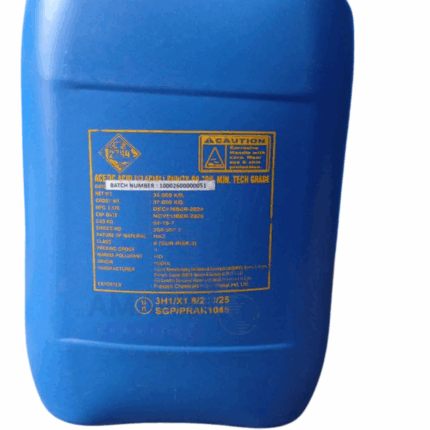
Glacial Acetic Acid Tech grade
Glacial Acetic Acid Tech grade is a clear, colorless liquid with a pungent vinegar-like odor. It is a less refined form of acetic acid primarily used for industrial and technical applications rather than food or pharmaceutical uses. Typically available in concentrations ranging from 80% to glacial (99-100%), it serves as a crucial chemical reagent, solvent, and intermediate in various industrial processes.












